Health Food 18/02/2026 22:58
Your Food Preferences Aren’t Fixed — They’re More Trainable Than You Think
It’s something many people say with certainty:
“I just don’t like that food.”
Broccoli.
Olives.
Mushrooms.
Dark chocolate.
Preferences can feel deeply personal — almost permanent.
But neuroscience suggests something surprisingly hopeful:
Taste is not only inherited. It is shaped.
And often, it can be reshaped.
Your Brain Learns Flavor Through Exposure
Humans are born with a natural preference for sweetness and an instinctive caution toward bitterness — an evolutionary safeguard against potentially harmful plants.
But beyond those early tendencies, much of what we “like” is learned through repetition.
The brain is remarkably adaptable.
When exposed to a flavor multiple times in neutral or positive settings, resistance often decreases.
Familiarity grows.
And familiarity tends to feel safe.
Psychologists sometimes call this the mere exposure effect — the tendency to develop preference for things simply because they become known.
Why the First Experience Matters Less Than You Think

Many food aversions begin with a single moment:
Perhaps the vegetable was overcooked.
Too bitter.
Poorly seasoned.
The brain records the experience and forms a quick conclusion.
But that conclusion is not necessarily permanent.
Preparation style alone can transform perception.
Roasted vegetables often taste entirely different from steamed ones.
Fresh herbs can soften intensity.
Balanced seasoning can reveal natural sweetness.
Sometimes, what we dislike is not the food itself — but the way we first encountered it.
Cultural Proof That Taste Evolves
Consider how many foods are initially perceived as challenging:
coffee
spicy dishes
fermented foods
strong cheeses
Yet millions grow to enjoy them.
Rarely overnight.
Usually through gradual exposure.

Preference often follows familiarity, not the other way around.
The Adaptation Window
Research suggests it may take anywhere from 8 to 15 exposures for acceptance of a new food to increase — sometimes fewer, occasionally more.
This is not about forcing yourself to eat something unpleasant.
It is about allowing the brain enough encounters to update its prediction.
Because what feels unfamiliar today can feel normal surprisingly quickly.
Lower the Intensity, Raise the Comfort
One of the most effective strategies is gentle introduction.
Instead of making the new food the center of the plate, integrate it alongside familiar flavors.
For example:
spinach folded into a pasta dish
roasted vegetables added to a grain bowl
nuts sprinkled onto yogurt
bitter greens paired with a citrus dressing
The brain learns best when novelty is buffered by comfort.
Too much unfamiliarity at once can trigger rejection.
Small steps invite curiosity instead.
Identity Is More Flexible Than It Feels
People sometimes anchor food preferences to identity:
“I’m just not a vegetable person.”
“I don’t have the palate for that.”

But identity can quietly evolve.
Every expanded preference increases dietary flexibility — making balanced eating feel less effortful over time.
Not through discipline.
Through adaptation.
For Children — And Adults
Parents often hear that repeated exposure helps children accept new foods.
What’s less discussed is that the same principle applies across the lifespan.
Adults are just as capable of updating taste patterns.
Neuroplasticity does not disappear after childhood.
Your brain remains open to learning.
Curiosity Over Judgment
If there is a food you’ve long avoided, consider revisiting it with a slightly different question:
Not “Do I like this?”
But:
“Have I given my brain enough chances to understand it?”
You may discover the answer changes.
The Bigger Perspective
Preferences are not static personality traits.
They are living reflections of experience.
Each time you allow something new onto your plate, you expand not only your nutritional range — but your sensory world.
And often, the foods that support you most are not the ones you instantly loved…
…but the ones you gradually learned to welcome.
“I just don’t like that food.”
Broccoli.
Olives.
Mushrooms.
Dark chocolate.
Preferences can feel deeply personal — almost permanent.
But neuroscience suggests something surprisingly hopeful:
Taste is not only inherited. It is shaped.
And often, it can be reshaped.
Your Brain Learns Flavor Through Exposure
Humans are born with a natural preference for sweetness and an instinctive caution toward bitterness — an evolutionary safeguard against potentially harmful plants.
But beyond those early tendencies, much of what we “like” is learned through repetition.
The brain is remarkably adaptable.
When exposed to a flavor multiple times in neutral or positive settings, resistance often decreases.
Familiarity grows.
And familiarity tends to feel safe.
Psychologists sometimes call this the mere exposure effect — the tendency to develop preference for things simply because they become known.
Why the First Experience Matters Less Than You Think
Many food aversions begin with a single moment:
Perhaps the vegetable was overcooked.
Too bitter.
Poorly seasoned.
The brain records the experience and forms a quick conclusion.
But that conclusion is not necessarily permanent.
Preparation style alone can transform perception.
Roasted vegetables often taste entirely different from steamed ones.
Fresh herbs can soften intensity.
Balanced seasoning can reveal natural sweetness.
Sometimes, what we dislike is not the food itself — but the way we first encountered it.
Cultural Proof That Taste Evolves
Consider how many foods are initially perceived as challenging:
coffee
spicy dishes
fermented foods
strong cheeses
Yet millions grow to enjoy them.
Rarely overnight.
Usually through gradual exposure.
Preference often follows familiarity, not the other way around.
The Adaptation Window
Research suggests it may take anywhere from 8 to 15 exposures for acceptance of a new food to increase — sometimes fewer, occasionally more.
This is not about forcing yourself to eat something unpleasant.
It is about allowing the brain enough encounters to update its prediction.
Because what feels unfamiliar today can feel normal surprisingly quickly.
Lower the Intensity, Raise the Comfort
One of the most effective strategies is gentle introduction.
Instead of making the new food the center of the plate, integrate it alongside familiar flavors.
For example:
spinach folded into a pasta dish
roasted vegetables added to a grain bowl
nuts sprinkled onto yogurt
bitter greens paired with a citrus dressing
The brain learns best when novelty is buffered by comfort.
Too much unfamiliarity at once can trigger rejection.
Small steps invite curiosity instead.
Identity Is More Flexible Than It Feels
People sometimes anchor food preferences to identity:
“I’m just not a vegetable person.”
“I don’t have the palate for that.”
But identity can quietly evolve.
Every expanded preference increases dietary flexibility — making balanced eating feel less effortful over time.
Not through discipline.
Through adaptation.
For Children — And Adults
Parents often hear that repeated exposure helps children accept new foods.
What’s less discussed is that the same principle applies across the lifespan.
Adults are just as capable of updating taste patterns.
Neuroplasticity does not disappear after childhood.
Your brain remains open to learning.
Curiosity Over Judgment
If there is a food you’ve long avoided, consider revisiting it with a slightly different question:
Not “Do I like this?”
But:
“Have I given my brain enough chances to understand it?”
You may discover the answer changes.
The Bigger Perspective
Preferences are not static personality traits.
They are living reflections of experience.
Each time you allow something new onto your plate, you expand not only your nutritional range — but your sensory world.
And often, the foods that support you most are not the ones you instantly loved…
…but the ones you gradually learned to welcome.
News in the same category

You Don’t Just Eat Food — You Eat Your Environment Too

Why Repeating the Same Meals Can Actually Make Healthy Eating Easier
The Texture of Your Food May Influence How Much You Eat — Without You Realizing It
When “Saving Calories” Earlier in the Day Quietly Backfires

Why Warm Meals Often Feel More Satisfying — Even When Calories Are the Same

The First Few Bites Deliver the Most Pleasure — And Your Brain Knows It
Ever Notice How Restaurant Meals Feel Easier to Keep Eating — Even When You’re Already Full?

A Single Night of Poor Sleep Can Quietly Change How Hungry You Feel the Next Day

“I Deserve This” Eating Often Happens Automatically — Not Because You Lack Discipline

The More Decisions You Make, The Harder Healthy Eating Can Become

“Natural Sugar” Is Still Sugar — But Context Changes Everything

Your Eating Speed Has Changed — But Your Biology Hasn’t
Ever Wonder Why Stopping at Just One Bite Feels Hard with Certain Foods?
Eating All Day Without Breaks May Be Confusing Your Body’s Natural Hunger Signals
The Color of Your Plate Might Reveal More About Your Nutrition Than You Realize
Some “Light” Foods Don’t Actually Help You Eat Less — They May Quietly Do the Opposite
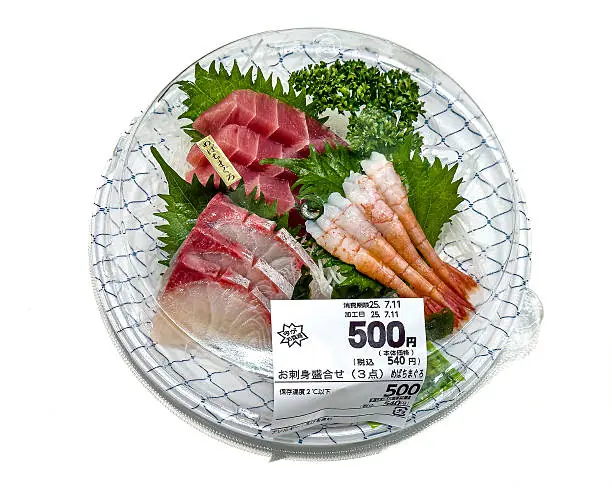
500 Calories Can Look Completely Different on a Plate — And Your Brain Knows It

You Might Be Drinking Enough Water — But Some Foods Could Still Be Dehydrating You
News Post
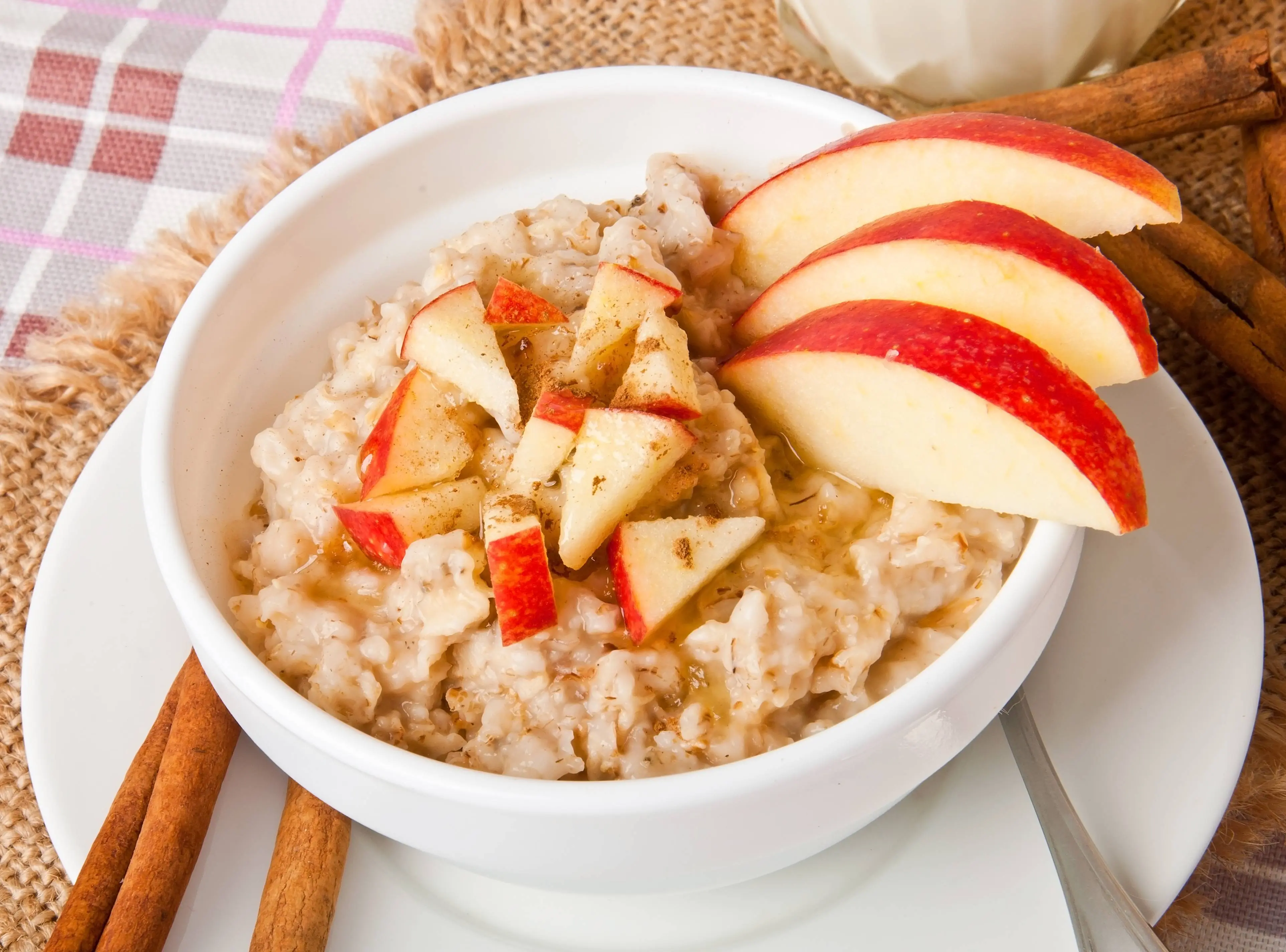
Oats and Apples: The No-Sugar, No-Flour Recipe That’s Winning Over Health-Conscious Kitchens
Healthy eating starts with smart, simple choices.
Food 19/02/2026 01:45
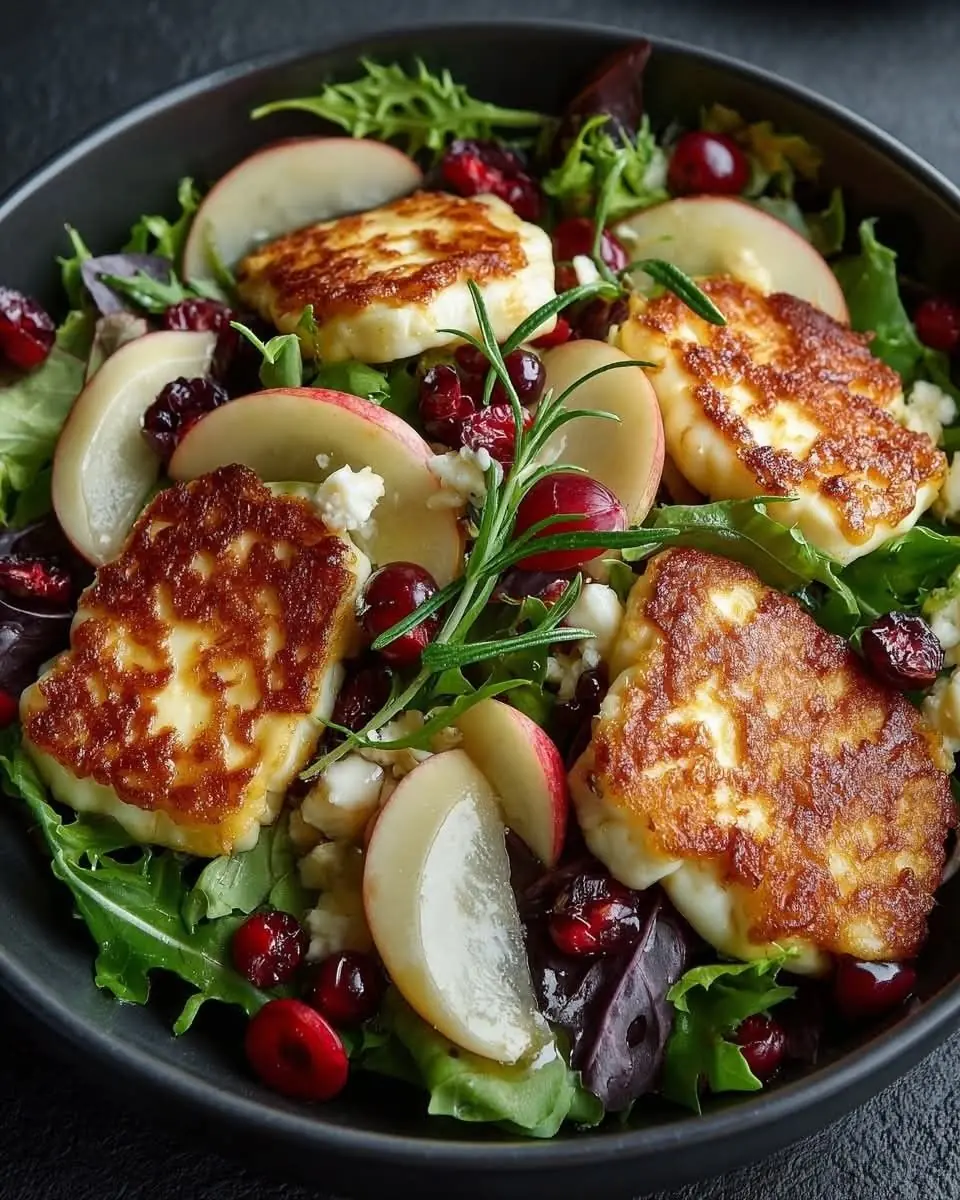
Halloumi Apple Salad with Cranberries
Food 18/02/2026 23:53

Spicy Garlic Stir-Fried Clams
Food 18/02/2026 23:34

Grilled Sausage with Roasted Vegetables & Pasta
Food 18/02/2026 23:20

Spinach & Cheese Stuffed Beef Tenderloin 🥩🧀🌿
Food 18/02/2026 23:08
Satisfaction Might Be the Most Overlooked Nutrient
Health Food 18/02/2026 23:07
You Don’t Just Eat Food — You Eat Your Environment Too
Health Food 18/02/2026 23:05
Why Repeating the Same Meals Can Actually Make Healthy Eating Easier
Health Food 18/02/2026 23:04
The Texture of Your Food May Influence How Much You Eat — Without You Realizing It
Health Food 18/02/2026 23:02
When “Saving Calories” Earlier in the Day Quietly Backfires
Health Food 18/02/2026 23:01
Why Warm Meals Often Feel More Satisfying — Even When Calories Are the Same
Health Food 18/02/2026 22:59
The First Few Bites Deliver the Most Pleasure — And Your Brain Knows It
Health Food 18/02/2026 22:56
Ever Notice How Restaurant Meals Feel Easier to Keep Eating — Even When You’re Already Full?
Health Food 18/02/2026 22:54
A Single Night of Poor Sleep Can Quietly Change How Hungry You Feel the Next Day
Health Food 18/02/2026 22:53
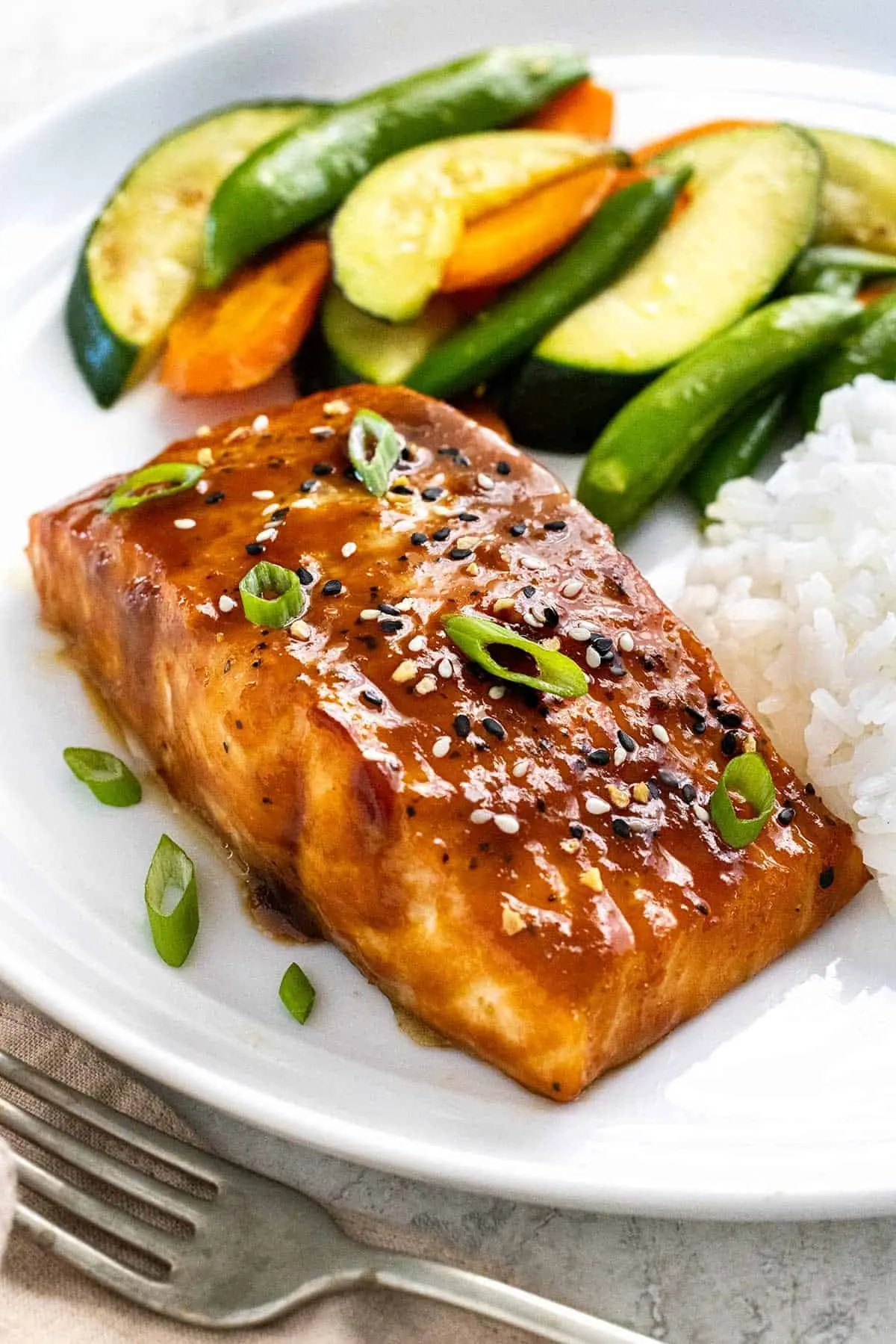
Honey Garlic Glazed Salmon with Steamed Rice & Sautéed Greens
Honey Garlic Glazed Salmon with Steamed Rice & Sautéed Greens
Food 18/02/2026 21:55

Chocolate Mint Dream Bars – A Decadent Layered Dessert You’ll Crave Again and Again
Chocolate Mint Dream Bars – A Decadent Layered Dessert You’ll Crave Again and Again
Food 18/02/2026 21:52
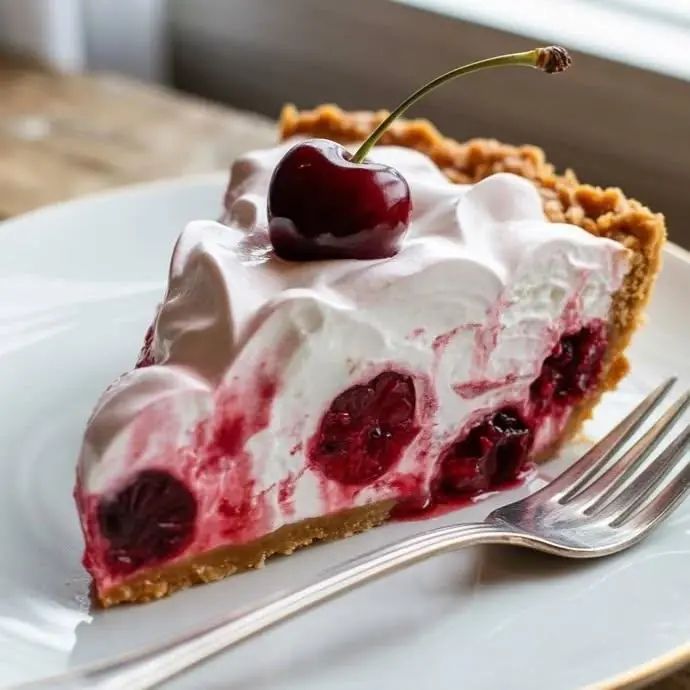
Cherry Pineapple Pie
Cherry Pineapple Pie
Food 18/02/2026 13:17

Easy Pasta Salad
Easy Pasta Salad
Food 18/02/2026 13:03

Fresh Pickled Cucumber Salad: A Crisp, Tangy Favorite That Only Gets Better With Time
When it comes to simple yet satisfying side dishes, few recipes can match the refreshing appeal of fresh pickled cucumber salad. Light, crunchy, and packed with bold tangy flavor, this easy-to-make dish has become a beloved staple in many kitchens. Not on
Food 18/02/2026 02:45