Health Food 17/02/2026 23:13

Your Eating Speed Has Changed — But Your Biology Hasn’t

Modern life moves quickly.

Messages arrive instantly. Meals are delivered in minutes. Lunch is often squeezed between meetings, eaten while scrolling, typing, or commuting.

Somewhere in this acceleration, eating quietly sped up too.

Yet here is the important nuance:

Your brain still needs time to recognize that you’ve had enough.

And biology does not rush simply because your schedule does.

The 20-Minute Signal

When you begin eating, your body starts a cascade of physiological responses:

stretch receptors in the stomach activate

digestive hormones begin circulating

satiety signals travel toward the brain

But this communication is not immediate.
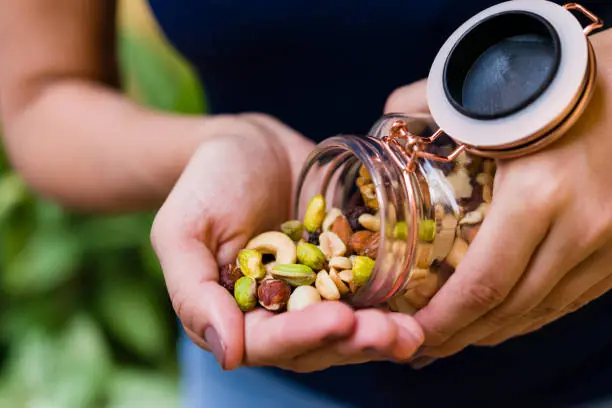
bữa sáng lành mạnh - eating speed hình ảnh sẵn có, bức ảnh & hình ảnh trả phí bản quyền một lần
Research consistently suggests it can take roughly 15–20 minutes for fullness signals to register clearly.

If a meal disappears in seven minutes, your brain may still be “catching up” while you’re already considering a second portion.

Not because you needed it — but because the signal hadn’t arrived yet.

Speed Reduces Awareness

Fast eating tends to overlap with distraction:

watching something

answering emails

driving

working

Attention shifts outward, making it harder to notice subtle internal cues like satisfaction.

When awareness drops, intake often rises — quietly, almost invisibly.

This is not about discipline.

It is about bandwidth.

Your brain can only track so many inputs at once.

The Chewing Factor

Chewing is more influential than most people realize.
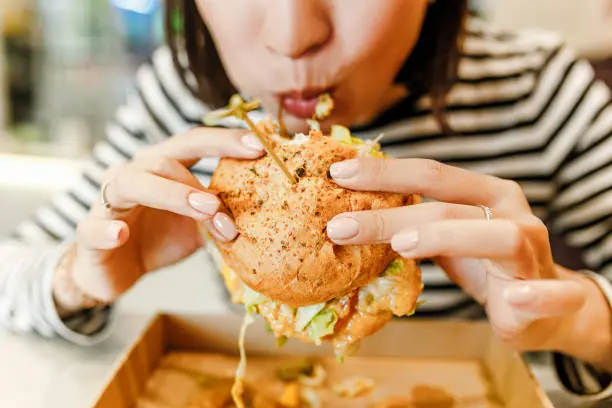
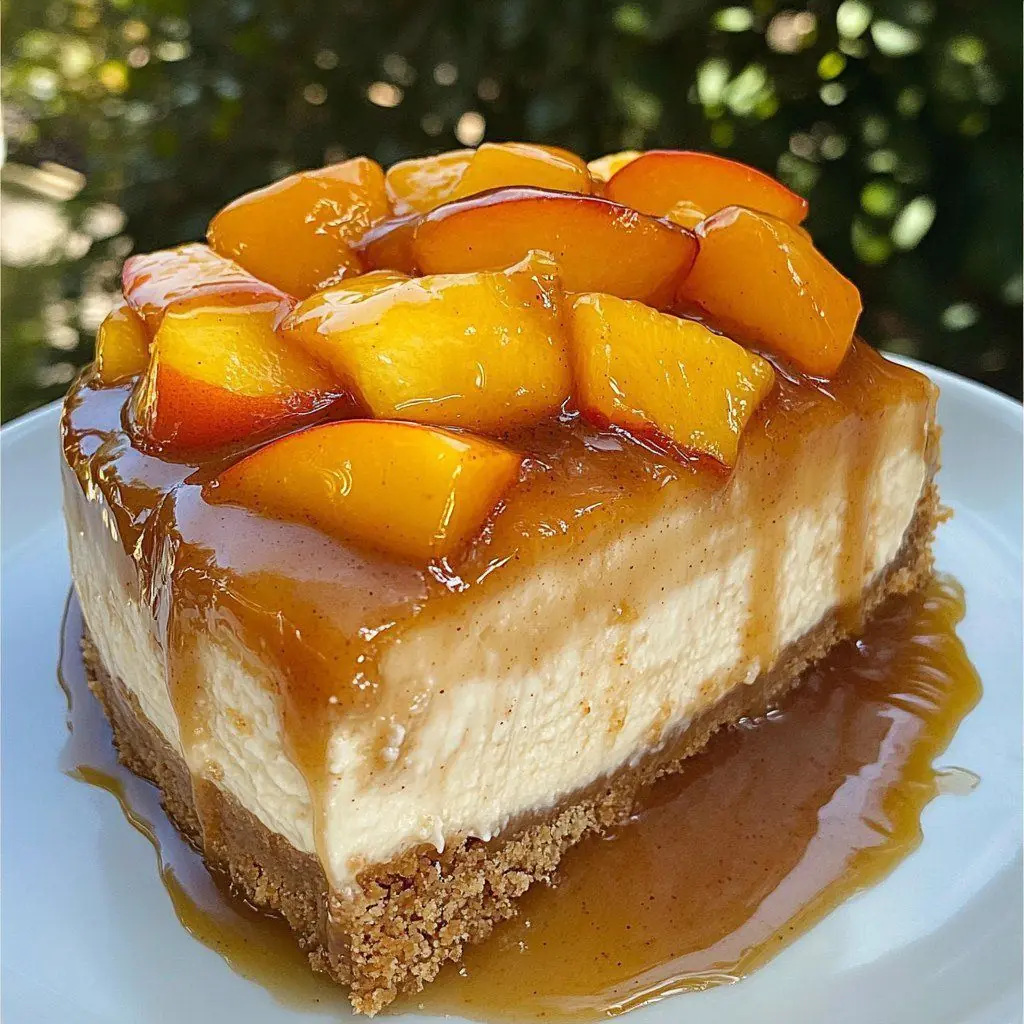
burger ngon - eating speed hình ảnh sẵn có, bức ảnh & hình ảnh trả phí bản quyền một lần
It slows the eating process.
It enhances sensory exposure to the meal.
It supports early digestive signaling.

Soft, highly processed foods often require less chewing, which can compress the entire eating experience into a shorter window.

Less time → fewer opportunities for your body to say “that’s enough.”

A Simple Comparison

Imagine two identical meals.

One is eaten slowly at a table, with pauses between bites.

The other is finished quickly while multitasking.

Even if calories match, the subjective experience often differs:

The slower meal tends to feel more complete.

Not heavier — just more satisfying.

Why Slowing Down Works (Without Trying Harder)

Interestingly, slowing down is not about forcing yourself into rigid behaviors like counting chews.

It’s about allowing physiology to operate at its intended pace.

When timing aligns with biology:

👉 fullness becomes clearer
👉 second servings become less automatic
👉 meals feel more memorable
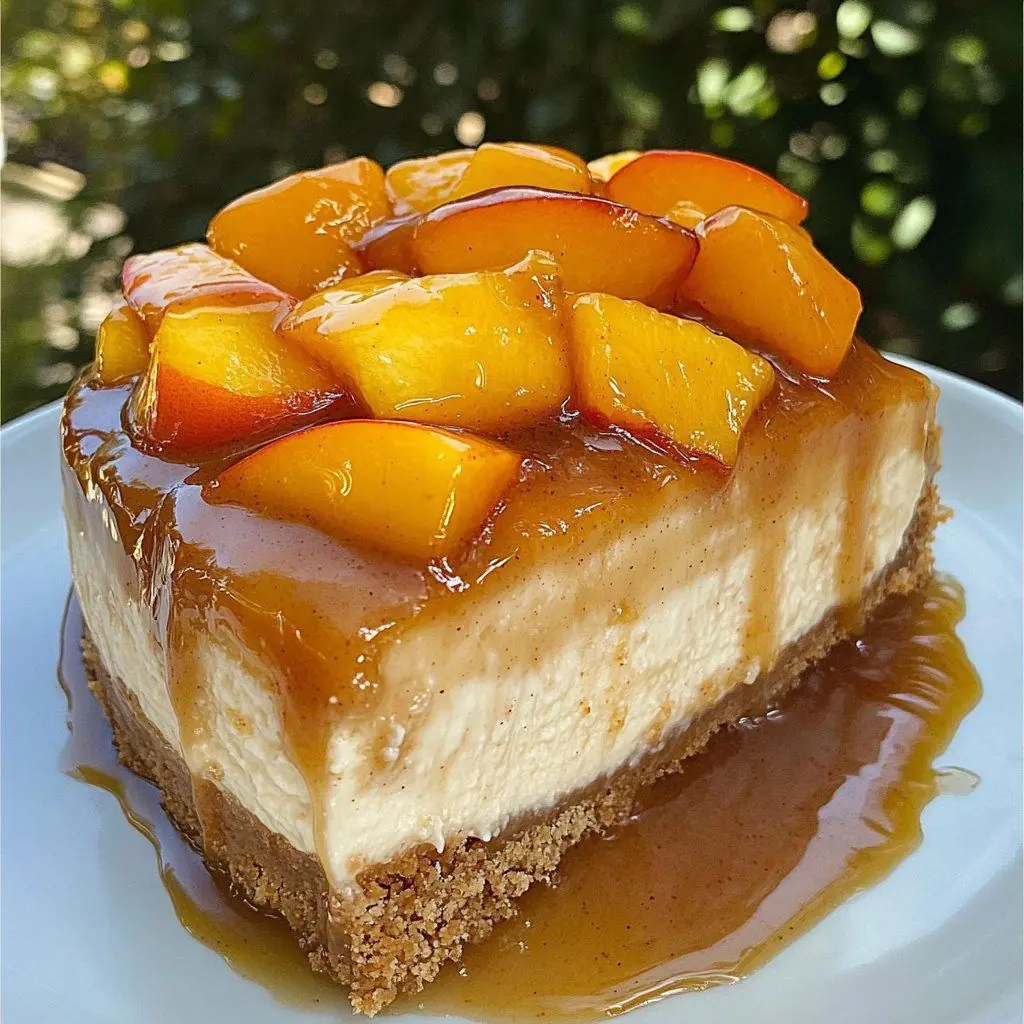
bận rộn nữ doanh nhân ăn trưa muộn ăn mì và làm việc tại văn phòng với đồng hồ báo thức trên bàn - eating speed hình ảnh sẵn có, bức ảnh & hình ảnh trả phí bản quyền một lần
Regulation emerges naturally — not through restriction, but through synchronization.

Gentle Ways to Adjust Your Pace

No perfection required.

Even small shifts can change the experience.

Consider:

👉 putting utensils down occasionally
👉 taking a sip of water mid-meal
👉 avoiding starting meals extremely hungry
👉 sitting down whenever possible

One particularly effective habit:

Create a clear beginning and end to the meal.

When eating becomes an event rather than background activity, awareness tends to follow.

The Bigger Perspective

Many nutrition conversations focus on what to eat.

But how you eat quietly shapes the outcome too.

Your body is not inefficient or broken.

It simply operates on biological timing — timing that evolved long before modern schedules.

So sometimes, supporting your health is not about changing your food…

…but about giving your brain enough time to realize it has already received it.

Because when biology is allowed to keep pace with the meal, balance often becomes much easier.

News in the same category

News Post