Health Food 16/02/2026 14:41

When “Healthy” Foods Become Too Much of a Good Thing

Certain foods earn glowing reputations — nuts, olive oil, granola, smoothies. They’re often associated with balanced lifestyles, nutrient density, and smart eating.

And they deserve that reputation.

But here’s the nuance many people overlook:

👉 Even highly nutritious foods can become counterproductive when portions quietly expand.

This isn’t about labeling foods as “bad.” It’s about understanding density.

The Density Illusion

Some foods pack a large amount of energy into a relatively small physical volume. This means you can eat more than intended before your brain fully registers it.
phụ nữ bị đầy hơi và đau dạ dày sau khi ăn - foods become too much hình ảnh sẵn có, bức ảnh & hình ảnh trả phí bản quyền một lần
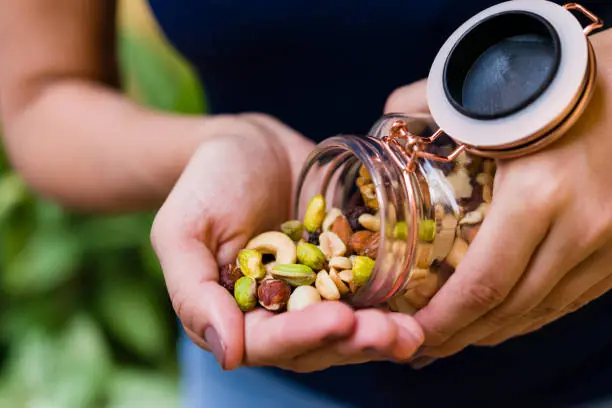
Take nuts, for example.

They contain healthy fats, fiber, and minerals — a powerful combination. But a small handful can quickly become several if eaten absentmindedly from a large container.

Because they’re healthy, your internal “monitoring system” often relaxes.

Psychologists sometimes call this the health halo effect — when the perceived virtue of a food lowers our guard.

Smoothies: Drinkable Nutrition, Faster Intake

Smoothies can combine fruits, yogurt, seeds, nut butter, and even oats. Nutritionally impressive.

But drinking calories is typically faster than chewing them.

Speed matters because fullness signals take time to build. When intake outruns those signals, it’s easy to overshoot comfort.

Try this comparison:

Eating an apple with peanut butter requires biting, chewing, pausing.

Blending both into a smoothie can take under two minutes to consume.

Same ingredients — very different pacing.
đàn ông thích ăn, đau dạ dày vì ăn quá nhiều - foods become too much hình ảnh sẵn có, bức ảnh & hình ảnh trả phí bản quyền một lần
Granola and the Portion Drift

Granola often carries a wholesome image: oats, nuts, seeds, maybe dried fruit.

Yet many granolas are energy-dense, and serving sizes can be surprisingly modest.

The challenge isn’t granola itself — it’s how easily portions drift when poured freely into a bowl.

Awareness often solves the problem without removing the food.

Why Satisfaction Matters More Than Numbers

When a meal feels satisfying, you’re less likely to keep searching for something else.

Ironically, underestimating dense foods can create the opposite effect — you eat more but don’t feel fully anchored because the experience happened quickly.

Slowing down helps density work for you rather than against you.

Practical Strategies Without Restriction
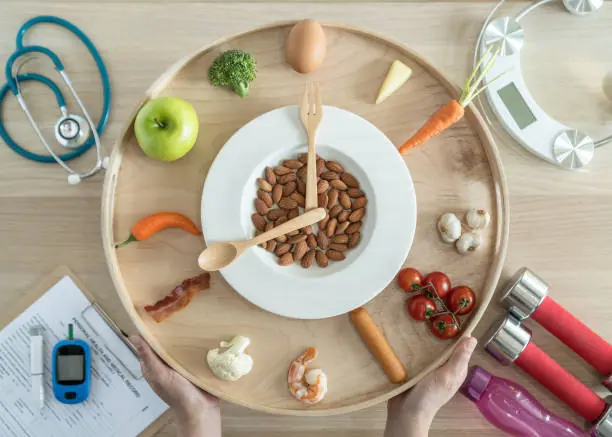
lãng phí thực phẩm - foods become too much hình ảnh sẵn có, bức ảnh & hình ảnh trả phí bản quyền một lần
You don’t need rigid control — just gentle structure.

✔ Portion nuts into small containers instead of eating from the bag
✔ Pair granola with yogurt and fruit rather than eating it alone
✔ Add protein or fiber to smoothies for staying power
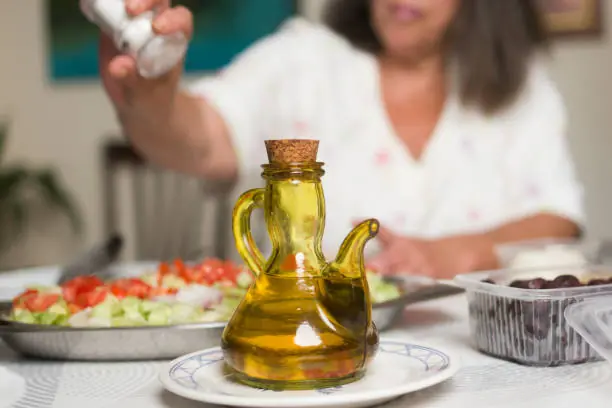
✔ Serve oils intentionally rather than pouring freely

Notice the pattern: awareness, not avoidance.

The Bigger Insight

Healthy eating isn’t only about choosing the “right” foods.

It’s about understanding how those foods behave in real life.

So instead of asking:

👉 “Is this healthy?”

Try asking:

👉 “How much of this actually supports how I want to feel afterward?”

Because sometimes the smartest nutrition shift isn’t changing the food…

It’s simply respecting its density.

News in the same category

News Post