Health Food 16/02/2026 14:50

When Cooking Vegetables Reduces Their Benefits — And When It Actually Helps

Vegetables are often seen as nutritional anchors — colorful, fiber-rich, and packed with plant compounds. But something many people don’t realize is this:

👉 How you cook vegetables can significantly influence what your body ultimately receives.

This doesn’t mean cooking is “bad.” In fact, cooking can sometimes improve nutrient availability. The key is understanding the balance.

Heat Changes Plant Structure
hấp rau trộn trong chảo, nấu ăn theo phong cách châu á - cooking vegetables hình ảnh sẵn có, bức ảnh & hình ảnh trả phí bản quyền một lần
Vegetables contain delicate vitamins alongside sturdier fibers. When exposed to high heat — especially for long periods — some water-soluble nutrients (like certain B vitamins and vitamin C) can gradually break down.

One classic example is boiling.

When vegetables sit in large amounts of water, nutrients can leach out into the liquid. If that water is discarded, part of the nutritional value goes with it.

Think of nutrients as ink slowly diffusing into water.

But Cooking Isn’t the Enemy

Here’s where nuance matters: cooking can also unlock nutrients.

For example:

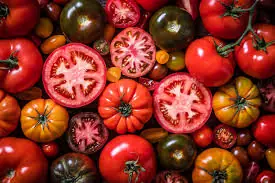
Cooked tomatoes make certain antioxidants more accessible.

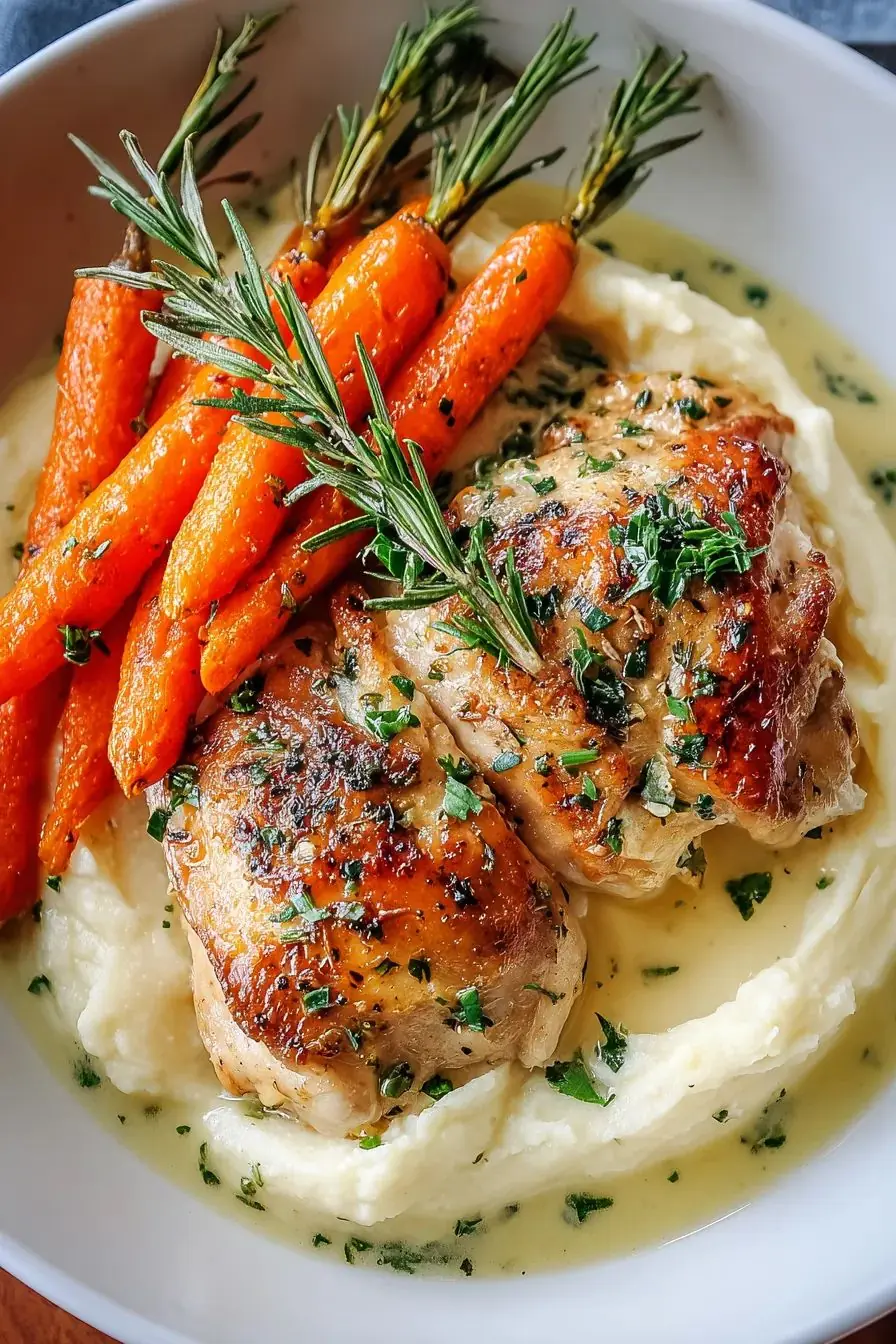
Lightly sautéed carrots may release more beta-carotene.

Steamed spinach becomes easier to eat in meaningful amounts because its volume shrinks dramatically.

Raw vs cooked is not a battle — it’s a partnership.

The Overcooking Trap

Problems often arise not from cooking itself, but from overcooking.
rắc ớt đỏ ớt đỏ ớt paprika trên rau thái lát - cooking vegetables hình ảnh sẵn có, bức ảnh & hình ảnh trả phí bản quyền một lần
Signs vegetables may be overdone:

Extremely soft texture

Dull or grayish color

Lack of freshness in flavor

Vibrant vegetables usually signal preserved structure.

Muted vegetables often suggest excessive heat exposure.

Smarter Cooking Methods

Some methods help retain more nutritional value:

✔ Steaming: Uses minimal water and shorter cooking times.
✔ Roasting: Preserves flavor while limiting nutrient loss into water.
✔ Quick sautéing: Maintains texture and color.
✔ Microwaving: Surprisingly effective due to shorter exposure.

Again — perfection isn’t required. Direction matters more.

Real-Life Upgrade

Instead of boiling broccoli until soft, try roasting it with olive oil until the edges crisp slightly.
rau xào - cooking vegetables hình ảnh sẵn có, bức ảnh & hình ảnh trả phí bản quyền một lần
Instead of simmering zucchini endlessly, sauté it briefly.

Small changes can preserve both flavor and structure.

A Hidden Benefit: You’ll Enjoy Them More

Taste predicts habit.

When vegetables are cooked well — tender but still lively — you’re more likely to eat them regularly.

Consistency beats theoretical perfection every time.

Should You Eat Vegetables Raw Then?

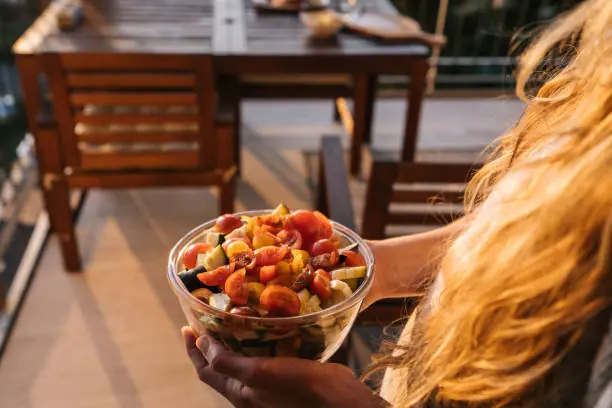
Raw vegetables offer crunch, hydration, and certain intact nutrients. But relying exclusively on raw foods can limit variety and comfort for some people.

The smartest approach is diversity.

Raw salads. Roasted trays. Steamed sides.

Let them complement each other.

The Bigger Insight

Nutrition is rarely about choosing one “correct” method.

It’s about understanding that preparation shapes outcome.

So instead of asking:

👉 “Should I cook this?”

Try asking:

👉 “How can I cook this in a way that lets it stay vibrant?”

Because when vegetables retain both flavor and integrity…

Your body — and your palate — both benefit.

News in the same category

News Post