Health Food 16/02/2026 14:55

When “Healthy Eating” Quietly Turns Unhealthy

Healthy eating is widely associated with vitality, discipline, and self-care. But there is a lesser-discussed nuance that deserves attention:

👉 Even healthy habits can become counterproductive when pushed to extremes.

Not because the foods are wrong — but because rigidity changes the relationship with eating.
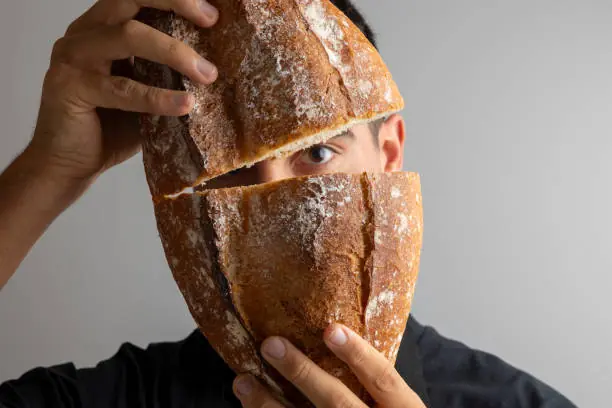
thức ăn và ván gỗ với dòng chữ ăn uống lành mạnh - “healthy eating” quietly turns unhealthy hình ảnh sẵn có, bức ảnh & hình ảnh trả phí bản quyền một lần
The Line Between Structure and Control

Structure supports consistency.

Control creates tension.

When eating patterns become overly strict, food stops being nourishment and starts becoming a rulebook.

You may notice subtle shifts such as:

Feeling anxious about spontaneous meals

Avoiding social gatherings that involve food

Labeling foods as strictly “clean” or “off-limits”

Experiencing guilt after eating something unplanned

None of these reactions mean you lack discipline — they often signal that flexibility has narrowed.

Health Is Not Built on Fear

A sustainable eating pattern allows room for life: celebrations, travel, busy days, changing appetites.
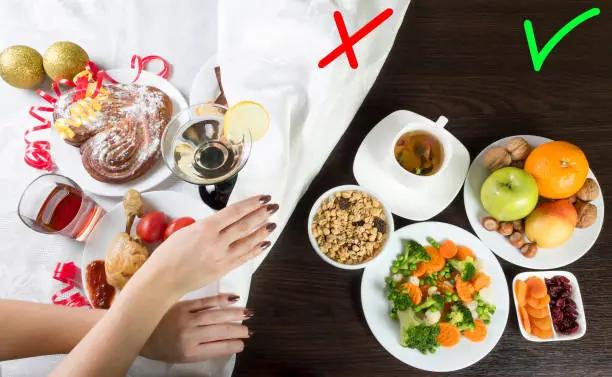
cộng với kích thước người phụ nữ bịt miệng từ chối thực phẩm lành mạnh - “healthy eating” quietly turns unhealthy hình ảnh sẵn có, bức ảnh & hình ảnh trả phí bản quyền một lần
When perfection becomes the goal, even minor deviations can feel disproportionately significant.

Ironically, this pressure can create the very instability people hoped to avoid.

Balance thrives in adaptability.

The All-or-Nothing Trap

Many people fall into a cycle:

“I ate something outside my plan — I might as well give up today.”

But physiology doesn’t operate on perfection. The body responds to patterns over time, not single meals.

Zooming out often dissolves unnecessary worry.

Real-Life Example

Imagine two individuals:

Person A: Eats mostly nutrient-dense meals but occasionally enjoys dessert without stress.

Person B: Follows strict rules but feels intense guilt after any deviation.

Who is more likely to sustain their habits long term?
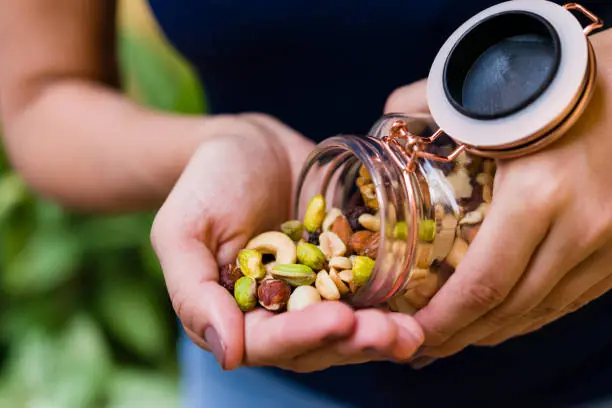
người phụ nữ trẻ cầm rau - “healthy eating” quietly turns unhealthy hình ảnh sẵn có, bức ảnh & hình ảnh trả phí bản quyền một lần
Consistency almost always favors flexibility.

The Social Dimension of Food

Meals are rarely just nutritional transactions — they are cultural and relational experiences.

Sharing food builds connection.

When healthy eating isolates rather than integrates, it may be worth reassessing the approach.

Well-being includes emotional ease, not just nutrient intake.

Signs Your Approach Might Be Too Rigid

This is not a diagnostic checklist — just gentle reflection:

✔ Do you feel relaxed around food?
✔ Can you adapt when plans change?
✔ Do you trust yourself without strict rules?

If the answer leans toward yes, your system likely supports you.

If not, softening the edges may help.

Flexibility Is Not the Opposite of Discipline

Many assume flexibility equals carelessness.

In reality, flexible systems are often the most resilient.

Think of a tree in strong wind — rigidity snaps; flexibility bends and recovers.

Eating patterns behave similarly.

A Helpful Reframe

Instead of asking:

👉 “Was today perfect?”

Try asking:

👉 “Is my overall pattern supportive?”

Patterns carry far more weight than isolated moments.

The Bigger Insight

Healthy eating should expand your life — not shrink it.

It should create energy, ease, and confidence.

So if your habits ever begin to feel restrictive rather than supportive, pause and remember:

👉 The goal isn’t dietary perfection.

It’s a relationship with food that you can live with comfortably — not just for weeks, but for years.

Because true health rarely comes from extremes.

It grows best in sustainable middle ground.

News in the same category

News Post