Health Food 17/02/2026 22:59

You Might Be Drinking Enough Water — But Some Foods Could Still Be Dehydrating You

Most people associate dehydration with one simple cause: not drinking enough water.

So they carry a water bottle, track their intake, and feel confident they’re doing everything right.

Yet many still experience:

persistent fatigue

dry skin

headaches

sluggish concentration

constant thirst

What often goes unnoticed is that hydration is not determined by fluids alone.

The foods you eat play a surprisingly powerful role in your body’s water balance.

And some of them may be quietly working against you.

Hydration Is More Than Just Water

Your body maintains a delicate fluid balance using electrolytes such as sodium and potassium. When this balance shifts, your cells either retain water or release it.

Certain foods can tip that scale.

Not dramatically — but consistently enough to matter over time.

Let’s look at the most common ones.

1. Very Salty Foods

Sodium is essential for nerve function and muscle contraction, but excessive amounts pull water out of your cells.
đầu bếp ẩm thực thêm muối biển trắng nồi - very salty foods hình ảnh sẵn có, bức ảnh & hình ảnh trả phí bản quyền một lần
This is why you often feel extremely thirsty after eating foods like:

instant noodles

processed meats

chips

fast food

packaged sauces

Your body is attempting to dilute the extra sodium.

Short-term result: thirst and temporary water retention.
Long-term pattern: you may feel chronically under-hydrated despite drinking fluids.

👉 Example:
Someone eats ramen for lunch, drinks water afterward, yet still feels bloated and thirsty for hours. The issue isn’t the water — it’s the sodium load.

2. Ultra-Processed Foods

Highly processed foods tend to combine multiple dehydration-promoting factors:

high sodium

added sugars

low fiber

low natural water content

Compare these two snack options:

Option A: crackers
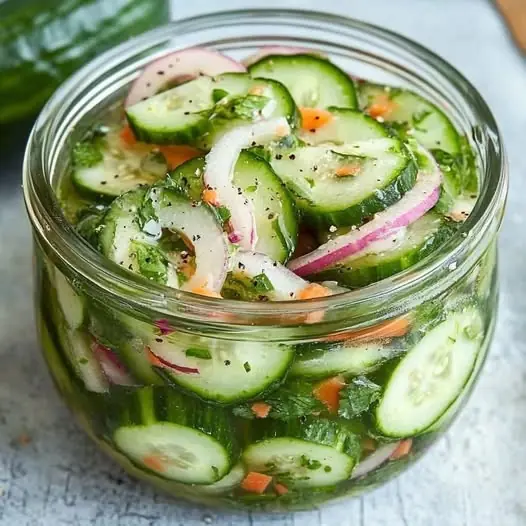
Option B: cucumber slices

The cucumber is over 95% water.

Crackers? Nearly zero.
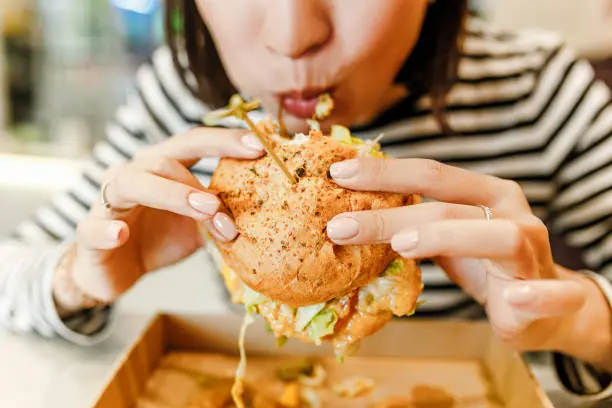
sản phẩm thực phẩm - ultra-processed foods hình ảnh sẵn có, bức ảnh & hình ảnh trả phí bản quyền một lần
Your body must use its own fluid reserves to digest drier foods efficiently.

Over time, diets dominated by low-moisture foods can subtly increase hydration needs.

3. Alcohol

Alcohol suppresses a hormone called vasopressin, which normally helps your body retain water.

When vasopressin drops, the kidneys release more fluid.

That’s why alcohol often leads to increased urination — and why dehydration is a major contributor to hangover symptoms.

Even moderate intake can have noticeable effects if not balanced with water and mineral-rich foods.

4. Very Sugary Foods

High sugar concentrations can temporarily pull water into the digestive tract as the body works to balance blood glucose levels.

This partly explains why extremely sweet desserts sometimes leave you feeling thirstier afterward.

It’s not about avoiding sugar entirely — it’s about awareness of cumulative effects.

Signs Your Diet Might Be Affecting Hydration

You might consider reviewing your food patterns if you frequently notice:
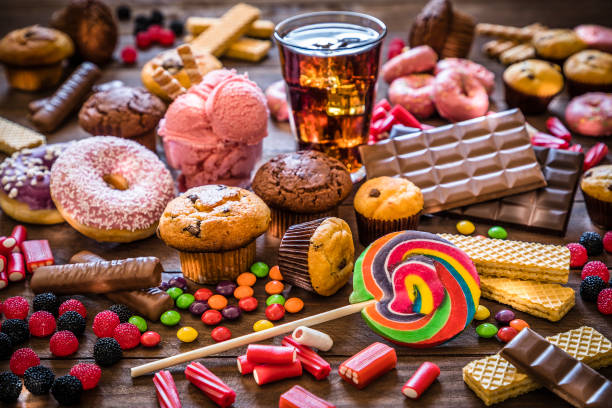
các loại sản phẩm có lượng đường cao - very sugary foods hình ảnh sẵn có, bức ảnh & hình ảnh trả phí bản quyền một lần
thirst that doesn’t fully resolve

afternoon energy crashes

dry mouth

darker urine

feeling “puffy” after meals

Often, small adjustments create noticeable improvements.

Simple Ways to Support Hydration Through Food

You don’t need a drastic diet change. Instead, think in terms of balance.

Increase water-rich foods:

oranges

watermelon

lettuce

zucchini

tomatoes

yogurt

Pair salty meals with potassium-rich options like leafy greens or avocado.

Think “add,” not just “remove.”

For example:

Instead of only cutting back on chips, try adding a side salad or fruit.

Instead of eliminating convenience foods completely, alternate them with whole-food meals.

Sustainable habits always outperform extreme ones.

The Bigger Perspective

Hydration is not a single action — it’s a daily pattern shaped by both what you drink and what you eat.

Sometimes the solution isn’t forcing yourself to drink more water…

…it’s choosing foods that help your body hold onto it more effectively.

Because true hydration doesn’t come from a bottle alone.

It’s built on the quiet synergy between fluids, minerals, and the foods that support your physiology.

And once you see hydration this way, smarter choices tend to follow naturally.

News in the same category

News Post