Health Food 17/02/2026 23:06

Some “Light” Foods Don’t Actually Help You Eat Less — They May Quietly Do the Opposite

Choosing “light” foods often feels like a smart nutritional decision.

The word itself suggests restraint, balance, and control — the idea that you’re helping your body by consuming fewer calories.

But here’s a nuance many people overlook:

Some foods that feel physically light don’t create lasting fullness.
And when fullness is short-lived, your body naturally asks for more.

Not because you lack discipline — but because your biology is doing exactly what it was designed to do.

The Fullness Gap

Fullness is influenced by several physiological signals:

stomach expansion

fiber intake

protein content

chewing time

blood sugar stability
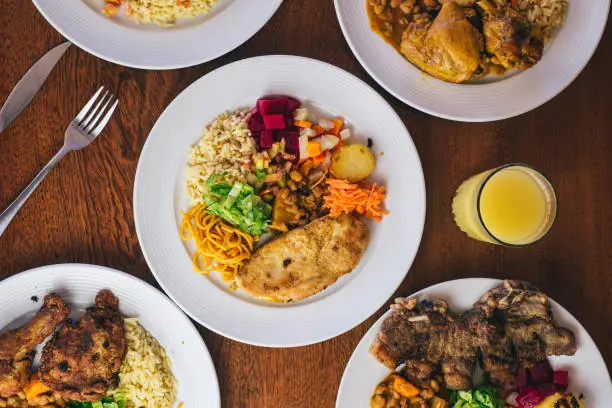
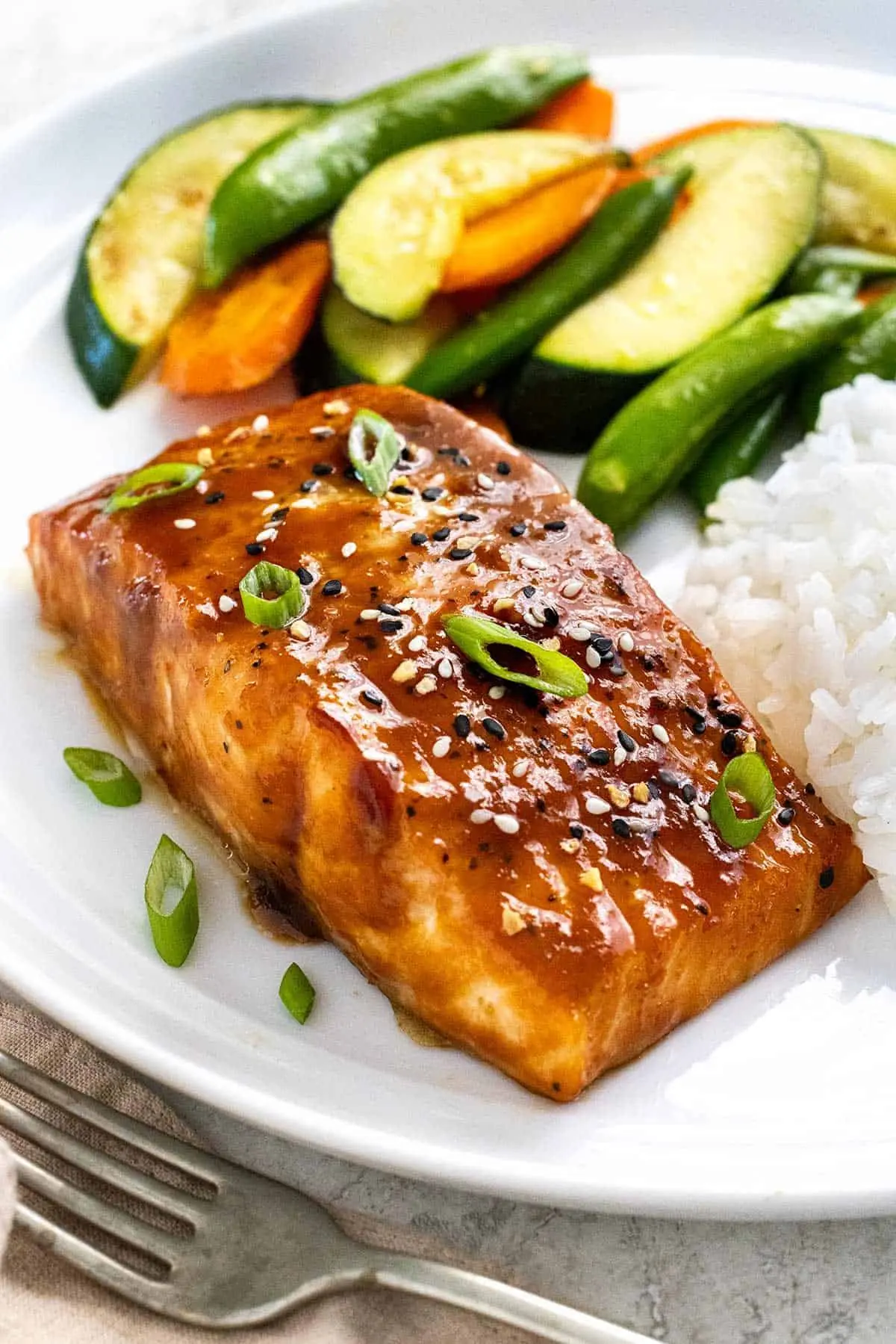
salad cá hồi nướng. - light foods hình ảnh sẵn có, bức ảnh & hình ảnh trả phí bản quyền một lần
Many “light” snack foods score low across these categories.

They digest quickly, pass through the stomach faster, and cause hunger signals to return sooner than expected.

This creates what researchers sometimes describe as a satiety gap — the space between eating and truly feeling satisfied.

Common Examples
Rice Cakes

They’re airy and low in calories, which makes them appealing.

But their structure requires minimal chewing, contains little fiber, and offers limited protein.

You might eat two… then four… and still feel like something is missing.

Low-Fat Packaged Snacks

When fat is reduced, manufacturers often adjust flavor with refined carbohydrates.

The result?

Quick energy — but not necessarily lasting satisfaction.

Sugary Breakfast Cereals

Even lighter varieties can digest rapidly, especially when eaten alone.

By mid-morning, hunger may resurface despite having “already eaten.”

Why Your Brain Keeps Asking for More

Your brain constantly evaluates whether enough nutrients have arrived.
sữa chua lên men trắng với việt quất, quả sung, hạt chia và quả mâm xôi trong bát trên bàn màu xám nhạt - light foods hình ảnh sẵn có, bức ảnh & hình ảnh trả phí bản quyền một lần
If a meal lacks staying power, your internal regulation systems respond appropriately:

👉 hunger hormones rise
👉 attention shifts toward food
👉 cravings may increase

This is not a character flaw.

It’s regulatory biology.

Your body is far less concerned with calorie labels than with survival signals.

A Simple Scenario

Imagine two afternoon snacks:

Option A: a plain rice cake
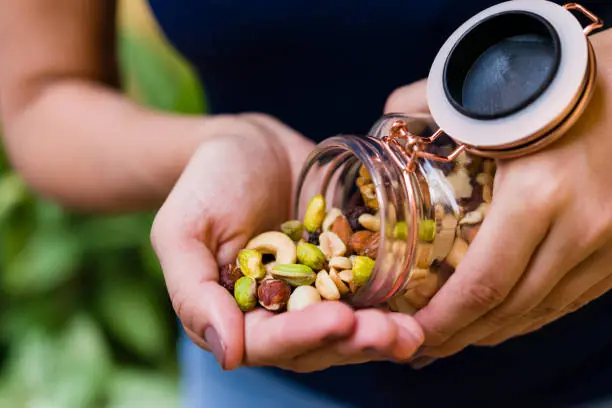
Option B: an apple with a handful of nuts

The calorie difference might not be dramatic — yet the second option combines fiber, natural sweetness, fat, and chewing.

Most people will feel satisfied much longer afterward.

Not heavier — just more nutritionally complete.

The Psychological Layer

There’s another subtle factor at play.

When a food is perceived as “light,” people sometimes grant themselves permission to eat more of it.

This is known in behavioral science as a health halo effect — when one positive attribute leads us to assume the entire food has fewer consequences.

Again, this happens largely outside conscious awareness.

Does This Mean You Should Avoid Light Foods?

Not at all.
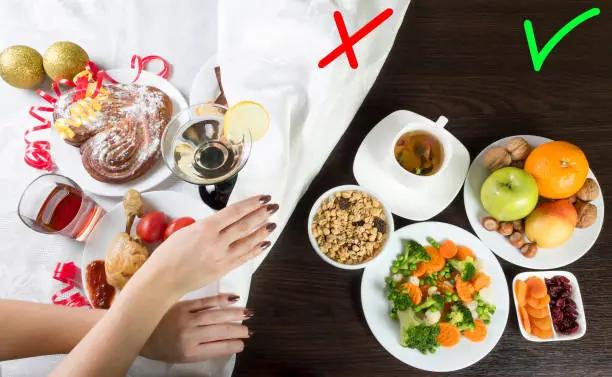
biểu ngữ trái cây và rau quả màu cầu vồng - light foods hình ảnh sẵn có, bức ảnh & hình ảnh trả phí bản quyền một lần
Light foods can absolutely have a place in a balanced diet.

The key is understanding their role.

Instead of expecting them to sustain you alone, consider pairing them strategically.

For example:

rice cakes + peanut butter

low-fat yogurt + seeds

cereal + Greek yogurt

crackers + hummus

Adding protein, fiber, or healthy fats often transforms a fleeting snack into a steady one.

Think in Terms of Satisfaction, Not Just Calories

One of the most sustainable shifts you can make is asking a slightly different question.

Instead of:

"How few calories can I eat?"

Try asking:

"Will this keep me comfortably satisfied?"

Because when satisfaction is present, overeating becomes less likely — without the need for strict control.

The Bigger Takeaway

Eating well isn’t about choosing the smallest or lightest option on the menu.

It’s about creating meals that your body recognizes as sufficient.

Sometimes the choice that appears lighter ends up leading to more eating later…

…while the slightly more substantial option brings calm to your appetite.

And in the long run, calm physiology tends to support more stable habits than constant negotiation with hunger.

News in the same category

News Post