Health Food 17/02/2026 23:19

“I Deserve This” Eating Often Happens Automatically — Not Because You Lack Discipline

You finish a challenging workout.

Or complete a stressful project.

Or simply make it through a long day.

A thought appears almost instantly:

"I deserve something good."

Soon after, food enters the picture.
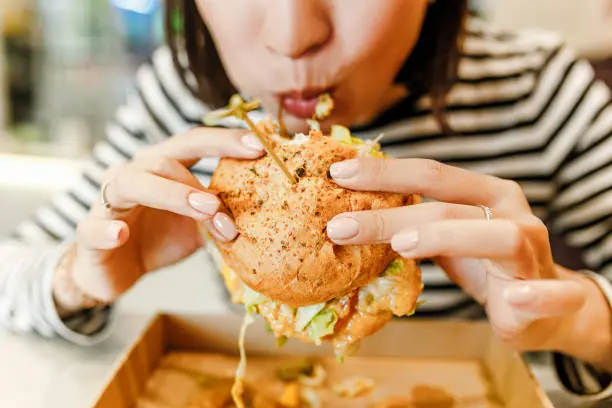
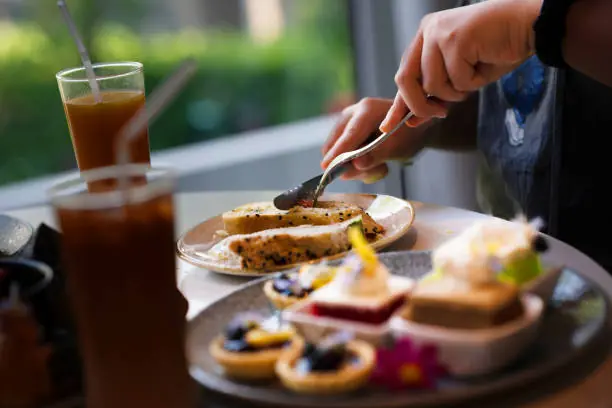
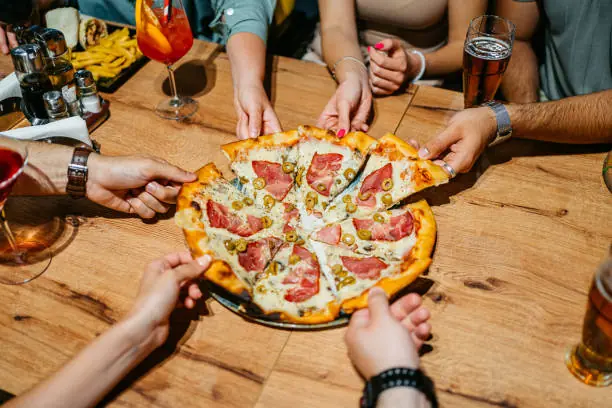
cô gái ăn brunch - “i deserve this” eating hình ảnh sẵn có, bức ảnh & hình ảnh trả phí bản quyền một lần
This pattern is so widespread that it feels natural — almost instinctive.

And in many ways, it is.

Because the human brain is deeply wired to seek reward after effort.

The Brain Loves Closure

Effort creates psychological tension.

Rewards help resolve it.

Neuroscience shows that pleasurable experiences trigger dopamine activity — reinforcing behaviors and encouraging repetition.

Food is particularly effective because it delivers both biological and emotional satisfaction.

Sweetness, richness, warmth — these signals communicate safety and replenishment.

Your brain remembers that.

When Reward Becomes Automatic

Occasional celebratory meals are part of a joyful life.

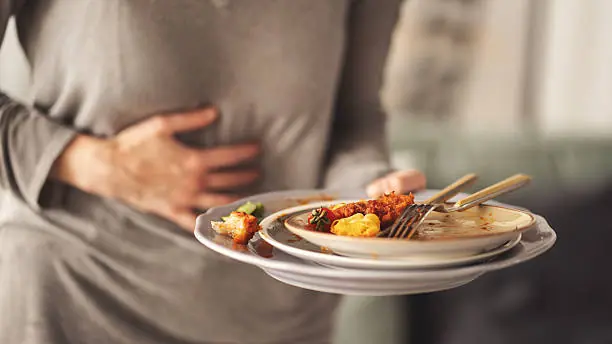
The nuance appears when food becomes the default response to any form of strain:

stress

boredom

emotional fatigue

even productivity

Over time, the brain begins linking relief with eating — sometimes before hunger is even present.

This is not weakness.
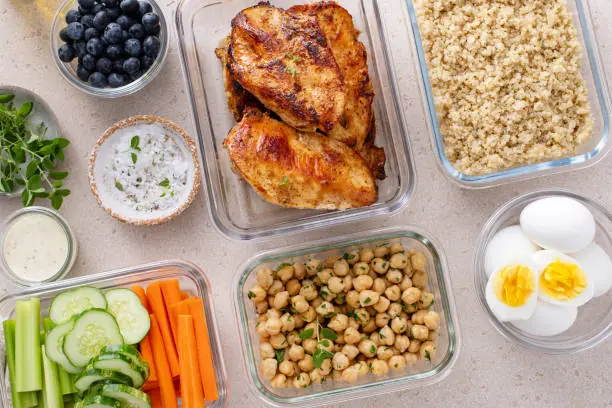
top view người đàn ông và phụ nữ châu á ăn salad lành mạnh sau khi tập thể dục tại phòng tập thể dục. - eating after gym hình ảnh sẵn có, bức ảnh & hình ảnh trả phí bản quyền một lần
It is associative learning.

And the brain learns quickly.

Hunger vs. Emotional Relief

A helpful question to explore occasionally:

“Am I physically hungry — or mentally ready for comfort?”

Both experiences are valid.

But they benefit from different responses.

Physical hunger asks for nourishment.

Emotional depletion may ask for rest, connection, movement, or simply a pause.

When the distinction becomes clearer, choice expands.

The Hidden Paradox

Interestingly, using food as the primary reward can sometimes dilute the very pleasure it is meant to provide.

When rewards are constant, they feel less special.

When they are intentional, enjoyment often deepens.

Savoring tends to outperform autopilot.

Expanding Your Reward Menu

One gentle strategy is not removing food rewards — but broadening what “reward” can mean.

Consider alternatives such as:

👉 stepping outside for fresh air
👉 calling someone you enjoy
👉 taking an uninterrupted break
👉 engaging in a favorite hobby
👉 allowing genuine rest
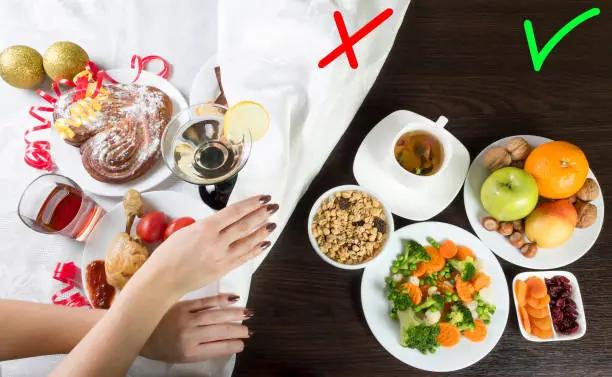
chọn - eating after gym hình ảnh sẵn có, bức ảnh & hình ảnh trả phí bản quyền một lần
These experiences regulate the nervous system without always relying on consumption.

And many can coexist with a balanced relationship with food.

Permission Still Matters

Importantly, this is not about denying yourself enjoyable foods.

Rigid restriction often amplifies desire.

Instead, the aim is awareness.

Enjoy treats deliberately — not reflexively.

When choice replaces autopilot, satisfaction often increases while excess naturally softens.

The Bigger Perspective

If you’ve ever found yourself reaching for food after effort, it does not mean your discipline disappeared.

More often, it means your brain was doing what brains have always done:

Seeking resolution.
Seeking pleasure.
Seeking balance.

Understanding that pattern creates space for flexibility — the hallmark of sustainable wellbeing.

Because supporting your health is rarely about removing rewards from your life…

…but about choosing them with enough awareness that they truly feel rewarding.

News in the same category

News Post