Health Food 17/02/2026 23:04

500 Calories Can Look Completely Different on a Plate — And Your Brain Knows It

When people think about nutrition, calories often dominate the conversation.

Eat fewer calories.
Burn more calories.
Stay within your calorie target.

While energy balance does matter, focusing on calories alone overlooks a powerful biological driver of appetite:

Food volume.

In simple terms — how much physical space your food occupies.

Because your stomach and brain don’t measure calories directly.

They respond largely to stretch, weight, fiber, and chewing.

Which means two meals with identical calories can produce completely different levels of fullness.

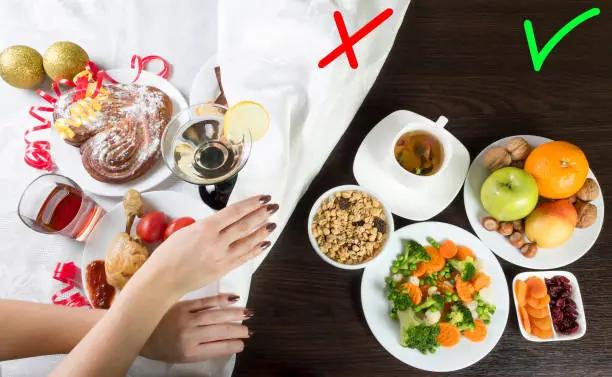
A Simple Comparison

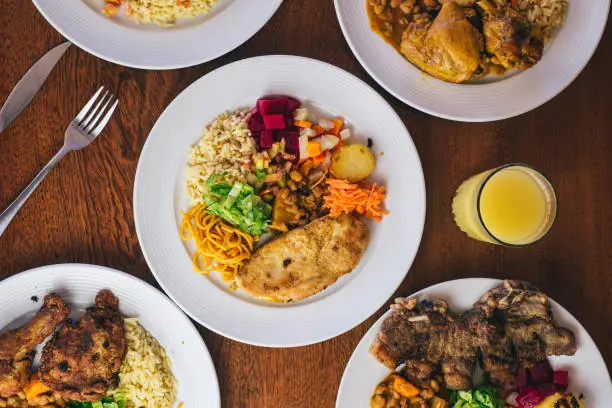
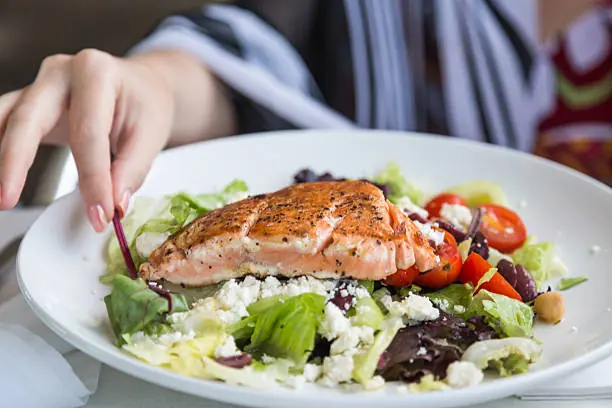
Imagine two lunches, each around 500 calories.

Meal A:

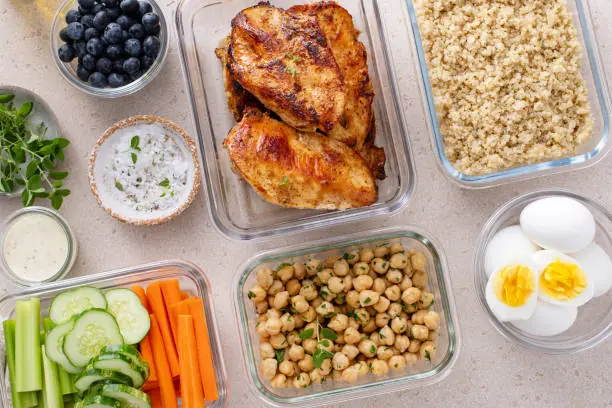
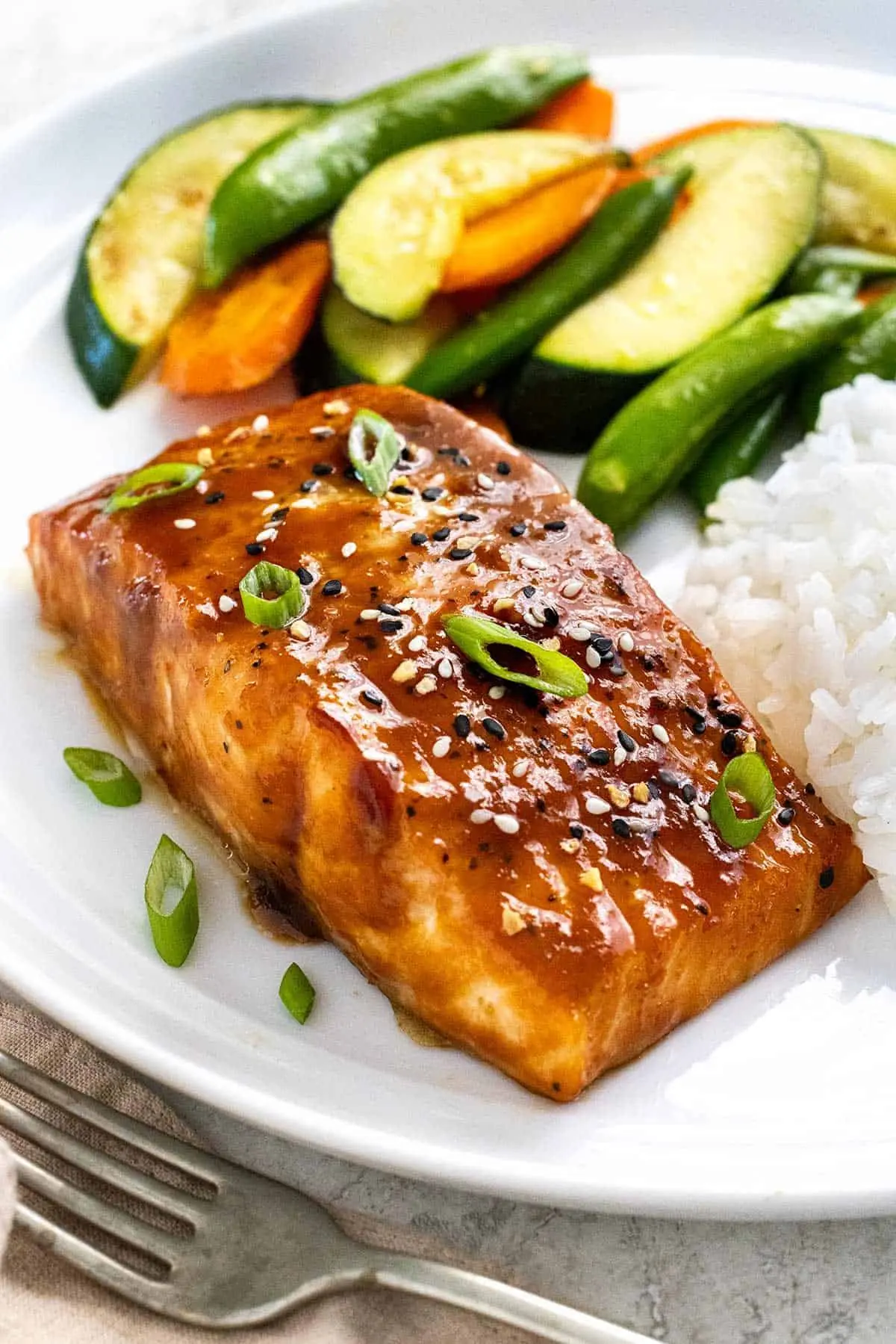
grilled chicken

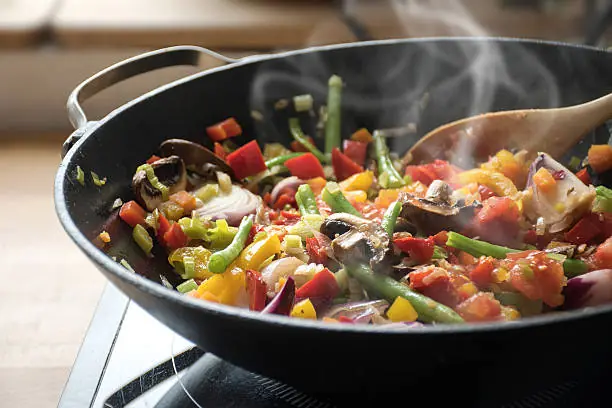
roasted vegetables

quinoa

mixed greens

Large plate. Lots of texture. High fiber. Plenty of chewing.

Meal B:

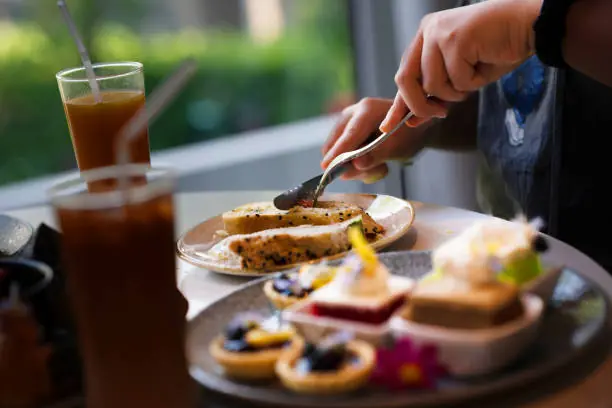
glazed pastry

sweetened coffee

Smaller footprint. Soft texture. Minimal chewing.

Calorie-wise, they’re similar.

Physiologically? Very different experiences.
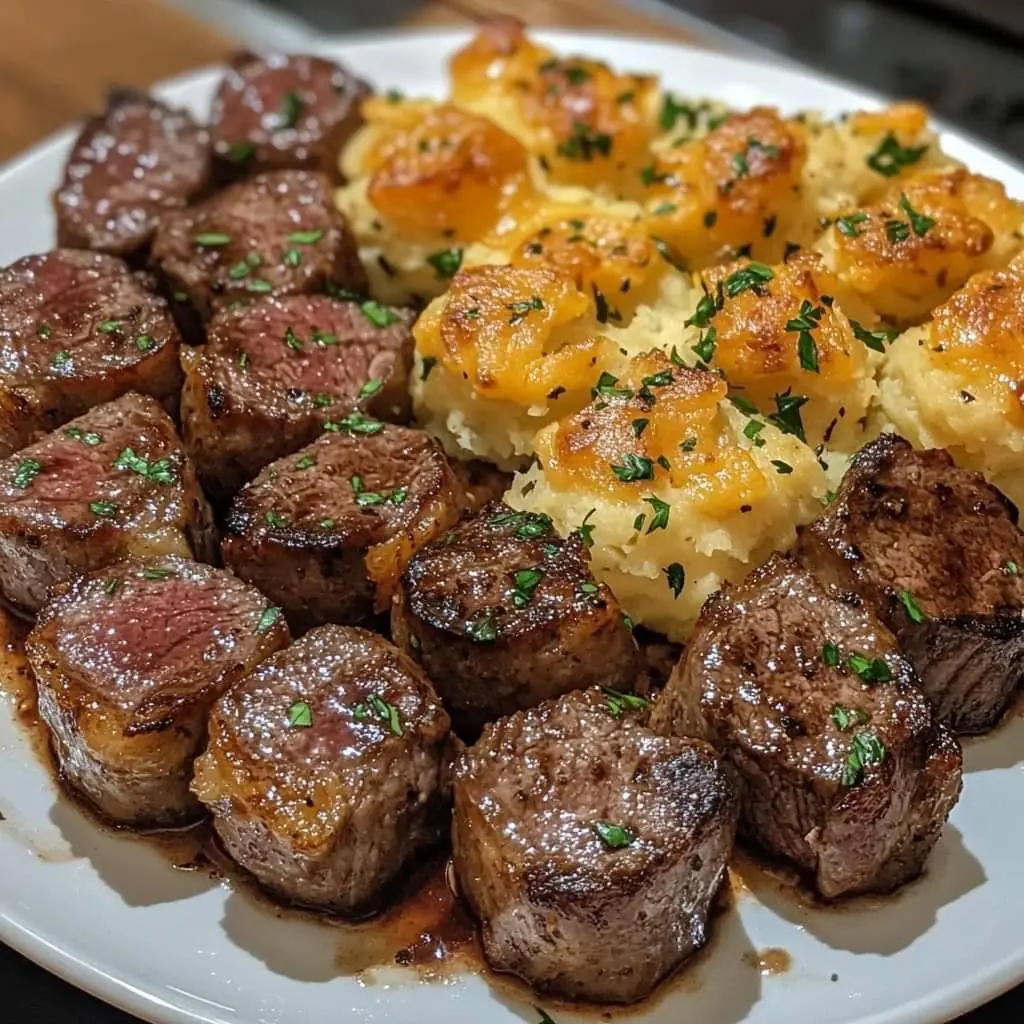
đĩa sashimi với cá ngừ mắt to, cá đuôi vàng và tôm - 500 calories on plate hình ảnh sẵn có, bức ảnh & hình ảnh trả phí bản quyền một lần
Most people will feel satisfied far longer after Meal A.

Why Volume Matters

Several biological mechanisms explain this effect.

1. Stomach Stretch Receptors

Your stomach contains sensors that detect expansion. When activated, they send signals to the brain that contribute to fullness.

Foods with higher volume — especially those rich in water and fiber — activate these receptors more effectively.

2. Fiber Slows Digestion

Fiber adds bulk and delays gastric emptying, helping you stay full longer without increasing calories dramatically.

3. Chewing Enhances Satiety Signals

The act of chewing isn’t trivial. Longer eating durations give your brain more time to register incoming nutrients.

Soft, fast foods often bypass this process.

Energy Density: The Hidden Variable
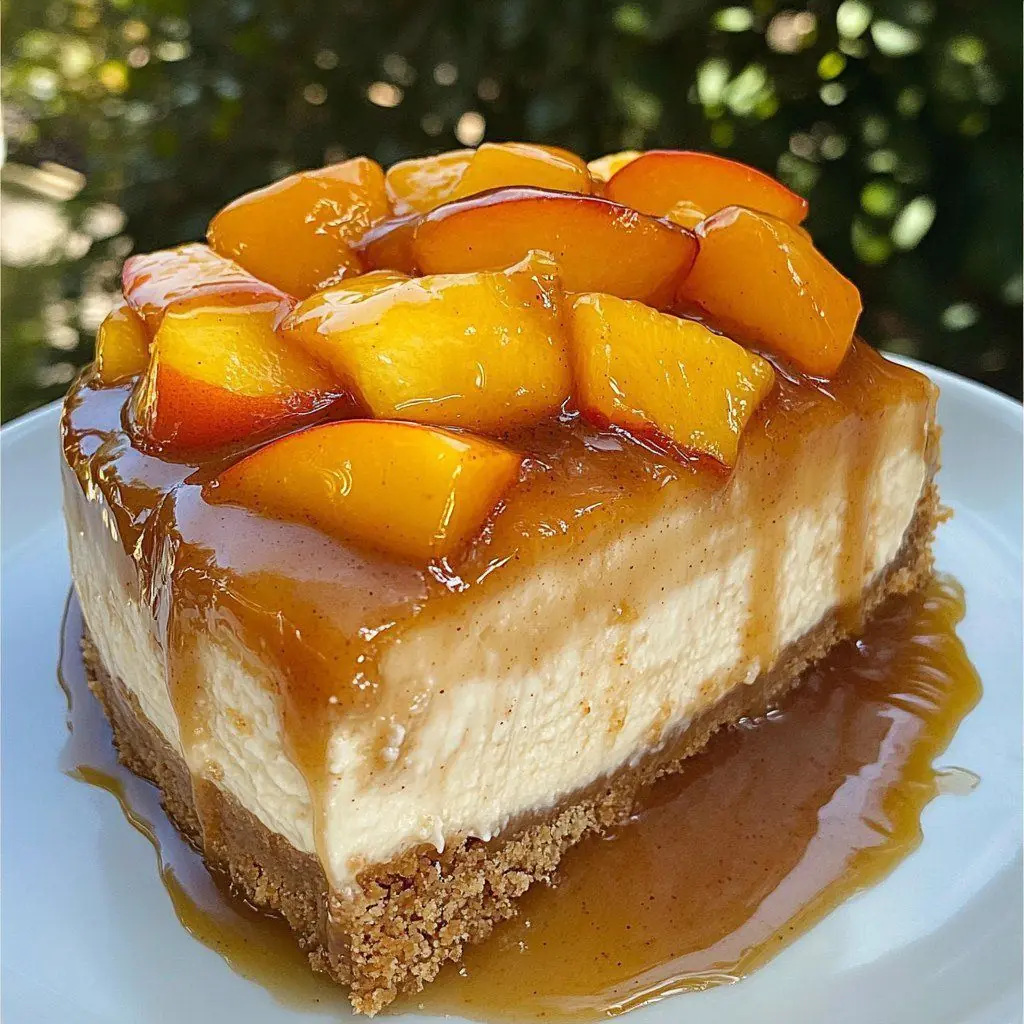
lát bánh táo, ảnh kỹ thuật số làm nền - 500 calories on plate hình ảnh sẵn có, bức ảnh & hình ảnh trả phí bản quyền một lần
Energy density refers to how many calories a food contains relative to its weight.

Low energy density:

vegetables

fruits

broth-based soups

potatoes

Higher energy density:

pastries

fried foods

chocolate

many packaged snacks

This doesn’t make higher-density foods “bad.” They’re simply easier to overconsume before fullness kicks in.

Awareness is the key.

A Visual Example

Consider this:

About 500 calories could be:

a large bowl of vegetable soup + bread
OR

a small handful of candy

One fills the stomach.

The other disappears in minutes.
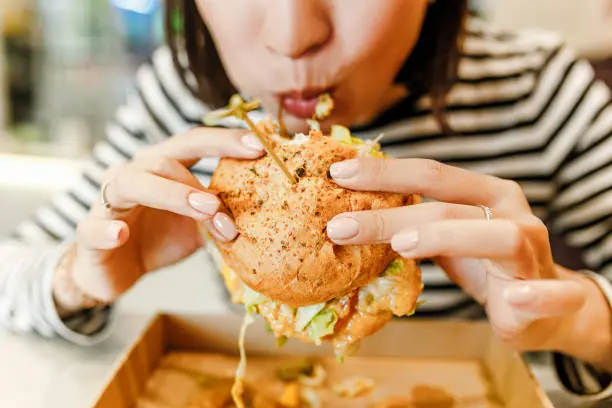
hình ảnh cận cảnh bàn tay nam giới ăn từ đĩa khoai tây chiên với thịt bê và salad - 500 calories on plate hình ảnh sẵn có, bức ảnh & hình ảnh trả phí bản quyền một lần
Your biology reacts accordingly.

A Common Modern Trap

Many ultra-processed foods are engineered to be:

compact

highly palatable

easy to chew

quick to eat

In other words — low volume, high reward.

This combination can quietly encourage higher intake without you realizing it.

It’s not a failure of discipline.

It’s physiology interacting with food design.

Practical Ways to Use This Insight

You don’t need to calculate volume precisely.

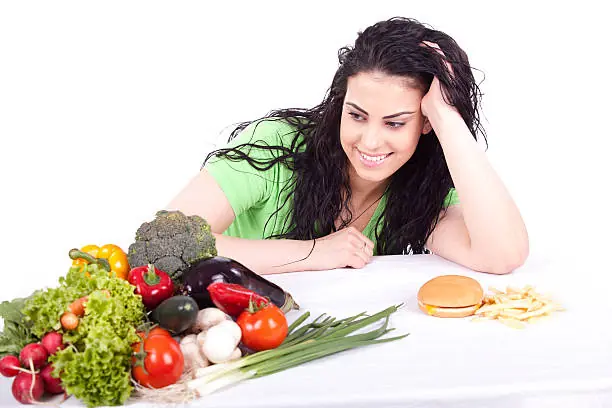
Just shift your plate composition slightly.

Try:

👉 filling half your plate with vegetables
👉 adding protein for satiety
👉 including fiber-rich carbs
👉 starting meals with a salad or broth soup

Even small changes can naturally regulate appetite.

Not through restriction — but through smarter structure.

The Takeaway Most People Miss

Hunger is not just about willpower.

It is heavily influenced by how your meals are built.

When meals feel physically substantial, your body tends to cooperate.

When they don’t, you may find yourself searching the kitchen sooner than expected.

So the next time you think about calories…

remember that your brain doesn’t just ask:

"How much energy is this?"

It also asks:

"Does this feel like enough?"

And often, that feeling makes all the difference.

News in the same category

News Post