Health Food 18/02/2026 23:04
Why Repeating the Same Meals Can Actually Make Healthy Eating Easier
Variety is often celebrated as the cornerstone of good nutrition.
And nutritionally speaking, diversity does matter.
But when it comes to behavior, there is a lesser-discussed truth:
Too many choices can quietly create friction.
And friction is one of the greatest obstacles to consistency.
Every Decision Costs Energy
From the moment you wake up, your brain begins making decisions.
What to wear.
Which messages to answer.
How to structure the day.
By the time food enters the picture, your mental reserves may already be partially depleted.

When eating requires constant planning, comparing, and evaluating, it becomes cognitively expensive.
Not difficult — just tiring.
Repetition reduces that cost.
The Power of Predictability
Many high performers — athletes, executives, even researchers — rely on repeat meals during busy periods.
Not because they lack creativity.
Because structure protects bandwidth.
When a meal is familiar:
you know it satisfies you
you trust its balance
you don’t have to deliberate
The decision is already made.
And decisions already made are easier to follow.

Appetite Likes Rhythm
The body is deeply responsive to patterns.
Regular sleep times stabilize circadian rhythms.
Consistent movement supports recovery.
Eating patterns behave similarly.
When meals arrive predictably, hunger signals often become more orderly.
You feel hungry at expected times.
You feel satisfied afterward.
The internal conversation quiets.
Variety Still Has a Place
Repetition is not an argument for nutritional monotony.
Think of it instead as creating a reliable baseline — a few meals you can return to without effort.
Around that baseline, variety can naturally rotate.
For example:
two or three dependable breakfasts
several go-to lunches
flexible dinners
Structure where it helps. Flexibility where it matters.
Reducing the “What Should I Eat?” Fatigue

One of the most underestimated sources of dietary stress is the constant question:
"What should I eat?"
When this question appears multiple times a day, it drains attention.
Reliable meals remove that question entirely.
And when friction drops, healthier choices often become automatic rather than aspirational.
Comfort Supports Consistency
There is also psychological ease in familiarity.
Knowing a meal will leave you energized — not overly full, not still searching — builds trust with your body.
Trust reduces impulsive detours.
Not through discipline…
through predictability.
A Gentle Way to Start
You don’t need a rigid plan.
Simply notice which meals already support you well.
Then allow them to repeat.
Consistency is rarely built on novelty.
More often, it is built on quiet reliability.
The Bigger Perspective
Healthy eating is not only about nutrients.
It is about sustainability.
And sustainability thrives where effort is reasonable.
Sometimes the smartest strategy is not endlessly reinventing your meals…
…but creating a few dependable ones that make the path forward feel smooth.
Because when eating well becomes easier, it also becomes more likely to last.
And nutritionally speaking, diversity does matter.
But when it comes to behavior, there is a lesser-discussed truth:
Too many choices can quietly create friction.
And friction is one of the greatest obstacles to consistency.
Every Decision Costs Energy
From the moment you wake up, your brain begins making decisions.
What to wear.
Which messages to answer.
How to structure the day.
By the time food enters the picture, your mental reserves may already be partially depleted.
When eating requires constant planning, comparing, and evaluating, it becomes cognitively expensive.
Not difficult — just tiring.
Repetition reduces that cost.
The Power of Predictability
Many high performers — athletes, executives, even researchers — rely on repeat meals during busy periods.
Not because they lack creativity.
Because structure protects bandwidth.
When a meal is familiar:
you know it satisfies you
you trust its balance
you don’t have to deliberate
The decision is already made.
And decisions already made are easier to follow.
Appetite Likes Rhythm
The body is deeply responsive to patterns.
Regular sleep times stabilize circadian rhythms.
Consistent movement supports recovery.
Eating patterns behave similarly.
When meals arrive predictably, hunger signals often become more orderly.
You feel hungry at expected times.
You feel satisfied afterward.
The internal conversation quiets.
Variety Still Has a Place
Repetition is not an argument for nutritional monotony.
Think of it instead as creating a reliable baseline — a few meals you can return to without effort.
Around that baseline, variety can naturally rotate.
For example:
two or three dependable breakfasts
several go-to lunches
flexible dinners
Structure where it helps. Flexibility where it matters.
Reducing the “What Should I Eat?” Fatigue
One of the most underestimated sources of dietary stress is the constant question:
"What should I eat?"
When this question appears multiple times a day, it drains attention.
Reliable meals remove that question entirely.
And when friction drops, healthier choices often become automatic rather than aspirational.
Comfort Supports Consistency
There is also psychological ease in familiarity.
Knowing a meal will leave you energized — not overly full, not still searching — builds trust with your body.
Trust reduces impulsive detours.
Not through discipline…
through predictability.
A Gentle Way to Start
You don’t need a rigid plan.
Simply notice which meals already support you well.
Then allow them to repeat.
Consistency is rarely built on novelty.
More often, it is built on quiet reliability.
The Bigger Perspective
Healthy eating is not only about nutrients.
It is about sustainability.
And sustainability thrives where effort is reasonable.
Sometimes the smartest strategy is not endlessly reinventing your meals…
…but creating a few dependable ones that make the path forward feel smooth.
Because when eating well becomes easier, it also becomes more likely to last.
News in the same category

You Don’t Just Eat Food — You Eat Your Environment Too
The Texture of Your Food May Influence How Much You Eat — Without You Realizing It
When “Saving Calories” Earlier in the Day Quietly Backfires

Why Warm Meals Often Feel More Satisfying — Even When Calories Are the Same
Your Food Preferences Aren’t Fixed — They’re More Trainable Than You Think

The First Few Bites Deliver the Most Pleasure — And Your Brain Knows It

Ever Notice How Restaurant Meals Feel Easier to Keep Eating — Even When You’re Already Full?

A Single Night of Poor Sleep Can Quietly Change How Hungry You Feel the Next Day

“I Deserve This” Eating Often Happens Automatically — Not Because You Lack Discipline

The More Decisions You Make, The Harder Healthy Eating Can Become
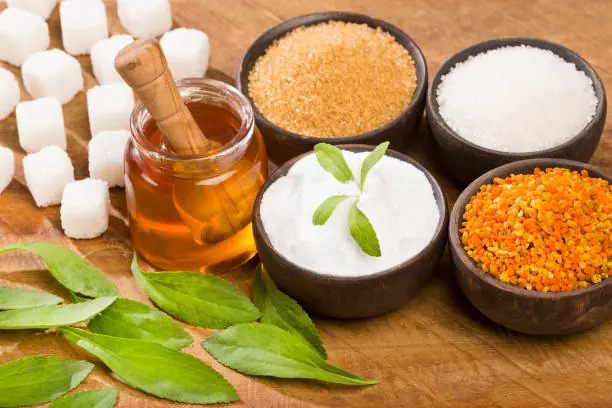
“Natural Sugar” Is Still Sugar — But Context Changes Everything

Your Eating Speed Has Changed — But Your Biology Hasn’t
Ever Wonder Why Stopping at Just One Bite Feels Hard with Certain Foods?
Eating All Day Without Breaks May Be Confusing Your Body’s Natural Hunger Signals
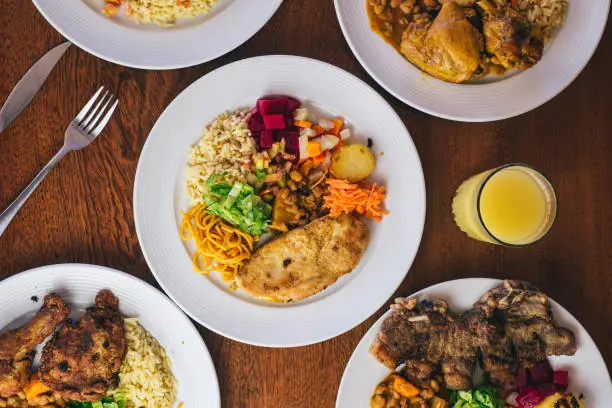
The Color of Your Plate Might Reveal More About Your Nutrition Than You Realize
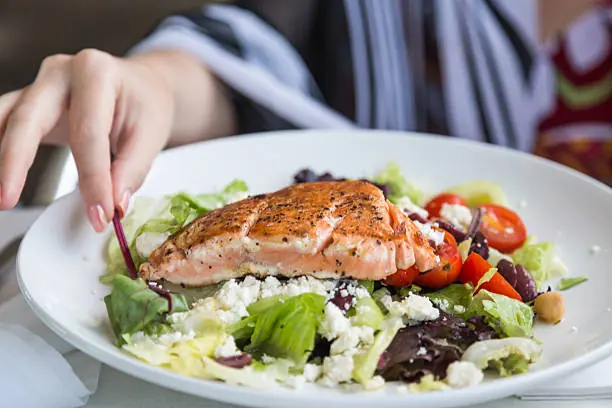
Some “Light” Foods Don’t Actually Help You Eat Less — They May Quietly Do the Opposite
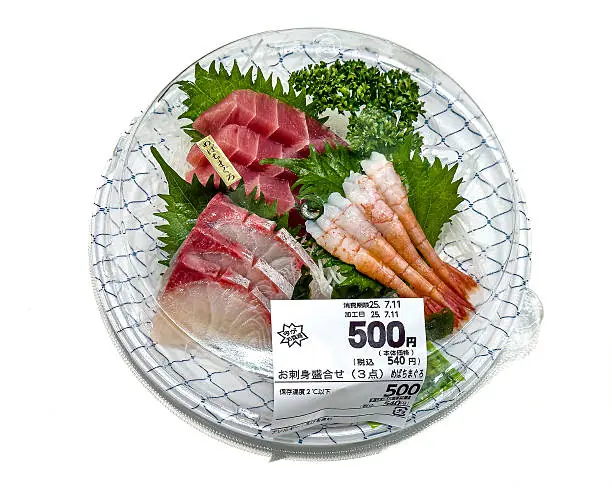
500 Calories Can Look Completely Different on a Plate — And Your Brain Knows It

You Might Be Drinking Enough Water — But Some Foods Could Still Be Dehydrating You
News Post
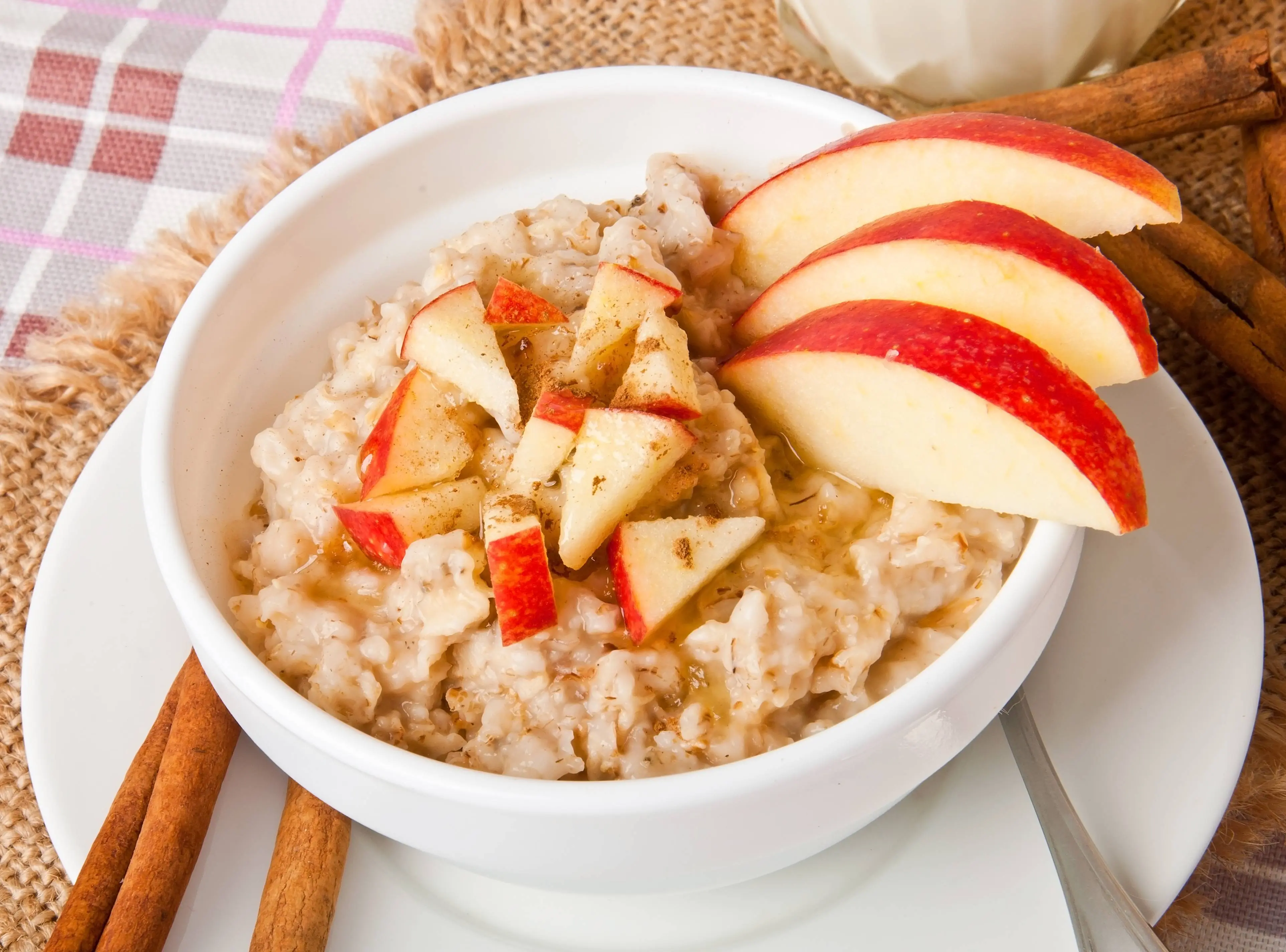
Oats and Apples: The No-Sugar, No-Flour Recipe That’s Winning Over Health-Conscious Kitchens
Healthy eating starts with smart, simple choices.
Food 19/02/2026 01:45
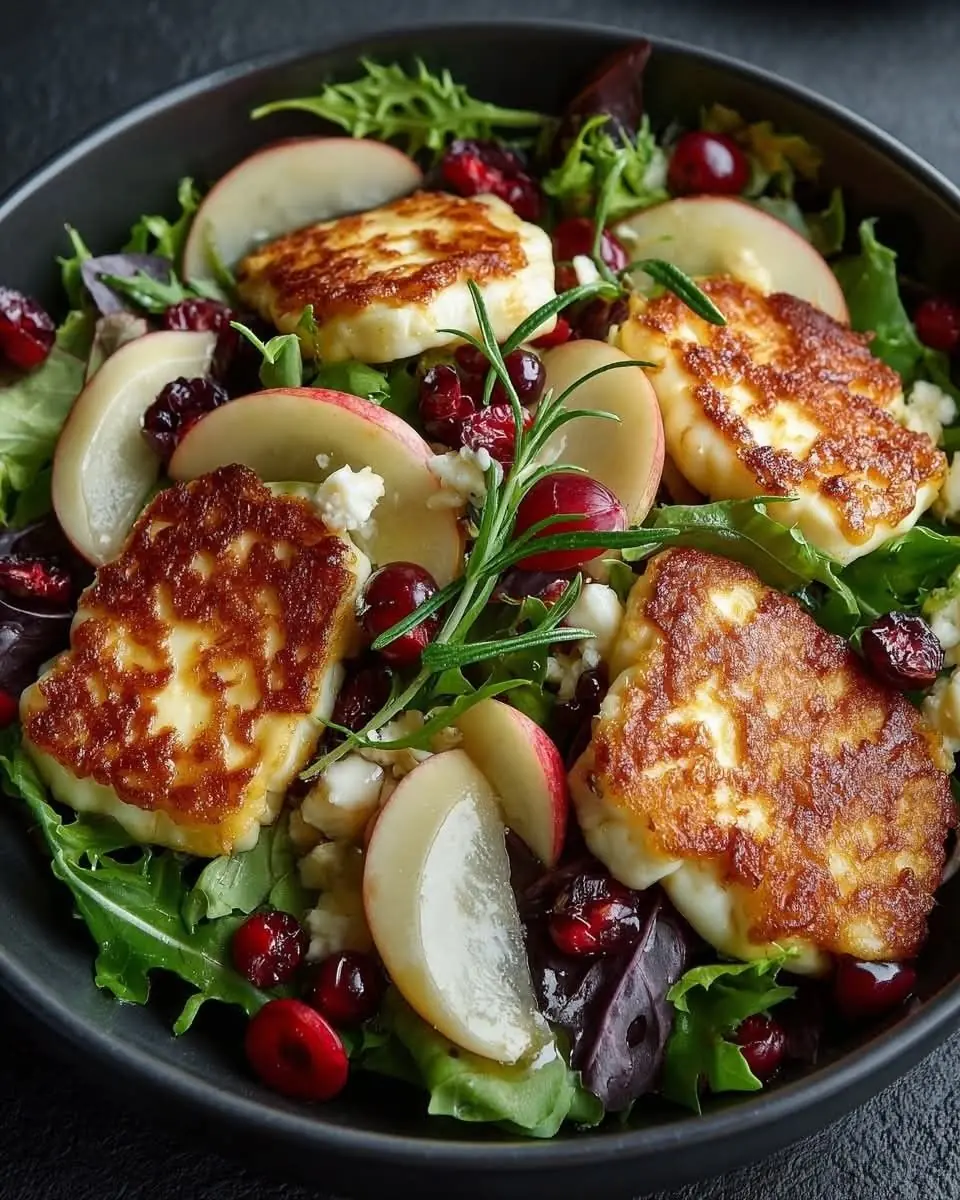
Halloumi Apple Salad with Cranberries
Food 18/02/2026 23:53
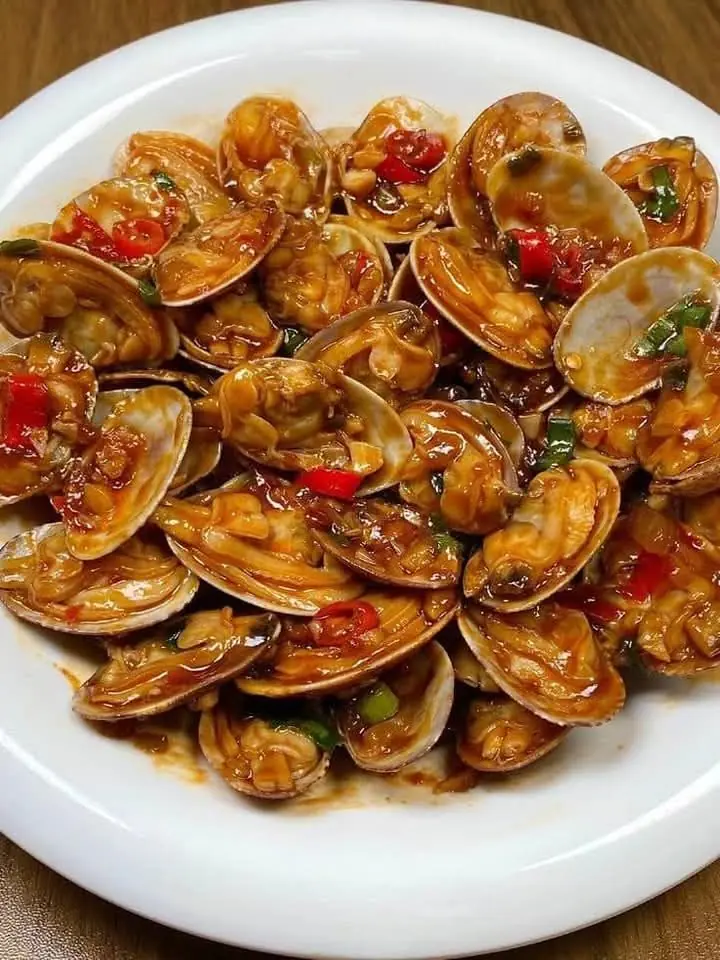
Spicy Garlic Stir-Fried Clams
Food 18/02/2026 23:34
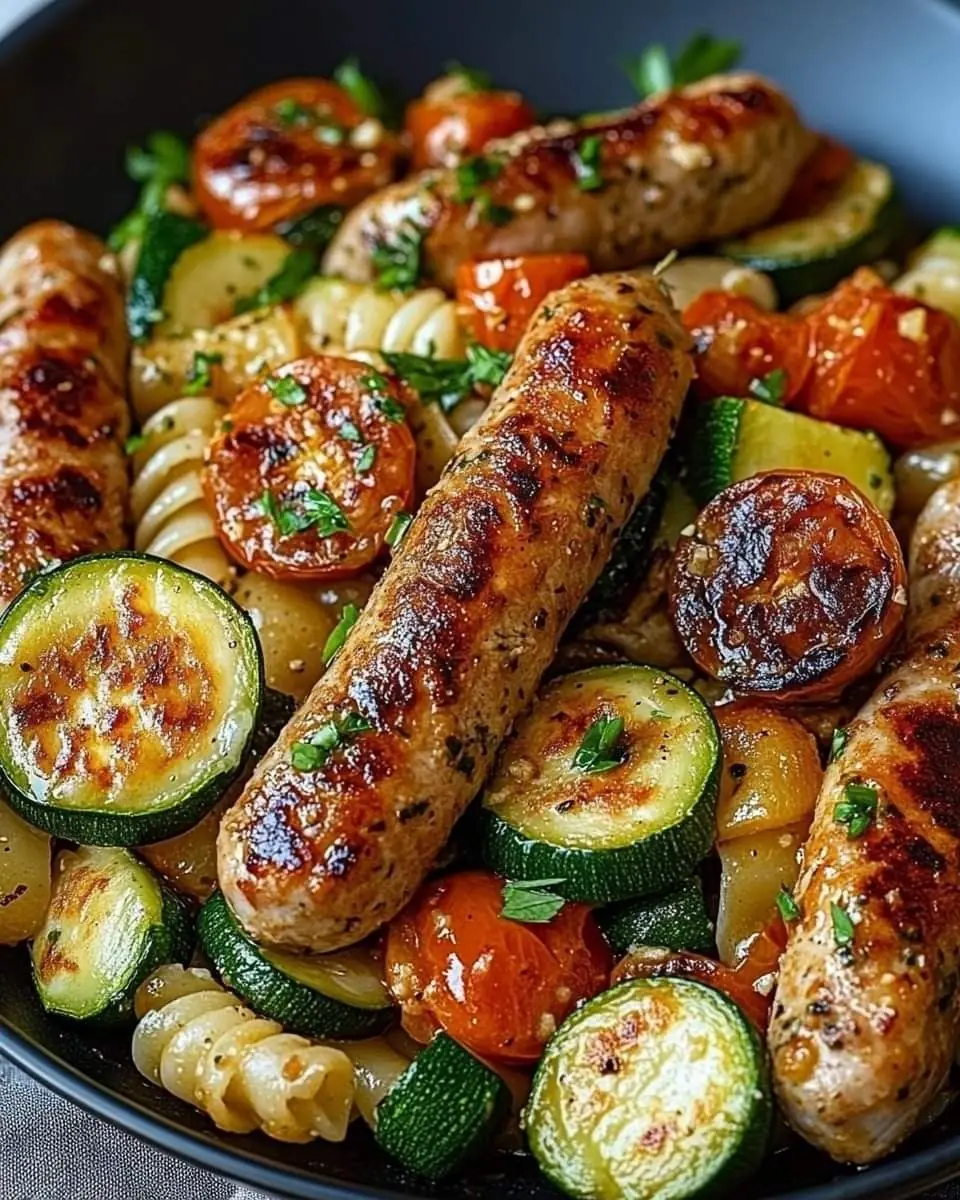
Grilled Sausage with Roasted Vegetables & Pasta
Food 18/02/2026 23:20
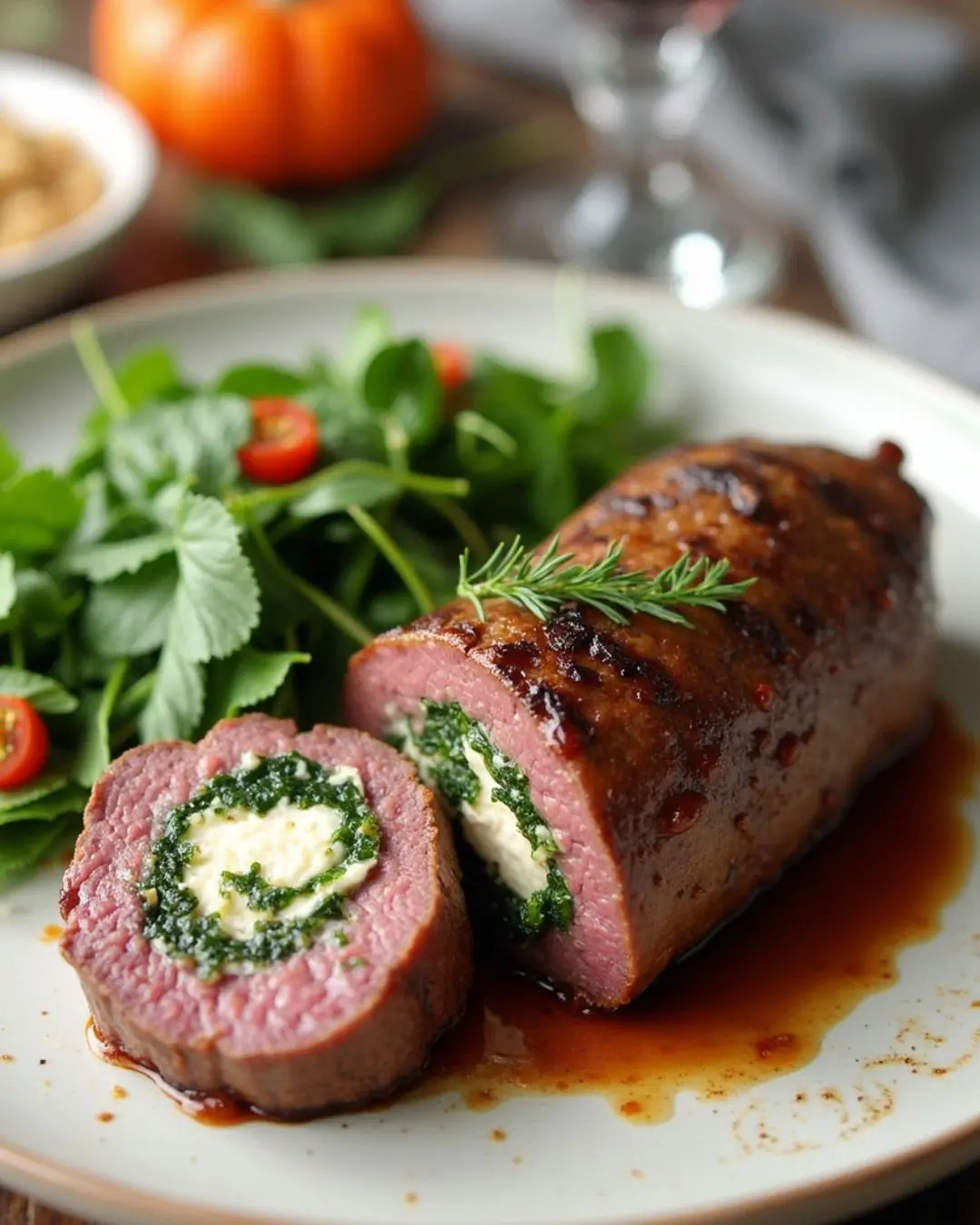
Spinach & Cheese Stuffed Beef Tenderloin 🥩🧀🌿
Food 18/02/2026 23:08
Satisfaction Might Be the Most Overlooked Nutrient
Health Food 18/02/2026 23:07
You Don’t Just Eat Food — You Eat Your Environment Too
Health Food 18/02/2026 23:05
The Texture of Your Food May Influence How Much You Eat — Without You Realizing It
Health Food 18/02/2026 23:02
When “Saving Calories” Earlier in the Day Quietly Backfires
Health Food 18/02/2026 23:01
Why Warm Meals Often Feel More Satisfying — Even When Calories Are the Same
Health Food 18/02/2026 22:59
Your Food Preferences Aren’t Fixed — They’re More Trainable Than You Think
Health Food 18/02/2026 22:58
The First Few Bites Deliver the Most Pleasure — And Your Brain Knows It
Health Food 18/02/2026 22:56
Ever Notice How Restaurant Meals Feel Easier to Keep Eating — Even When You’re Already Full?
Health Food 18/02/2026 22:54
A Single Night of Poor Sleep Can Quietly Change How Hungry You Feel the Next Day
Health Food 18/02/2026 22:53
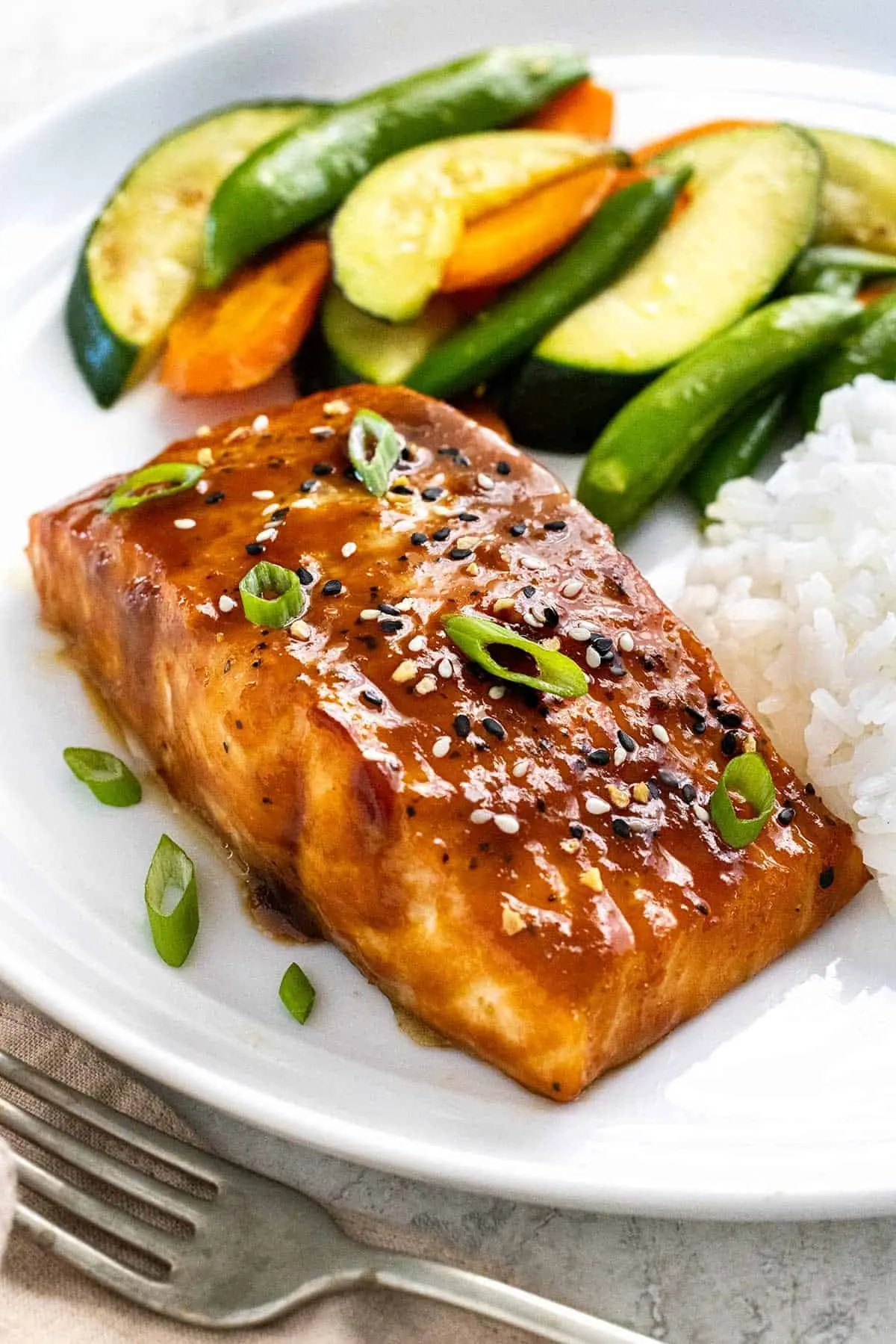
Honey Garlic Glazed Salmon with Steamed Rice & Sautéed Greens
Honey Garlic Glazed Salmon with Steamed Rice & Sautéed Greens
Food 18/02/2026 21:55
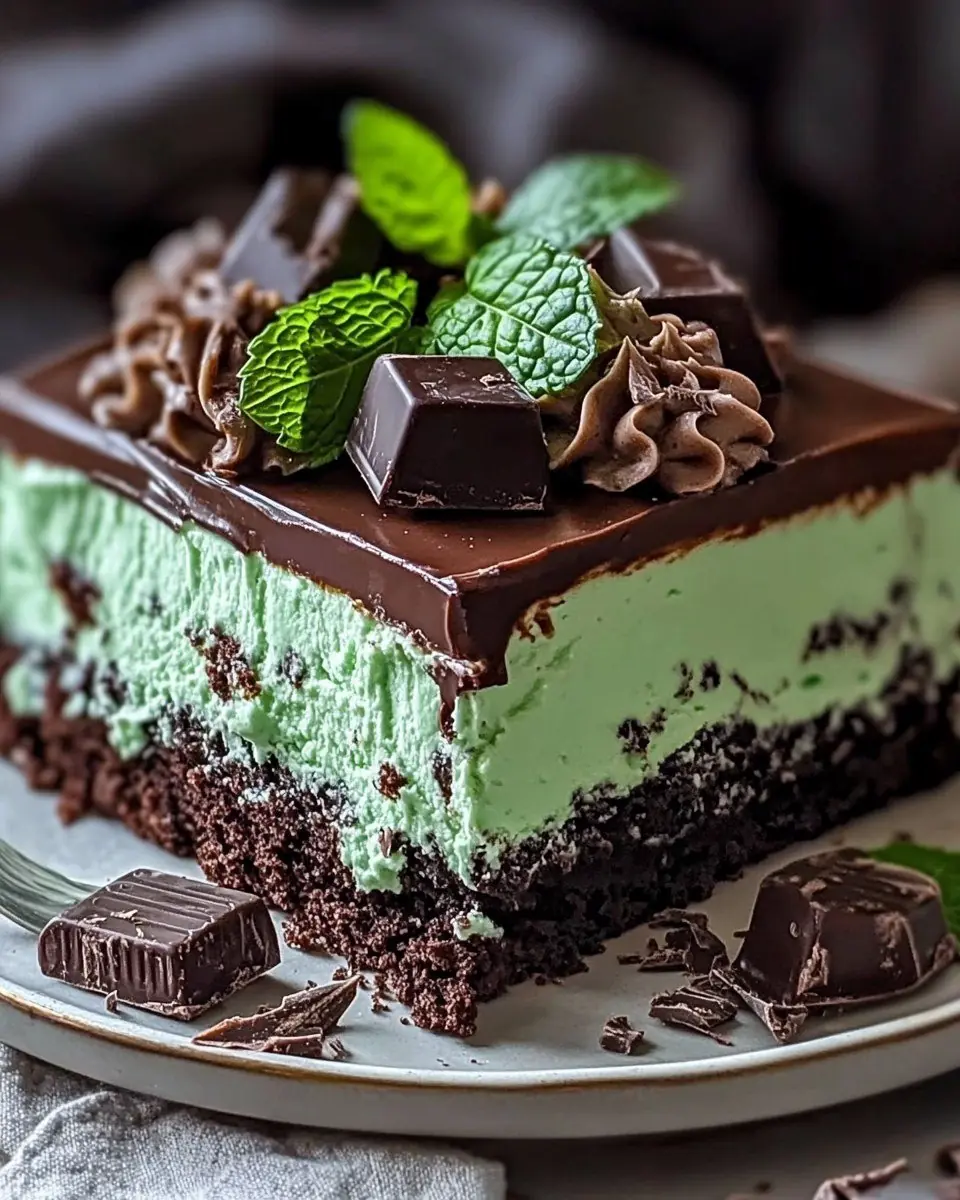
Chocolate Mint Dream Bars – A Decadent Layered Dessert You’ll Crave Again and Again
Chocolate Mint Dream Bars – A Decadent Layered Dessert You’ll Crave Again and Again
Food 18/02/2026 21:52

Cherry Pineapple Pie
Cherry Pineapple Pie
Food 18/02/2026 13:17
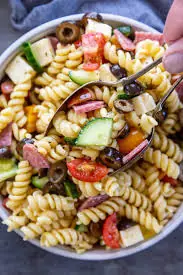
Easy Pasta Salad
Easy Pasta Salad
Food 18/02/2026 13:03
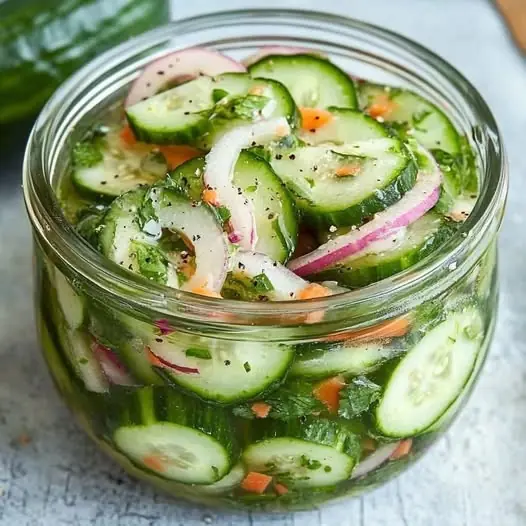
Fresh Pickled Cucumber Salad: A Crisp, Tangy Favorite That Only Gets Better With Time
When it comes to simple yet satisfying side dishes, few recipes can match the refreshing appeal of fresh pickled cucumber salad. Light, crunchy, and packed with bold tangy flavor, this easy-to-make dish has become a beloved staple in many kitchens. Not on
Food 18/02/2026 02:45