Health Food 18/02/2026 22:59
Why Warm Meals Often Feel More Satisfying — Even When Calories Are the Same
Have you ever noticed that a warm meal can feel unexpectedly comforting?
A bowl of soup.
Freshly cooked rice.
Roasted vegetables.
Oatmeal on a cool morning.
Now compare that to eating something cold or straight from the package.
Even when calories are similar, the experience often feels very different.
You may not just feel physically fuller — but psychologically more nourished.
This is not imagination.
Temperature quietly shapes the way your brain interprets a meal.
Warmth Signals Safety to the Brain

Humans are deeply sensory beings. Beyond taste alone, your brain continuously interprets cues from temperature, texture, aroma, and even sound.
Warm food activates multiple sensory pathways at once:
steam carries aroma upward
heat intensifies flavor perception
textures soften
eating pace often slows
Together, these signals create a richer experience.
From an evolutionary perspective, warmth has long been associated with safety — cooked food historically meant easier digestion and lower risk.
Your brain still recognizes that signal today.
Not consciously.
But biologically.
Slower Eating, Stronger Satiety
Warm meals naturally encourage a gentler eating rhythm.
You pause between bites to avoid burning your mouth.
You blow on a spoonful.
You wait just a moment longer.
That slight deceleration matters more than it seems.
When eating slows:
👉 satiety hormones have time to rise
👉 the stomach communicates more effectively with the brain
👉 awareness increases
Fullness is easier to detect before overeating occurs.

Cold, highly convenient foods often disappear faster — sometimes before your regulatory systems fully engage.
Volume Plays a Role Too
Many warm meals contain higher water content:
soups
stews
cooked grains
sautéed vegetables
Water adds physical volume without dramatically increasing calories, helping stretch receptors in the stomach activate sooner.
Interestingly, research has repeatedly shown that broth-based soups, when eaten before or as part of a meal, can support appetite regulation.
Not because they are restrictive — but because they are physically satisfying.
Comfort Is Physiological, Not Just Emotional
We often use the phrase “comfort food” as if comfort were purely psychological.
But the body participates in that feeling.
Warm foods can gently activate the parasympathetic nervous system — sometimes called the “rest and digest” state.
In this mode, digestion becomes more efficient, and the body shifts away from urgency toward regulation.
This is one reason a warm meal after a long day can feel grounding.
Not indulgent.
Restorative.
This Doesn’t Mean Cold Meals Are Inferior
Salads, yogurt bowls, smoothies — all can absolutely support health.

The insight here is not about ranking foods.
It is about recognizing how sensory experience shapes satisfaction.
On days when meals feel oddly incomplete, temperature might be one small lever worth adjusting.
Sometimes the body is not asking for more food…
just a different experience of it.
A Gentle Strategy
You don’t need to overhaul your diet to benefit from this idea.
Even subtle additions can change how a meal lands:
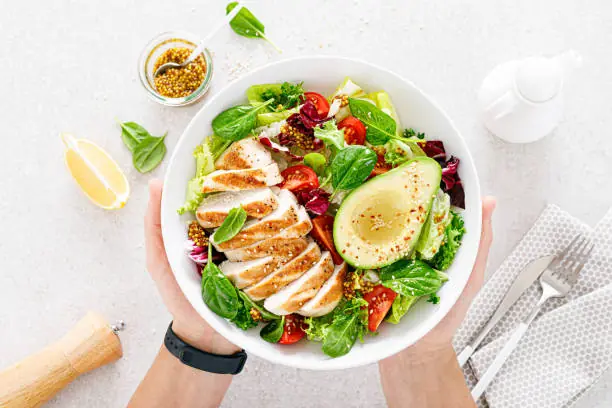
pair a salad with warm protein
add cooked grains to a bowl
choose roasted vegetables instead of raw
sip something warm alongside your meal
Think of warmth as a supporting element rather than a rule.
Nutrition often works best through layering small advantages.
The Bigger Perspective
Satisfaction is not dictated by calories alone.
It emerges from the interaction between physiology and perception.
When a meal feels substantial — warm, aromatic, textured — the brain is more likely to register completion.
And when completion is clear, the urge to keep searching for something else often quiets on its own.
Sometimes, supporting appetite regulation is not about eating less…
but about creating a meal that truly feels like a meal.
Warmth has a subtle way of doing exactly that.
A bowl of soup.
Freshly cooked rice.
Roasted vegetables.
Oatmeal on a cool morning.
Now compare that to eating something cold or straight from the package.
Even when calories are similar, the experience often feels very different.
You may not just feel physically fuller — but psychologically more nourished.
This is not imagination.
Temperature quietly shapes the way your brain interprets a meal.
Warmth Signals Safety to the Brain
Humans are deeply sensory beings. Beyond taste alone, your brain continuously interprets cues from temperature, texture, aroma, and even sound.
Warm food activates multiple sensory pathways at once:
steam carries aroma upward
heat intensifies flavor perception
textures soften
eating pace often slows
Together, these signals create a richer experience.
From an evolutionary perspective, warmth has long been associated with safety — cooked food historically meant easier digestion and lower risk.
Your brain still recognizes that signal today.
Not consciously.
But biologically.
Slower Eating, Stronger Satiety
Warm meals naturally encourage a gentler eating rhythm.
You pause between bites to avoid burning your mouth.
You blow on a spoonful.
You wait just a moment longer.
That slight deceleration matters more than it seems.
When eating slows:
👉 satiety hormones have time to rise
👉 the stomach communicates more effectively with the brain
👉 awareness increases
Fullness is easier to detect before overeating occurs.
Cold, highly convenient foods often disappear faster — sometimes before your regulatory systems fully engage.
Volume Plays a Role Too
Many warm meals contain higher water content:
soups
stews
cooked grains
sautéed vegetables
Water adds physical volume without dramatically increasing calories, helping stretch receptors in the stomach activate sooner.
Interestingly, research has repeatedly shown that broth-based soups, when eaten before or as part of a meal, can support appetite regulation.
Not because they are restrictive — but because they are physically satisfying.
Comfort Is Physiological, Not Just Emotional
We often use the phrase “comfort food” as if comfort were purely psychological.
But the body participates in that feeling.
Warm foods can gently activate the parasympathetic nervous system — sometimes called the “rest and digest” state.
In this mode, digestion becomes more efficient, and the body shifts away from urgency toward regulation.
This is one reason a warm meal after a long day can feel grounding.
Not indulgent.
Restorative.
This Doesn’t Mean Cold Meals Are Inferior
Salads, yogurt bowls, smoothies — all can absolutely support health.
The insight here is not about ranking foods.
It is about recognizing how sensory experience shapes satisfaction.
On days when meals feel oddly incomplete, temperature might be one small lever worth adjusting.
Sometimes the body is not asking for more food…
just a different experience of it.
A Gentle Strategy
You don’t need to overhaul your diet to benefit from this idea.
Even subtle additions can change how a meal lands:
pair a salad with warm protein
add cooked grains to a bowl
choose roasted vegetables instead of raw
sip something warm alongside your meal
Think of warmth as a supporting element rather than a rule.
Nutrition often works best through layering small advantages.
The Bigger Perspective
Satisfaction is not dictated by calories alone.
It emerges from the interaction between physiology and perception.
When a meal feels substantial — warm, aromatic, textured — the brain is more likely to register completion.
And when completion is clear, the urge to keep searching for something else often quiets on its own.
Sometimes, supporting appetite regulation is not about eating less…
but about creating a meal that truly feels like a meal.
Warmth has a subtle way of doing exactly that.
News in the same category

You Don’t Just Eat Food — You Eat Your Environment Too

Why Repeating the Same Meals Can Actually Make Healthy Eating Easier
The Texture of Your Food May Influence How Much You Eat — Without You Realizing It

When “Saving Calories” Earlier in the Day Quietly Backfires
Your Food Preferences Aren’t Fixed — They’re More Trainable Than You Think

The First Few Bites Deliver the Most Pleasure — And Your Brain Knows It

Ever Notice How Restaurant Meals Feel Easier to Keep Eating — Even When You’re Already Full?

A Single Night of Poor Sleep Can Quietly Change How Hungry You Feel the Next Day

“I Deserve This” Eating Often Happens Automatically — Not Because You Lack Discipline

The More Decisions You Make, The Harder Healthy Eating Can Become
“Natural Sugar” Is Still Sugar — But Context Changes Everything

Your Eating Speed Has Changed — But Your Biology Hasn’t

Ever Wonder Why Stopping at Just One Bite Feels Hard with Certain Foods?

Eating All Day Without Breaks May Be Confusing Your Body’s Natural Hunger Signals
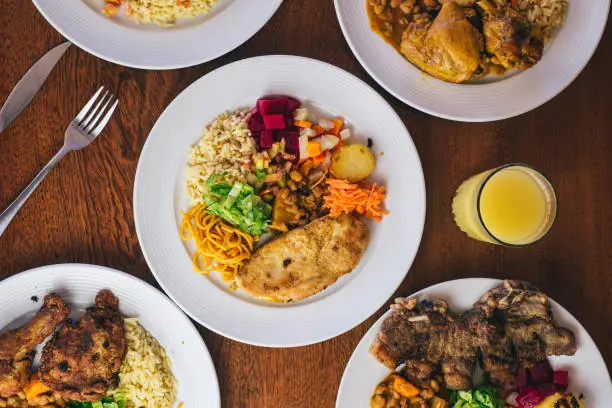
The Color of Your Plate Might Reveal More About Your Nutrition Than You Realize
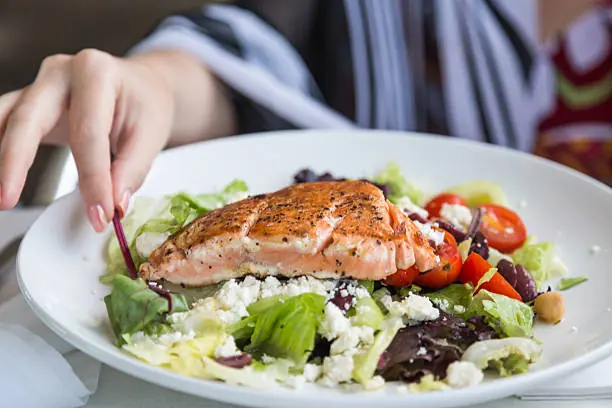
Some “Light” Foods Don’t Actually Help You Eat Less — They May Quietly Do the Opposite
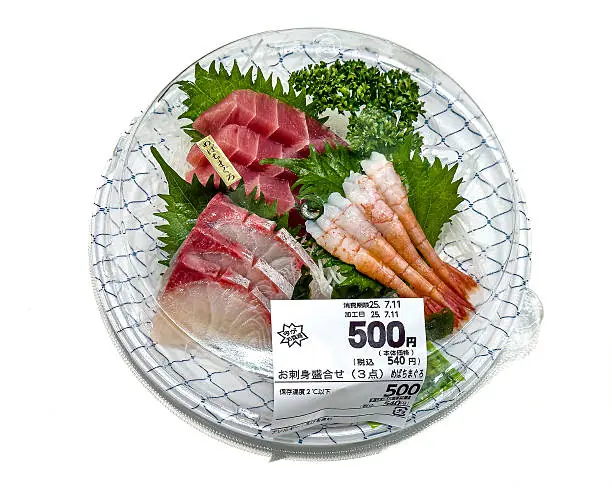
500 Calories Can Look Completely Different on a Plate — And Your Brain Knows It

You Might Be Drinking Enough Water — But Some Foods Could Still Be Dehydrating You
News Post
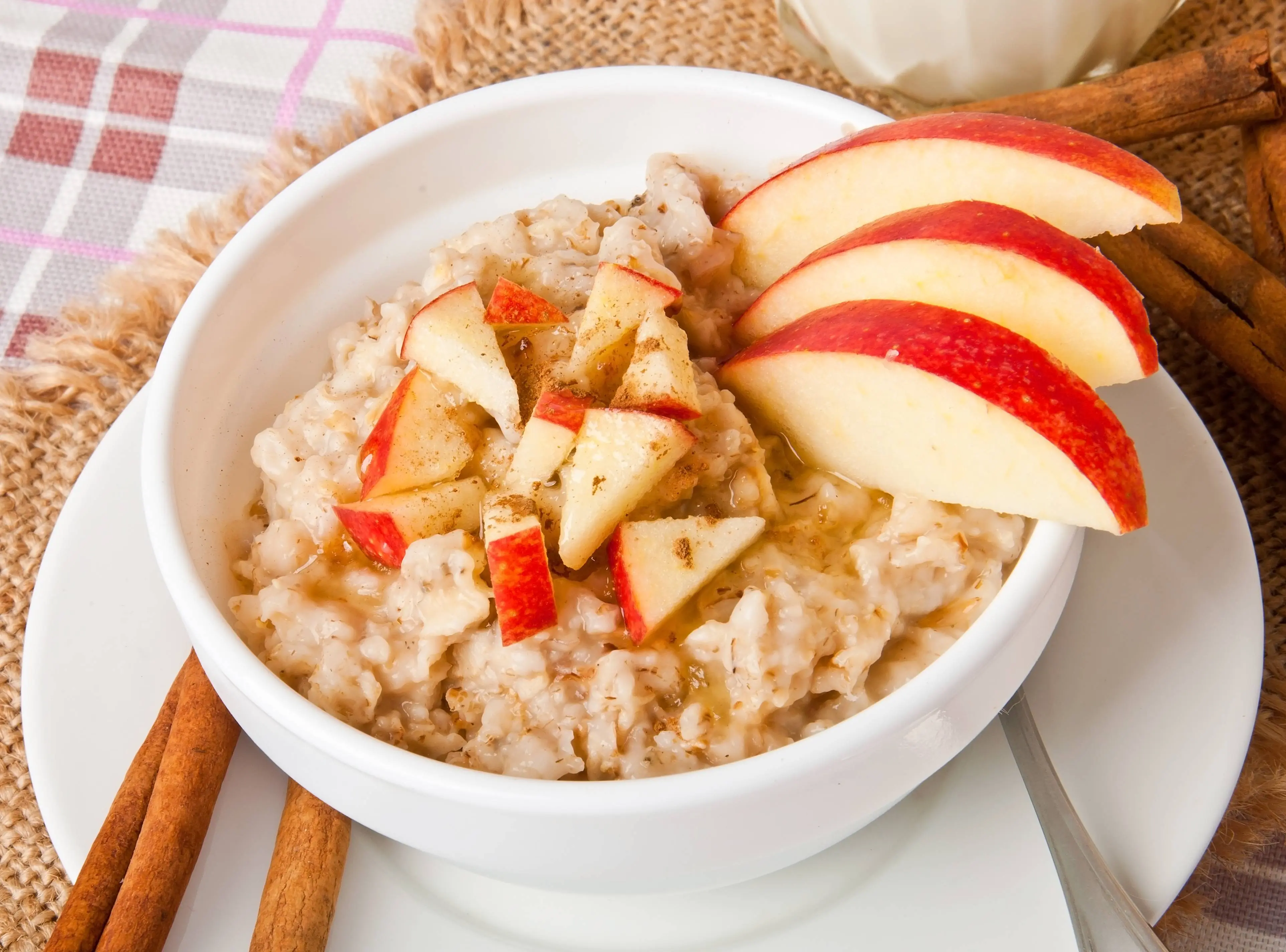
Oats and Apples: The No-Sugar, No-Flour Recipe That’s Winning Over Health-Conscious Kitchens
Healthy eating starts with smart, simple choices.
Food 19/02/2026 01:45

Halloumi Apple Salad with Cranberries
Food 18/02/2026 23:53

Spicy Garlic Stir-Fried Clams
Food 18/02/2026 23:34

Grilled Sausage with Roasted Vegetables & Pasta
Food 18/02/2026 23:20
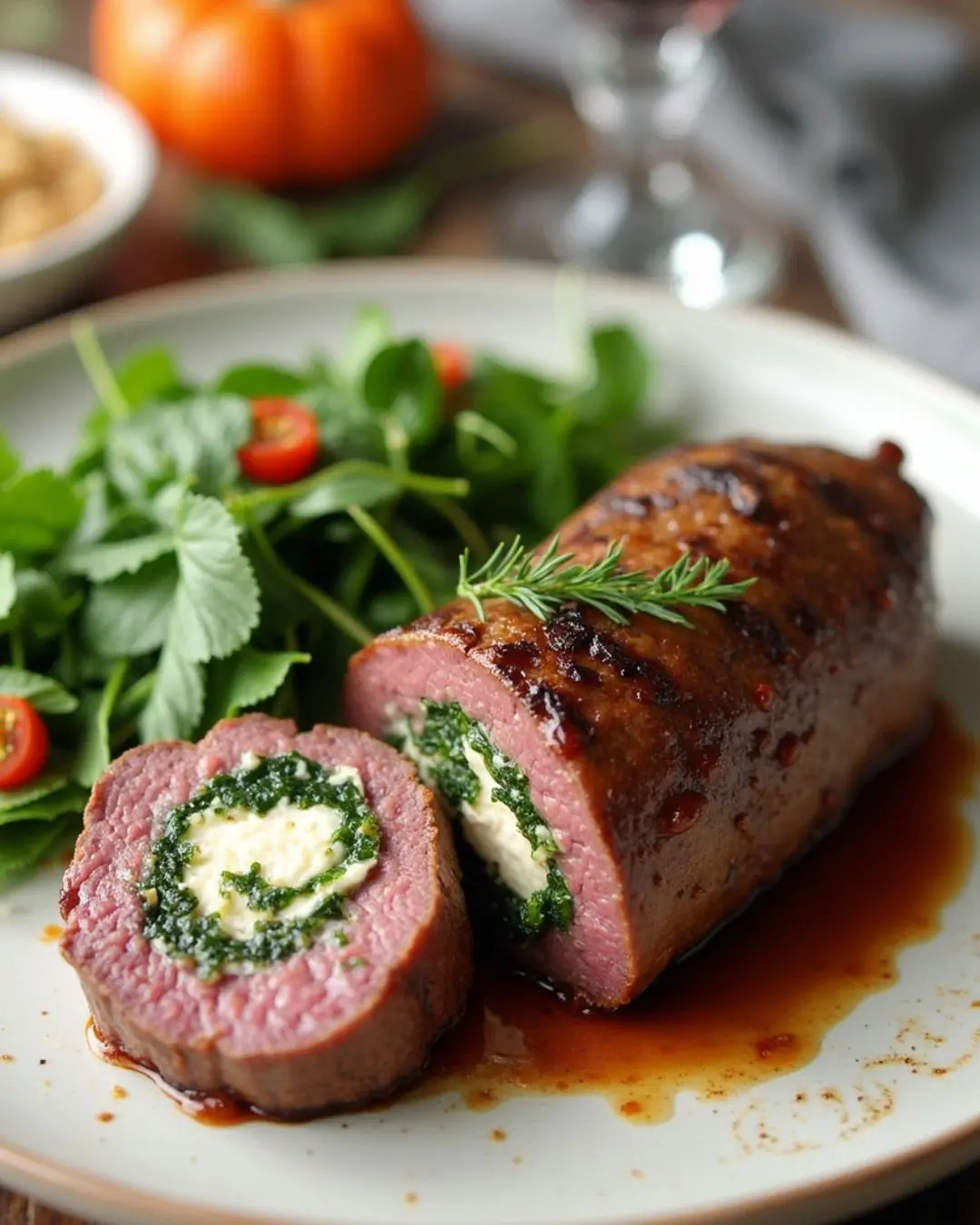
Spinach & Cheese Stuffed Beef Tenderloin 🥩🧀🌿
Food 18/02/2026 23:08
Satisfaction Might Be the Most Overlooked Nutrient
Health Food 18/02/2026 23:07
You Don’t Just Eat Food — You Eat Your Environment Too
Health Food 18/02/2026 23:05
Why Repeating the Same Meals Can Actually Make Healthy Eating Easier
Health Food 18/02/2026 23:04
The Texture of Your Food May Influence How Much You Eat — Without You Realizing It
Health Food 18/02/2026 23:02
When “Saving Calories” Earlier in the Day Quietly Backfires
Health Food 18/02/2026 23:01
Your Food Preferences Aren’t Fixed — They’re More Trainable Than You Think
Health Food 18/02/2026 22:58
The First Few Bites Deliver the Most Pleasure — And Your Brain Knows It
Health Food 18/02/2026 22:56
Ever Notice How Restaurant Meals Feel Easier to Keep Eating — Even When You’re Already Full?
Health Food 18/02/2026 22:54
A Single Night of Poor Sleep Can Quietly Change How Hungry You Feel the Next Day
Health Food 18/02/2026 22:53
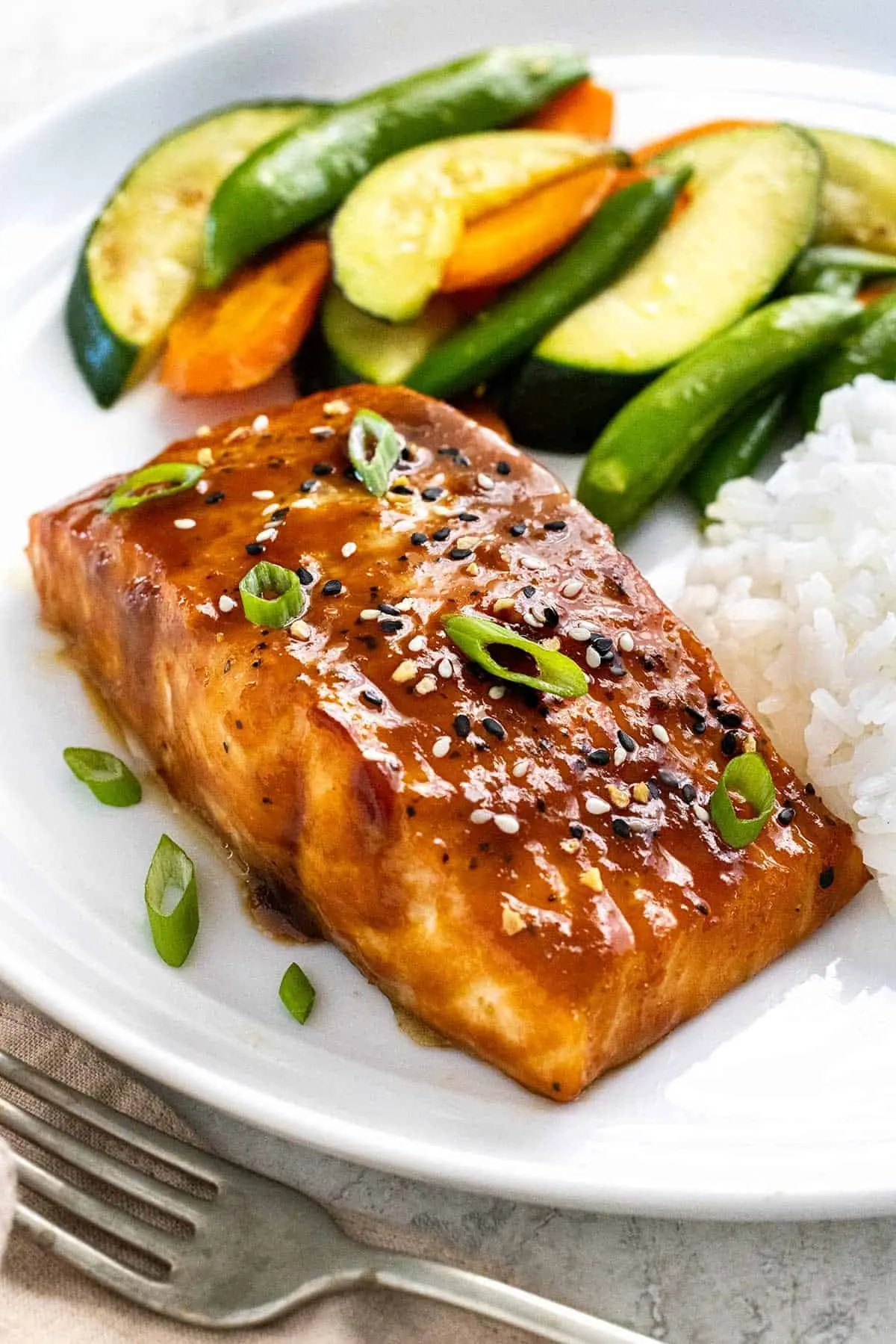
Honey Garlic Glazed Salmon with Steamed Rice & Sautéed Greens
Honey Garlic Glazed Salmon with Steamed Rice & Sautéed Greens
Food 18/02/2026 21:55
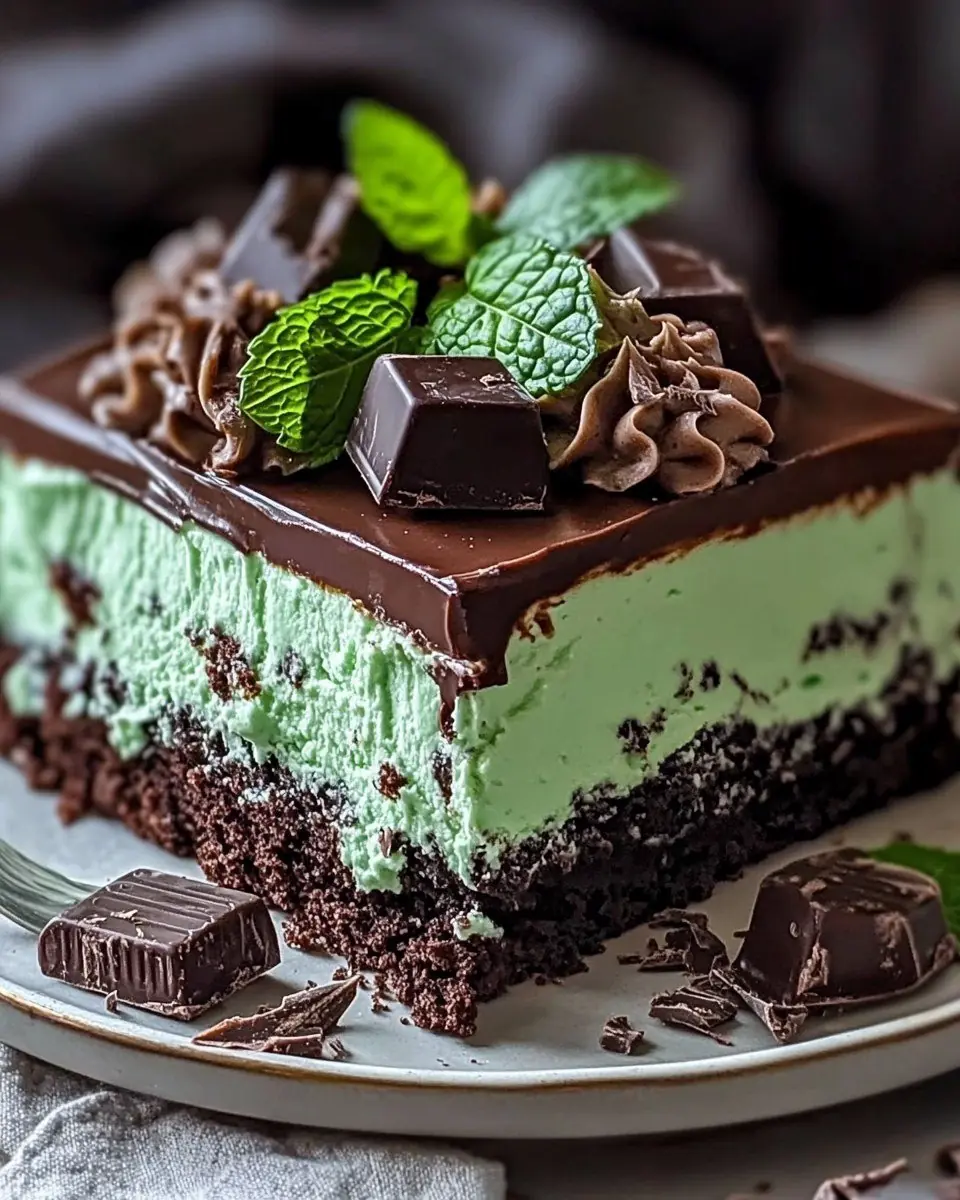
Chocolate Mint Dream Bars – A Decadent Layered Dessert You’ll Crave Again and Again
Chocolate Mint Dream Bars – A Decadent Layered Dessert You’ll Crave Again and Again
Food 18/02/2026 21:52

Cherry Pineapple Pie
Cherry Pineapple Pie
Food 18/02/2026 13:17
Easy Pasta Salad
Easy Pasta Salad
Food 18/02/2026 13:03

Fresh Pickled Cucumber Salad: A Crisp, Tangy Favorite That Only Gets Better With Time
When it comes to simple yet satisfying side dishes, few recipes can match the refreshing appeal of fresh pickled cucumber salad. Light, crunchy, and packed with bold tangy flavor, this easy-to-make dish has become a beloved staple in many kitchens. Not on
Food 18/02/2026 02:45