Health Food 18/02/2026 23:01
When “Saving Calories” Earlier in the Day Quietly Backfires
It often begins with good intentions.
You decide to keep breakfast minimal — or skip it entirely.
Lunch is light. Efficient. Controlled.

Perhaps there is even a quiet sense of accomplishment:
"I’ve barely eaten today."
But by evening, something shifts.
Hunger feels louder.
Cravings intensify.
Portions expand.
And suddenly, the careful restraint of the earlier hours feels undone.
This pattern is so common that many interpret it as a willpower issue.
In reality, it is frequently the result of biological compensation.
Your body is not sabotaging you.
It is protecting you.
The Body Tracks Energy Over Time
Human metabolism is dynamic, not mechanical.
Rather than evaluating each meal in isolation, your body continuously monitors energy availability across the day.
When intake drops too low for too long, regulatory systems begin adjusting.
Hunger hormones rise.
Food thoughts become more persistent.
Reward sensitivity increases.
From a survival standpoint, this response is intelligent.
The body interprets prolonged under-fueling as a potential threat — and encourages correction.
Why Evening Hunger Feels So Powerful
After hours of insufficient intake, the brain becomes more attentive to high-energy foods.
Not randomly.
Strategically.
Calorie-dense options offer efficient replenishment.
At the same time, decision-making resources are often lower by evening, making restraint harder to sustain.
This pairing — heightened biological drive plus reduced mental bandwidth — can feel overwhelming.
Yet it is entirely predictable physiology.

The Fullness Threshold
Another subtle factor involves what researchers sometimes describe as the satiety threshold — the level of intake required before the body registers true satisfaction.
When you arrive at dinner deeply hungry, that threshold tends to be higher.
You may need more food than usual to feel settled.
Eating quickly can amplify this effect, allowing intake to outpace satiety signals.
Again, not a flaw.
A timing mismatch.
A Familiar Cycle
Many people recognize some version of this rhythm:
Eat very little → feel virtuous → become extremely hungry → eat past comfort → feel frustrated.
The frustration often targets behavior…
when the underlying issue is structure.
Consistency tends to regulate appetite more effectively than extremes.
Earlier Fuel Often Means Calmer Evenings
Balanced meals earlier in the day can soften the biological urgency that appears later.
This doesn’t require large portions.
Just enough protein, fiber, and energy to signal safety to the body.
When the brain trusts that nourishment is steady, it stops pushing quite so hard.
Hunger becomes informative rather than insistent.
Think Stability, Not Restriction
One of the most supportive mindset shifts is moving away from the question:
"How little can I eat?"
toward:
"What pattern helps my body stay regulated?"
Stable energy often leads to:
clearer hunger cues
fewer sudden cravings
more comfortable portions
calmer decision-making
Not through effort — but through physiology working as intended.

Gentle Adjustments That Help
Consider small structural changes:
👉 include protein at breakfast
👉 avoid going many hours without eating
👉 build lunches that sustain rather than merely delay hunger
👉 notice when “light” begins to mean “insufficient”
These are not rigid rules.
They are supportive guardrails.
The Bigger Perspective
Eating too little is often praised in a culture that equates restraint with success.
But the body does not reward deprivation with perfect regulation.
More often, it responds with louder signals.
True balance rarely lives at the extremes.
It lives in steadiness — the quiet assurance that nourishment will arrive consistently.
And when the body feels secure, it stops asking quite so urgently.
Sometimes the most effective way to eat less later…
is simply to eat enough earlier.
You decide to keep breakfast minimal — or skip it entirely.
Lunch is light. Efficient. Controlled.
Perhaps there is even a quiet sense of accomplishment:
"I’ve barely eaten today."
But by evening, something shifts.
Hunger feels louder.
Cravings intensify.
Portions expand.
And suddenly, the careful restraint of the earlier hours feels undone.
This pattern is so common that many interpret it as a willpower issue.
In reality, it is frequently the result of biological compensation.
Your body is not sabotaging you.
It is protecting you.
The Body Tracks Energy Over Time
Human metabolism is dynamic, not mechanical.
Rather than evaluating each meal in isolation, your body continuously monitors energy availability across the day.
When intake drops too low for too long, regulatory systems begin adjusting.
Hunger hormones rise.
Food thoughts become more persistent.
Reward sensitivity increases.
From a survival standpoint, this response is intelligent.
The body interprets prolonged under-fueling as a potential threat — and encourages correction.
Why Evening Hunger Feels So Powerful
After hours of insufficient intake, the brain becomes more attentive to high-energy foods.
Not randomly.
Strategically.
Calorie-dense options offer efficient replenishment.
At the same time, decision-making resources are often lower by evening, making restraint harder to sustain.
This pairing — heightened biological drive plus reduced mental bandwidth — can feel overwhelming.
Yet it is entirely predictable physiology.
The Fullness Threshold
Another subtle factor involves what researchers sometimes describe as the satiety threshold — the level of intake required before the body registers true satisfaction.
When you arrive at dinner deeply hungry, that threshold tends to be higher.
You may need more food than usual to feel settled.
Eating quickly can amplify this effect, allowing intake to outpace satiety signals.
Again, not a flaw.
A timing mismatch.
A Familiar Cycle
Many people recognize some version of this rhythm:
Eat very little → feel virtuous → become extremely hungry → eat past comfort → feel frustrated.
The frustration often targets behavior…
when the underlying issue is structure.
Consistency tends to regulate appetite more effectively than extremes.
Earlier Fuel Often Means Calmer Evenings
Balanced meals earlier in the day can soften the biological urgency that appears later.
This doesn’t require large portions.
Just enough protein, fiber, and energy to signal safety to the body.
When the brain trusts that nourishment is steady, it stops pushing quite so hard.
Hunger becomes informative rather than insistent.
Think Stability, Not Restriction
One of the most supportive mindset shifts is moving away from the question:
"How little can I eat?"
toward:
"What pattern helps my body stay regulated?"
Stable energy often leads to:
clearer hunger cues
fewer sudden cravings
more comfortable portions
calmer decision-making
Not through effort — but through physiology working as intended.
Gentle Adjustments That Help
Consider small structural changes:
👉 include protein at breakfast
👉 avoid going many hours without eating
👉 build lunches that sustain rather than merely delay hunger
👉 notice when “light” begins to mean “insufficient”
These are not rigid rules.
They are supportive guardrails.
The Bigger Perspective
Eating too little is often praised in a culture that equates restraint with success.
But the body does not reward deprivation with perfect regulation.
More often, it responds with louder signals.
True balance rarely lives at the extremes.
It lives in steadiness — the quiet assurance that nourishment will arrive consistently.
And when the body feels secure, it stops asking quite so urgently.
Sometimes the most effective way to eat less later…
is simply to eat enough earlier.
News in the same category

You Don’t Just Eat Food — You Eat Your Environment Too

Why Repeating the Same Meals Can Actually Make Healthy Eating Easier
The Texture of Your Food May Influence How Much You Eat — Without You Realizing It

Why Warm Meals Often Feel More Satisfying — Even When Calories Are the Same
Your Food Preferences Aren’t Fixed — They’re More Trainable Than You Think

The First Few Bites Deliver the Most Pleasure — And Your Brain Knows It

Ever Notice How Restaurant Meals Feel Easier to Keep Eating — Even When You’re Already Full?

A Single Night of Poor Sleep Can Quietly Change How Hungry You Feel the Next Day

“I Deserve This” Eating Often Happens Automatically — Not Because You Lack Discipline

The More Decisions You Make, The Harder Healthy Eating Can Become

“Natural Sugar” Is Still Sugar — But Context Changes Everything

Your Eating Speed Has Changed — But Your Biology Hasn’t

Ever Wonder Why Stopping at Just One Bite Feels Hard with Certain Foods?
Eating All Day Without Breaks May Be Confusing Your Body’s Natural Hunger Signals
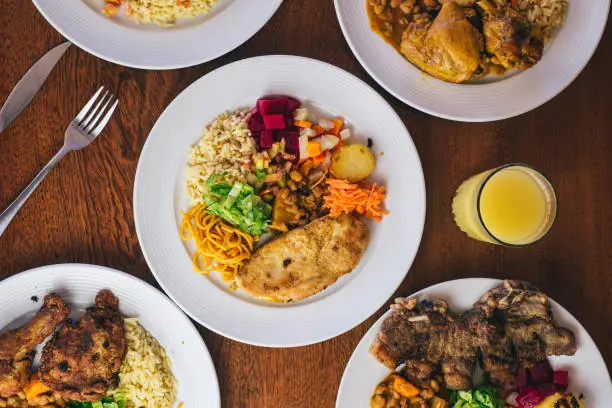
The Color of Your Plate Might Reveal More About Your Nutrition Than You Realize
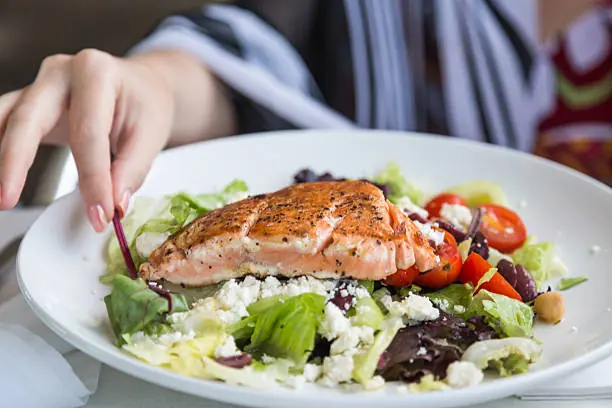
Some “Light” Foods Don’t Actually Help You Eat Less — They May Quietly Do the Opposite
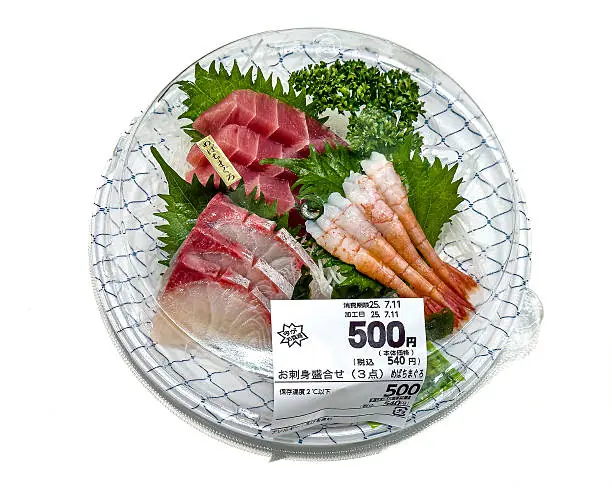
500 Calories Can Look Completely Different on a Plate — And Your Brain Knows It

You Might Be Drinking Enough Water — But Some Foods Could Still Be Dehydrating You
News Post
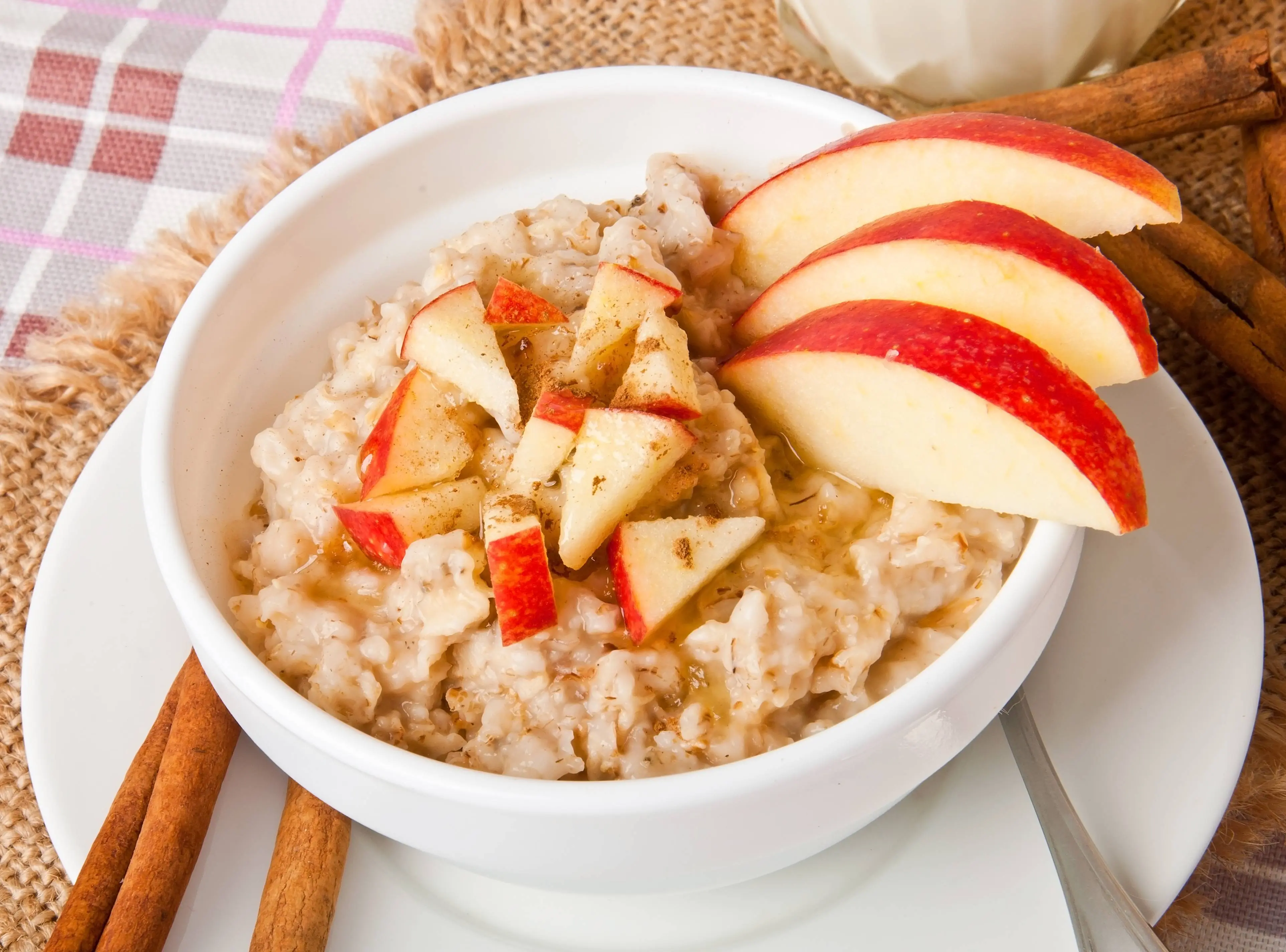
Oats and Apples: The No-Sugar, No-Flour Recipe That’s Winning Over Health-Conscious Kitchens
Healthy eating starts with smart, simple choices.
Food 19/02/2026 01:45

Halloumi Apple Salad with Cranberries
Food 18/02/2026 23:53

Spicy Garlic Stir-Fried Clams
Food 18/02/2026 23:34
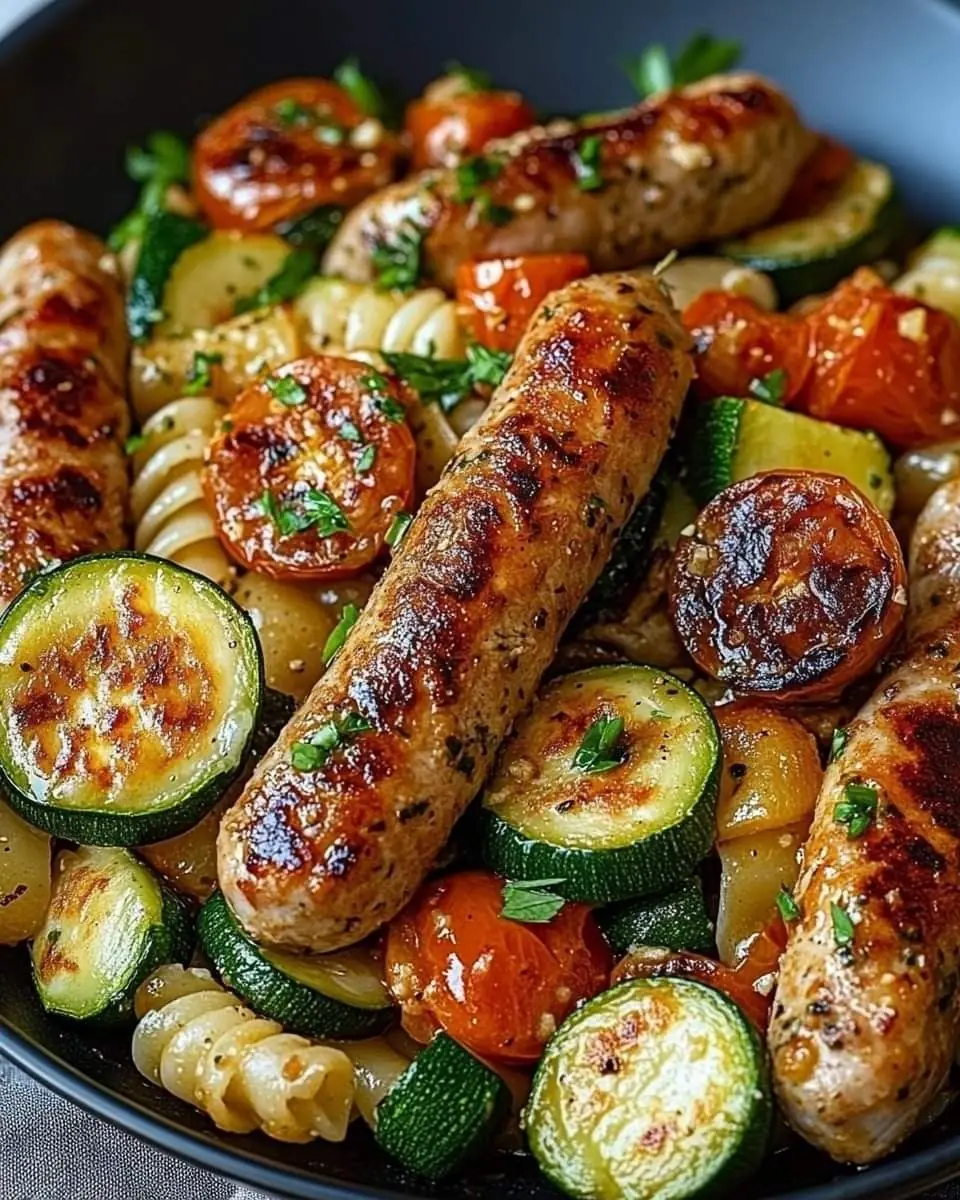
Grilled Sausage with Roasted Vegetables & Pasta
Food 18/02/2026 23:20
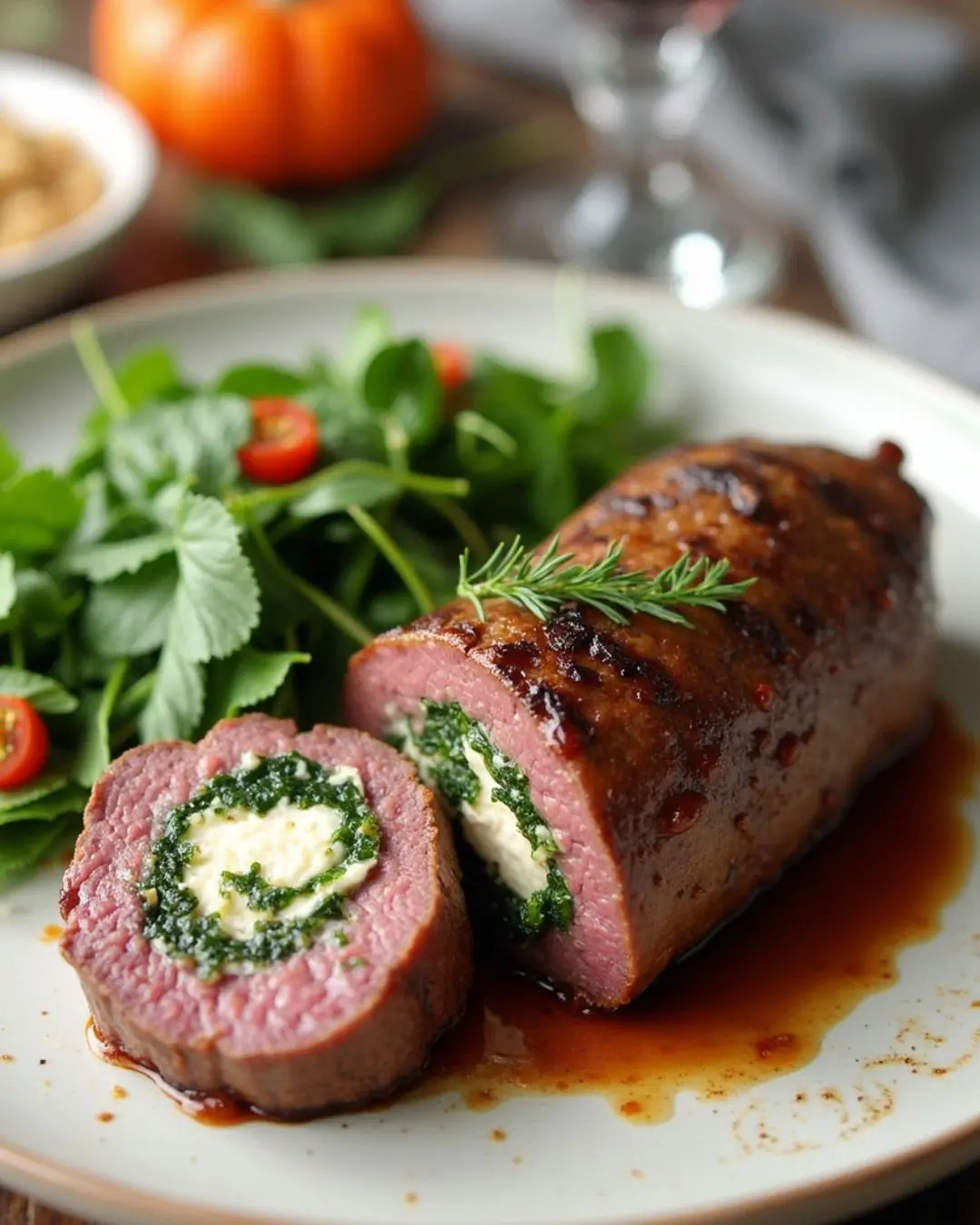
Spinach & Cheese Stuffed Beef Tenderloin 🥩🧀🌿
Food 18/02/2026 23:08
Satisfaction Might Be the Most Overlooked Nutrient
Health Food 18/02/2026 23:07
You Don’t Just Eat Food — You Eat Your Environment Too
Health Food 18/02/2026 23:05
Why Repeating the Same Meals Can Actually Make Healthy Eating Easier
Health Food 18/02/2026 23:04
The Texture of Your Food May Influence How Much You Eat — Without You Realizing It
Health Food 18/02/2026 23:02
Why Warm Meals Often Feel More Satisfying — Even When Calories Are the Same
Health Food 18/02/2026 22:59
Your Food Preferences Aren’t Fixed — They’re More Trainable Than You Think
Health Food 18/02/2026 22:58
The First Few Bites Deliver the Most Pleasure — And Your Brain Knows It
Health Food 18/02/2026 22:56
Ever Notice How Restaurant Meals Feel Easier to Keep Eating — Even When You’re Already Full?
Health Food 18/02/2026 22:54
A Single Night of Poor Sleep Can Quietly Change How Hungry You Feel the Next Day
Health Food 18/02/2026 22:53
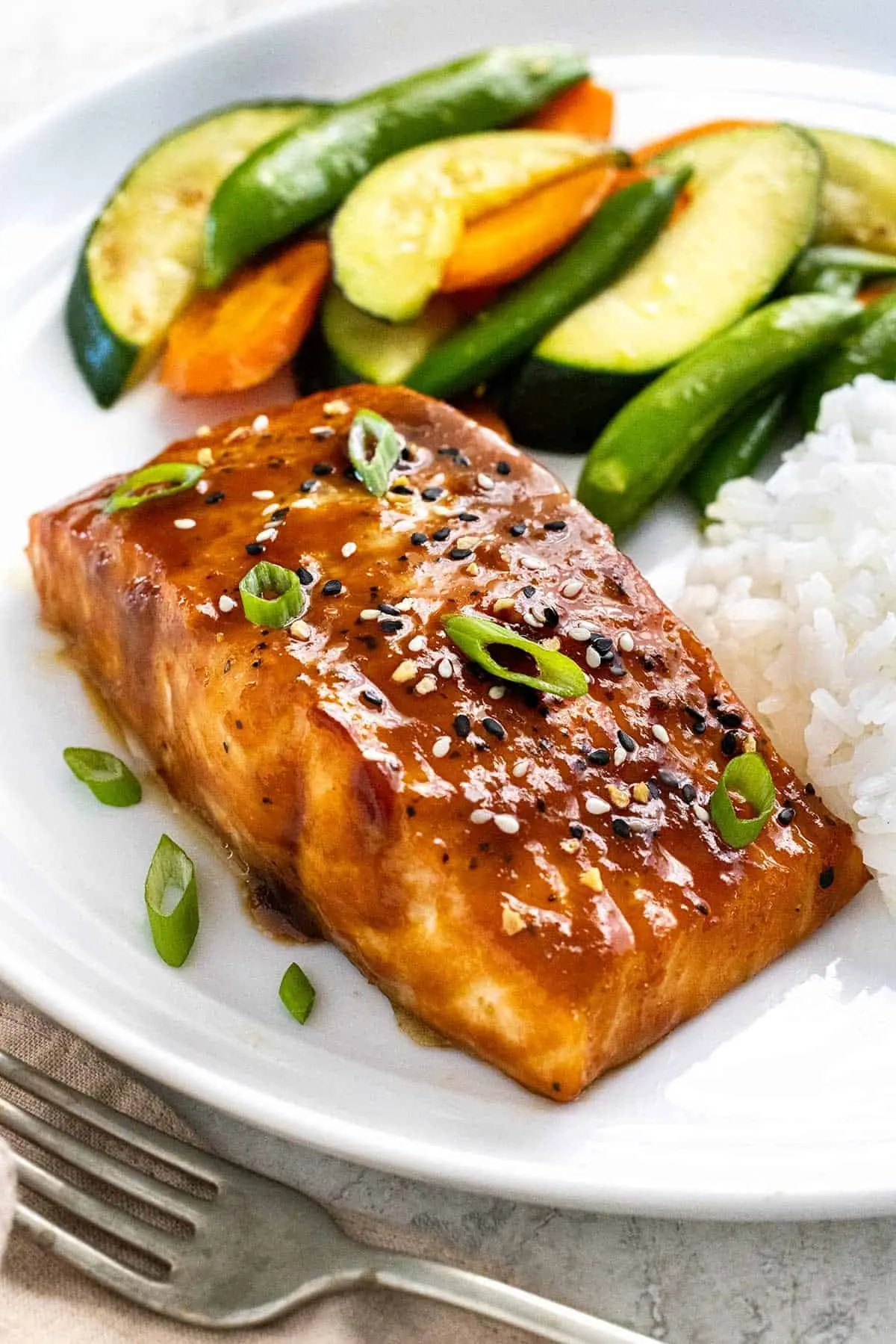
Honey Garlic Glazed Salmon with Steamed Rice & Sautéed Greens
Honey Garlic Glazed Salmon with Steamed Rice & Sautéed Greens
Food 18/02/2026 21:55
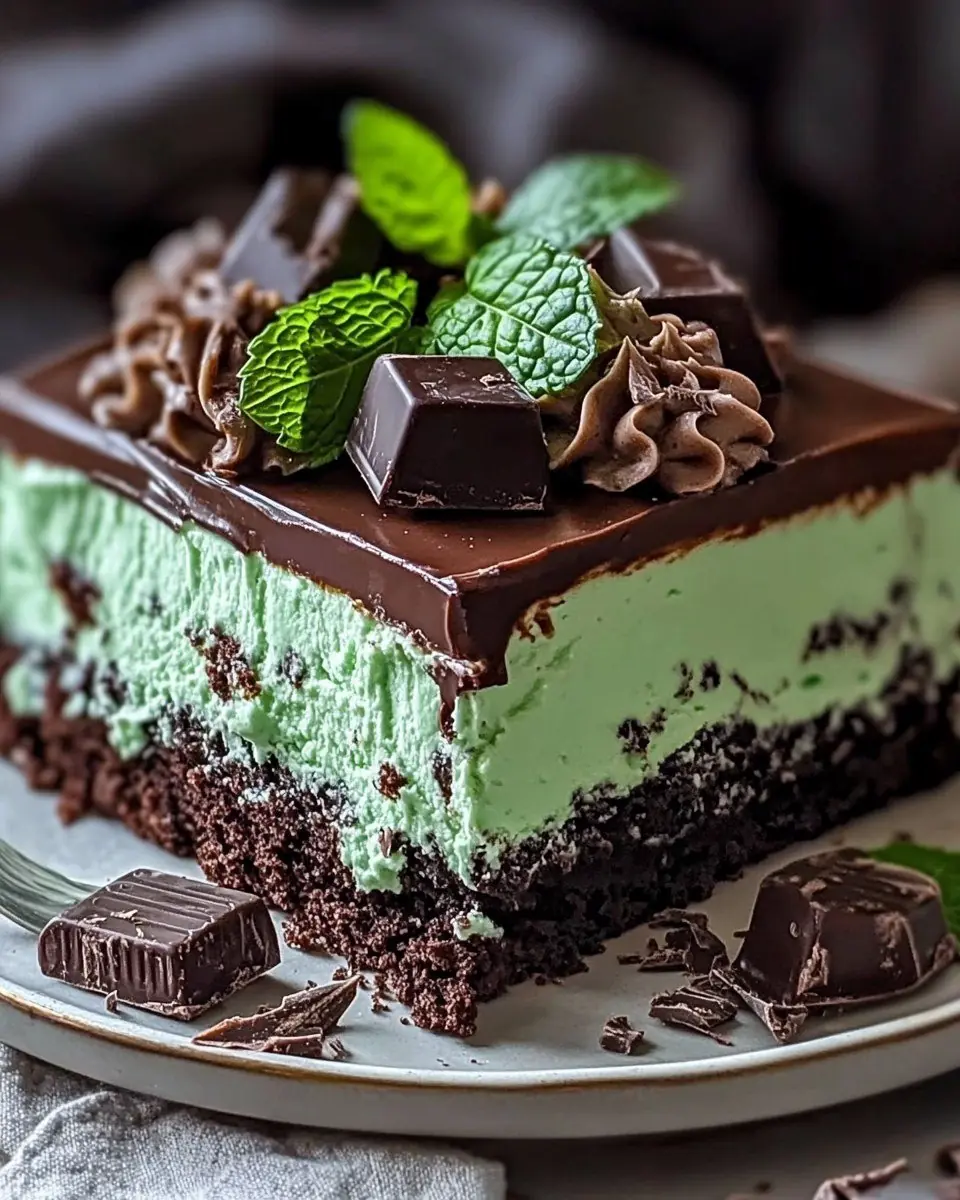
Chocolate Mint Dream Bars – A Decadent Layered Dessert You’ll Crave Again and Again
Chocolate Mint Dream Bars – A Decadent Layered Dessert You’ll Crave Again and Again
Food 18/02/2026 21:52

Cherry Pineapple Pie
Cherry Pineapple Pie
Food 18/02/2026 13:17
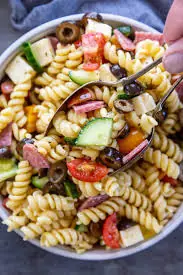
Easy Pasta Salad
Easy Pasta Salad
Food 18/02/2026 13:03

Fresh Pickled Cucumber Salad: A Crisp, Tangy Favorite That Only Gets Better With Time
When it comes to simple yet satisfying side dishes, few recipes can match the refreshing appeal of fresh pickled cucumber salad. Light, crunchy, and packed with bold tangy flavor, this easy-to-make dish has become a beloved staple in many kitchens. Not on
Food 18/02/2026 02:45