Health Food 18/02/2026 22:56
The First Few Bites Deliver the Most Pleasure — And Your Brain Knows It
Think about the last time you ate something you truly loved.
Maybe it was a warm pastry, a slice of pizza, or a beautifully prepared dessert.
Now consider this:
When did the food taste best?
For most people, the answer is almost always the same — the first few bites.
Not the last ones.
Not the extra portion.
Not the “just one more” moment.
There is a fascinating neurological reason for this pattern, and understanding it can quietly transform the way you experience food.
Your Brain Is Designed to Notice Novelty
The human brain is highly responsive to new sensory experiences.
When the first bite touches your tongue, multiple systems activate at once:
taste receptors fire
aroma signals travel through the olfactory system
dopamine begins to rise
attention sharpens
The experience feels vivid.

Almost amplified.
But the brain is also efficient. It quickly learns what to expect.
Once the flavor is no longer new, neural excitement begins to soften.
Scientists often refer to this as sensory-specific satiety — the gradual decline in pleasure as exposure to the same taste continues.
Importantly, this doesn’t mean the food stops tasting good.
It simply means the peak experience has already occurred.
Why We Keep Eating Anyway
If pleasure declines, why does eating often continue?
Because satisfaction and pleasure are not identical signals.
Pleasure is immediate and sensory.
Fullness is slower and physiological.
There is a window where the food still tastes enjoyable — just not as extraordinary — yet the body hasn’t fully registered satiety.
Add habit, social context, or distraction, and it becomes easy to continue beyond the point of maximum enjoyment.
Not mindlessly.
Just automatically.
A Simple Illustration
Imagine taking the first bite of a favorite dessert.

The flavor feels rich, balanced, exciting.
By bite four or five, it is still pleasant — but less surprising.
Halfway through, the experience is familiar.
Yet many people finish the entire portion without ever asking:
"Am I still eating for pleasure… or simply because it’s here?"
This question is not meant to restrict the experience.
It is meant to refine it.
Pleasure Doesn’t Scale Linearly
One of the most overlooked truths about eating is this:
Twice the food rarely delivers twice the pleasure.
The emotional return diminishes much faster than the portion grows.
Understanding this shifts the goal from “more” to “enough.”
And “enough” often arrives earlier than expected.
The Art of Savoring
Rather than rushing through those early bites, slowing slightly can enhance their impact.
Notice the temperature.
The texture.
The contrast of flavors.
When attention rises, satisfaction often rises with it.

Interestingly, people frequently report feeling more content after fully savoring a smaller portion than after quickly consuming a larger one.
Not because they deprived themselves — but because they captured the peak of the experience.
This Isn’t About Eating Less
It is about experiencing more.
When you recognize where pleasure naturally crests, you gain freedom.
Freedom from the assumption that finishing is necessary.
Freedom from chasing a sensation that has already faded.
You can still enjoy the food.
Just with greater clarity.
Restaurants Understand This Well
Have you noticed how tasting menus serve smaller portions across multiple courses?
This approach repeatedly resets novelty.
Each dish becomes another “first bite.”
The brain stays engaged without requiring excess.
Variety refreshes pleasure.
Monotony softens it.
A Gentle Practice
Next time you eat something you love, pause briefly after the first few bites and check in:
“Is the experience still rising — or has it leveled?”
There is no correct answer.
Only awareness.
And awareness often leads to a surprisingly calm relationship with food.
The Bigger Perspective
Your brain is not trying to trick you.
It is doing what it evolved to do — prioritize new, rewarding experiences while gradually lowering the intensity as familiarity grows.
Once you understand this rhythm, eating becomes less about quantity…
…and more about noticing where joy naturally lives.
Often, it lives right at the beginning.
Maybe it was a warm pastry, a slice of pizza, or a beautifully prepared dessert.
Now consider this:
When did the food taste best?
For most people, the answer is almost always the same — the first few bites.
Not the last ones.
Not the extra portion.
Not the “just one more” moment.
There is a fascinating neurological reason for this pattern, and understanding it can quietly transform the way you experience food.
Your Brain Is Designed to Notice Novelty
The human brain is highly responsive to new sensory experiences.
When the first bite touches your tongue, multiple systems activate at once:
taste receptors fire
aroma signals travel through the olfactory system
dopamine begins to rise
attention sharpens
The experience feels vivid.
Almost amplified.
But the brain is also efficient. It quickly learns what to expect.
Once the flavor is no longer new, neural excitement begins to soften.
Scientists often refer to this as sensory-specific satiety — the gradual decline in pleasure as exposure to the same taste continues.
Importantly, this doesn’t mean the food stops tasting good.
It simply means the peak experience has already occurred.
Why We Keep Eating Anyway
If pleasure declines, why does eating often continue?
Because satisfaction and pleasure are not identical signals.
Pleasure is immediate and sensory.
Fullness is slower and physiological.
There is a window where the food still tastes enjoyable — just not as extraordinary — yet the body hasn’t fully registered satiety.
Add habit, social context, or distraction, and it becomes easy to continue beyond the point of maximum enjoyment.
Not mindlessly.
Just automatically.
A Simple Illustration
Imagine taking the first bite of a favorite dessert.
The flavor feels rich, balanced, exciting.
By bite four or five, it is still pleasant — but less surprising.
Halfway through, the experience is familiar.
Yet many people finish the entire portion without ever asking:
"Am I still eating for pleasure… or simply because it’s here?"
This question is not meant to restrict the experience.
It is meant to refine it.
Pleasure Doesn’t Scale Linearly
One of the most overlooked truths about eating is this:
Twice the food rarely delivers twice the pleasure.
The emotional return diminishes much faster than the portion grows.
Understanding this shifts the goal from “more” to “enough.”
And “enough” often arrives earlier than expected.
The Art of Savoring
Rather than rushing through those early bites, slowing slightly can enhance their impact.
Notice the temperature.
The texture.
The contrast of flavors.
When attention rises, satisfaction often rises with it.
Interestingly, people frequently report feeling more content after fully savoring a smaller portion than after quickly consuming a larger one.
Not because they deprived themselves — but because they captured the peak of the experience.
This Isn’t About Eating Less
It is about experiencing more.
When you recognize where pleasure naturally crests, you gain freedom.
Freedom from the assumption that finishing is necessary.
Freedom from chasing a sensation that has already faded.
You can still enjoy the food.
Just with greater clarity.
Restaurants Understand This Well
Have you noticed how tasting menus serve smaller portions across multiple courses?
This approach repeatedly resets novelty.
Each dish becomes another “first bite.”
The brain stays engaged without requiring excess.
Variety refreshes pleasure.
Monotony softens it.
A Gentle Practice
Next time you eat something you love, pause briefly after the first few bites and check in:
“Is the experience still rising — or has it leveled?”
There is no correct answer.
Only awareness.
And awareness often leads to a surprisingly calm relationship with food.
The Bigger Perspective
Your brain is not trying to trick you.
It is doing what it evolved to do — prioritize new, rewarding experiences while gradually lowering the intensity as familiarity grows.
Once you understand this rhythm, eating becomes less about quantity…
…and more about noticing where joy naturally lives.
Often, it lives right at the beginning.
News in the same category

You Don’t Just Eat Food — You Eat Your Environment Too

Why Repeating the Same Meals Can Actually Make Healthy Eating Easier
The Texture of Your Food May Influence How Much You Eat — Without You Realizing It
When “Saving Calories” Earlier in the Day Quietly Backfires
Why Warm Meals Often Feel More Satisfying — Even When Calories Are the Same
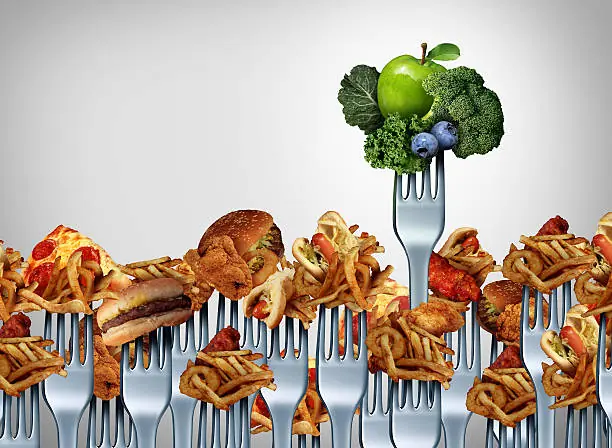
Your Food Preferences Aren’t Fixed — They’re More Trainable Than You Think
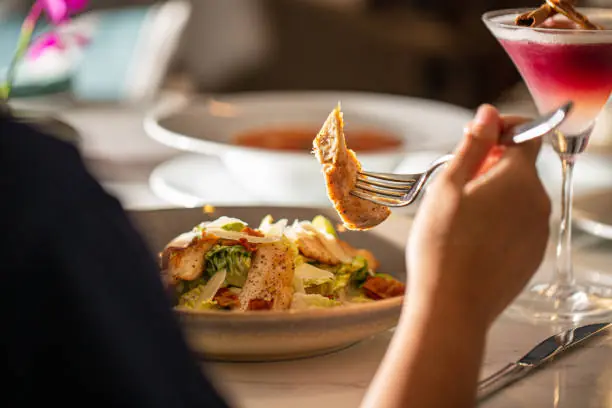
Ever Notice How Restaurant Meals Feel Easier to Keep Eating — Even When You’re Already Full?

A Single Night of Poor Sleep Can Quietly Change How Hungry You Feel the Next Day
“I Deserve This” Eating Often Happens Automatically — Not Because You Lack Discipline

The More Decisions You Make, The Harder Healthy Eating Can Become
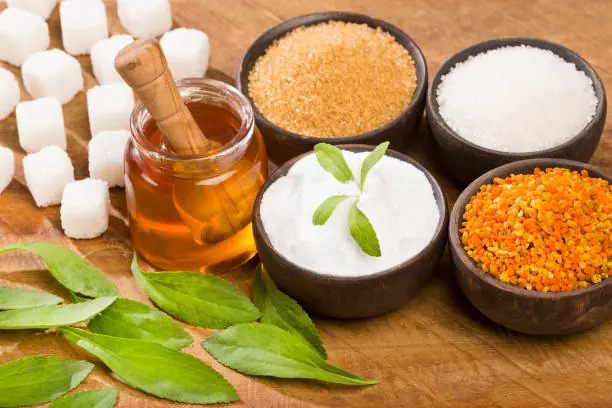
“Natural Sugar” Is Still Sugar — But Context Changes Everything
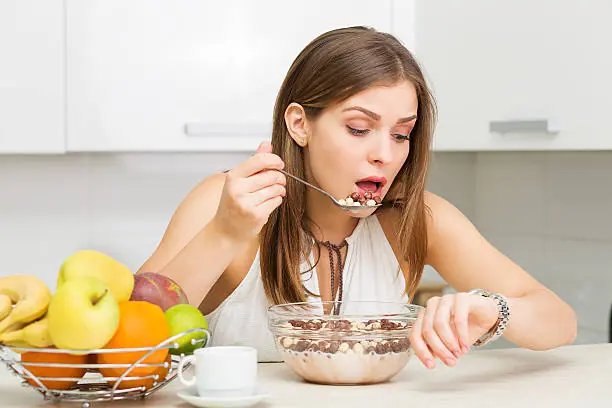
Your Eating Speed Has Changed — But Your Biology Hasn’t
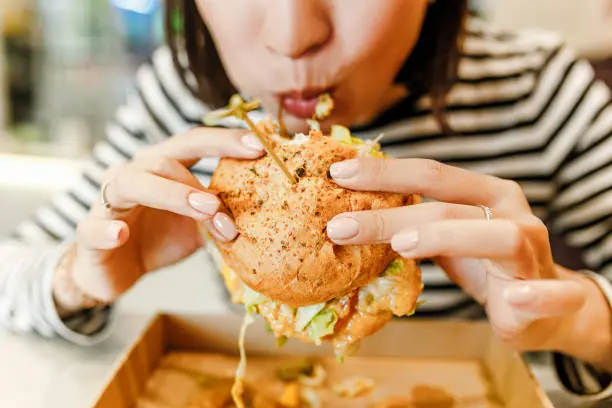
Ever Wonder Why Stopping at Just One Bite Feels Hard with Certain Foods?
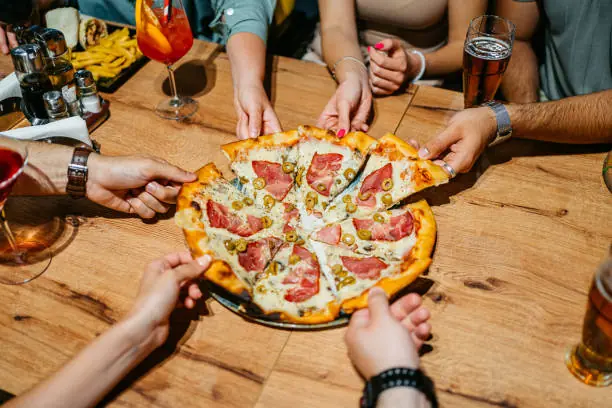
Eating All Day Without Breaks May Be Confusing Your Body’s Natural Hunger Signals
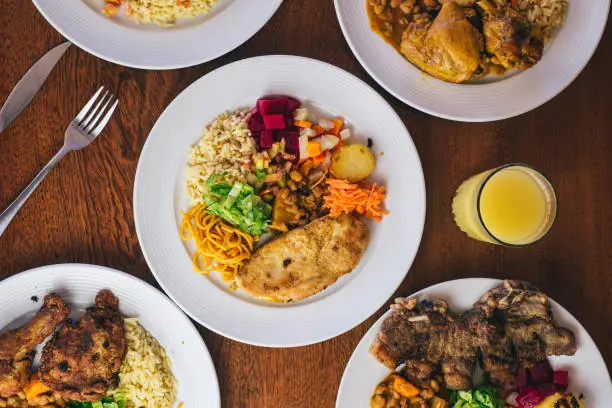
The Color of Your Plate Might Reveal More About Your Nutrition Than You Realize
Some “Light” Foods Don’t Actually Help You Eat Less — They May Quietly Do the Opposite
500 Calories Can Look Completely Different on a Plate — And Your Brain Knows It
You Might Be Drinking Enough Water — But Some Foods Could Still Be Dehydrating You
News Post
Oats and Apples: The No-Sugar, No-Flour Recipe That’s Winning Over Health-Conscious Kitchens
Healthy eating starts with smart, simple choices.
Food 19/02/2026 01:45
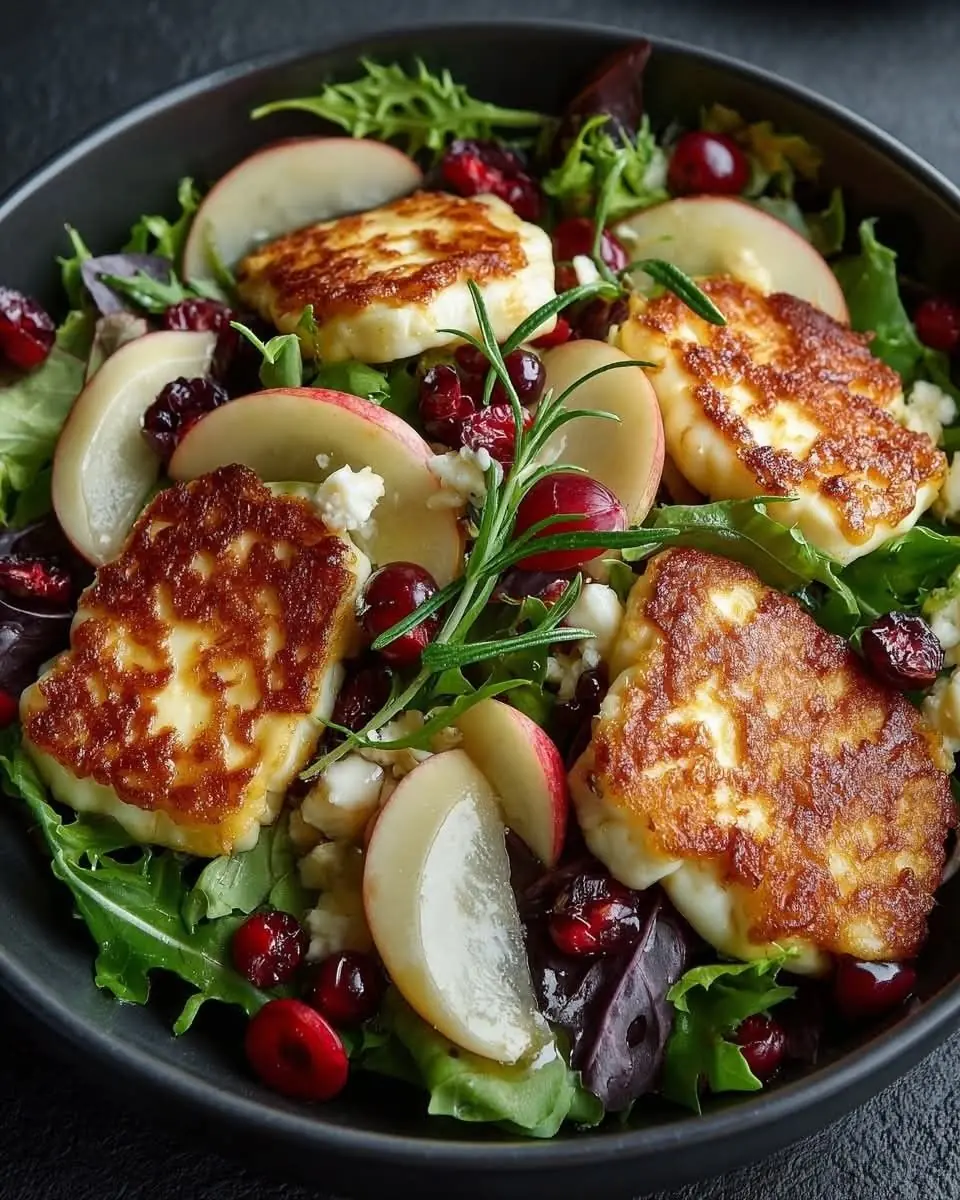
Halloumi Apple Salad with Cranberries
Food 18/02/2026 23:53
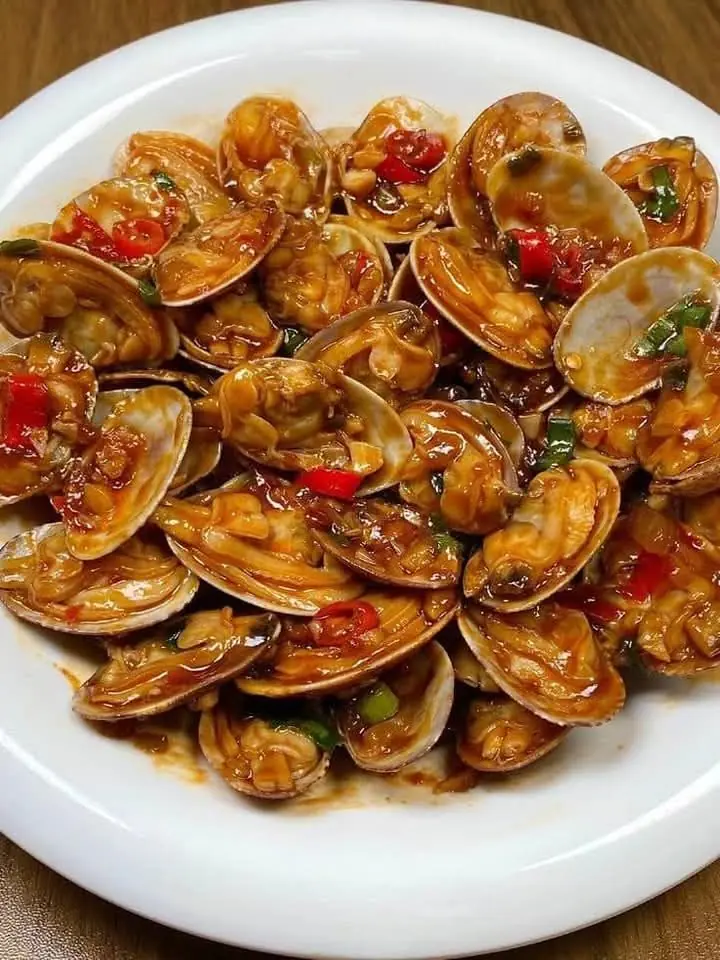
Spicy Garlic Stir-Fried Clams
Food 18/02/2026 23:34
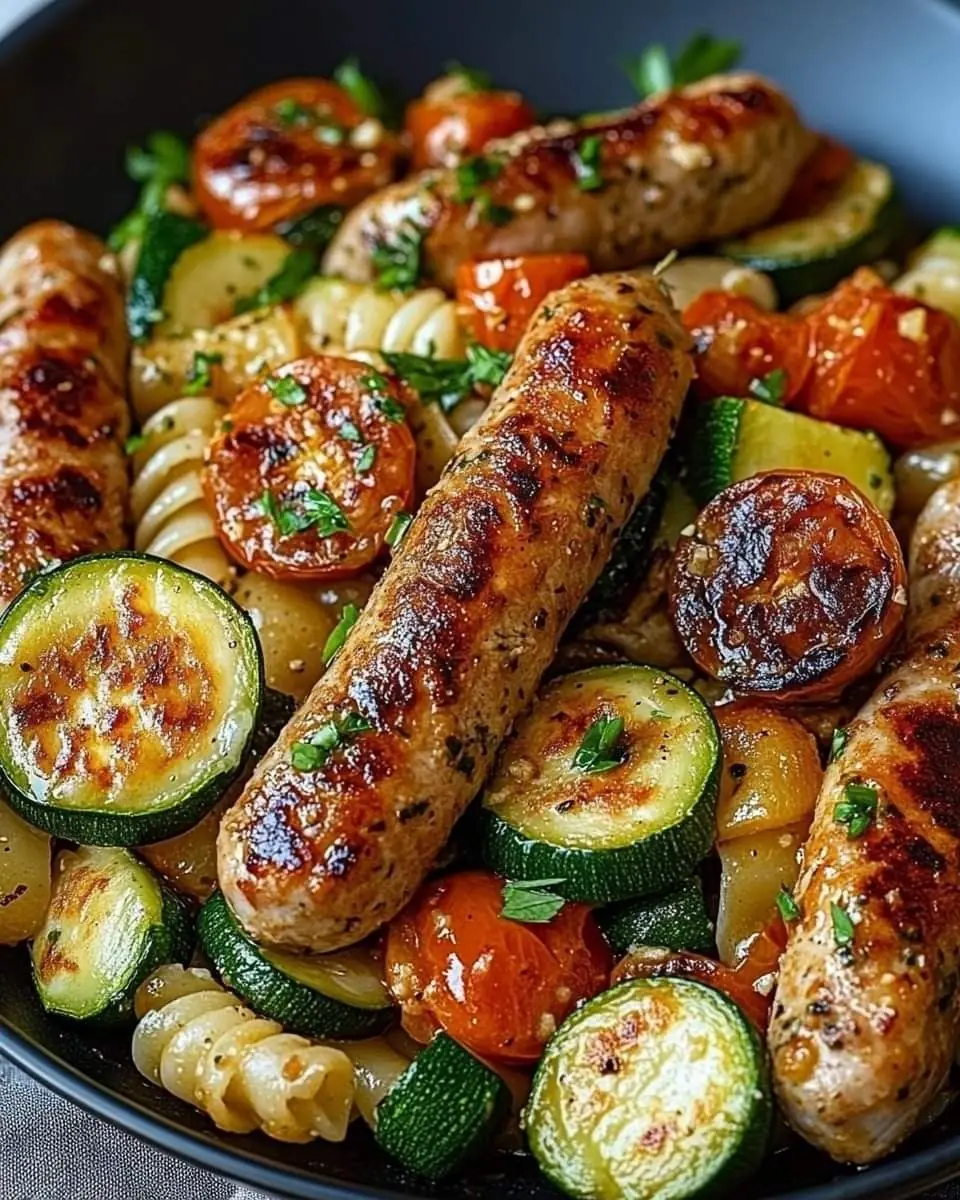
Grilled Sausage with Roasted Vegetables & Pasta
Food 18/02/2026 23:20
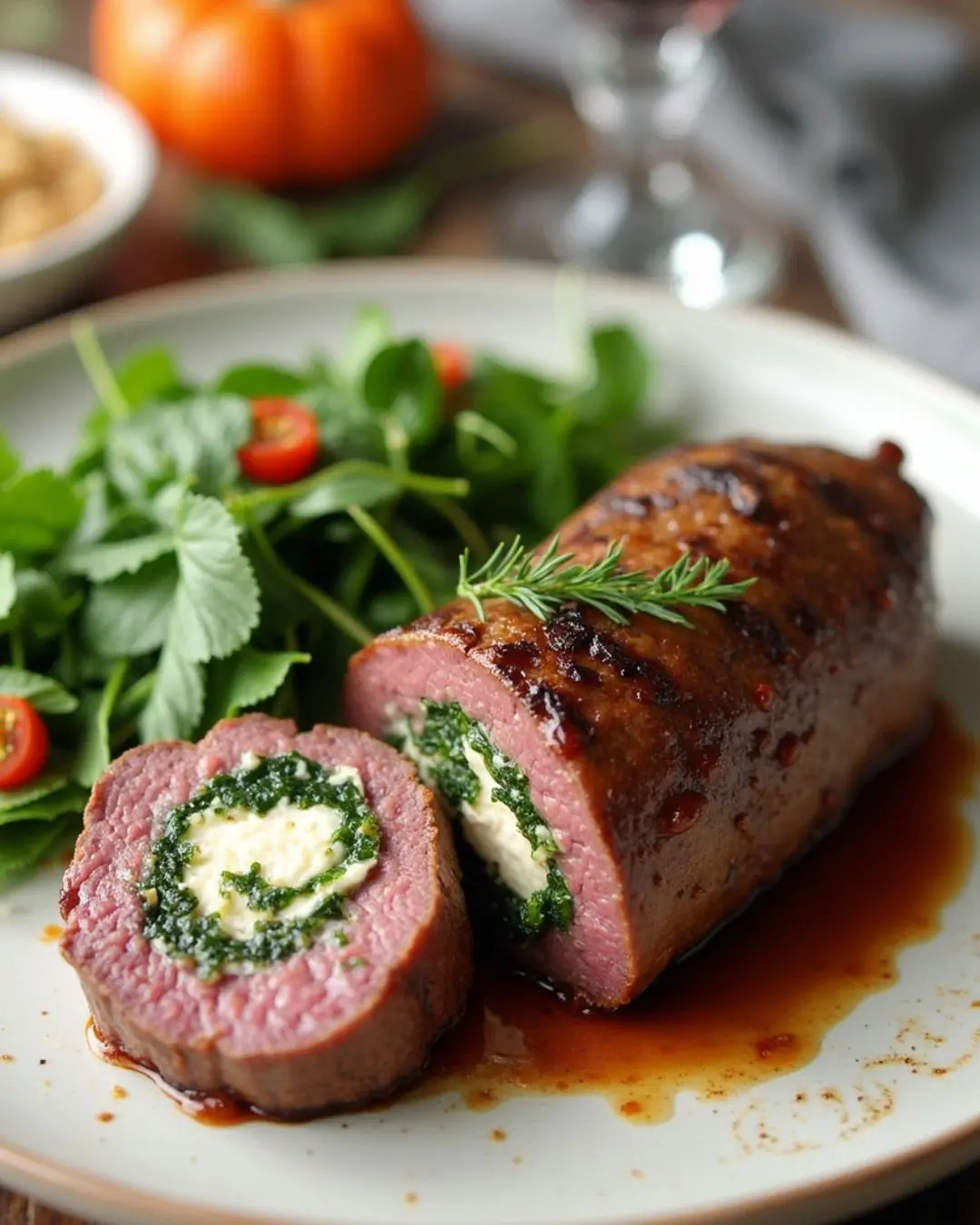
Spinach & Cheese Stuffed Beef Tenderloin 🥩🧀🌿
Food 18/02/2026 23:08
Satisfaction Might Be the Most Overlooked Nutrient
Health Food 18/02/2026 23:07
You Don’t Just Eat Food — You Eat Your Environment Too
Health Food 18/02/2026 23:05
Why Repeating the Same Meals Can Actually Make Healthy Eating Easier
Health Food 18/02/2026 23:04
The Texture of Your Food May Influence How Much You Eat — Without You Realizing It
Health Food 18/02/2026 23:02
When “Saving Calories” Earlier in the Day Quietly Backfires
Health Food 18/02/2026 23:01
Why Warm Meals Often Feel More Satisfying — Even When Calories Are the Same
Health Food 18/02/2026 22:59
Your Food Preferences Aren’t Fixed — They’re More Trainable Than You Think
Health Food 18/02/2026 22:58
Ever Notice How Restaurant Meals Feel Easier to Keep Eating — Even When You’re Already Full?
Health Food 18/02/2026 22:54
A Single Night of Poor Sleep Can Quietly Change How Hungry You Feel the Next Day
Health Food 18/02/2026 22:53
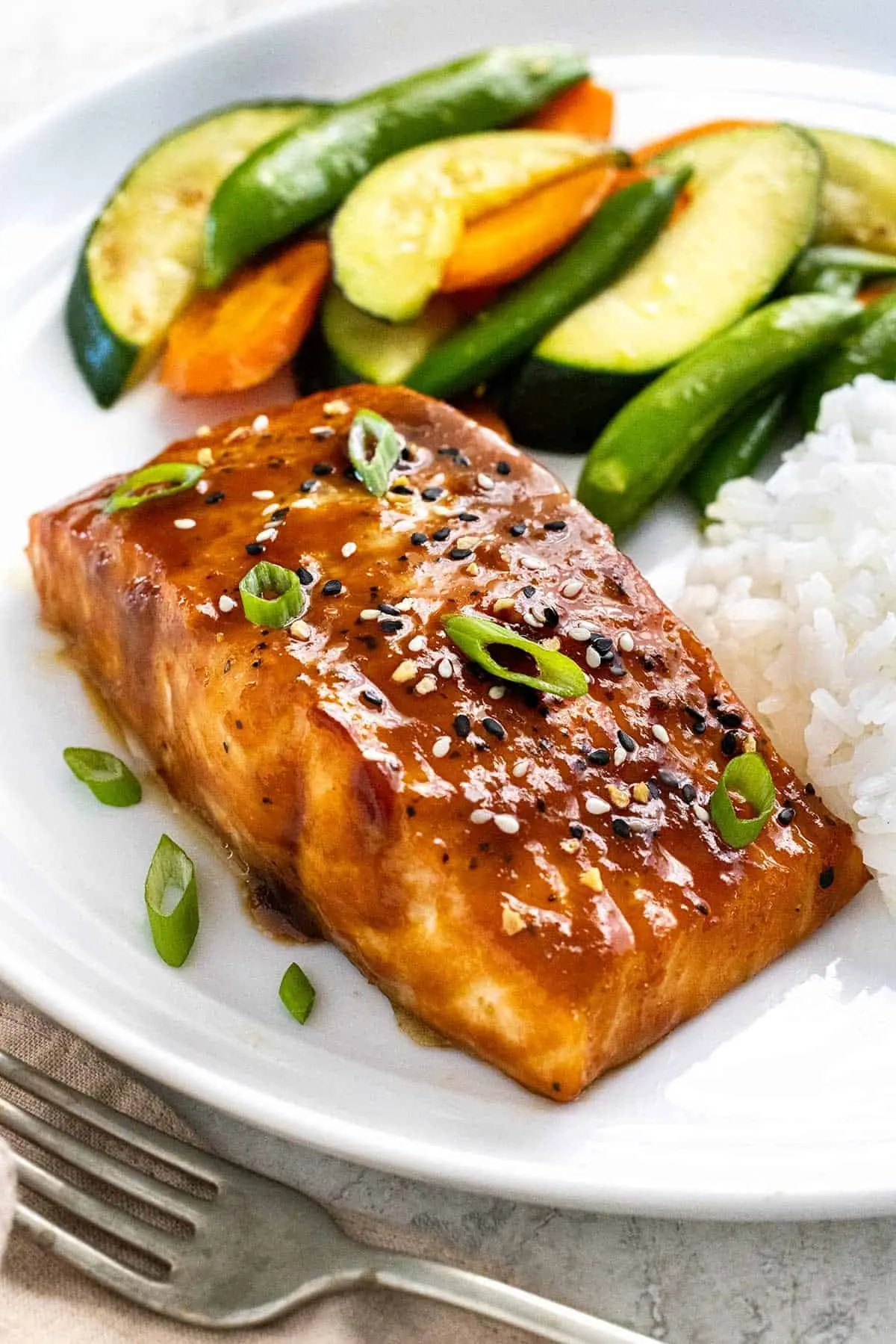
Honey Garlic Glazed Salmon with Steamed Rice & Sautéed Greens
Honey Garlic Glazed Salmon with Steamed Rice & Sautéed Greens
Food 18/02/2026 21:55
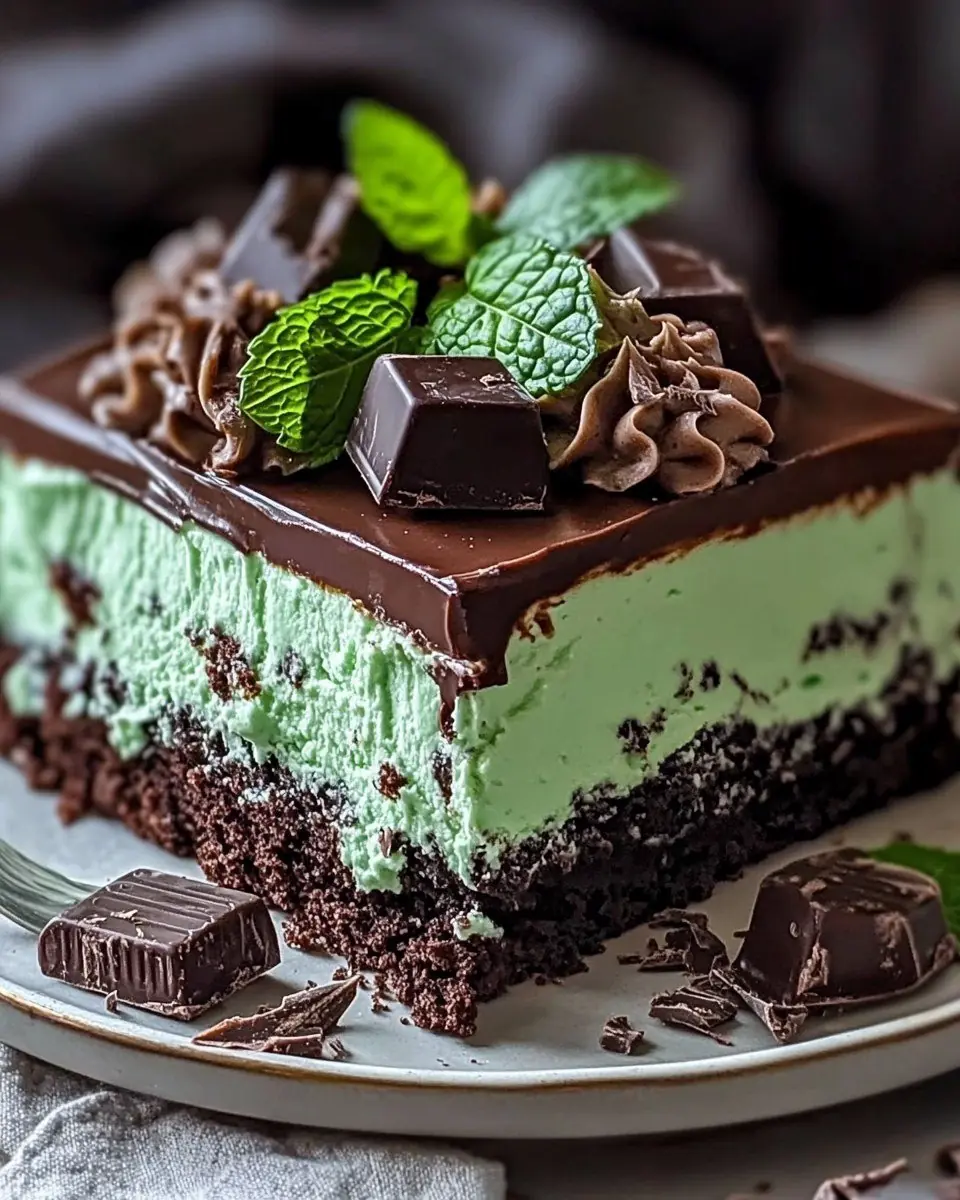
Chocolate Mint Dream Bars – A Decadent Layered Dessert You’ll Crave Again and Again
Chocolate Mint Dream Bars – A Decadent Layered Dessert You’ll Crave Again and Again
Food 18/02/2026 21:52
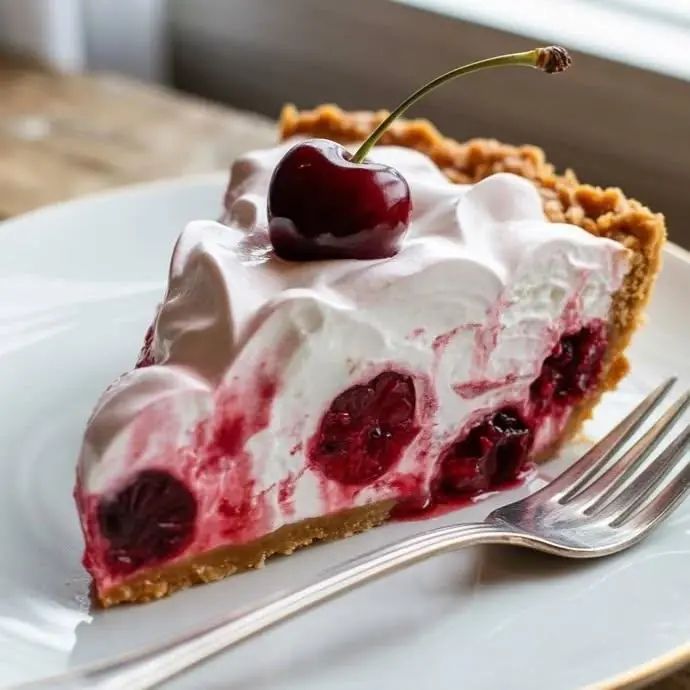
Cherry Pineapple Pie
Cherry Pineapple Pie
Food 18/02/2026 13:17
Easy Pasta Salad
Easy Pasta Salad
Food 18/02/2026 13:03
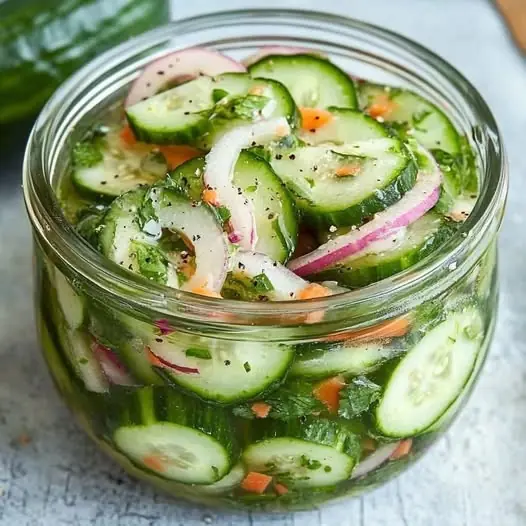
Fresh Pickled Cucumber Salad: A Crisp, Tangy Favorite That Only Gets Better With Time
When it comes to simple yet satisfying side dishes, few recipes can match the refreshing appeal of fresh pickled cucumber salad. Light, crunchy, and packed with bold tangy flavor, this easy-to-make dish has become a beloved staple in many kitchens. Not on
Food 18/02/2026 02:45