Health Food 18/02/2026 22:53
A Single Night of Poor Sleep Can Quietly Change How Hungry You Feel the Next Day
Most people think appetite is primarily shaped by one thing: food.
Calories in, calories out. Eat more, feel full. Eat less, feel hungry.
But your body is far more interconnected than that.
In fact, one of the strongest regulators of hunger doesn’t begin in the kitchen — it begins the night before, when you go to sleep.
And even a single night of insufficient sleep can subtly shift the way your brain and body respond to food the next day.
Not dramatically. Not catastrophically.
But consistently enough to matter.
Your Hormones Work the Night Shift
While you sleep, your body is far from inactive. Behind the scenes, a complex hormonal recalibration takes place — one that directly influences appetite.
Two key hormones help regulate this system:
Ghrelin, often called the “hunger hormone,” signals that it’s time to eat.
Leptin, sometimes referred to as the “satiety hormone,” communicates that you’ve had enough.
Under well-rested conditions, these hormones operate in balance.
But when sleep is shortened, that balance begins to tilt.
Research has repeatedly shown that sleep restriction tends to:
increase ghrelin
reduce leptin
The result is not just feeling slightly hungrier — but experiencing a stronger drive toward food overall.
And interestingly, the body doesn’t just ask for any food.
It often nudges you toward quick energy.
Why You Crave Different Foods After Poor Sleep
After a short night, many people notice a quiet shift in preference.

Suddenly, foods that are:
sweeter
saltier
richer
more energy-dense
seem particularly appealing.
This is not a coincidence.
When the brain is fatigued, it becomes more sensitive to reward signals while simultaneously dialing down activity in areas responsible for impulse regulation.
From a survival standpoint, this makes sense.
Your brain interprets sleep loss as a form of stress. It responds by encouraging you to seek efficient fuel — fast.
Not because your body is failing…
…but because it is trying to protect you.
The Energy Gap You Didn’t Know You Had
Sleep deprivation also creates a subtle mismatch between how much energy you feel you need and how much you actually expend.

You might assume that being awake longer burns dramatically more calories.
In reality, the increase is relatively modest.
Yet appetite often rises far beyond that difference.
This helps explain why people frequently eat more following short sleep — sometimes without realizing it.
Not out of carelessness.
Out of physiology.
Decision-Making Gets Harder, Too
There is another layer that often goes unnoticed.
Sleep loss affects the prefrontal cortex — the region involved in planning and thoughtful decision-making.
Meanwhile, emotional and reward-driven brain centers become more reactive.
So the question shifts from:
"What would best support my body?"
to something closer to:
"What feels easiest right now?"
Convenience gains power when mental energy is low.
Again — not a character flaw.
A neurological state.
A Familiar Scenario
After a poor night’s sleep, imagine the following day:
You skip cooking and reach for something quick.
You snack earlier than usual.
Portions creep slightly upward.
Dessert feels unusually persuasive.
None of these choices seem dramatic on their own.
Yet together, they reflect the quiet influence of sleep on appetite regulation.
Supporting Appetite Begins Before Morning
Nutrition conversations often focus on meal composition — protein, fiber, fats.
And those absolutely matter.

But sleep is a foundational regulator that shapes how those meals will be experienced in the first place.
When you are well-rested:
hunger signals tend to feel clearer
cravings soften
satisfaction arrives more predictably
It becomes easier to eat in alignment with your needs — without constant negotiation.
Gentle Ways to Protect Sleep
You don’t need perfect nights to benefit from this insight.
Consistency matters more than perfection.
Small habits can support more stable sleep:
keeping a regular sleep window
dimming lights in the evening
reducing late-night screen exposure
allowing time to mentally unwind
Think of sleep less as passive rest…
…and more as metabolic preparation for the next day.
The Bigger Perspective
If you ever find yourself unusually hungry after a short night, consider responding with curiosity rather than criticism.
Your body may simply be reacting to a biological signal — not a lapse in discipline.
Because appetite is not governed by willpower alone.
It is shaped by hormones, brain activity, energy regulation, and recovery.
And sometimes, the most supportive nutrition decision isn’t found on your plate at all.
It begins with giving your body the sleep it quietly depends on.
Calories in, calories out. Eat more, feel full. Eat less, feel hungry.
But your body is far more interconnected than that.
In fact, one of the strongest regulators of hunger doesn’t begin in the kitchen — it begins the night before, when you go to sleep.
And even a single night of insufficient sleep can subtly shift the way your brain and body respond to food the next day.
Not dramatically. Not catastrophically.
But consistently enough to matter.
Your Hormones Work the Night Shift
While you sleep, your body is far from inactive. Behind the scenes, a complex hormonal recalibration takes place — one that directly influences appetite.
Two key hormones help regulate this system:
Ghrelin, often called the “hunger hormone,” signals that it’s time to eat.
Leptin, sometimes referred to as the “satiety hormone,” communicates that you’ve had enough.
Under well-rested conditions, these hormones operate in balance.
But when sleep is shortened, that balance begins to tilt.
Research has repeatedly shown that sleep restriction tends to:
increase ghrelin
reduce leptin
The result is not just feeling slightly hungrier — but experiencing a stronger drive toward food overall.
And interestingly, the body doesn’t just ask for any food.
It often nudges you toward quick energy.
Why You Crave Different Foods After Poor Sleep
After a short night, many people notice a quiet shift in preference.
Suddenly, foods that are:
sweeter
saltier
richer
more energy-dense
seem particularly appealing.
This is not a coincidence.
When the brain is fatigued, it becomes more sensitive to reward signals while simultaneously dialing down activity in areas responsible for impulse regulation.
From a survival standpoint, this makes sense.
Your brain interprets sleep loss as a form of stress. It responds by encouraging you to seek efficient fuel — fast.
Not because your body is failing…
…but because it is trying to protect you.
The Energy Gap You Didn’t Know You Had
Sleep deprivation also creates a subtle mismatch between how much energy you feel you need and how much you actually expend.
You might assume that being awake longer burns dramatically more calories.
In reality, the increase is relatively modest.
Yet appetite often rises far beyond that difference.
This helps explain why people frequently eat more following short sleep — sometimes without realizing it.
Not out of carelessness.
Out of physiology.
Decision-Making Gets Harder, Too
There is another layer that often goes unnoticed.
Sleep loss affects the prefrontal cortex — the region involved in planning and thoughtful decision-making.
Meanwhile, emotional and reward-driven brain centers become more reactive.
So the question shifts from:
"What would best support my body?"
to something closer to:
"What feels easiest right now?"
Convenience gains power when mental energy is low.
Again — not a character flaw.
A neurological state.
A Familiar Scenario
After a poor night’s sleep, imagine the following day:
You skip cooking and reach for something quick.
You snack earlier than usual.
Portions creep slightly upward.
Dessert feels unusually persuasive.
None of these choices seem dramatic on their own.
Yet together, they reflect the quiet influence of sleep on appetite regulation.
Supporting Appetite Begins Before Morning
Nutrition conversations often focus on meal composition — protein, fiber, fats.
And those absolutely matter.
But sleep is a foundational regulator that shapes how those meals will be experienced in the first place.
When you are well-rested:
hunger signals tend to feel clearer
cravings soften
satisfaction arrives more predictably
It becomes easier to eat in alignment with your needs — without constant negotiation.
Gentle Ways to Protect Sleep
You don’t need perfect nights to benefit from this insight.
Consistency matters more than perfection.
Small habits can support more stable sleep:
keeping a regular sleep window
dimming lights in the evening
reducing late-night screen exposure
allowing time to mentally unwind
Think of sleep less as passive rest…
…and more as metabolic preparation for the next day.
The Bigger Perspective
If you ever find yourself unusually hungry after a short night, consider responding with curiosity rather than criticism.
Your body may simply be reacting to a biological signal — not a lapse in discipline.
Because appetite is not governed by willpower alone.
It is shaped by hormones, brain activity, energy regulation, and recovery.
And sometimes, the most supportive nutrition decision isn’t found on your plate at all.
It begins with giving your body the sleep it quietly depends on.
News in the same category

You Don’t Just Eat Food — You Eat Your Environment Too

Why Repeating the Same Meals Can Actually Make Healthy Eating Easier
The Texture of Your Food May Influence How Much You Eat — Without You Realizing It

When “Saving Calories” Earlier in the Day Quietly Backfires

Why Warm Meals Often Feel More Satisfying — Even When Calories Are the Same
Your Food Preferences Aren’t Fixed — They’re More Trainable Than You Think

The First Few Bites Deliver the Most Pleasure — And Your Brain Knows It
Ever Notice How Restaurant Meals Feel Easier to Keep Eating — Even When You’re Already Full?
“I Deserve This” Eating Often Happens Automatically — Not Because You Lack Discipline

The More Decisions You Make, The Harder Healthy Eating Can Become

“Natural Sugar” Is Still Sugar — But Context Changes Everything

Your Eating Speed Has Changed — But Your Biology Hasn’t
Ever Wonder Why Stopping at Just One Bite Feels Hard with Certain Foods?
Eating All Day Without Breaks May Be Confusing Your Body’s Natural Hunger Signals
The Color of Your Plate Might Reveal More About Your Nutrition Than You Realize
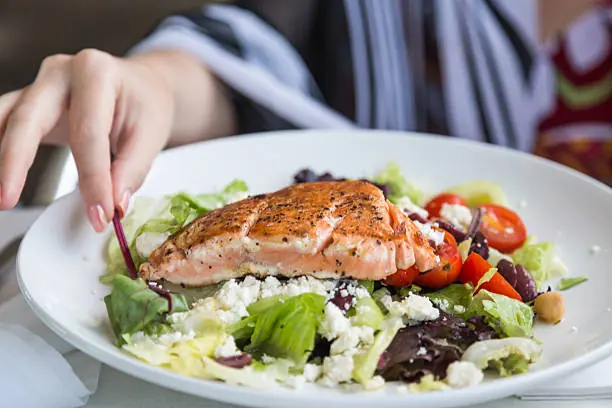
Some “Light” Foods Don’t Actually Help You Eat Less — They May Quietly Do the Opposite
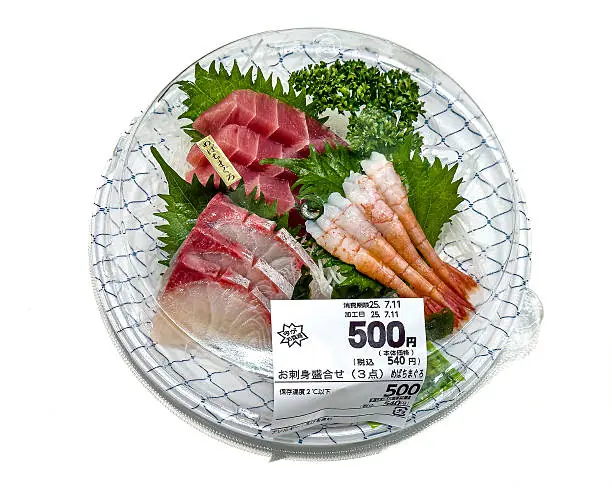
500 Calories Can Look Completely Different on a Plate — And Your Brain Knows It

You Might Be Drinking Enough Water — But Some Foods Could Still Be Dehydrating You
News Post
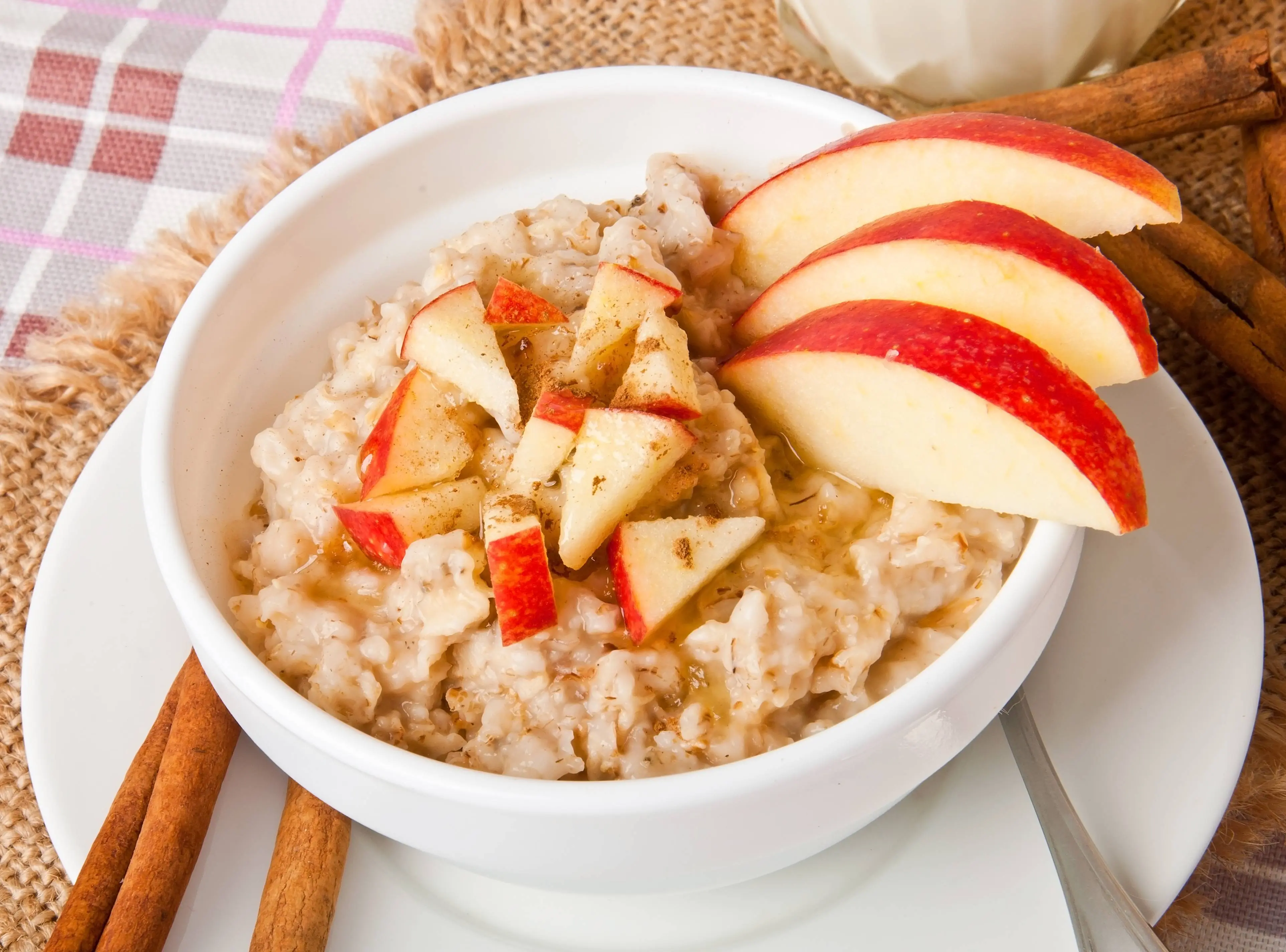
Oats and Apples: The No-Sugar, No-Flour Recipe That’s Winning Over Health-Conscious Kitchens
Healthy eating starts with smart, simple choices.
Food 19/02/2026 01:45

Halloumi Apple Salad with Cranberries
Food 18/02/2026 23:53

Spicy Garlic Stir-Fried Clams
Food 18/02/2026 23:34
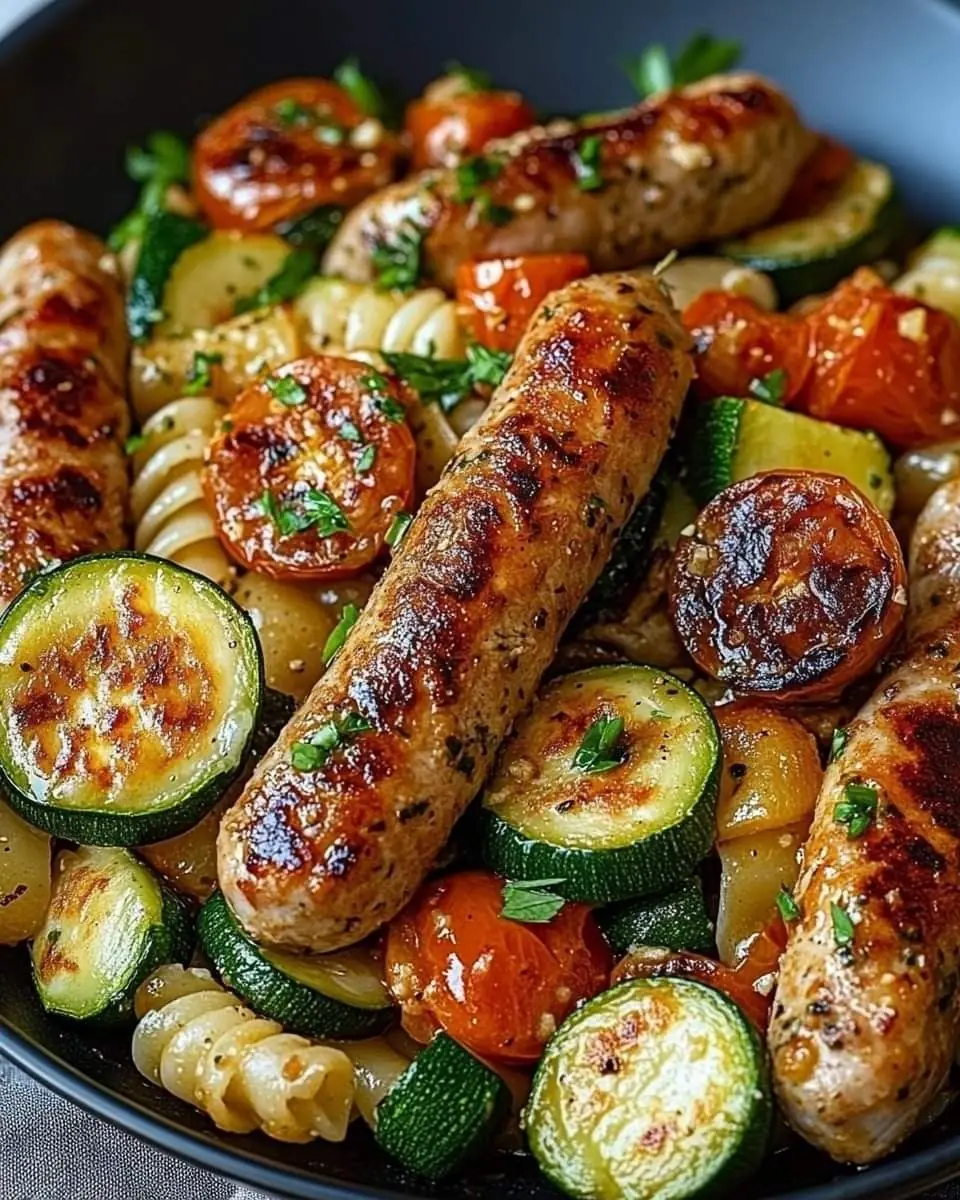
Grilled Sausage with Roasted Vegetables & Pasta
Food 18/02/2026 23:20
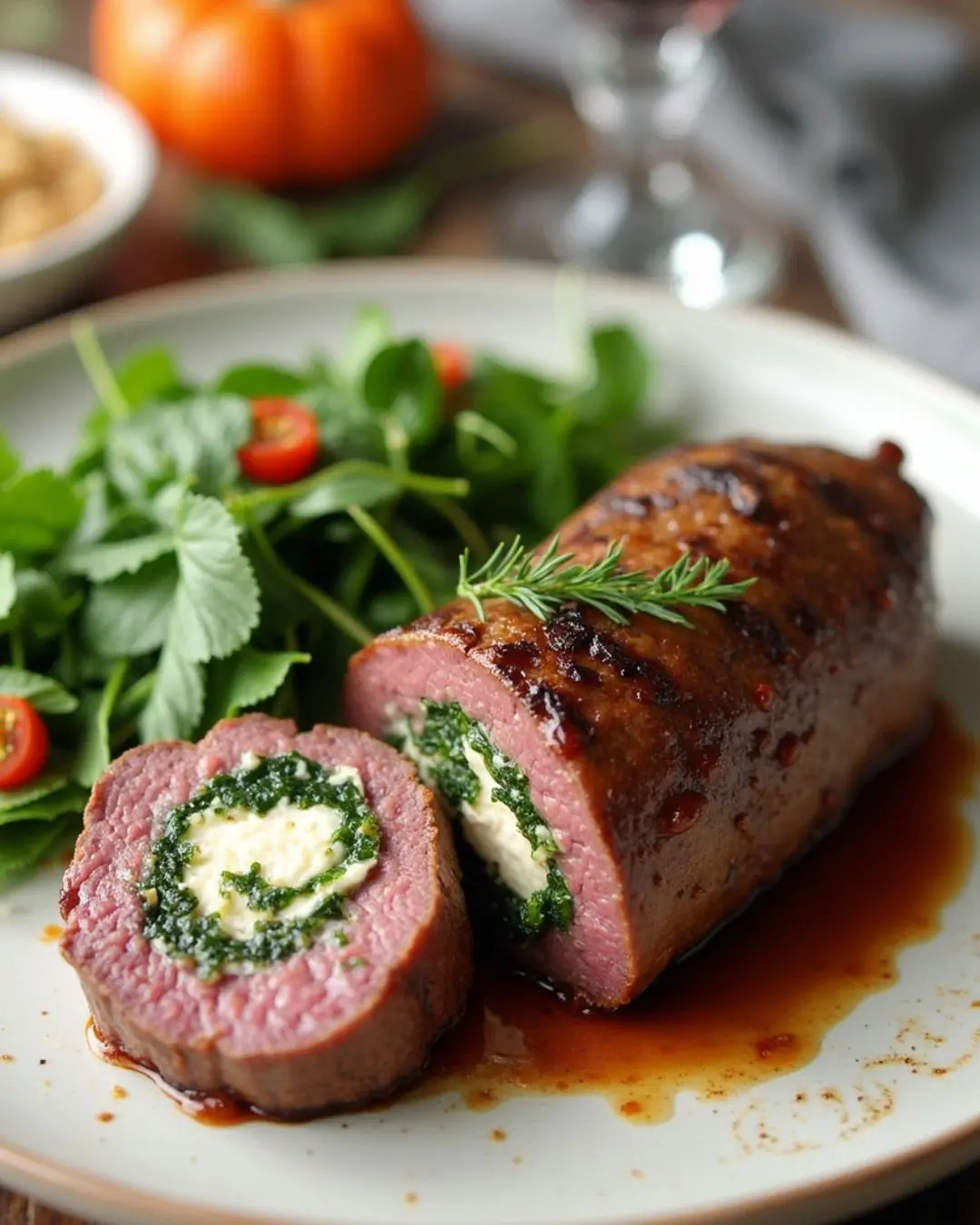
Spinach & Cheese Stuffed Beef Tenderloin 🥩🧀🌿
Food 18/02/2026 23:08
Satisfaction Might Be the Most Overlooked Nutrient
Health Food 18/02/2026 23:07
You Don’t Just Eat Food — You Eat Your Environment Too
Health Food 18/02/2026 23:05
Why Repeating the Same Meals Can Actually Make Healthy Eating Easier
Health Food 18/02/2026 23:04
The Texture of Your Food May Influence How Much You Eat — Without You Realizing It
Health Food 18/02/2026 23:02
When “Saving Calories” Earlier in the Day Quietly Backfires
Health Food 18/02/2026 23:01
Why Warm Meals Often Feel More Satisfying — Even When Calories Are the Same
Health Food 18/02/2026 22:59
Your Food Preferences Aren’t Fixed — They’re More Trainable Than You Think
Health Food 18/02/2026 22:58
The First Few Bites Deliver the Most Pleasure — And Your Brain Knows It
Health Food 18/02/2026 22:56
Ever Notice How Restaurant Meals Feel Easier to Keep Eating — Even When You’re Already Full?
Health Food 18/02/2026 22:54
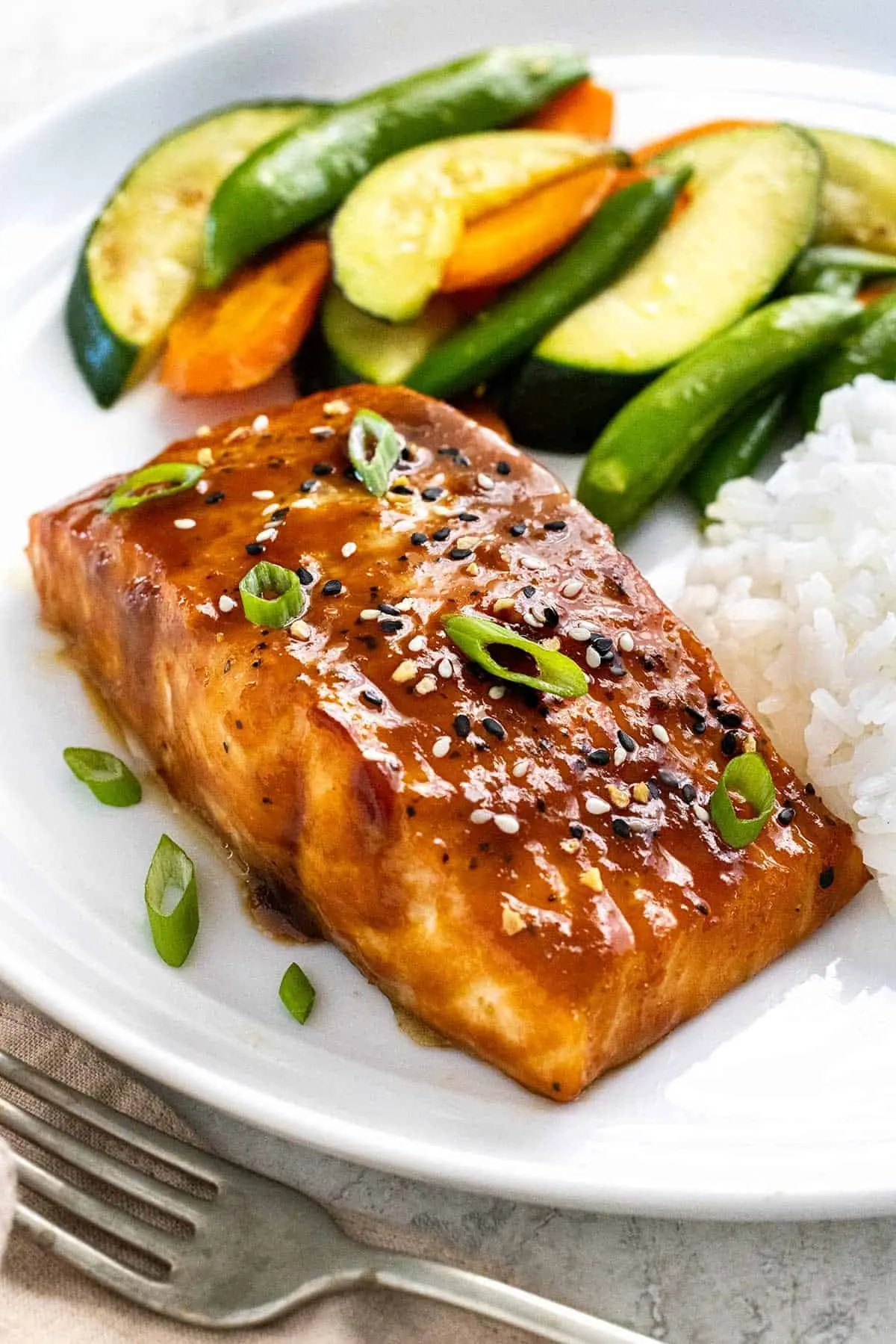
Honey Garlic Glazed Salmon with Steamed Rice & Sautéed Greens
Honey Garlic Glazed Salmon with Steamed Rice & Sautéed Greens
Food 18/02/2026 21:55
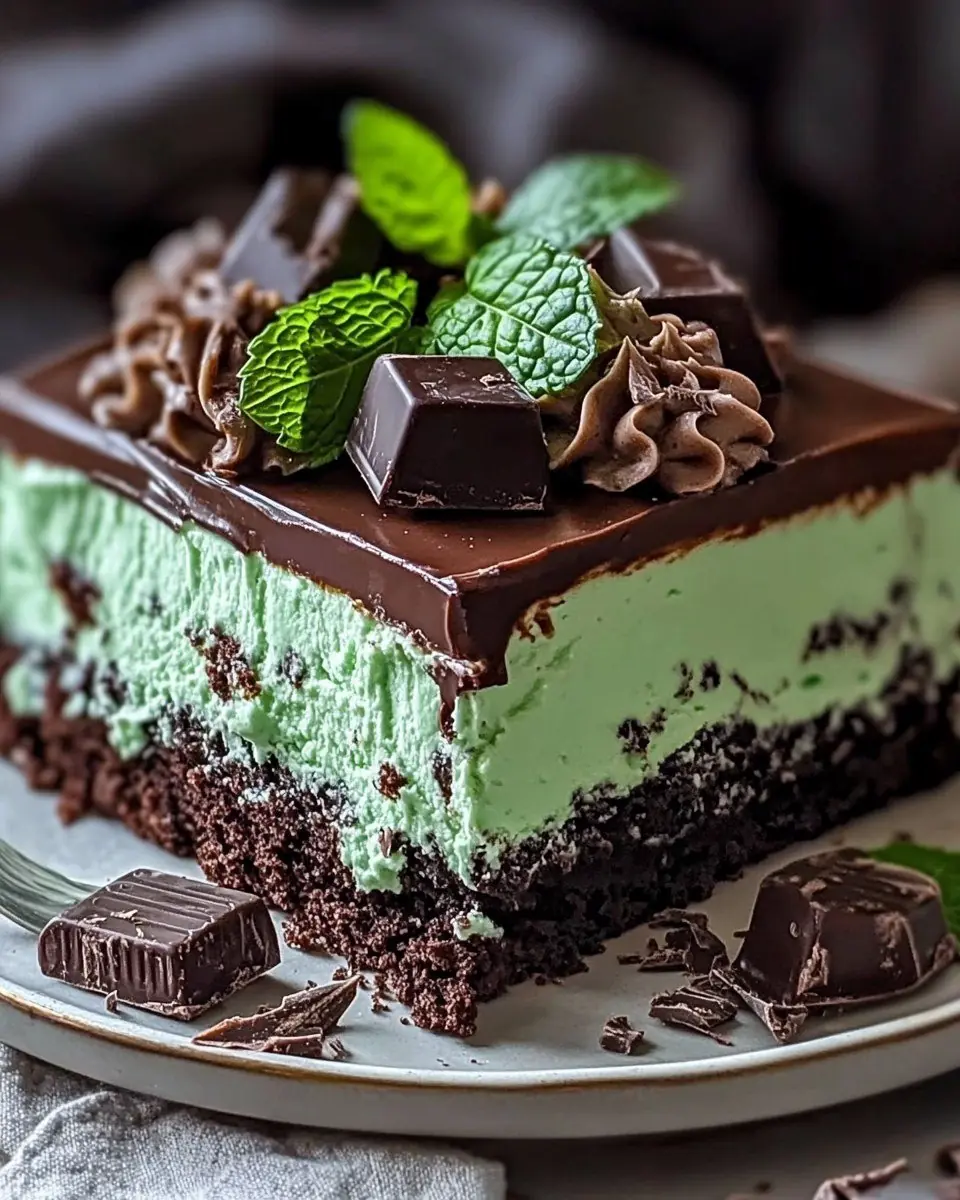
Chocolate Mint Dream Bars – A Decadent Layered Dessert You’ll Crave Again and Again
Chocolate Mint Dream Bars – A Decadent Layered Dessert You’ll Crave Again and Again
Food 18/02/2026 21:52
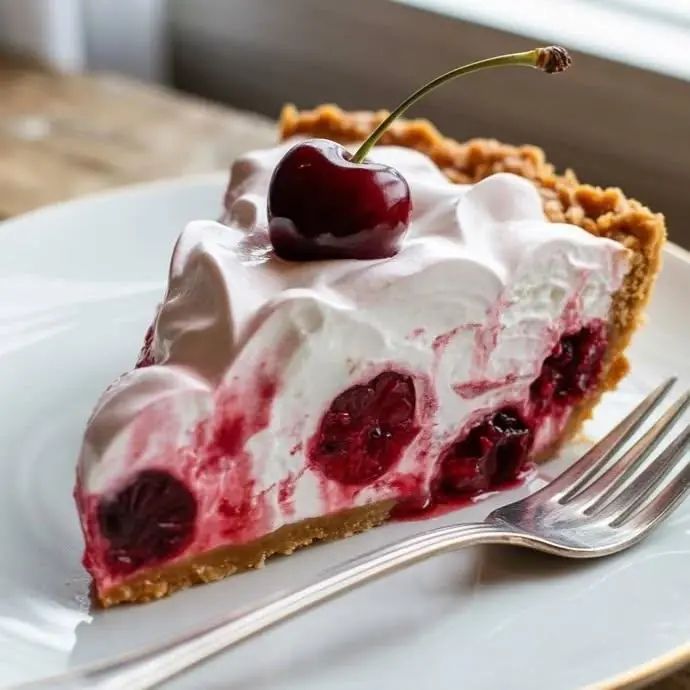
Cherry Pineapple Pie
Cherry Pineapple Pie
Food 18/02/2026 13:17
Easy Pasta Salad
Easy Pasta Salad
Food 18/02/2026 13:03

Fresh Pickled Cucumber Salad: A Crisp, Tangy Favorite That Only Gets Better With Time
When it comes to simple yet satisfying side dishes, few recipes can match the refreshing appeal of fresh pickled cucumber salad. Light, crunchy, and packed with bold tangy flavor, this easy-to-make dish has become a beloved staple in many kitchens. Not on
Food 18/02/2026 02:45