Health Food 18/02/2026 22:54
Ever Notice How Restaurant Meals Feel Easier to Keep Eating — Even When You’re Already Full?
You arrive at a restaurant moderately hungry.
The meal begins. Flavors are vivid, textures inviting, aromas layered.
Before long, you notice something subtle:
You keep eating.
Even past the point where a home-cooked meal might have signaled “enough.”
This experience is remarkably common — and it rarely has anything to do with a lack of self-control.
Instead, it reflects a thoughtful intersection of culinary craft and human biology.
Restaurants Optimize for Enjoyment
At home, meals often prioritize nourishment and practicality.
Restaurants, by contrast, are designed to create pleasure.

Chefs carefully calibrate elements such as:
fat for richness
salt for flavor enhancement
acidity for brightness
texture for contrast
aroma for anticipation
When these components align, the brain’s reward pathways respond strongly.
Eating becomes less about resolving hunger…
…and more about continuing a pleasurable sensory experience.
The Power of Hyper-Palatability
Researchers sometimes use the term hyper-palatable to describe foods that combine ingredients in ways that amplify desirability.
Common pairings include:
fat + salt
fat + refined carbohydrates
sugar + fat
These combinations stimulate dopamine release — reinforcing the behavior and encouraging another bite.
From an evolutionary perspective, humans are wired to notice calorie-dense foods.
Historically, they supported survival.

Modern dining simply concentrates these signals in sophisticated ways.
Variety Keeps the Brain Interested
Many restaurant meals introduce multiple flavors within a single sitting.
Perhaps a savory main dish, a bright side, warm bread, then something sweet.
Each new taste profile refreshes the palate, delaying what scientists call sensory-specific satiety — the natural decline in pleasure that occurs when eating the same food repeatedly.
In other words, variety helps the appetite stay engaged.
Portions Quietly Expand
Another factor is visual normalization.
When larger portions are presented as standard, your brain recalibrates expectations.
You don’t think, “This is oversized.”
You think, “This is the meal.”
External cues often guide intake more than internal ones — especially in stimulating environments.
Atmosphere Shapes Behavior
Restaurants are immersive spaces.
Lighting softens. Music plays. Conversation flows.
Meals stretch longer, attention drifts outward, and eating pace often slows just enough to allow additional bites without urgency.
Interestingly, distraction doesn’t always reduce intake.
Sometimes it extends it.
When awareness is divided, fullness cues can become easier to overlook.
Eating Out Is Not the Problem
It’s important to keep perspective.
Restaurant meals can absolutely be part of a balanced lifestyle.
Connection, celebration, and enjoyment are meaningful dimensions of wellbeing.
The value of understanding these dynamics is not to create caution — but clarity.

Because once you see the forces at play, you gain more choice in how you respond.
Small Ways to Stay Connected to Your Signals
Without turning the meal into a calculation, gentle awareness can help:
pause midway and notice your fullness
share dishes when portions are large
eat at a relaxed pace
appreciate the flavors intentionally
Often, satisfaction peaks before the plate is empty.
Recognizing that moment is a skill — one that becomes easier with practice.
The Bigger Perspective
If you ever leave a restaurant wondering why it felt so easy to keep eating, consider the broader picture.
You weren’t simply responding to hunger.
You were responding to craftsmanship, sensory stimulation, environment, and deeply rooted biology.
That is not weakness.
It is humanity.
Because eating is never purely mechanical.
It is experiential.
And sometimes the most powerful shift is replacing self-judgment with understanding — recognizing that your brain was doing exactly what it has evolved to do:
Move toward pleasure.
Stay with what feels rewarding.
With awareness, that experience can remain joyful — while still allowing your internal signals to have a seat at the table.
The meal begins. Flavors are vivid, textures inviting, aromas layered.
Before long, you notice something subtle:
You keep eating.
Even past the point where a home-cooked meal might have signaled “enough.”
This experience is remarkably common — and it rarely has anything to do with a lack of self-control.
Instead, it reflects a thoughtful intersection of culinary craft and human biology.
Restaurants Optimize for Enjoyment
At home, meals often prioritize nourishment and practicality.
Restaurants, by contrast, are designed to create pleasure.
Chefs carefully calibrate elements such as:
fat for richness
salt for flavor enhancement
acidity for brightness
texture for contrast
aroma for anticipation
When these components align, the brain’s reward pathways respond strongly.
Eating becomes less about resolving hunger…
…and more about continuing a pleasurable sensory experience.
The Power of Hyper-Palatability
Researchers sometimes use the term hyper-palatable to describe foods that combine ingredients in ways that amplify desirability.
Common pairings include:
fat + salt
fat + refined carbohydrates
sugar + fat
These combinations stimulate dopamine release — reinforcing the behavior and encouraging another bite.
From an evolutionary perspective, humans are wired to notice calorie-dense foods.
Historically, they supported survival.
Modern dining simply concentrates these signals in sophisticated ways.
Variety Keeps the Brain Interested
Many restaurant meals introduce multiple flavors within a single sitting.
Perhaps a savory main dish, a bright side, warm bread, then something sweet.
Each new taste profile refreshes the palate, delaying what scientists call sensory-specific satiety — the natural decline in pleasure that occurs when eating the same food repeatedly.
In other words, variety helps the appetite stay engaged.
Portions Quietly Expand
Another factor is visual normalization.
When larger portions are presented as standard, your brain recalibrates expectations.
You don’t think, “This is oversized.”
You think, “This is the meal.”
External cues often guide intake more than internal ones — especially in stimulating environments.
Atmosphere Shapes Behavior
Restaurants are immersive spaces.
Lighting softens. Music plays. Conversation flows.
Meals stretch longer, attention drifts outward, and eating pace often slows just enough to allow additional bites without urgency.
Interestingly, distraction doesn’t always reduce intake.
Sometimes it extends it.
When awareness is divided, fullness cues can become easier to overlook.
Eating Out Is Not the Problem
It’s important to keep perspective.
Restaurant meals can absolutely be part of a balanced lifestyle.
Connection, celebration, and enjoyment are meaningful dimensions of wellbeing.
The value of understanding these dynamics is not to create caution — but clarity.
Because once you see the forces at play, you gain more choice in how you respond.
Small Ways to Stay Connected to Your Signals
Without turning the meal into a calculation, gentle awareness can help:
pause midway and notice your fullness
share dishes when portions are large
eat at a relaxed pace
appreciate the flavors intentionally
Often, satisfaction peaks before the plate is empty.
Recognizing that moment is a skill — one that becomes easier with practice.
The Bigger Perspective
If you ever leave a restaurant wondering why it felt so easy to keep eating, consider the broader picture.
You weren’t simply responding to hunger.
You were responding to craftsmanship, sensory stimulation, environment, and deeply rooted biology.
That is not weakness.
It is humanity.
Because eating is never purely mechanical.
It is experiential.
And sometimes the most powerful shift is replacing self-judgment with understanding — recognizing that your brain was doing exactly what it has evolved to do:
Move toward pleasure.
Stay with what feels rewarding.
With awareness, that experience can remain joyful — while still allowing your internal signals to have a seat at the table.
News in the same category

You Don’t Just Eat Food — You Eat Your Environment Too

Why Repeating the Same Meals Can Actually Make Healthy Eating Easier
The Texture of Your Food May Influence How Much You Eat — Without You Realizing It
When “Saving Calories” Earlier in the Day Quietly Backfires

Why Warm Meals Often Feel More Satisfying — Even When Calories Are the Same
Your Food Preferences Aren’t Fixed — They’re More Trainable Than You Think

The First Few Bites Deliver the Most Pleasure — And Your Brain Knows It

A Single Night of Poor Sleep Can Quietly Change How Hungry You Feel the Next Day
“I Deserve This” Eating Often Happens Automatically — Not Because You Lack Discipline

The More Decisions You Make, The Harder Healthy Eating Can Become

“Natural Sugar” Is Still Sugar — But Context Changes Everything

Your Eating Speed Has Changed — But Your Biology Hasn’t
Ever Wonder Why Stopping at Just One Bite Feels Hard with Certain Foods?
Eating All Day Without Breaks May Be Confusing Your Body’s Natural Hunger Signals
The Color of Your Plate Might Reveal More About Your Nutrition Than You Realize
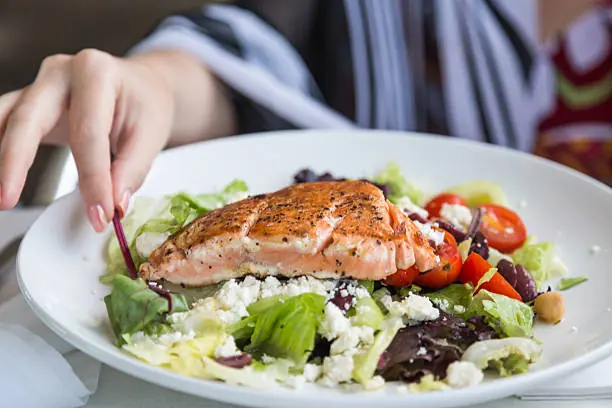
Some “Light” Foods Don’t Actually Help You Eat Less — They May Quietly Do the Opposite
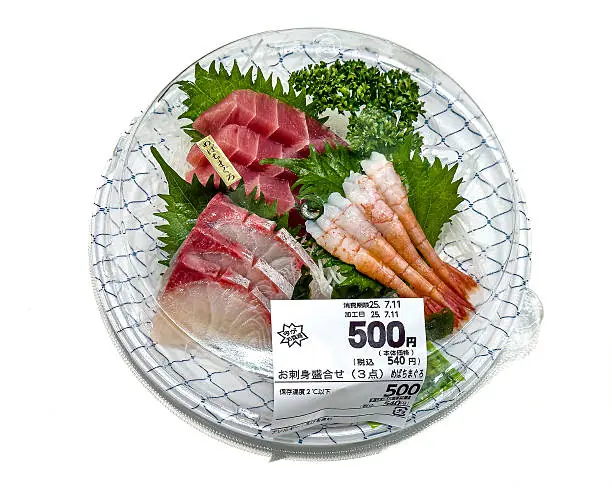
500 Calories Can Look Completely Different on a Plate — And Your Brain Knows It
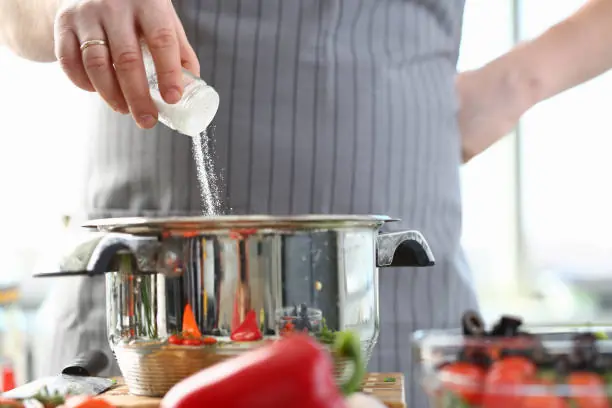
You Might Be Drinking Enough Water — But Some Foods Could Still Be Dehydrating You
News Post
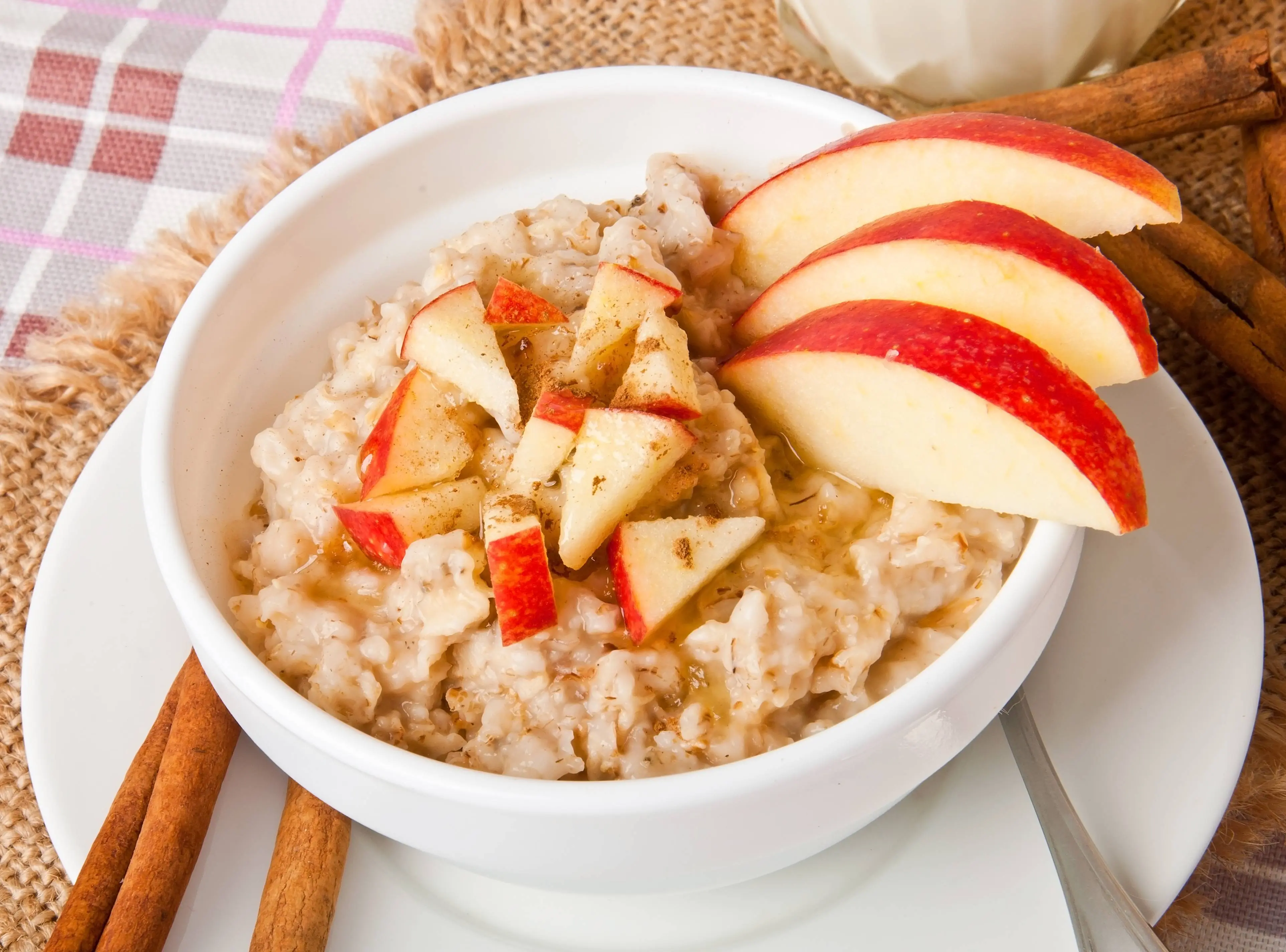
Oats and Apples: The No-Sugar, No-Flour Recipe That’s Winning Over Health-Conscious Kitchens
Healthy eating starts with smart, simple choices.
Food 19/02/2026 01:45
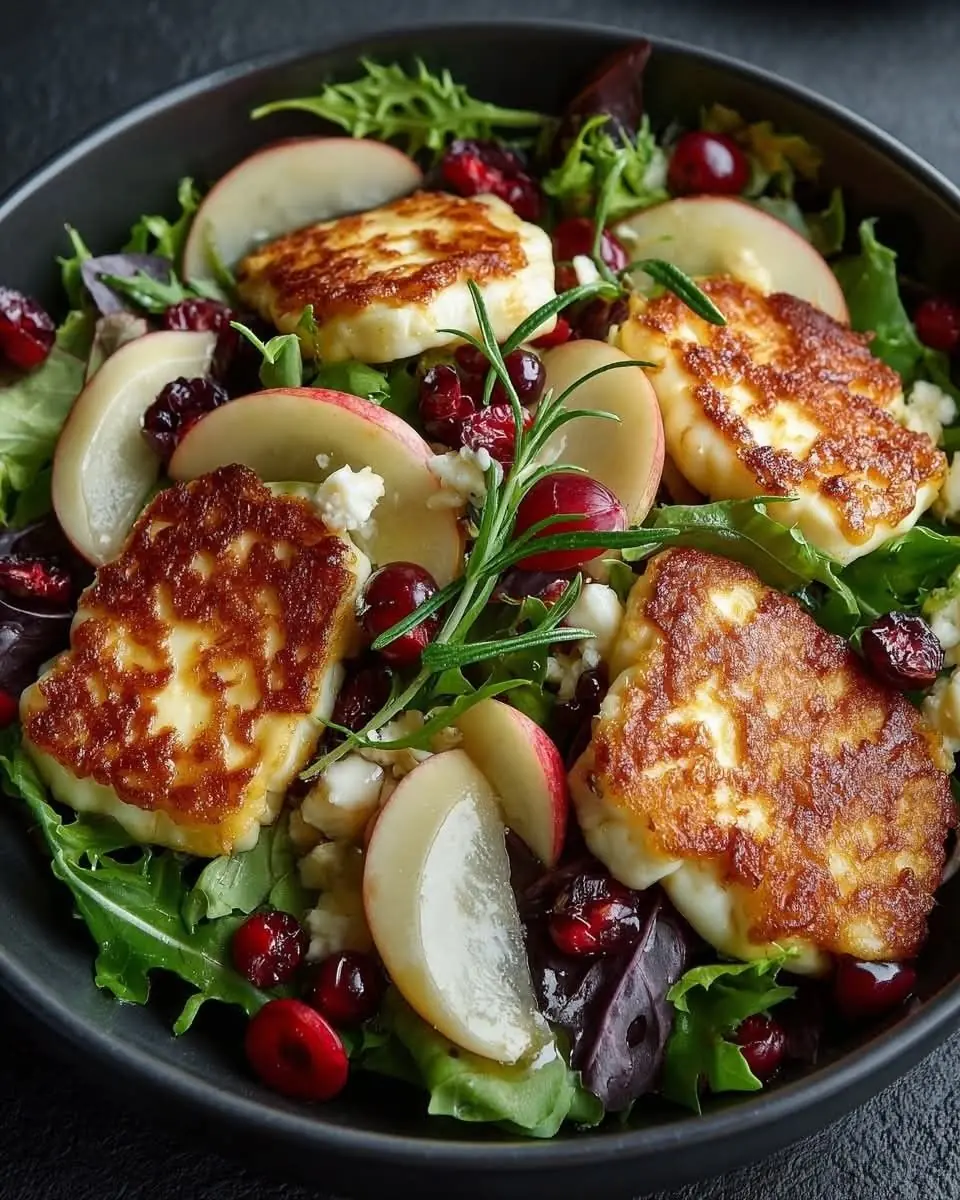
Halloumi Apple Salad with Cranberries
Food 18/02/2026 23:53
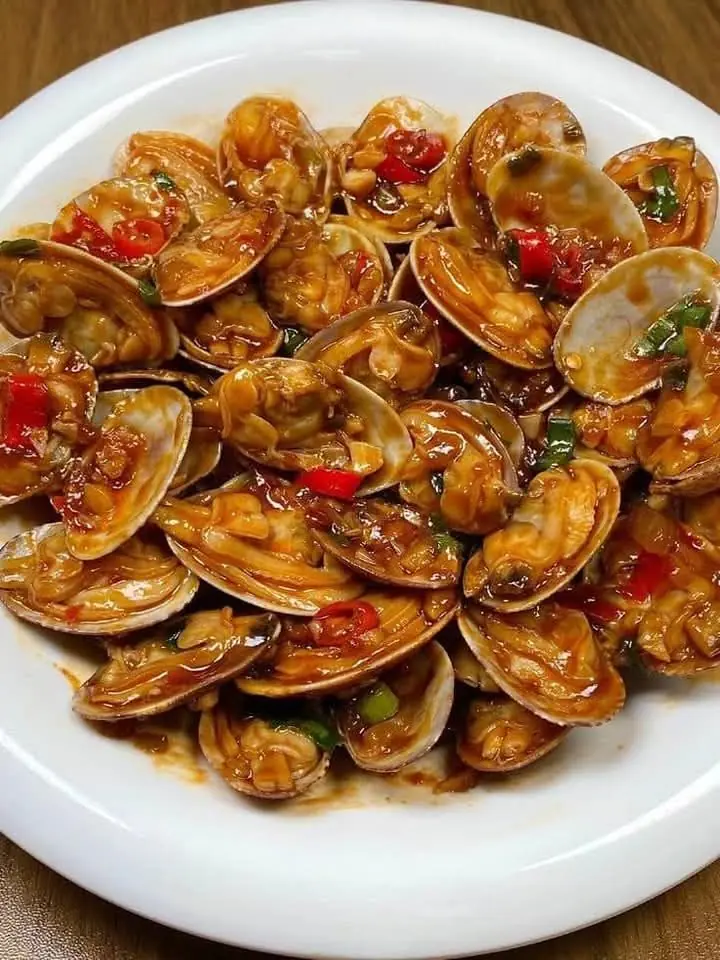
Spicy Garlic Stir-Fried Clams
Food 18/02/2026 23:34
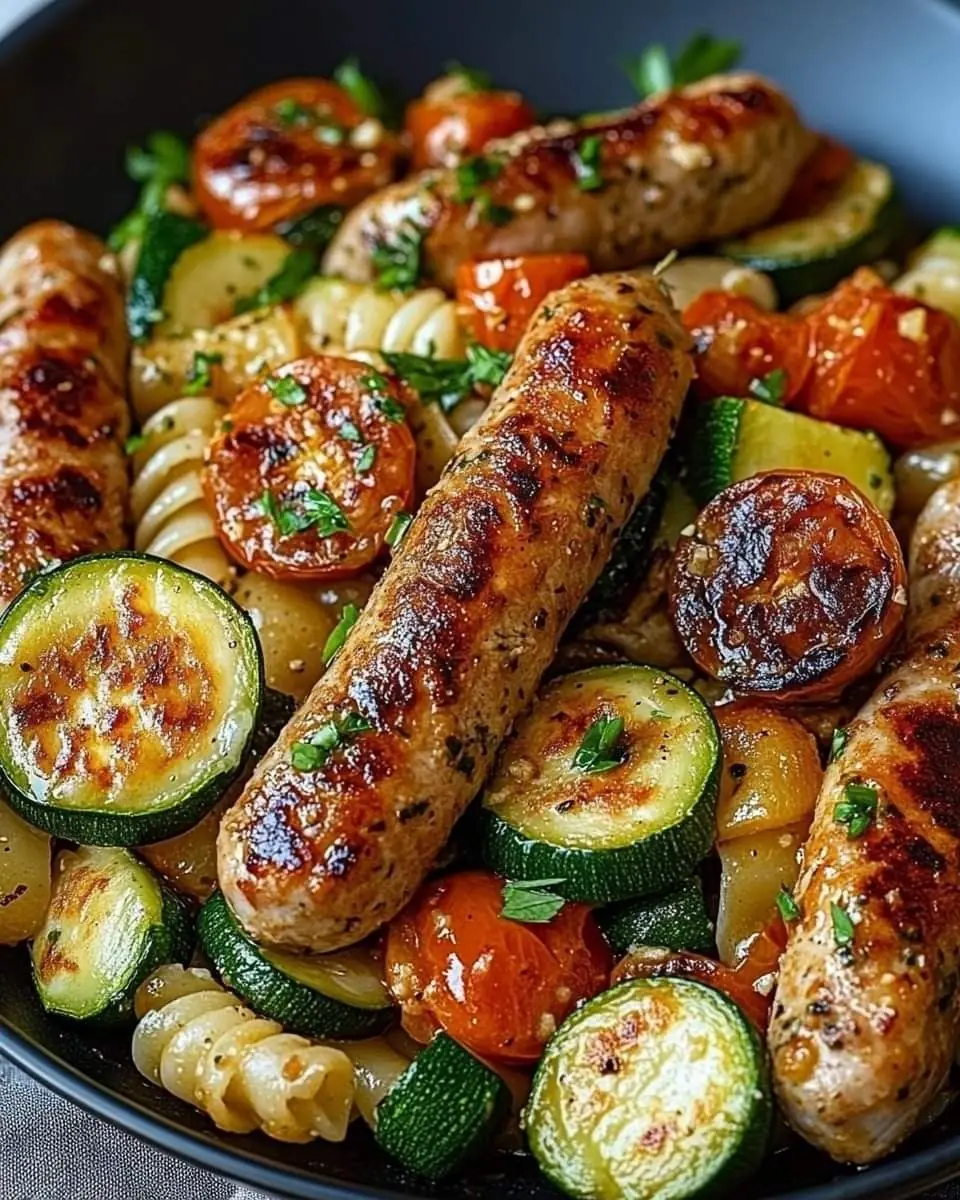
Grilled Sausage with Roasted Vegetables & Pasta
Food 18/02/2026 23:20
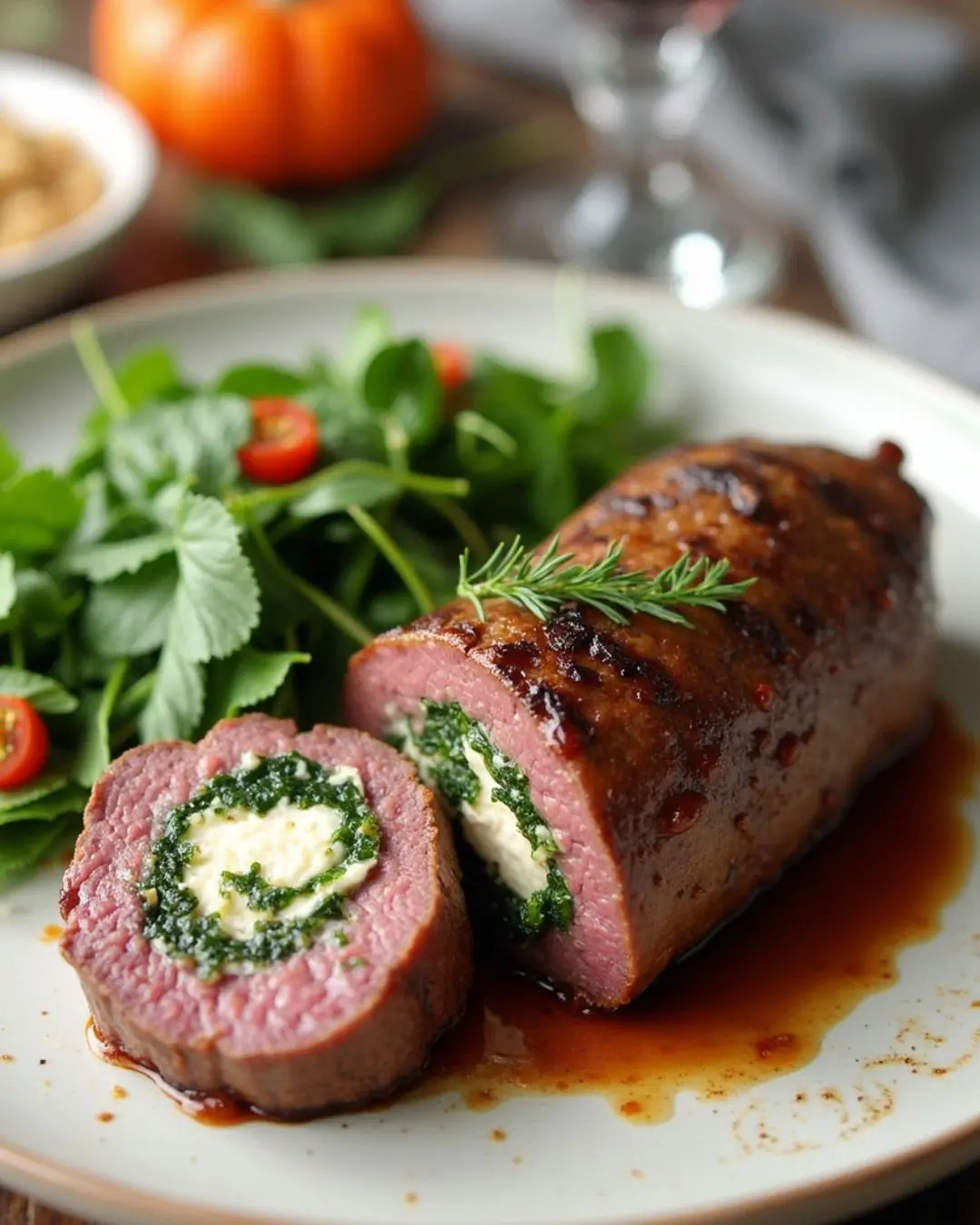
Spinach & Cheese Stuffed Beef Tenderloin 🥩🧀🌿
Food 18/02/2026 23:08
Satisfaction Might Be the Most Overlooked Nutrient
Health Food 18/02/2026 23:07
You Don’t Just Eat Food — You Eat Your Environment Too
Health Food 18/02/2026 23:05
Why Repeating the Same Meals Can Actually Make Healthy Eating Easier
Health Food 18/02/2026 23:04
The Texture of Your Food May Influence How Much You Eat — Without You Realizing It
Health Food 18/02/2026 23:02
When “Saving Calories” Earlier in the Day Quietly Backfires
Health Food 18/02/2026 23:01
Why Warm Meals Often Feel More Satisfying — Even When Calories Are the Same
Health Food 18/02/2026 22:59
Your Food Preferences Aren’t Fixed — They’re More Trainable Than You Think
Health Food 18/02/2026 22:58
The First Few Bites Deliver the Most Pleasure — And Your Brain Knows It
Health Food 18/02/2026 22:56
A Single Night of Poor Sleep Can Quietly Change How Hungry You Feel the Next Day
Health Food 18/02/2026 22:53
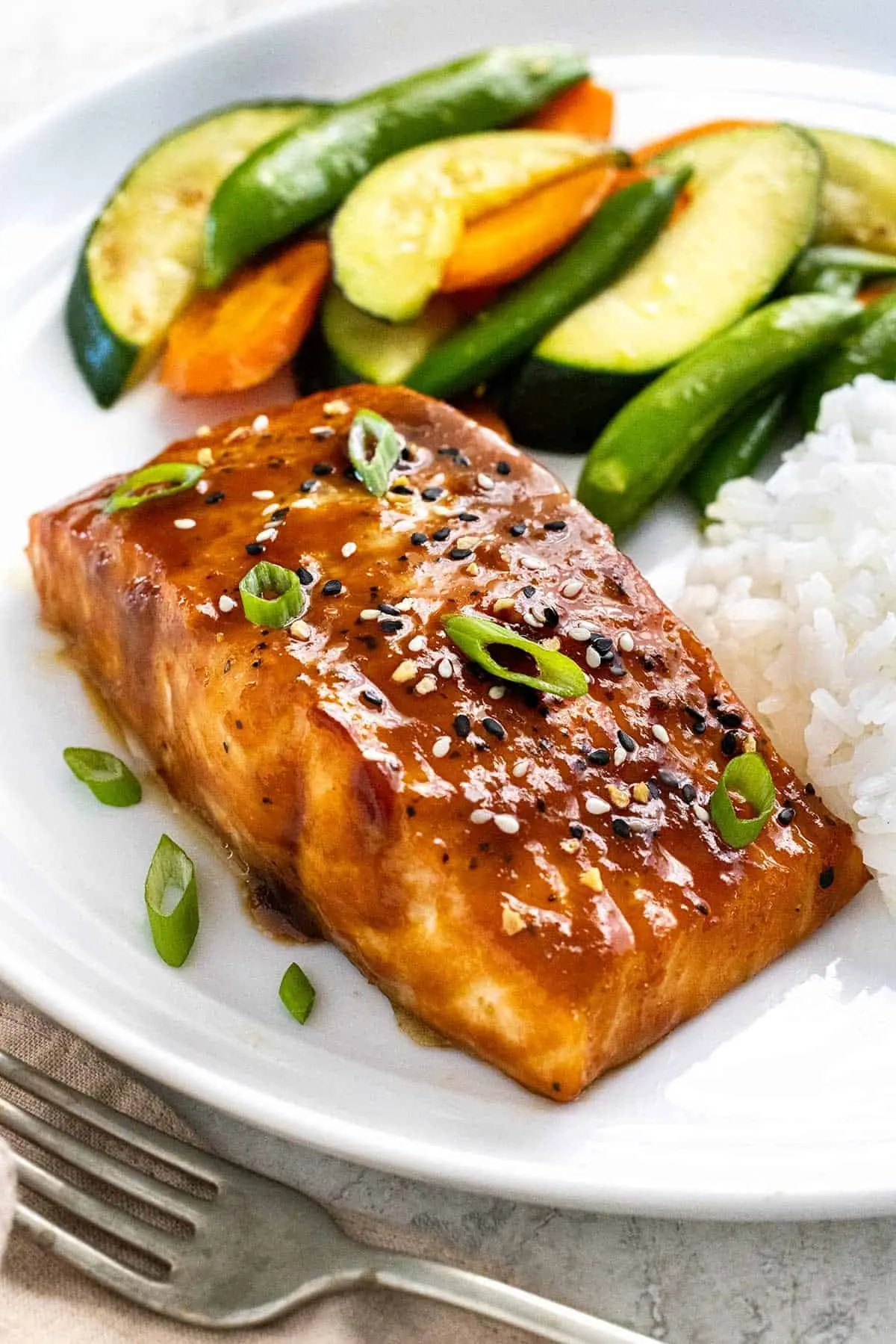
Honey Garlic Glazed Salmon with Steamed Rice & Sautéed Greens
Honey Garlic Glazed Salmon with Steamed Rice & Sautéed Greens
Food 18/02/2026 21:55
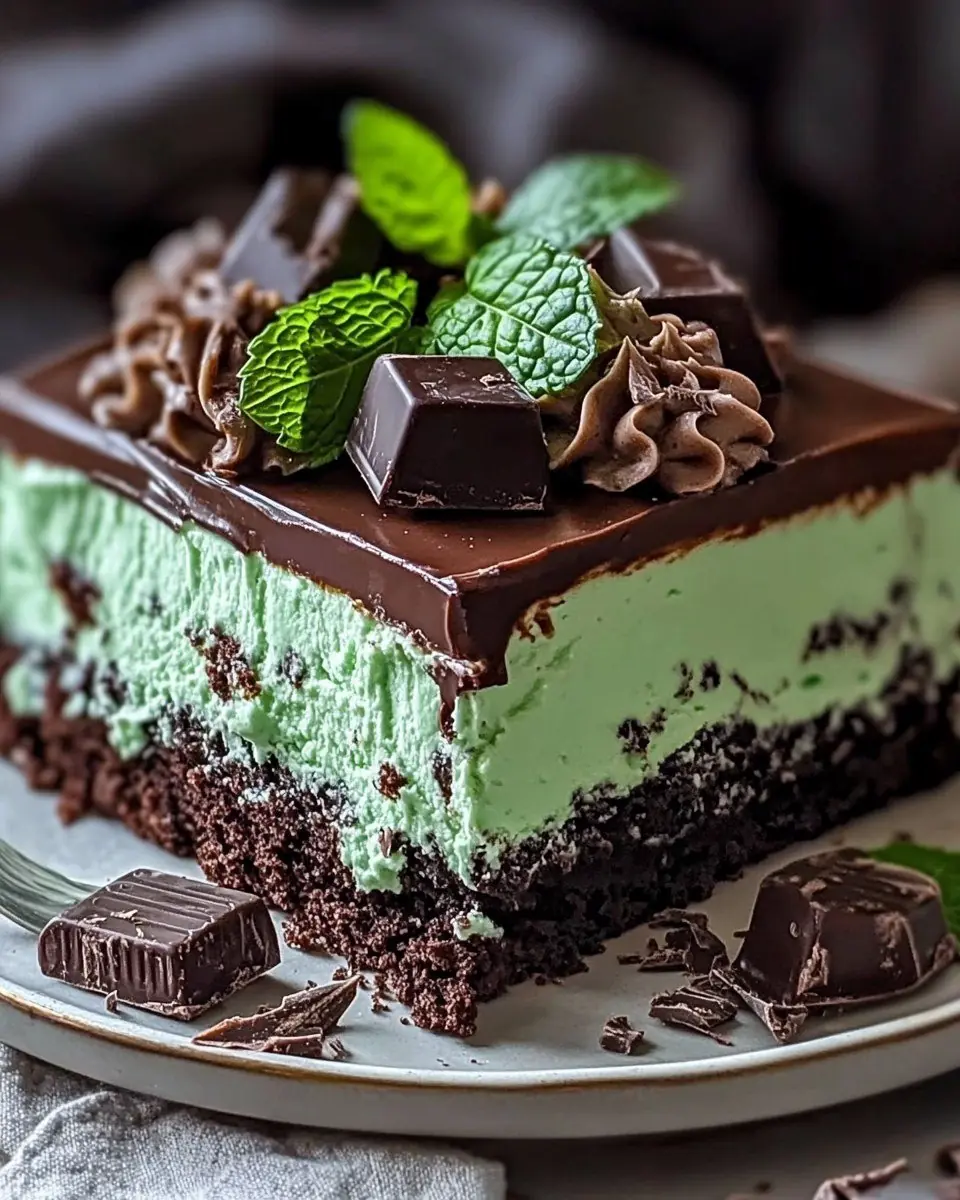
Chocolate Mint Dream Bars – A Decadent Layered Dessert You’ll Crave Again and Again
Chocolate Mint Dream Bars – A Decadent Layered Dessert You’ll Crave Again and Again
Food 18/02/2026 21:52

Cherry Pineapple Pie
Cherry Pineapple Pie
Food 18/02/2026 13:17
Easy Pasta Salad
Easy Pasta Salad
Food 18/02/2026 13:03

Fresh Pickled Cucumber Salad: A Crisp, Tangy Favorite That Only Gets Better With Time
When it comes to simple yet satisfying side dishes, few recipes can match the refreshing appeal of fresh pickled cucumber salad. Light, crunchy, and packed with bold tangy flavor, this easy-to-make dish has become a beloved staple in many kitchens. Not on
Food 18/02/2026 02:45