Health Food 18/02/2026 23:05
You Don’t Just Eat Food — You Eat Your Environment Too
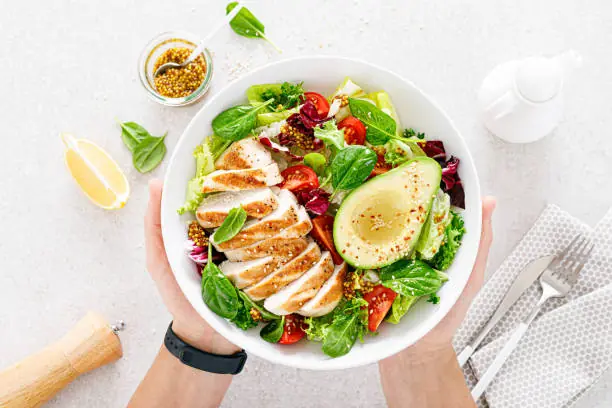
Imagine two identical meals.
Same ingredients. Same portions.
One is eaten at a cluttered desk, emails open, notifications chiming.
The other is enjoyed at a table, lighting soft, conversation easy.
Nutritionally identical.
Experientially very different.
And experience shapes behavior more than most people realize.
External Cues Quietly Guide Intake
Humans like to believe eating is governed purely by internal hunger.
But decades of behavioral research suggest otherwise.
We are highly responsive to environmental signals such as:
portion presentation
plate size
lighting
music
social dynamics
Often without noticing.

Your brain is constantly scanning context to determine what is “normal.”
Portion Perception Is Relative
When larger servings are presented as standard, they quickly become the reference point.
Not excessive.
Just appropriate.
Similarly, larger plates create visual space that can subtly encourage additional food.
The meal doesn’t look abundant — so the brain doesn’t register it that way.
This is perception at work, not appetite failure.
Distraction Changes Memory
Eating while distracted doesn’t only affect the moment.
It can influence how well the brain remembers the meal afterward.
Weaker memory sometimes leads to earlier hunger — not because the body needs energy, but because the experience lacked psychological closure.
Attention helps meals “count.”
Social Eating Expands Time
Meals shared with others often last longer.

More conversation. More laughter. More pauses.
Extended duration can naturally increase intake — yet it also enhances enjoyment.
This is not inherently negative.
Connection is part of wellbeing.
Awareness simply allows you to stay connected to internal cues while appreciating the moment.
Designing a Supportive Environment
You don’t need a perfect dining setup.
Small adjustments can meaningfully shift the experience:
👉 sit down whenever possible
👉 reduce major distractions
👉 plate your food instead of eating from packages
👉 create a clear beginning and end to the meal
Structure invites awareness.
Awareness supports regulation.
The Bigger Perspective
If you’ve ever eaten more than intended, it may not have been about hunger alone.
It may have been the room, the pacing, the presentation — the invisible architecture surrounding the meal.

Understanding this is empowering.
Because environment is often easier to adjust than willpower is to sustain.
And sometimes, the most supportive nutrition change isn’t on your plate…
…it’s around it.
Same ingredients. Same portions.
One is eaten at a cluttered desk, emails open, notifications chiming.
The other is enjoyed at a table, lighting soft, conversation easy.
Nutritionally identical.
Experientially very different.
And experience shapes behavior more than most people realize.
External Cues Quietly Guide Intake
Humans like to believe eating is governed purely by internal hunger.
But decades of behavioral research suggest otherwise.
We are highly responsive to environmental signals such as:
portion presentation
plate size
lighting
music
social dynamics
Often without noticing.
Your brain is constantly scanning context to determine what is “normal.”
Portion Perception Is Relative
When larger servings are presented as standard, they quickly become the reference point.
Not excessive.
Just appropriate.
Similarly, larger plates create visual space that can subtly encourage additional food.
The meal doesn’t look abundant — so the brain doesn’t register it that way.
This is perception at work, not appetite failure.
Distraction Changes Memory
Eating while distracted doesn’t only affect the moment.
It can influence how well the brain remembers the meal afterward.
Weaker memory sometimes leads to earlier hunger — not because the body needs energy, but because the experience lacked psychological closure.
Attention helps meals “count.”
Social Eating Expands Time
Meals shared with others often last longer.
More conversation. More laughter. More pauses.
Extended duration can naturally increase intake — yet it also enhances enjoyment.
This is not inherently negative.
Connection is part of wellbeing.
Awareness simply allows you to stay connected to internal cues while appreciating the moment.
Designing a Supportive Environment
You don’t need a perfect dining setup.
Small adjustments can meaningfully shift the experience:
👉 sit down whenever possible
👉 reduce major distractions
👉 plate your food instead of eating from packages
👉 create a clear beginning and end to the meal
Structure invites awareness.
Awareness supports regulation.
The Bigger Perspective
If you’ve ever eaten more than intended, it may not have been about hunger alone.
It may have been the room, the pacing, the presentation — the invisible architecture surrounding the meal.
Understanding this is empowering.
Because environment is often easier to adjust than willpower is to sustain.
And sometimes, the most supportive nutrition change isn’t on your plate…
…it’s around it.
News in the same category

Why Repeating the Same Meals Can Actually Make Healthy Eating Easier
The Texture of Your Food May Influence How Much You Eat — Without You Realizing It
When “Saving Calories” Earlier in the Day Quietly Backfires

Why Warm Meals Often Feel More Satisfying — Even When Calories Are the Same
Your Food Preferences Aren’t Fixed — They’re More Trainable Than You Think

The First Few Bites Deliver the Most Pleasure — And Your Brain Knows It
Ever Notice How Restaurant Meals Feel Easier to Keep Eating — Even When You’re Already Full?

A Single Night of Poor Sleep Can Quietly Change How Hungry You Feel the Next Day

“I Deserve This” Eating Often Happens Automatically — Not Because You Lack Discipline

The More Decisions You Make, The Harder Healthy Eating Can Become

“Natural Sugar” Is Still Sugar — But Context Changes Everything

Your Eating Speed Has Changed — But Your Biology Hasn’t
Ever Wonder Why Stopping at Just One Bite Feels Hard with Certain Foods?
Eating All Day Without Breaks May Be Confusing Your Body’s Natural Hunger Signals
The Color of Your Plate Might Reveal More About Your Nutrition Than You Realize
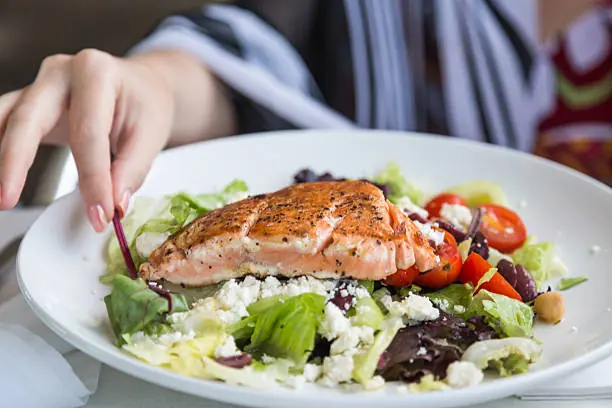
Some “Light” Foods Don’t Actually Help You Eat Less — They May Quietly Do the Opposite
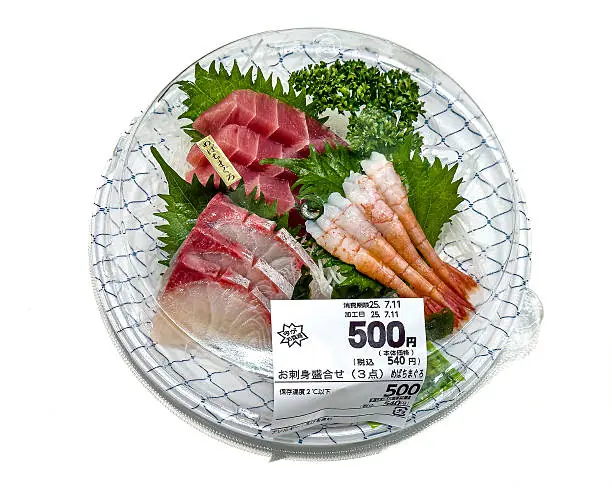
500 Calories Can Look Completely Different on a Plate — And Your Brain Knows It

You Might Be Drinking Enough Water — But Some Foods Could Still Be Dehydrating You
News Post
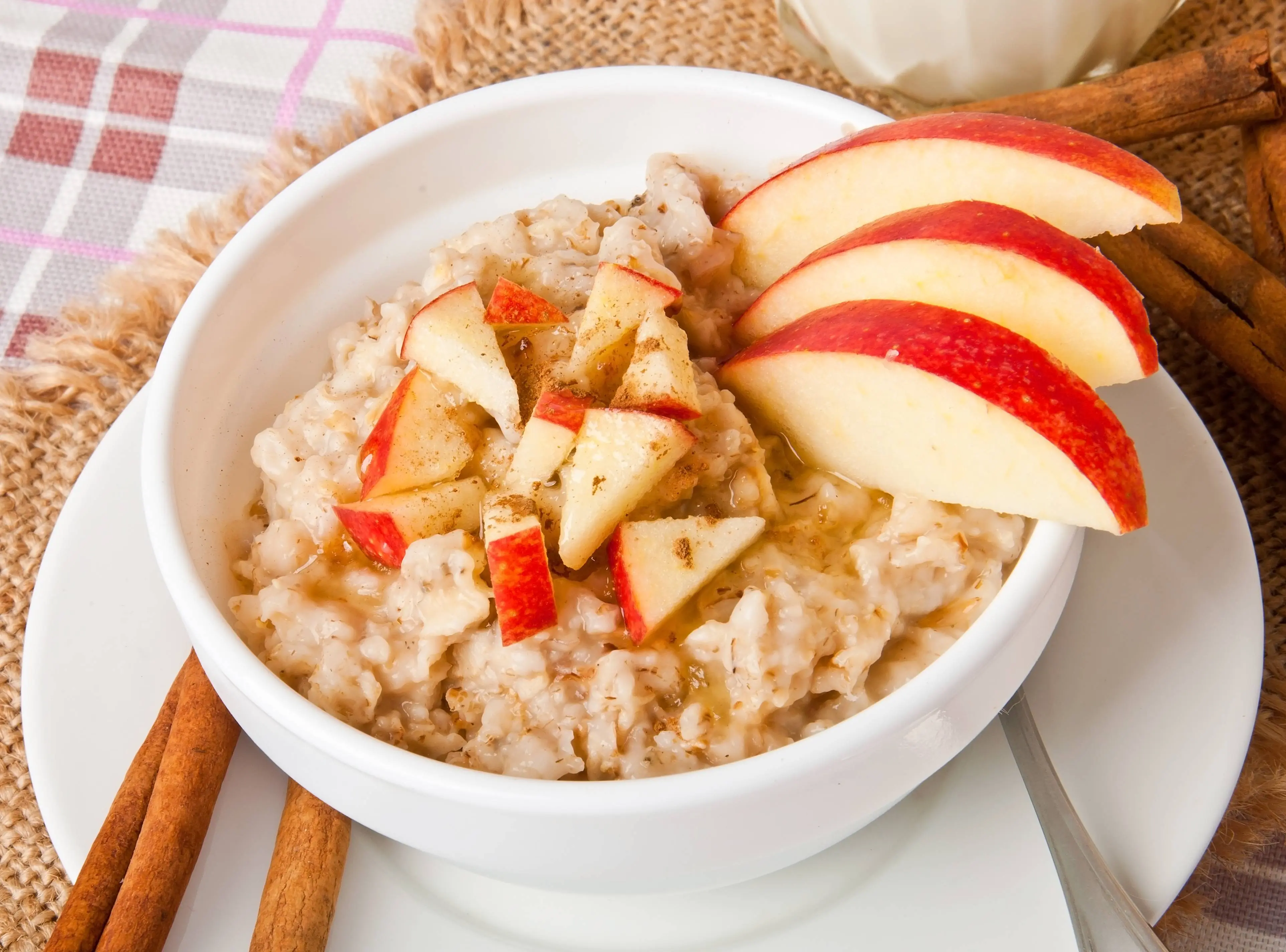
Oats and Apples: The No-Sugar, No-Flour Recipe That’s Winning Over Health-Conscious Kitchens
Healthy eating starts with smart, simple choices.
Food 19/02/2026 01:45
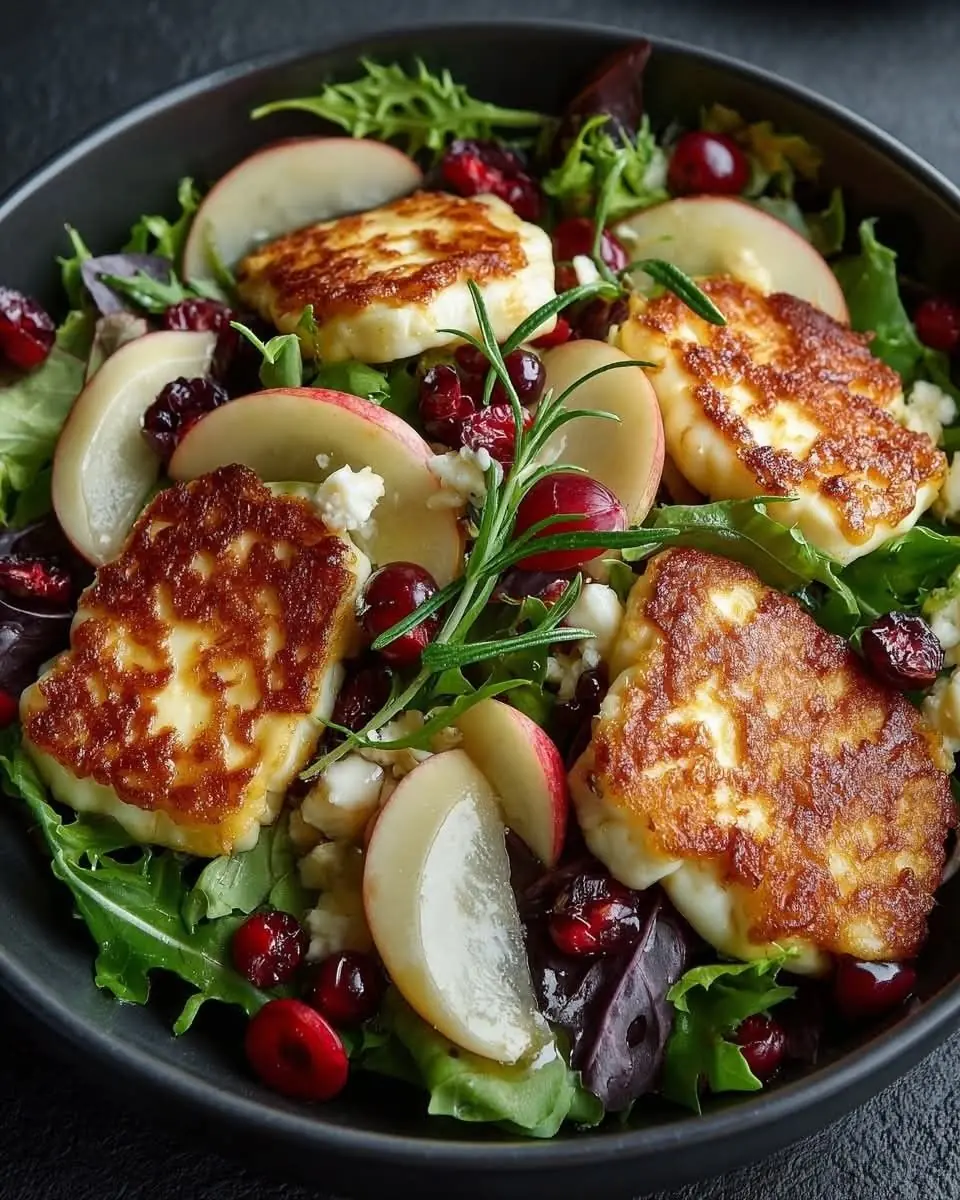
Halloumi Apple Salad with Cranberries
Food 18/02/2026 23:53
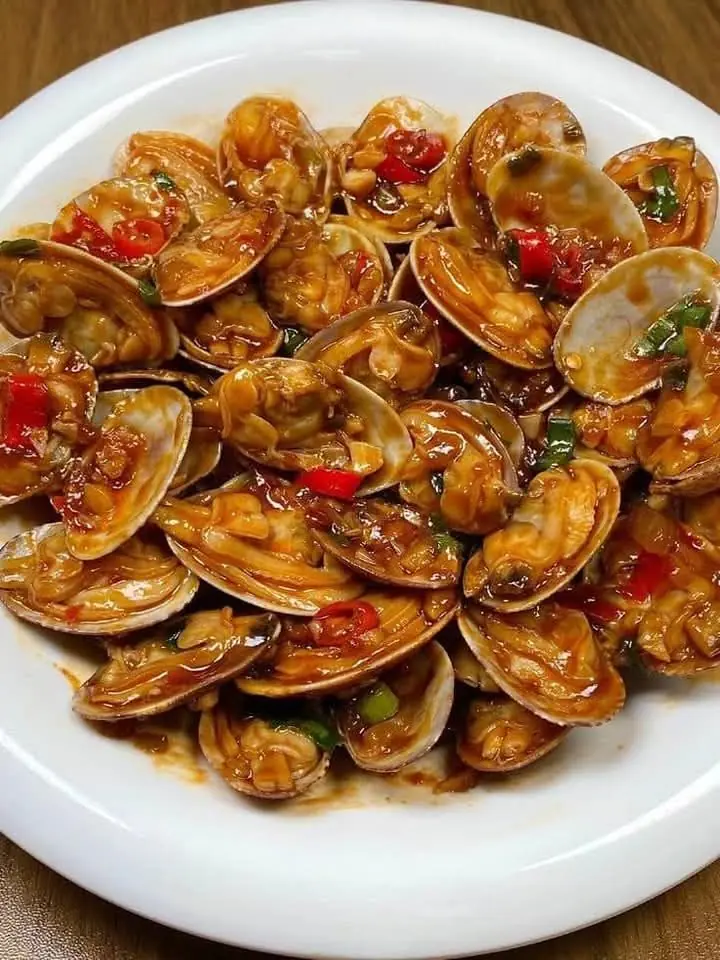
Spicy Garlic Stir-Fried Clams
Food 18/02/2026 23:34
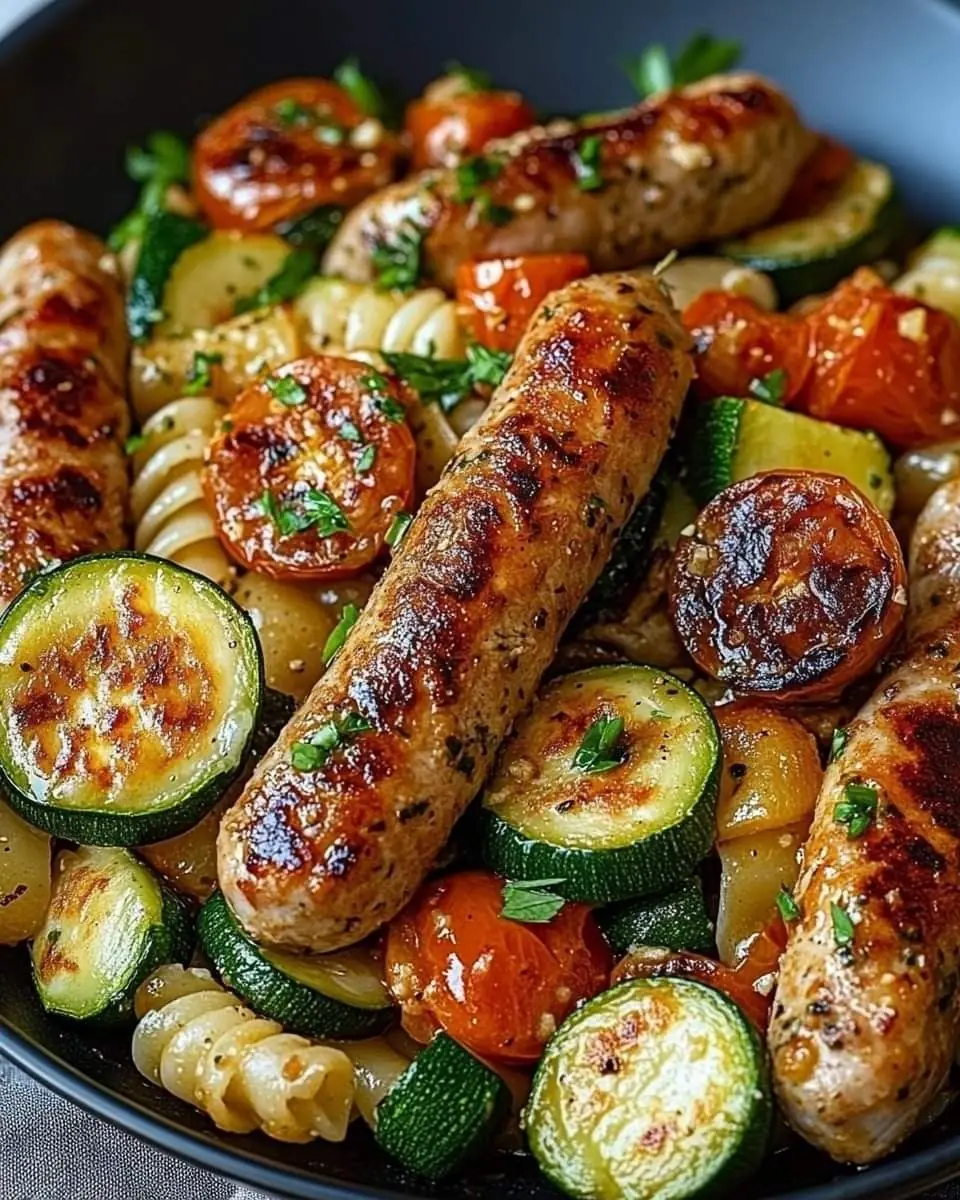
Grilled Sausage with Roasted Vegetables & Pasta
Food 18/02/2026 23:20
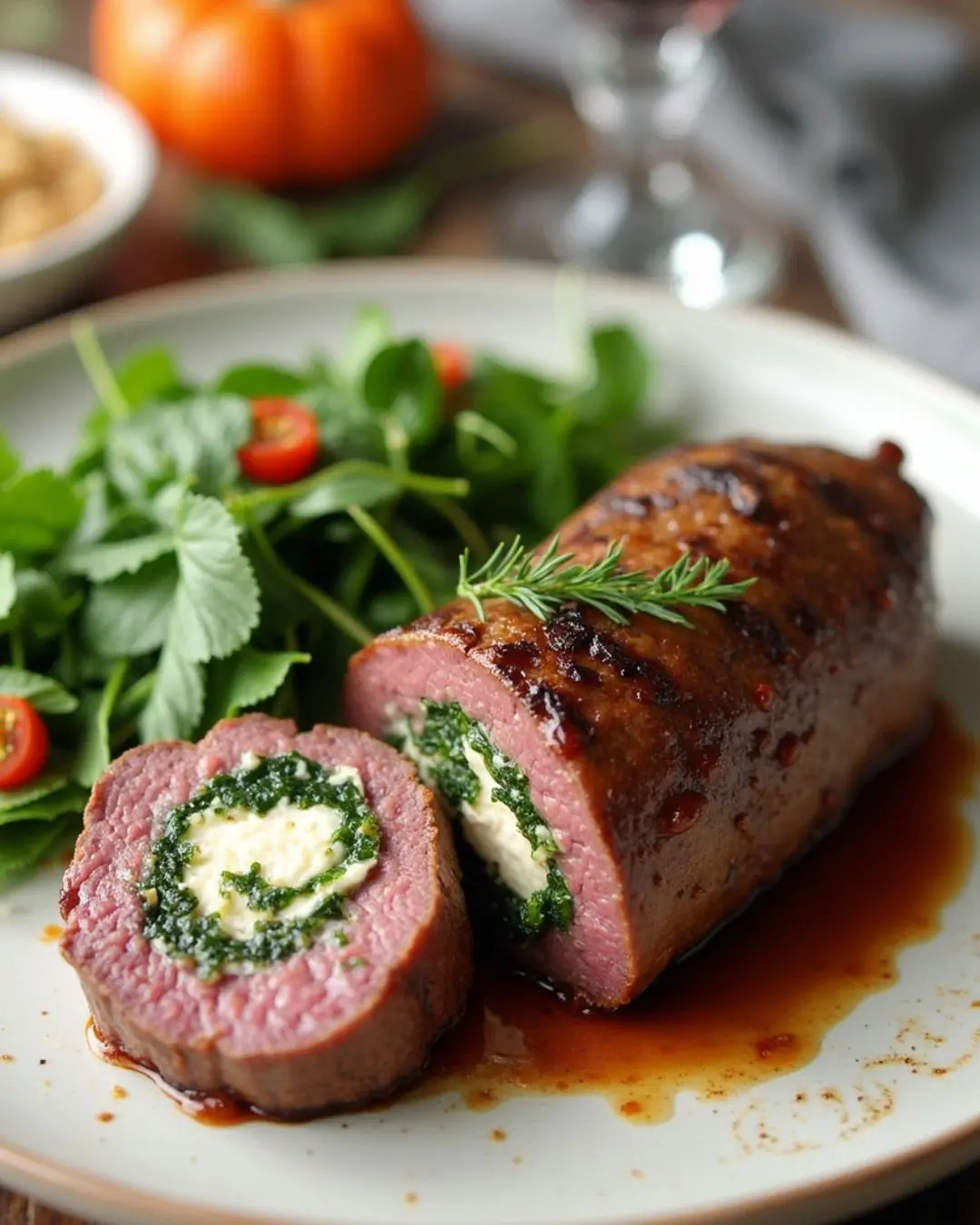
Spinach & Cheese Stuffed Beef Tenderloin 🥩🧀🌿
Food 18/02/2026 23:08
Satisfaction Might Be the Most Overlooked Nutrient
Health Food 18/02/2026 23:07
Why Repeating the Same Meals Can Actually Make Healthy Eating Easier
Health Food 18/02/2026 23:04
The Texture of Your Food May Influence How Much You Eat — Without You Realizing It
Health Food 18/02/2026 23:02
When “Saving Calories” Earlier in the Day Quietly Backfires
Health Food 18/02/2026 23:01
Why Warm Meals Often Feel More Satisfying — Even When Calories Are the Same
Health Food 18/02/2026 22:59
Your Food Preferences Aren’t Fixed — They’re More Trainable Than You Think
Health Food 18/02/2026 22:58
The First Few Bites Deliver the Most Pleasure — And Your Brain Knows It
Health Food 18/02/2026 22:56
Ever Notice How Restaurant Meals Feel Easier to Keep Eating — Even When You’re Already Full?
Health Food 18/02/2026 22:54
A Single Night of Poor Sleep Can Quietly Change How Hungry You Feel the Next Day
Health Food 18/02/2026 22:53
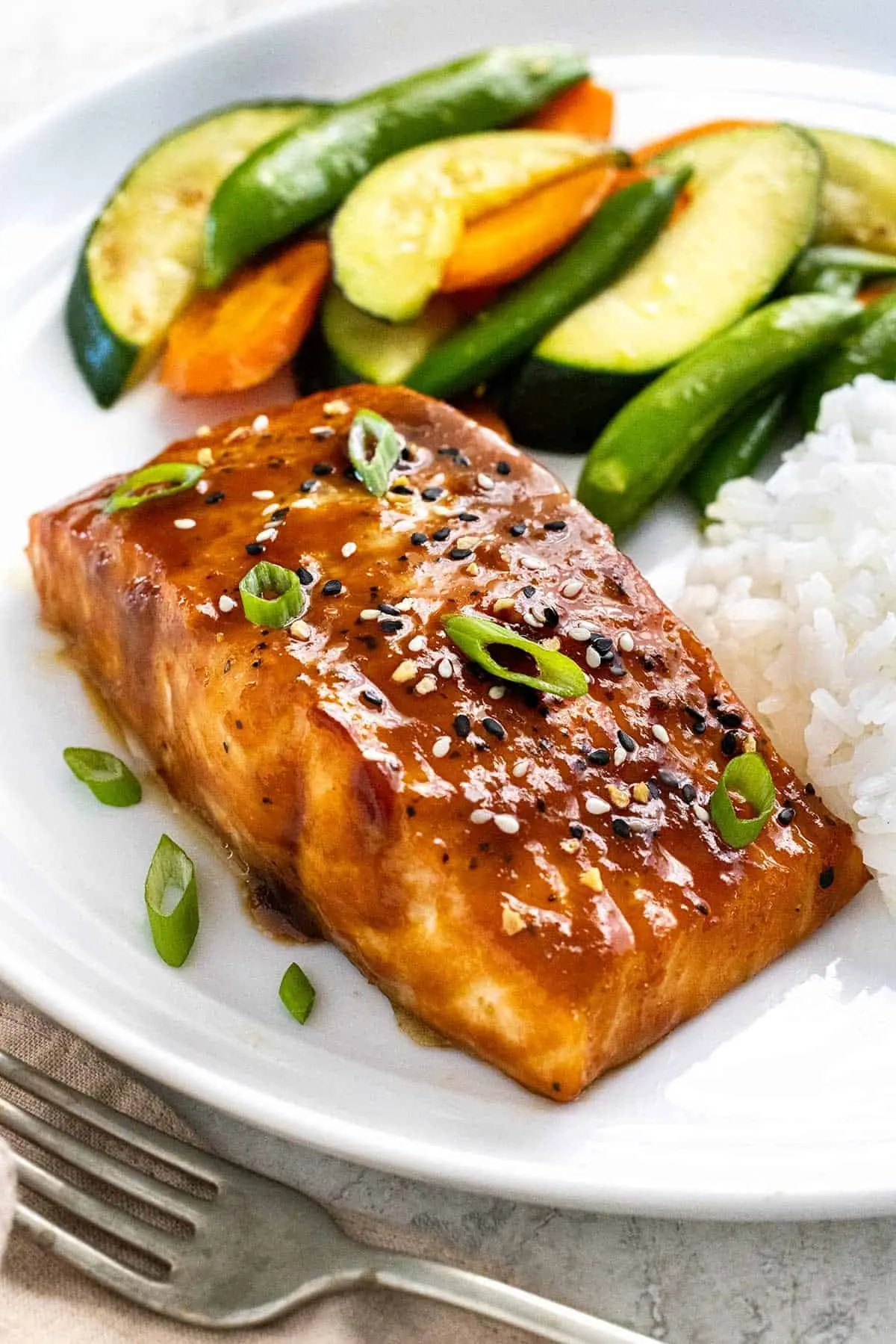
Honey Garlic Glazed Salmon with Steamed Rice & Sautéed Greens
Honey Garlic Glazed Salmon with Steamed Rice & Sautéed Greens
Food 18/02/2026 21:55
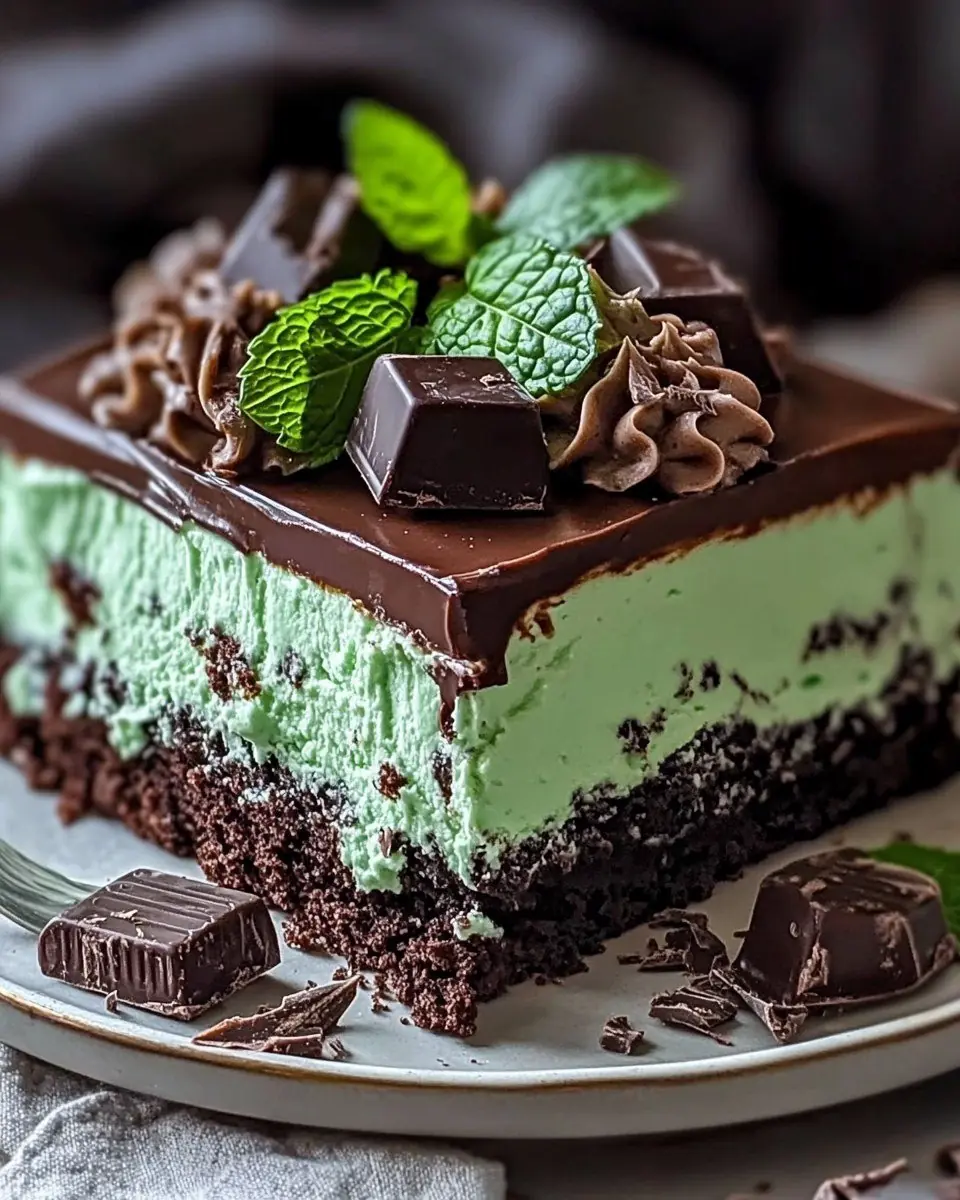
Chocolate Mint Dream Bars – A Decadent Layered Dessert You’ll Crave Again and Again
Chocolate Mint Dream Bars – A Decadent Layered Dessert You’ll Crave Again and Again
Food 18/02/2026 21:52
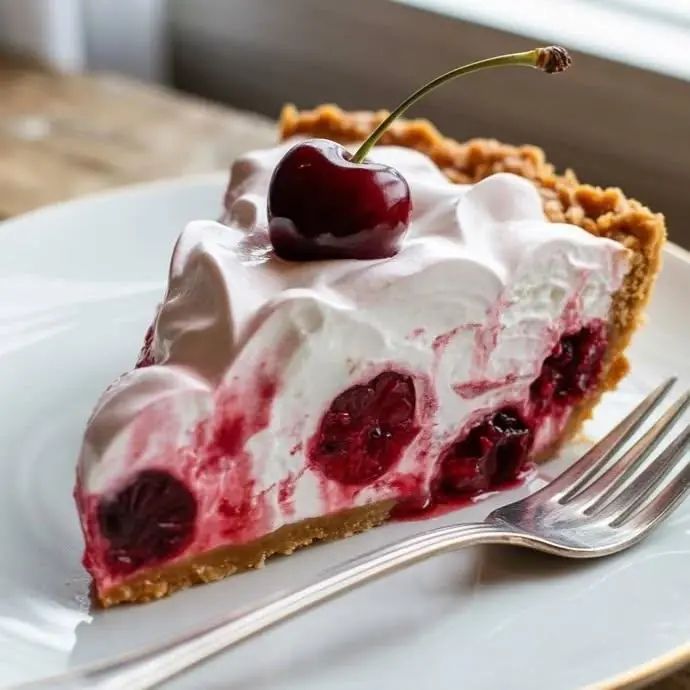
Cherry Pineapple Pie
Cherry Pineapple Pie
Food 18/02/2026 13:17
Easy Pasta Salad
Easy Pasta Salad
Food 18/02/2026 13:03
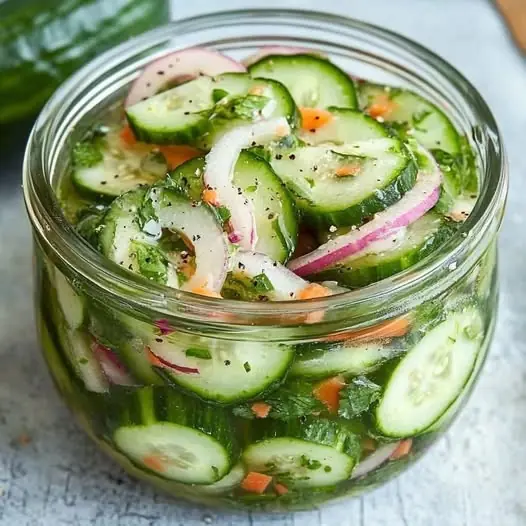
Fresh Pickled Cucumber Salad: A Crisp, Tangy Favorite That Only Gets Better With Time
When it comes to simple yet satisfying side dishes, few recipes can match the refreshing appeal of fresh pickled cucumber salad. Light, crunchy, and packed with bold tangy flavor, this easy-to-make dish has become a beloved staple in many kitchens. Not on
Food 18/02/2026 02:45