Health Food 18/02/2026 23:02
The Texture of Your Food May Influence How Much You Eat — Without You Realizing It
When we think about appetite, we usually focus on nutrients.
Protein. Fiber. Calories.
But there is another factor quietly shaping how meals unfold:
texture.
Whether a food is crunchy, creamy, chewy, or soft doesn’t just affect enjoyment — it can influence eating speed, sensory stimulation, and ultimately how much you consume.
Often without conscious awareness.
Texture Changes Eating Behavior
Imagine the difference between eating potato chips and boiled potatoes.

Both originate from the same ingredient.
Yet the experience is entirely different.
Chips are crisp, light, and easy to continue eating.
Boiled potatoes are denser, warmer, and more physically substantial.
One tends to disappear quickly.
The other naturally slows you down.
This is not simply preference.
It is mechanics.
Chewing Is a Regulatory Tool
Foods that require more chewing extend the eating process.
And time matters.
As you chew:
saliva production increases
digestive enzymes activate
satiety signals begin traveling toward the brain
The longer this process lasts, the greater the opportunity for fullness to register before intake climbs too high.
Soft foods compress this timeline.
You can consume significant energy before your physiology has time to respond.
Sound Enhances Awareness
Interestingly, research suggests that even the sound of eating contributes to perception.

The audible crunch of a carrot or apple keeps your brain engaged in the act of eating.
When sensory feedback is stronger, awareness tends to rise.
And awareness often supports regulation.
By contrast, foods that are quiet and melt quickly may encourage faster, less noticed intake.
Not dramatically — but consistently.
Modern Diets Lean Soft
Many ultra-processed foods are engineered for ease.
Soft textures. Quick chew. Rapid swallow.
Convenience is valuable — but friction plays a surprisingly helpful role in appetite control.
A meal that unfolds gradually gives your internal signaling systems time to participate.
Without that pacing, eating can outstrip satiety.
This Is Not About Avoiding Soft Foods
Smooth yogurt, soups, oatmeal — all can absolutely support health.

The insight is not to eliminate textures, but to diversify them.
Meals that combine sensory contrasts often feel more complete:
creamy + crunchy
tender + crisp
warm + textured
Variety keeps the brain attentive and the eating experience grounded.
A Subtle Strategy
Rather than redesigning your entire diet, consider small additions:
👉 sprinkle nuts or seeds onto yogurt
👉 add raw vegetables beside cooked ones
👉 include whole fruits instead of only smoothies
👉 top grain bowls with something crisp
These shifts introduce gentle pacing — not restriction.
And pacing is often what appetite regulation needs most.
The Bigger Perspective
Eating is not purely nutritional.
It is sensory.
When texture engages you, meals tend to feel more intentional and satisfying.
And satisfaction, more than strict control, is what naturally guides portions.
Sometimes supporting your appetite is not about eating less…
but about choosing foods that invite you to slow down enough for your body to be heard.
Protein. Fiber. Calories.
But there is another factor quietly shaping how meals unfold:
texture.
Whether a food is crunchy, creamy, chewy, or soft doesn’t just affect enjoyment — it can influence eating speed, sensory stimulation, and ultimately how much you consume.
Often without conscious awareness.
Texture Changes Eating Behavior
Imagine the difference between eating potato chips and boiled potatoes.
Both originate from the same ingredient.
Yet the experience is entirely different.
Chips are crisp, light, and easy to continue eating.
Boiled potatoes are denser, warmer, and more physically substantial.
One tends to disappear quickly.
The other naturally slows you down.
This is not simply preference.
It is mechanics.
Chewing Is a Regulatory Tool
Foods that require more chewing extend the eating process.
And time matters.
As you chew:
saliva production increases
digestive enzymes activate
satiety signals begin traveling toward the brain
The longer this process lasts, the greater the opportunity for fullness to register before intake climbs too high.
Soft foods compress this timeline.
You can consume significant energy before your physiology has time to respond.
Sound Enhances Awareness
Interestingly, research suggests that even the sound of eating contributes to perception.
The audible crunch of a carrot or apple keeps your brain engaged in the act of eating.
When sensory feedback is stronger, awareness tends to rise.
And awareness often supports regulation.
By contrast, foods that are quiet and melt quickly may encourage faster, less noticed intake.
Not dramatically — but consistently.
Modern Diets Lean Soft
Many ultra-processed foods are engineered for ease.
Soft textures. Quick chew. Rapid swallow.
Convenience is valuable — but friction plays a surprisingly helpful role in appetite control.
A meal that unfolds gradually gives your internal signaling systems time to participate.
Without that pacing, eating can outstrip satiety.
This Is Not About Avoiding Soft Foods
Smooth yogurt, soups, oatmeal — all can absolutely support health.
The insight is not to eliminate textures, but to diversify them.
Meals that combine sensory contrasts often feel more complete:
creamy + crunchy
tender + crisp
warm + textured
Variety keeps the brain attentive and the eating experience grounded.
A Subtle Strategy
Rather than redesigning your entire diet, consider small additions:
👉 sprinkle nuts or seeds onto yogurt
👉 add raw vegetables beside cooked ones
👉 include whole fruits instead of only smoothies
👉 top grain bowls with something crisp
These shifts introduce gentle pacing — not restriction.
And pacing is often what appetite regulation needs most.
The Bigger Perspective
Eating is not purely nutritional.
It is sensory.
When texture engages you, meals tend to feel more intentional and satisfying.
And satisfaction, more than strict control, is what naturally guides portions.
Sometimes supporting your appetite is not about eating less…
but about choosing foods that invite you to slow down enough for your body to be heard.
News in the same category

You Don’t Just Eat Food — You Eat Your Environment Too

Why Repeating the Same Meals Can Actually Make Healthy Eating Easier
When “Saving Calories” Earlier in the Day Quietly Backfires

Why Warm Meals Often Feel More Satisfying — Even When Calories Are the Same
Your Food Preferences Aren’t Fixed — They’re More Trainable Than You Think
The First Few Bites Deliver the Most Pleasure — And Your Brain Knows It
Ever Notice How Restaurant Meals Feel Easier to Keep Eating — Even When You’re Already Full?

A Single Night of Poor Sleep Can Quietly Change How Hungry You Feel the Next Day

“I Deserve This” Eating Often Happens Automatically — Not Because You Lack Discipline

The More Decisions You Make, The Harder Healthy Eating Can Become
“Natural Sugar” Is Still Sugar — But Context Changes Everything

Your Eating Speed Has Changed — But Your Biology Hasn’t
Ever Wonder Why Stopping at Just One Bite Feels Hard with Certain Foods?
Eating All Day Without Breaks May Be Confusing Your Body’s Natural Hunger Signals
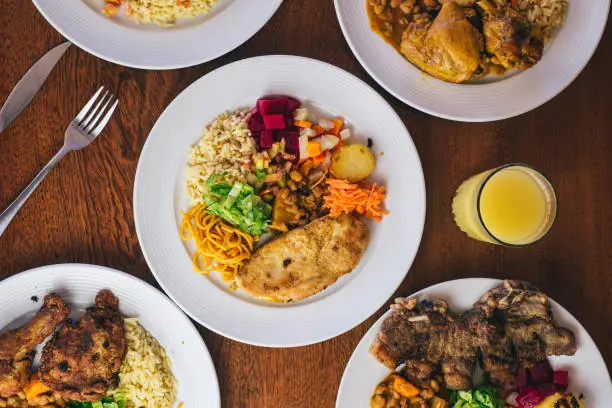
The Color of Your Plate Might Reveal More About Your Nutrition Than You Realize
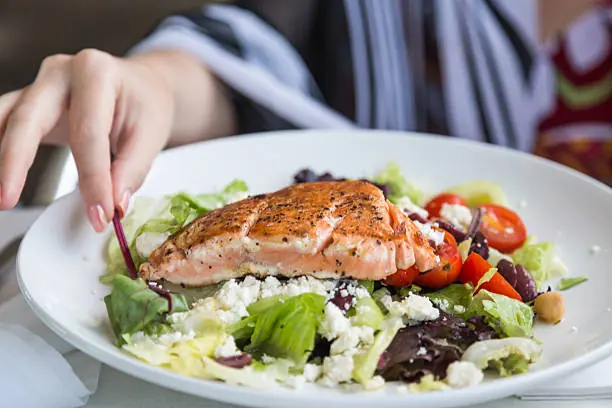
Some “Light” Foods Don’t Actually Help You Eat Less — They May Quietly Do the Opposite
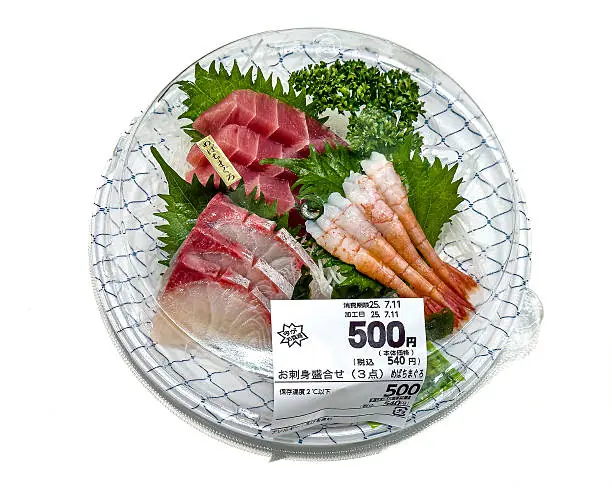
500 Calories Can Look Completely Different on a Plate — And Your Brain Knows It
You Might Be Drinking Enough Water — But Some Foods Could Still Be Dehydrating You
News Post
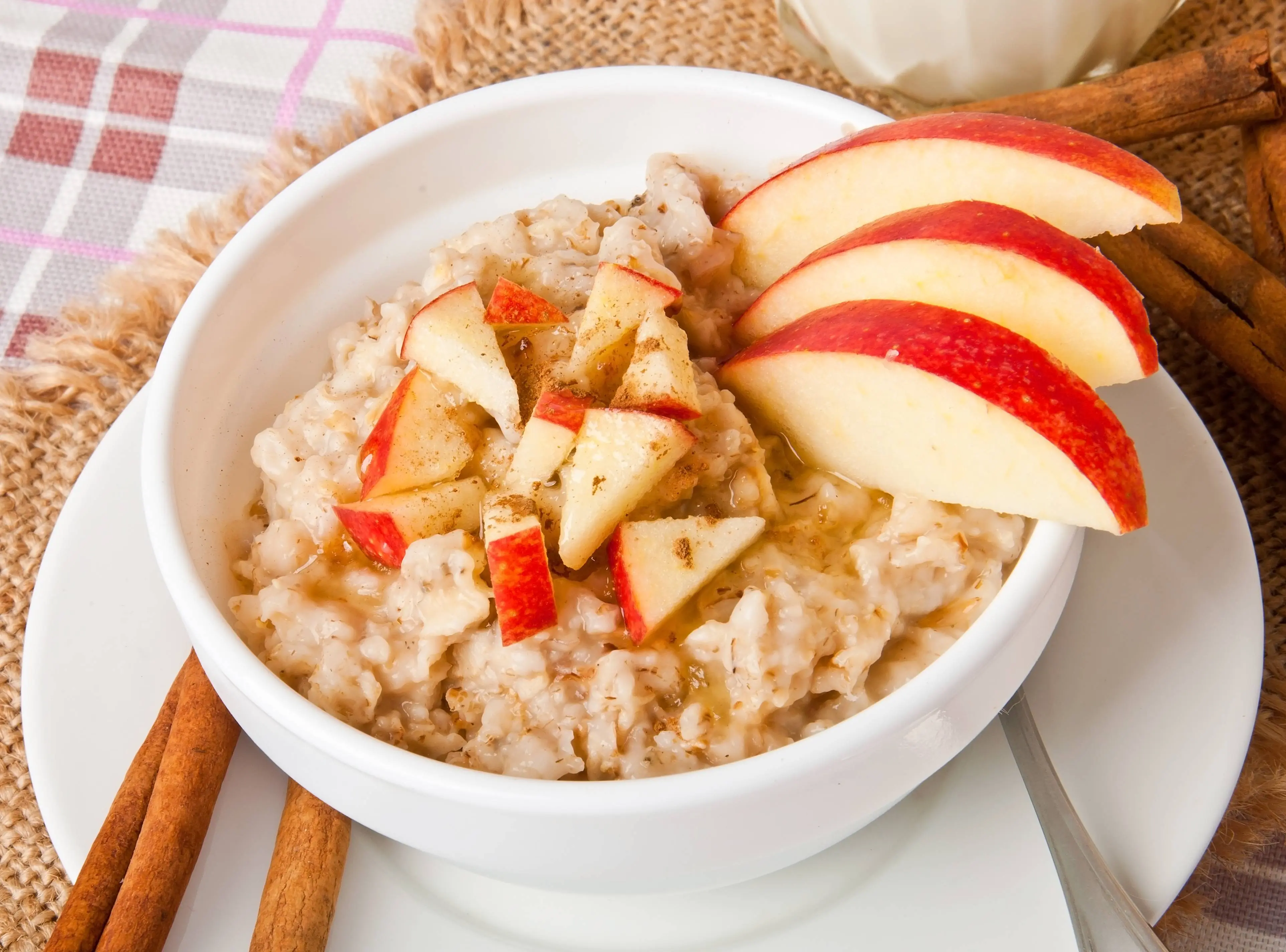
Oats and Apples: The No-Sugar, No-Flour Recipe That’s Winning Over Health-Conscious Kitchens
Healthy eating starts with smart, simple choices.
Food 19/02/2026 01:45
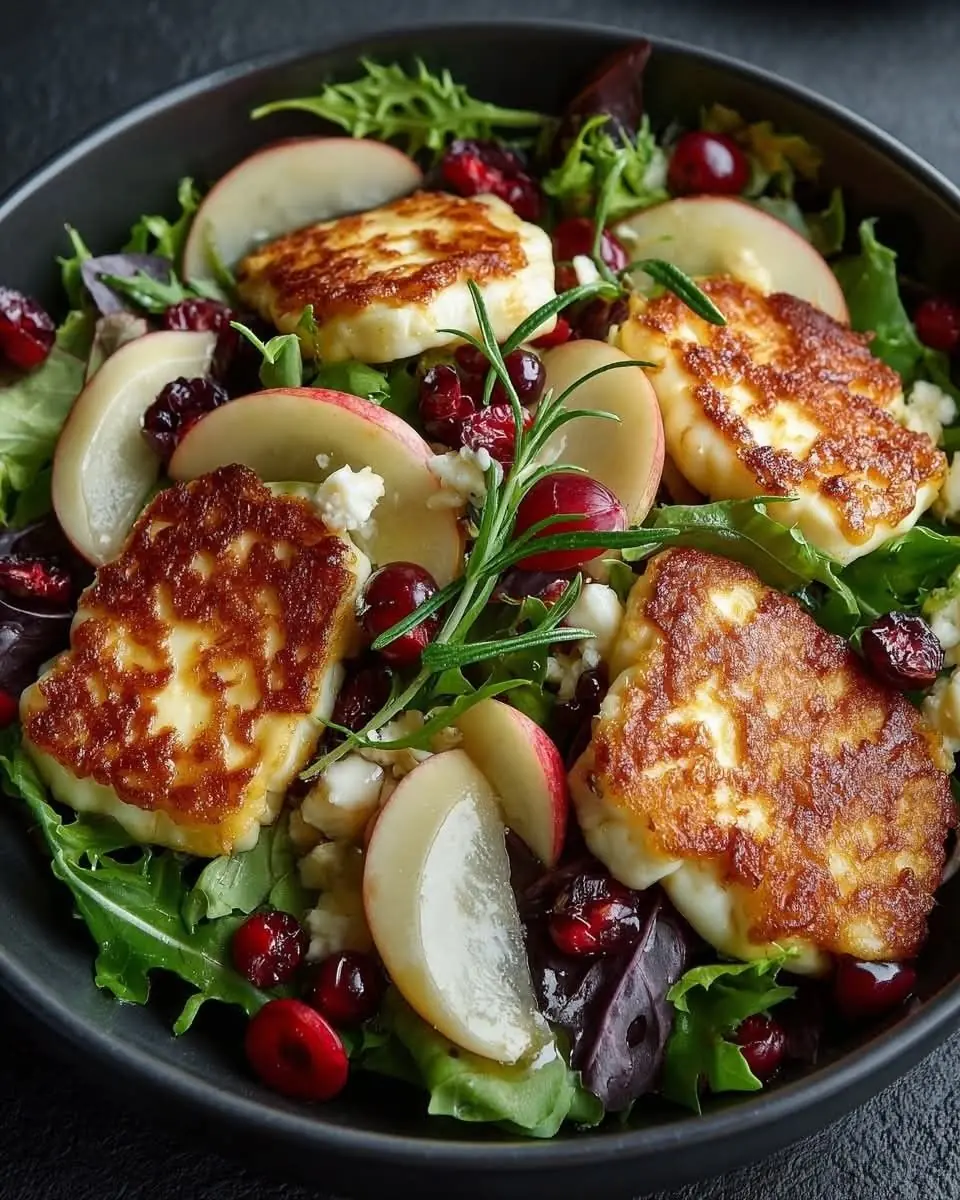
Halloumi Apple Salad with Cranberries
Food 18/02/2026 23:53

Spicy Garlic Stir-Fried Clams
Food 18/02/2026 23:34
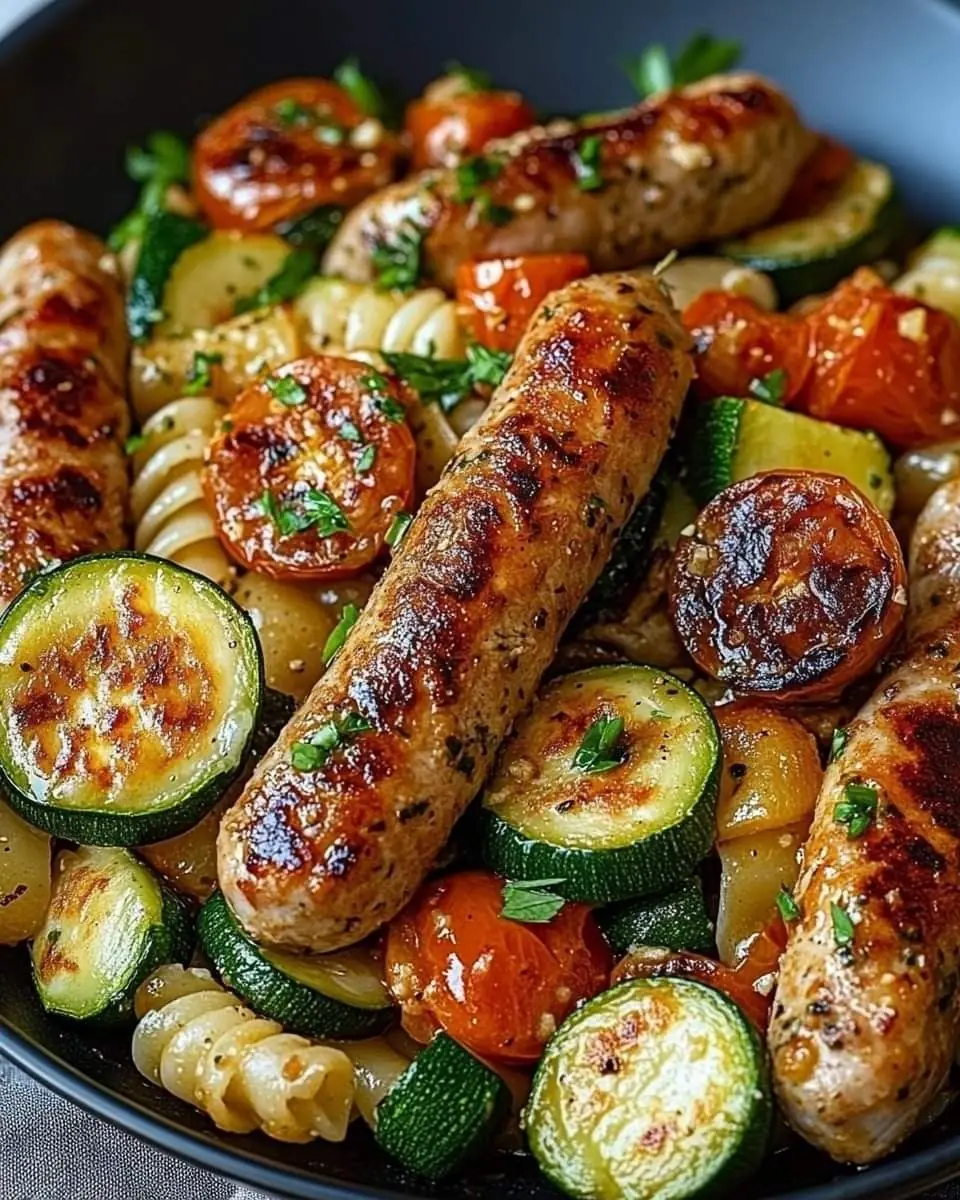
Grilled Sausage with Roasted Vegetables & Pasta
Food 18/02/2026 23:20
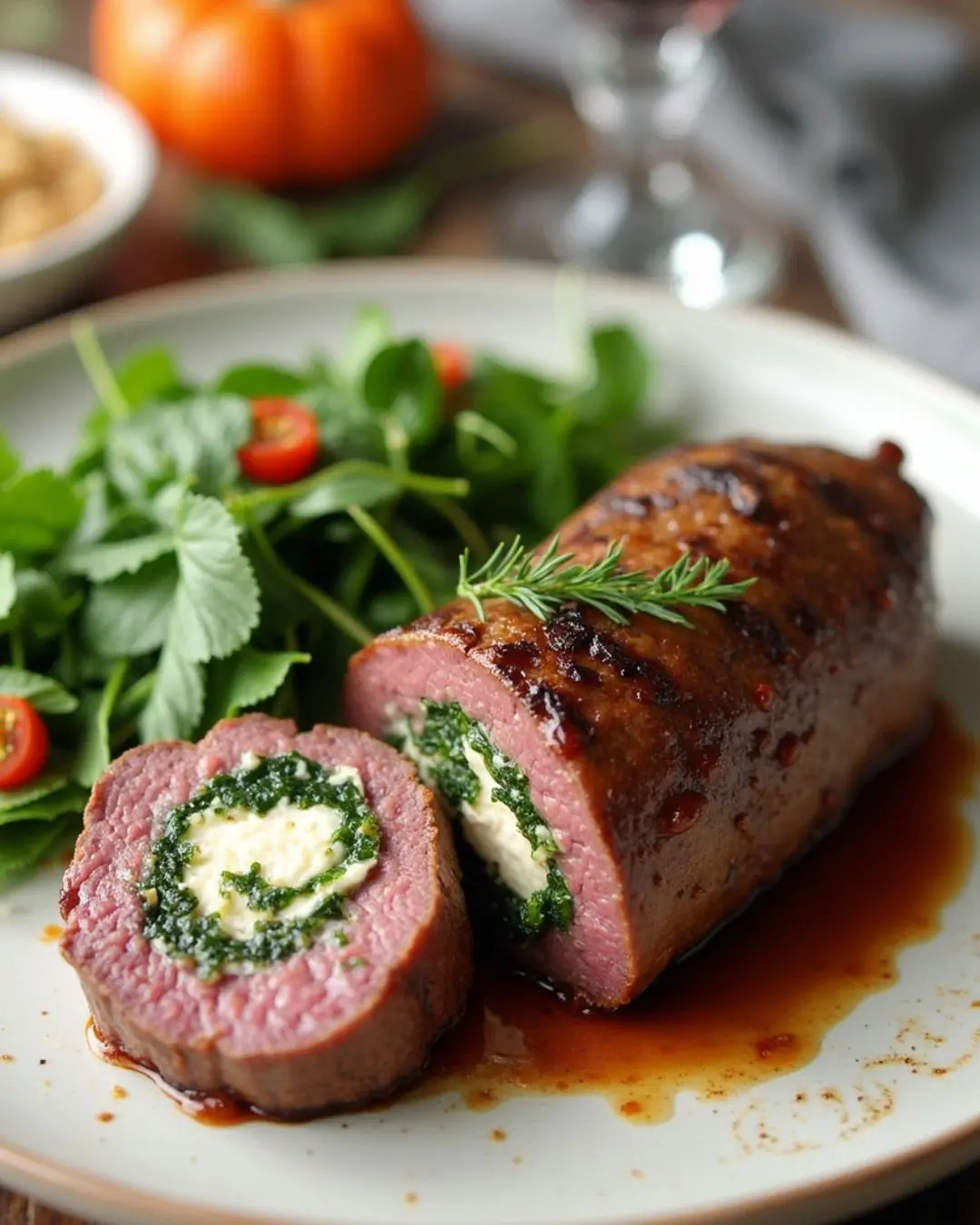
Spinach & Cheese Stuffed Beef Tenderloin 🥩🧀🌿
Food 18/02/2026 23:08
Satisfaction Might Be the Most Overlooked Nutrient
Health Food 18/02/2026 23:07
You Don’t Just Eat Food — You Eat Your Environment Too
Health Food 18/02/2026 23:05
Why Repeating the Same Meals Can Actually Make Healthy Eating Easier
Health Food 18/02/2026 23:04
When “Saving Calories” Earlier in the Day Quietly Backfires
Health Food 18/02/2026 23:01
Why Warm Meals Often Feel More Satisfying — Even When Calories Are the Same
Health Food 18/02/2026 22:59
Your Food Preferences Aren’t Fixed — They’re More Trainable Than You Think
Health Food 18/02/2026 22:58
The First Few Bites Deliver the Most Pleasure — And Your Brain Knows It
Health Food 18/02/2026 22:56
Ever Notice How Restaurant Meals Feel Easier to Keep Eating — Even When You’re Already Full?
Health Food 18/02/2026 22:54
A Single Night of Poor Sleep Can Quietly Change How Hungry You Feel the Next Day
Health Food 18/02/2026 22:53
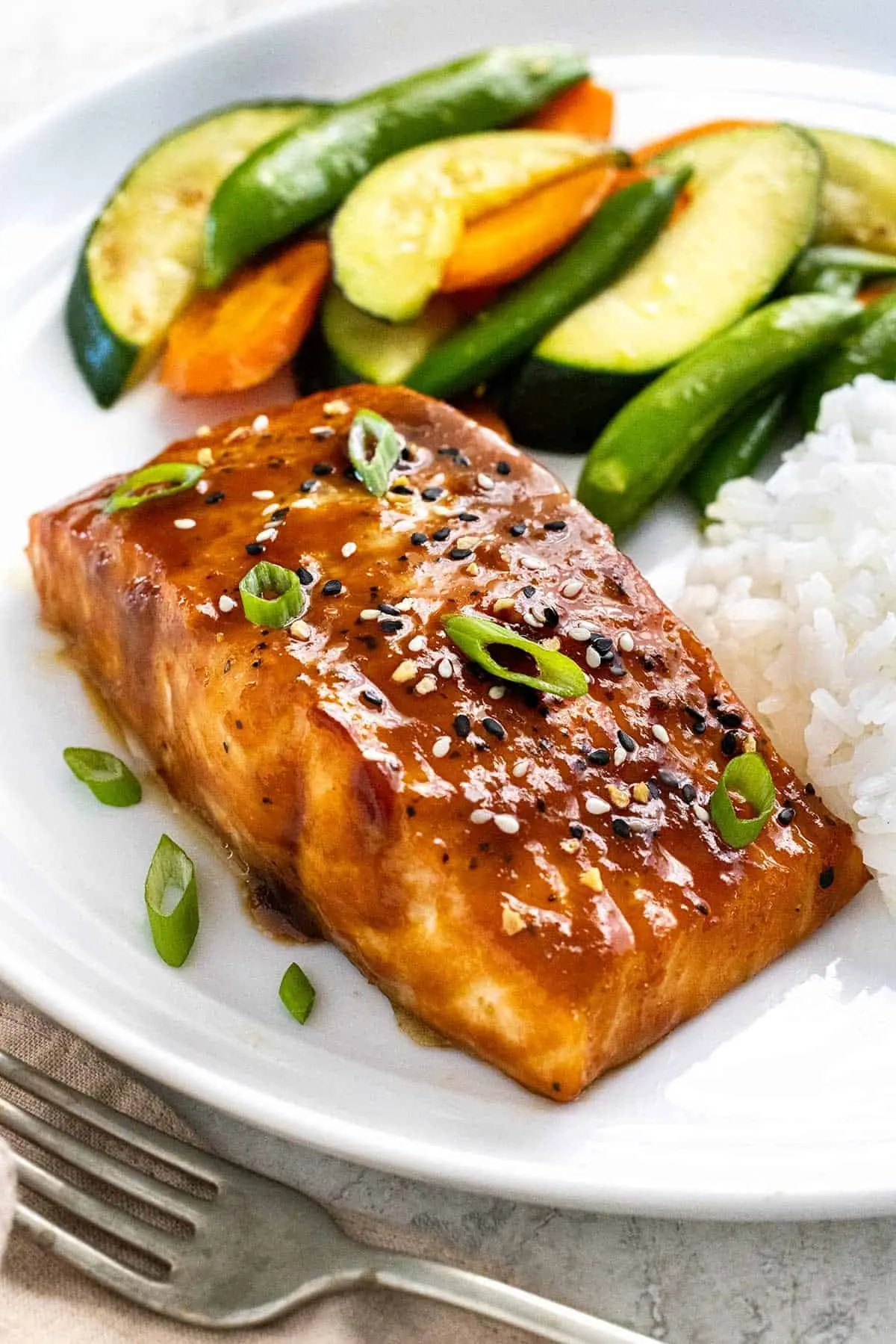
Honey Garlic Glazed Salmon with Steamed Rice & Sautéed Greens
Honey Garlic Glazed Salmon with Steamed Rice & Sautéed Greens
Food 18/02/2026 21:55
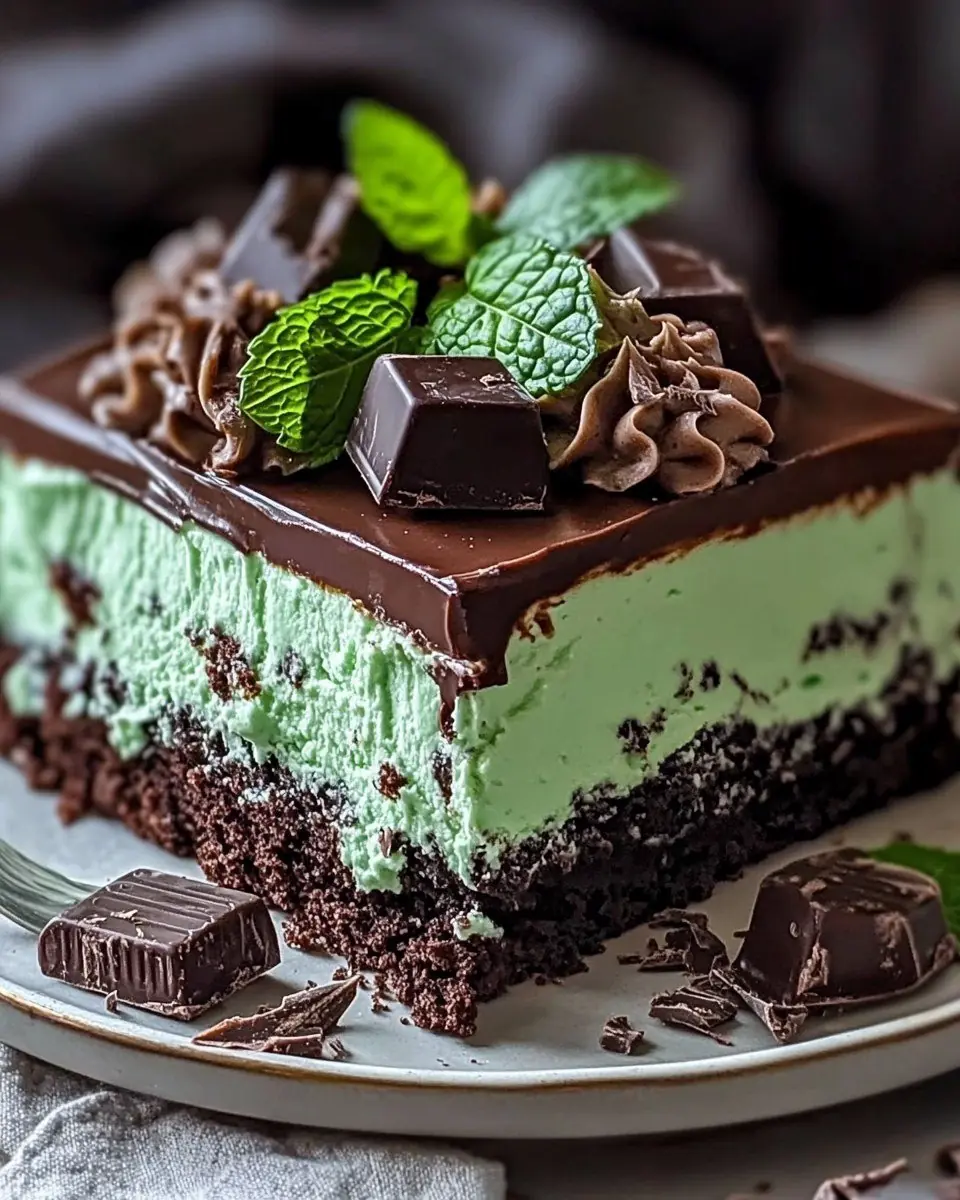
Chocolate Mint Dream Bars – A Decadent Layered Dessert You’ll Crave Again and Again
Chocolate Mint Dream Bars – A Decadent Layered Dessert You’ll Crave Again and Again
Food 18/02/2026 21:52
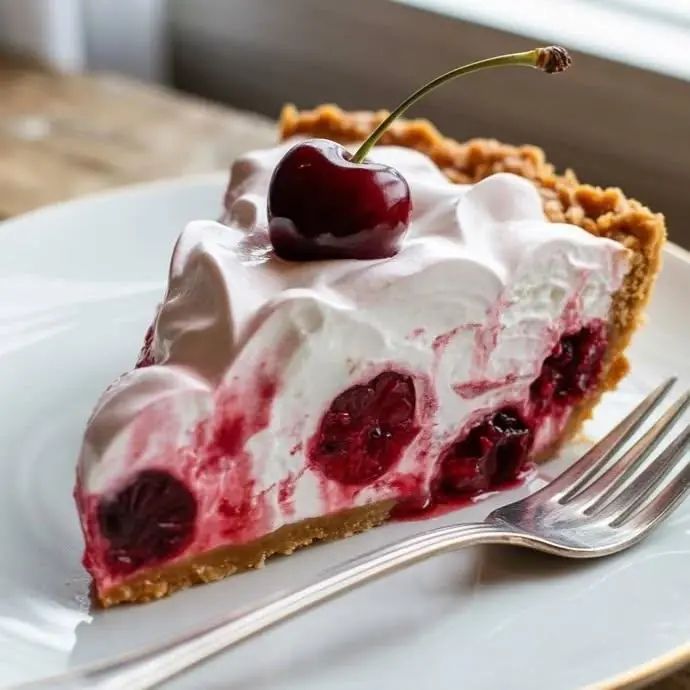
Cherry Pineapple Pie
Cherry Pineapple Pie
Food 18/02/2026 13:17
Easy Pasta Salad
Easy Pasta Salad
Food 18/02/2026 13:03

Fresh Pickled Cucumber Salad: A Crisp, Tangy Favorite That Only Gets Better With Time
When it comes to simple yet satisfying side dishes, few recipes can match the refreshing appeal of fresh pickled cucumber salad. Light, crunchy, and packed with bold tangy flavor, this easy-to-make dish has become a beloved staple in many kitchens. Not on
Food 18/02/2026 02:45