
Why Staying Hydrated Is Essential for Your Mood, Energy, and Overall Health
Why Staying Hydrated Is Essential for Your Mood, Energy, and Overall Health
Health Food 04/07/2026 21:31
Whether you're a competitive athlete, a weekend runner, or simply someone who enjoys staying active, you've probably experienced sore muscles after a challenging workout. While a certain amount of inflammation is a normal part of the body's recovery process, excessive inflammation and oxidative stress may prolong muscle soreness, delay recovery, and temporarily reduce performance.
Fortunately, nutrition can play an important role in supporting recovery. Among the many fruits studied for their health benefits, blueberries have gained particular attention because of their exceptionally high concentration of antioxidants and anti-inflammatory plant compounds. Research suggests that incorporating blueberries into a balanced diet may help reduce exercise-induced inflammation and oxidative stress, potentially supporting faster recovery after strenuous physical activity.


 5
5
Although blueberries are not a miracle food or a replacement for proper recovery practices, growing scientific evidence indicates that they can be a valuable addition to an active lifestyle.
Exercise places controlled stress on your muscles. During moderate and vigorous physical activity, tiny microscopic tears develop within muscle fibers. This process is completely normal and is actually necessary for muscles to become stronger over time.
However, strenuous exercise also increases:
In most healthy individuals, these changes are temporary and represent the body's natural adaptation process. The goal is not to eliminate inflammation completely, but rather to support healthy recovery while allowing the body to adapt to training.
Blueberries are among the richest natural sources of polyphenols, particularly a group of compounds called anthocyanins, which give the berries their deep blue-purple color.
In addition to anthocyanins, blueberries provide:
These nutrients work together to help protect cells from oxidative damage and support overall health.
Researchers believe blueberries may influence recovery through several mechanisms.
During intense exercise, oxygen consumption rises dramatically, leading to increased production of free radicals.
Blueberries contain antioxidants that help neutralize these unstable molecules, potentially reducing oxidative damage to cells.
Rather than stopping inflammation entirely, blueberry compounds may help regulate inflammatory responses, allowing muscles to recover efficiently without excessive tissue damage.
Some studies suggest that the antioxidants found in blueberries may reduce markers of muscle damage following strenuous exercise.
This could contribute to improved recovery between training sessions.
Very intense or prolonged exercise can temporarily affect immune function.
Because blueberries contain vitamin C and various plant compounds, they may contribute to maintaining normal immune health during periods of heavy physical activity.


 5
5
Several clinical studies have investigated blueberries in athletes and physically active adults.
Research has found that consuming blueberries before and after strenuous exercise may:
Some studies have also reported reduced muscle soreness after intense exercise, although results have varied depending on the exercise type, participant fitness level, and amount of blueberries consumed.
Importantly, while the evidence is encouraging, researchers generally conclude that blueberries support recovery rather than dramatically enhance athletic performance.
There is no universally recommended amount specifically for exercise recovery.
Many studies have used approximately:
Whole blueberries are generally preferred because they provide fiber along with vitamins and antioxidants.
The benefits of blueberries extend far beyond exercise recovery.
Regular consumption has been associated with supporting:
Anthocyanins may help maintain healthy blood vessel function and support cardiovascular wellness.
Some research suggests blueberries may help support memory and cognitive function, particularly with aging.
Their fiber and polyphenols may contribute to healthier glucose metabolism when consumed as part of a balanced diet.
Blueberries provide dietary fiber that nourishes beneficial gut bacteria and supports healthy digestion.
The antioxidants found in blueberries may help protect cells from long-term oxidative damage associated with aging.
Blueberries are incredibly versatile and require little preparation.
Try adding them to:
They also make an excellent post-workout snack when paired with protein-rich foods such as yogurt or milk.
Although blueberries are highly nutritious, no single food can replace a comprehensive recovery strategy.
Optimal recovery also depends on:
Blueberries work best as one component of an overall healthy eating pattern.
Blueberries are one of nature's richest sources of antioxidants and anti-inflammatory plant compounds. Scientific research suggests that regular consumption may help reduce exercise-induced oxidative stress and support the body's natural recovery process after strenuous physical activity. While they are not a substitute for proper nutrition, rest, or training, blueberries can be a valuable addition to a balanced diet for athletes and active individuals alike.
Enjoying a serving of fresh or frozen blueberries each day, especially around periods of increased physical activity, may help support muscle recovery while also providing numerous additional benefits for heart health, brain function, immune support, and overall well-being.
Why Staying Hydrated Is Essential for Your Mood, Energy, and Overall Health







13 Surprising Facts About Sweet Potatoes Most People Get Wrong








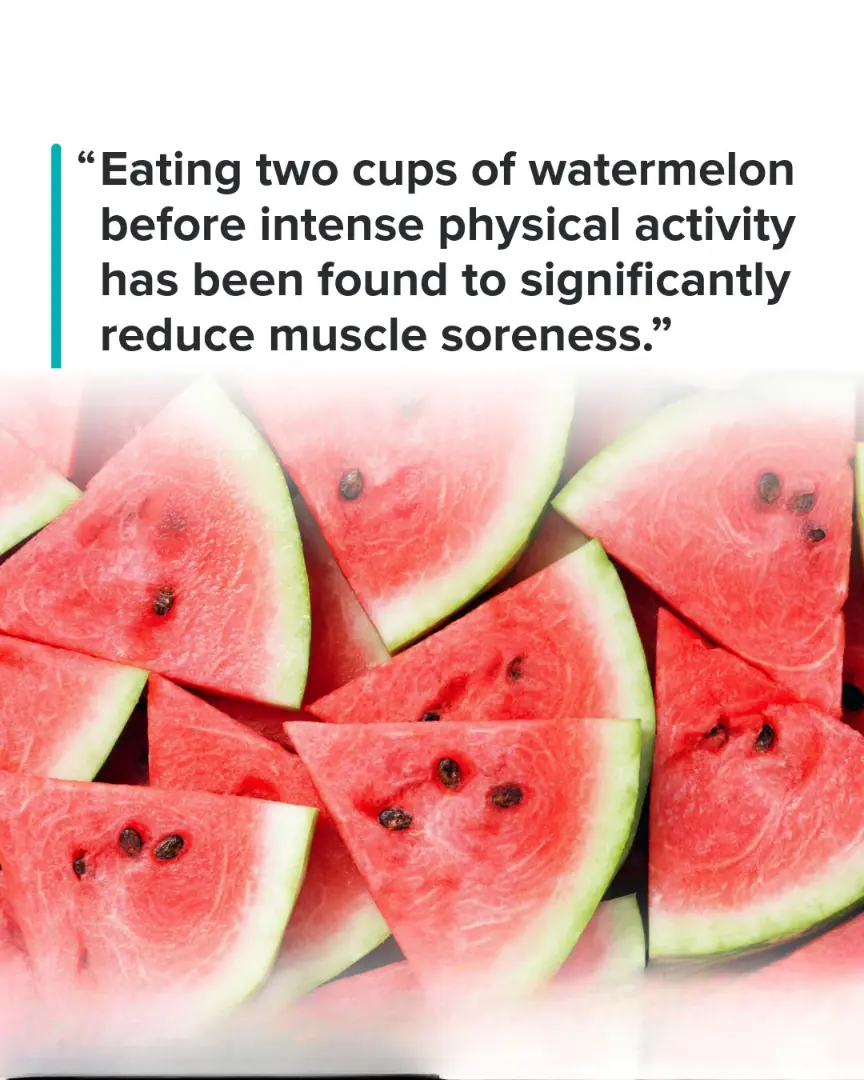
Can Watermelon Help Reduce Muscle Soreness After Exercise? Here's What Research Reveals
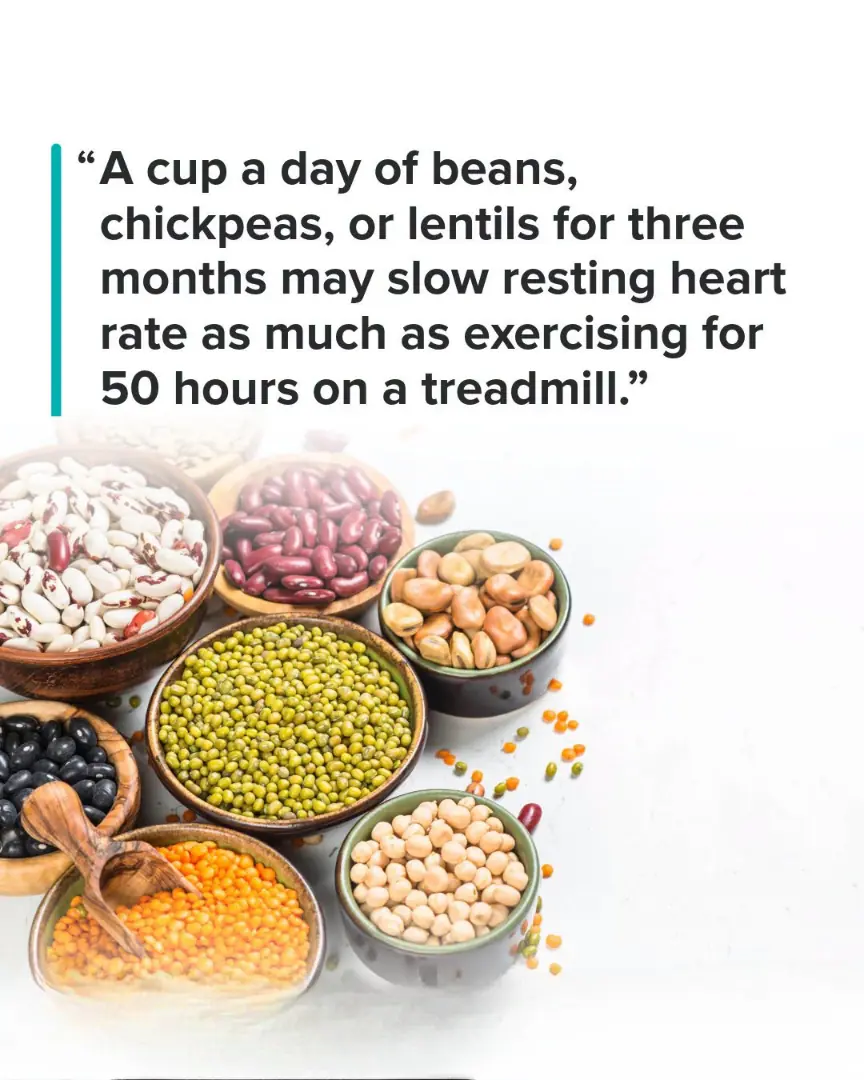
Can Eating Beans Every Day Support a Healthier Heart? Here's What the Research Suggests

Why Staying Hydrated Is Essential for Your Mood, Energy, and Overall Health
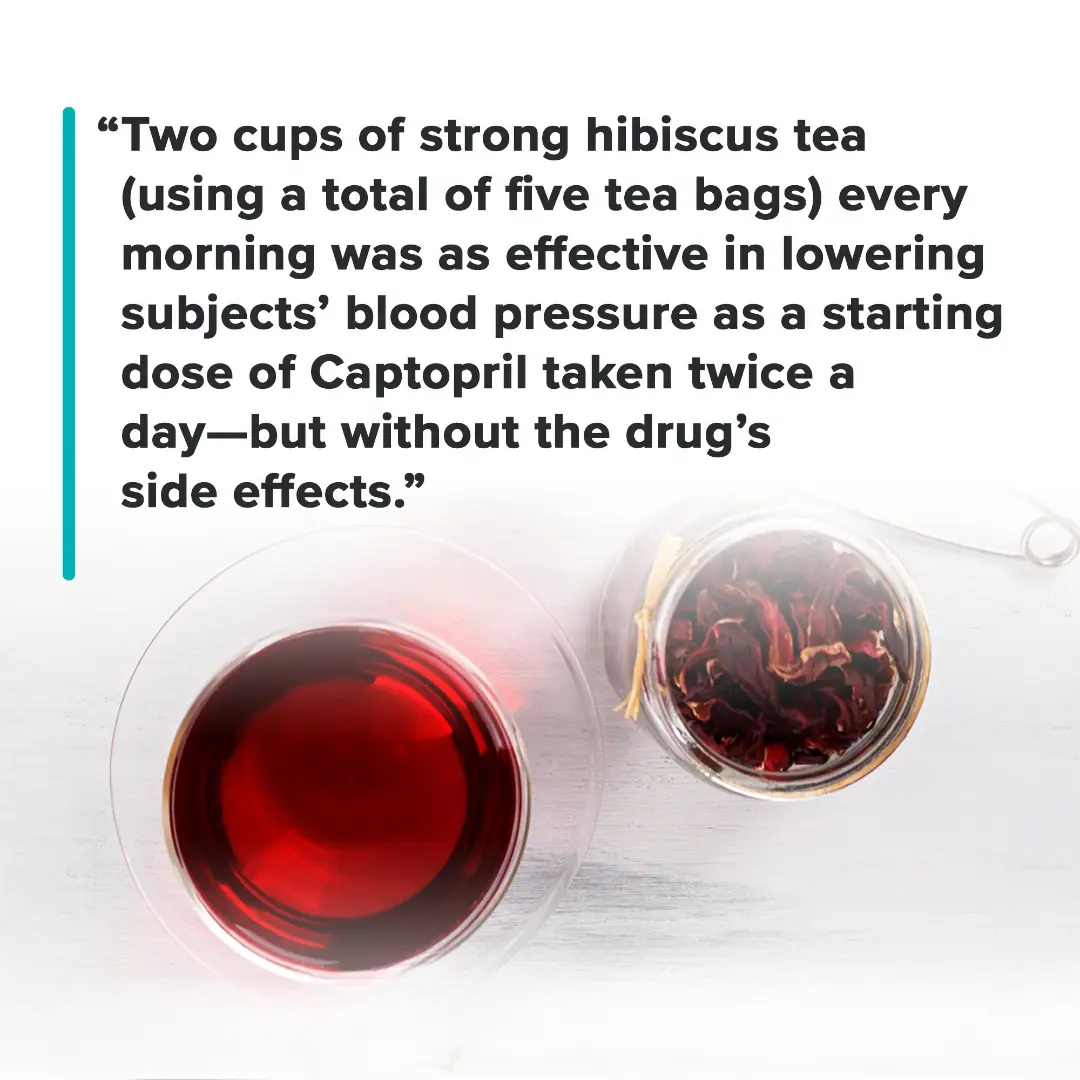
Can Hibiscus Tea Help Lower Blood Pressure? What Science Really Says
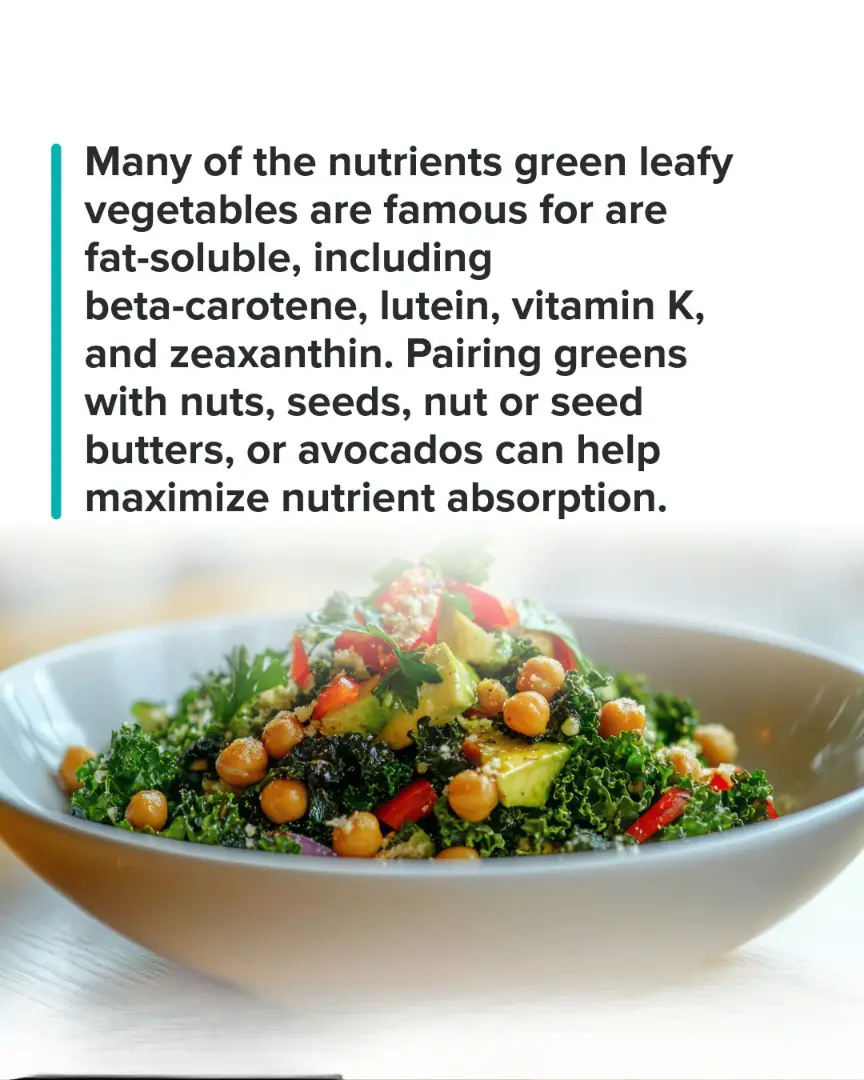
Why Healthy Fats Make Green Leafy Vegetables Even More Nutritious