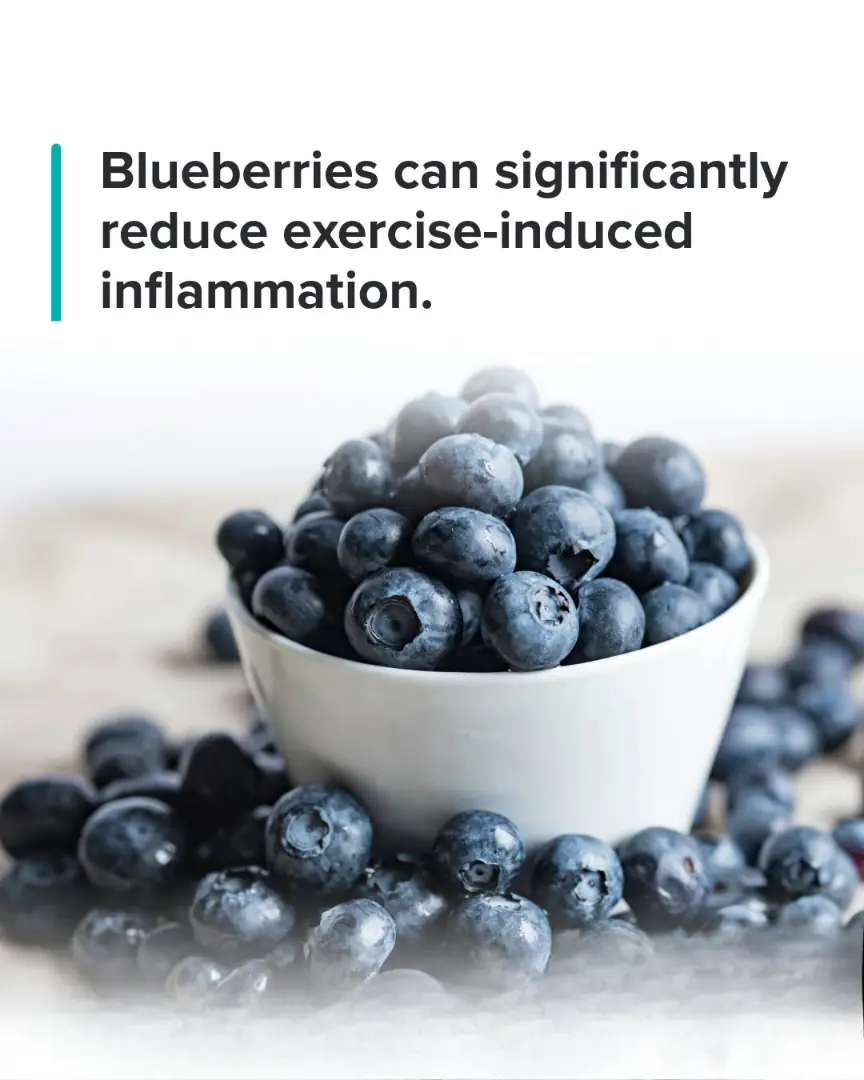
Can Blueberries Help Reduce Exercise-Induced Inflammation? Here's What the Science Says
Can Blueberries Help Reduce Exercise-Induced Inflammation? Here's What the Science Says
Health Food 04/07/2026 21:36
Cheese has one of the most divided reputations in nutrition.
It’s blamed for:

At the same time, it’s praised for:
So which view is correct?
As with many foods, the answer lies not in absolutes — but in how cheese is eaten.
Cheese is a concentrated food.
It contains:
Because it’s concentrated, small amounts deliver significant nutrition — and significant calories.
This concentration is where confusion often begins.
Cheese contains saturated fat, which has historically been linked to cardiovascular risk.
However, recent research suggests that saturated fat behaves differently depending on the food matrix.
Cheese is not butter.
Its protein, calcium, and fermentation products may alter how fats are absorbed and metabolised.
This doesn’t make cheese “heart-protective” — but it complicates simple fat-based judgments.
Because cheese is energy-dense and easy to eat, portions can grow quickly without notice.
A small amount can:
Large portions, especially when eaten frequently, may:
The difference between helpful and excessive is often subtle.
Cheese can support satiety when:
Its combination of fat and protein slows digestion, which can reduce the urge to keep eating.
Problems arise when cheese becomes a standalone snack or default filler.
In many traditional diets, cheese is:

In these contexts, cheese contributes flavour and nutrition without dominating intake.
Certain individuals may need to be mindful of cheese intake:
This is about personal response — not universal rules.
Instead of asking:
“Is cheese bad for me?”
A more helpful question is:
“How much cheese am I eating — and what role does it play in my meals?”
This reframing restores agency without moral judgement.
Cheese is not a problem food.
It’s a concentrated food that rewards moderation and context.
Understanding that distinction allows cheese to remain enjoyable — without carrying unnecessary fear or unrealistic health expectations.
Can Blueberries Help Reduce Exercise-Induced Inflammation? Here's What the Science Says
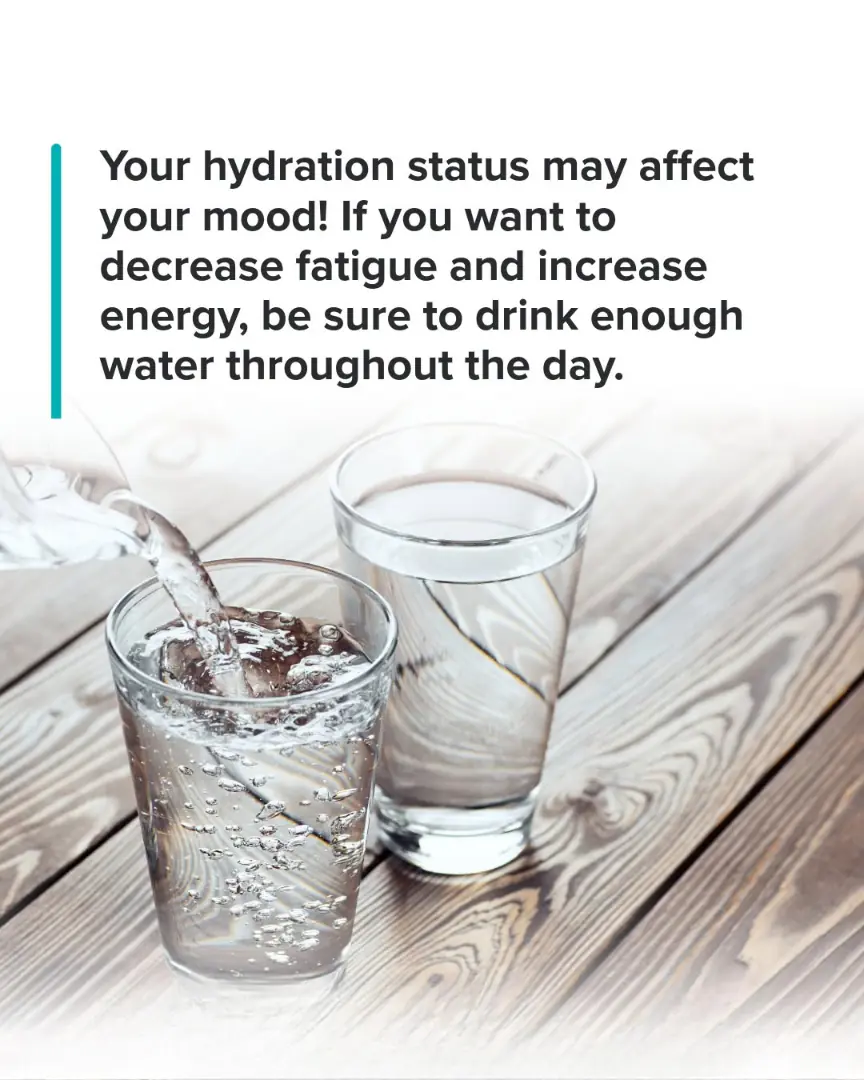
Why Staying Hydrated Is Essential for Your Mood, Energy, and Overall Health





13 Surprising Facts About Sweet Potatoes Most People Get Wrong


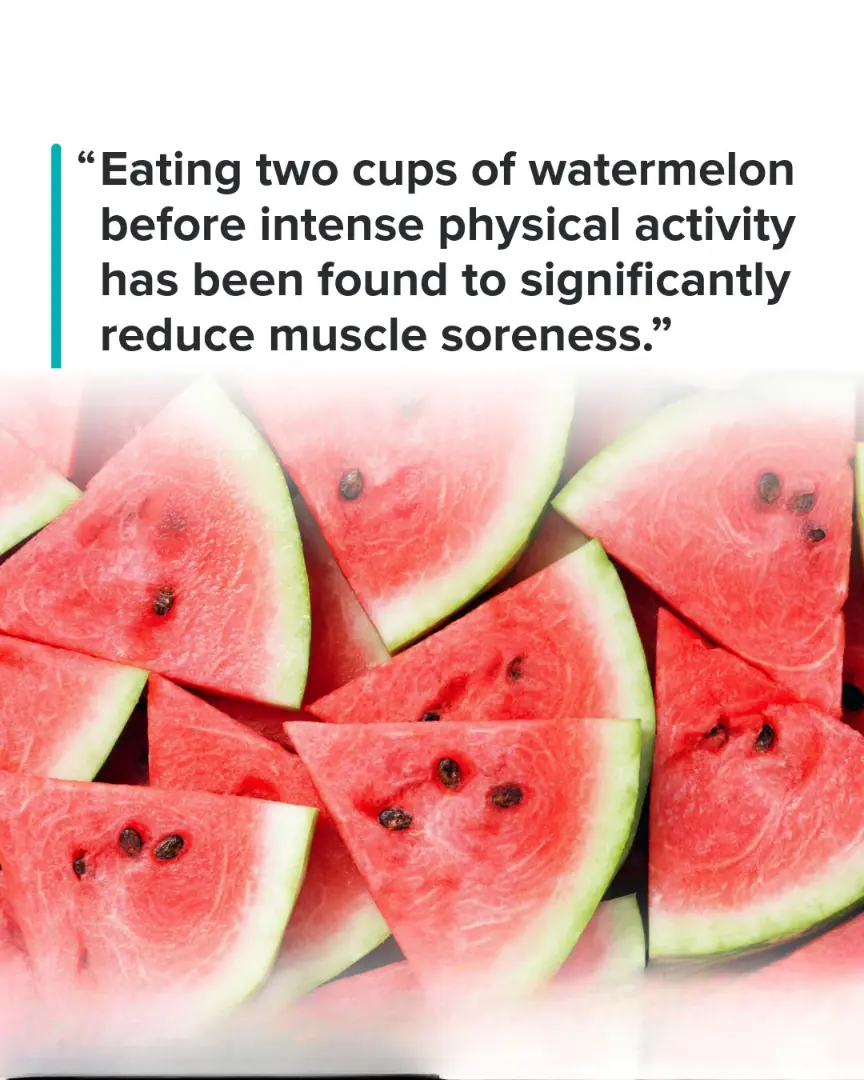
Can Watermelon Help Reduce Muscle Soreness After Exercise? Here's What Research Reveals
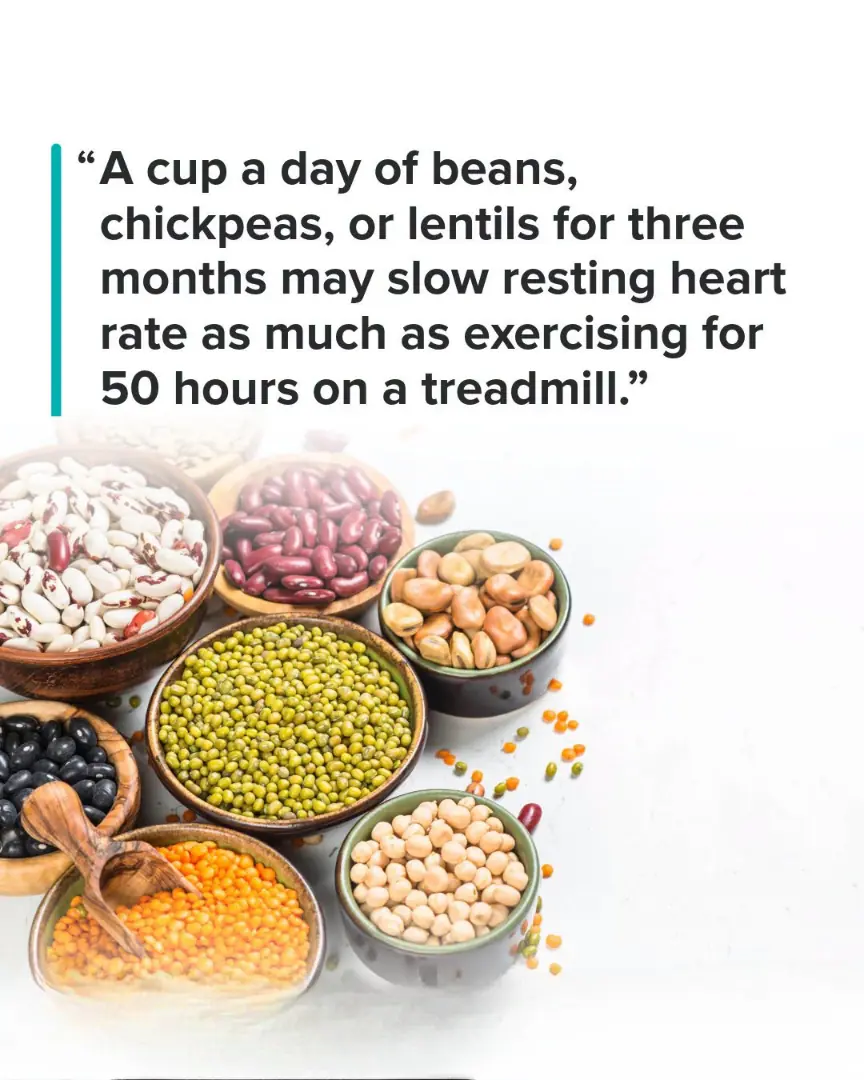
Can Eating Beans Every Day Support a Healthier Heart? Here's What the Research Suggests
Can Blueberries Help Reduce Exercise-Induced Inflammation? Here's What the Science Says
Why Staying Hydrated Is Essential for Your Mood, Energy, and Overall Health
Can Hibiscus Tea Help Lower Blood Pressure? What Science Really Says
Why Healthy Fats Make Green Leafy Vegetables Even More Nutritious