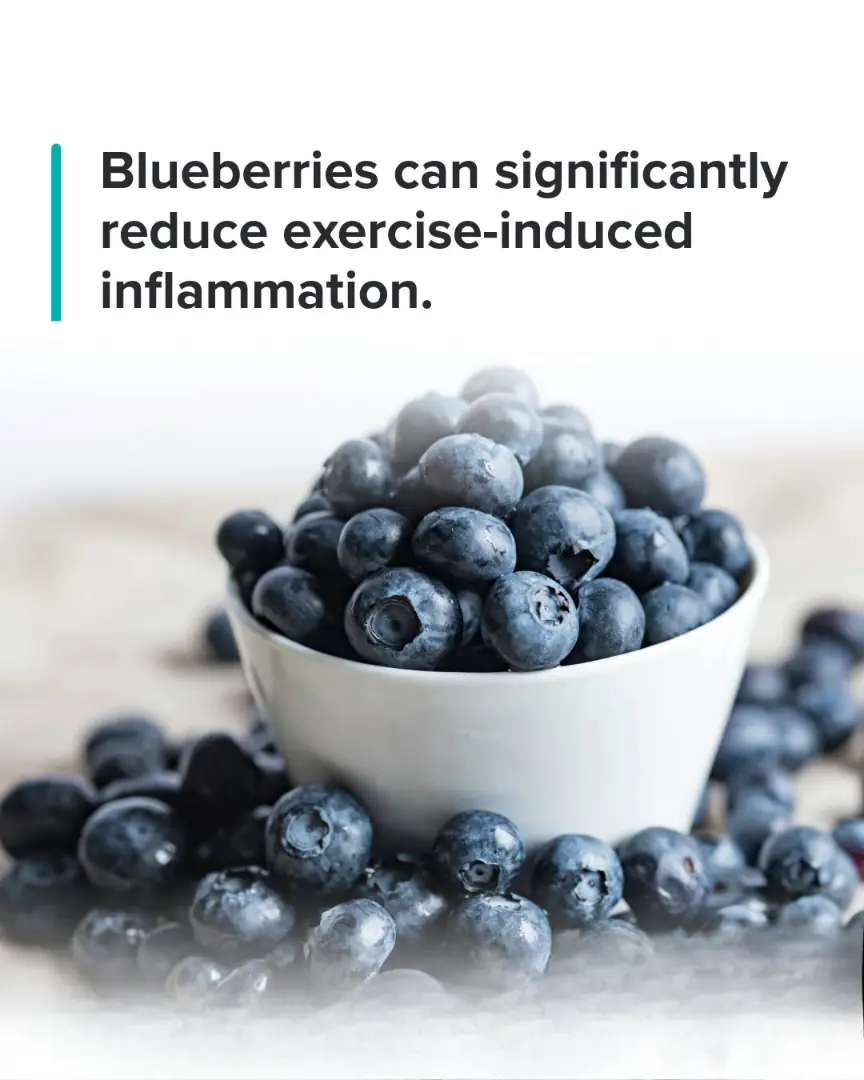
Can Blueberries Help Reduce Exercise-Induced Inflammation? Here's What the Science Says
Can Blueberries Help Reduce Exercise-Induced Inflammation? Here's What the Science Says
Health Food 04/07/2026 21:36
Fruit is often praised as a nutritious food.
At the same time, it’s increasingly questioned because of its sugar content.
This has led to confusion:
If sugar is something to limit, where does fruit fit?
The answer lies not in the sugar alone, but in how fruit delivers it.
Fruit contains natural sugars — primarily fructose and glucose.
But unlike refined sugar, these sugars come packaged with:
This structure dramatically changes how sugar behaves in the body.
The fibre in whole fruit slows digestion and absorption.
This leads to:
This is why eating an apple feels very different from drinking apple juice — even if the sugar content is similar.
The form matters.
Whole fruit tends to be filling relative to its calorie content.
Chewing, volume, and fibre all contribute to a sense of having eaten something substantial.
This makes fruit far less likely to drive overconsumption compared to refined sugary foods.
Fructose often gets singled out as problematic.
In large amounts, especially from sweetened beverages or processed foods, fructose can contribute to metabolic strain.
But the amount of fructose in whole fruit is modest — and its absorption is slowed by fibre and water.
In this context, the body handles fructose very differently.
Juicing removes much of the fibre and compresses sugar into a quickly consumed form.
This doesn’t make juice “toxic”, but it behaves more like a sugary drink than whole fruit.
The health effects depend on frequency, portion size, and what the juice replaces.
There are situations where fruit intake may need to be more intentional:
In these cases, pairing fruit with protein or fat often improves blood sugar stability.
Fruit consumption is common in dietary patterns associated with longevity and metabolic health.
It’s rarely eaten in isolation. It’s part of meals, snacks, and cultural routines.
Viewing fruit as “too sugary” often reflects a nutrient-by-nutrient lens rather than a whole-diet perspective.
Instead of asking:
“Is fruit too high in sugar?”
A better question is:
“Am I eating fruit in a form and amount that supports my overall diet?”
This allows room for individual needs without turning fruit into a food to fear.
Fruit is not a free-for-all — but it’s not a dietary problem either.
Its health effects depend on:
When eaten whole and as part of balanced patterns, fruit remains one of the most reliable ways to add nutrients, fibre, and satisfaction — without the downsides often associated with sugar.
Can Blueberries Help Reduce Exercise-Induced Inflammation? Here's What the Science Says

Why Staying Hydrated Is Essential for Your Mood, Energy, and Overall Health








13 Surprising Facts About Sweet Potatoes Most People Get Wrong










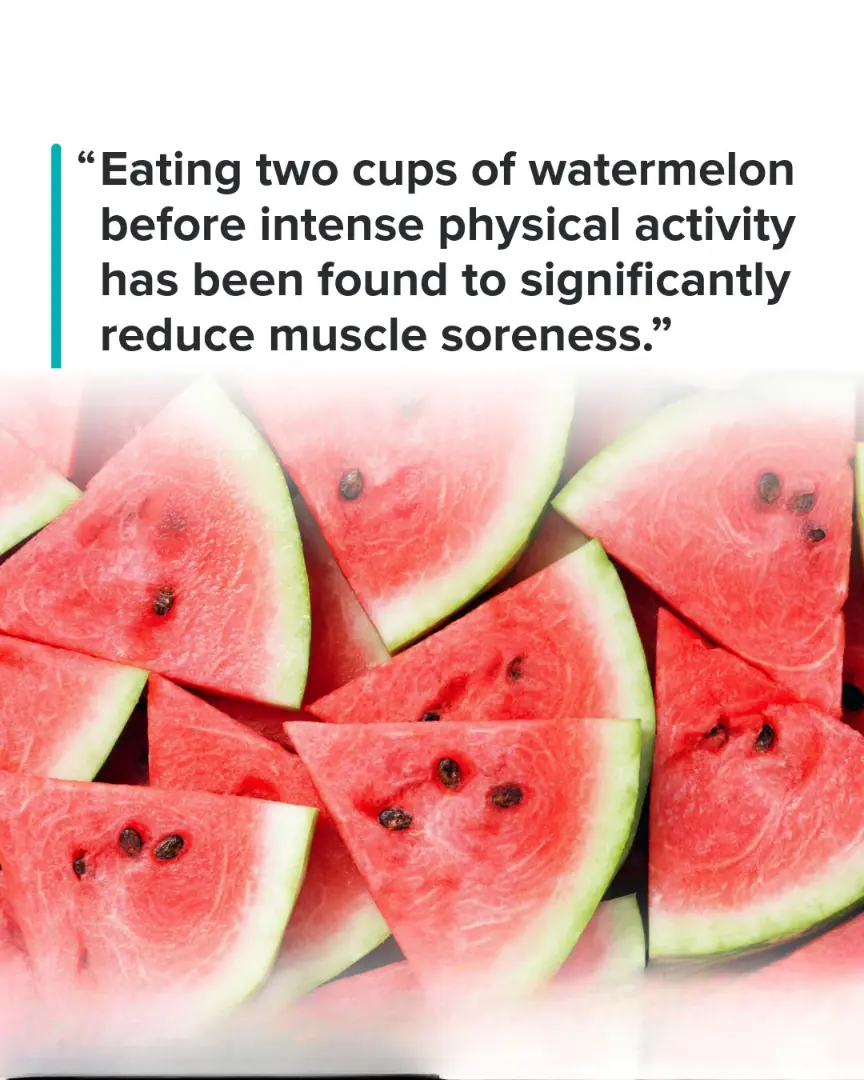
Can Watermelon Help Reduce Muscle Soreness After Exercise? Here's What Research Reveals

Can Eating Beans Every Day Support a Healthier Heart? Here's What the Research Suggests

Can Blueberries Help Reduce Exercise-Induced Inflammation? Here's What the Science Says
Why Staying Hydrated Is Essential for Your Mood, Energy, and Overall Health
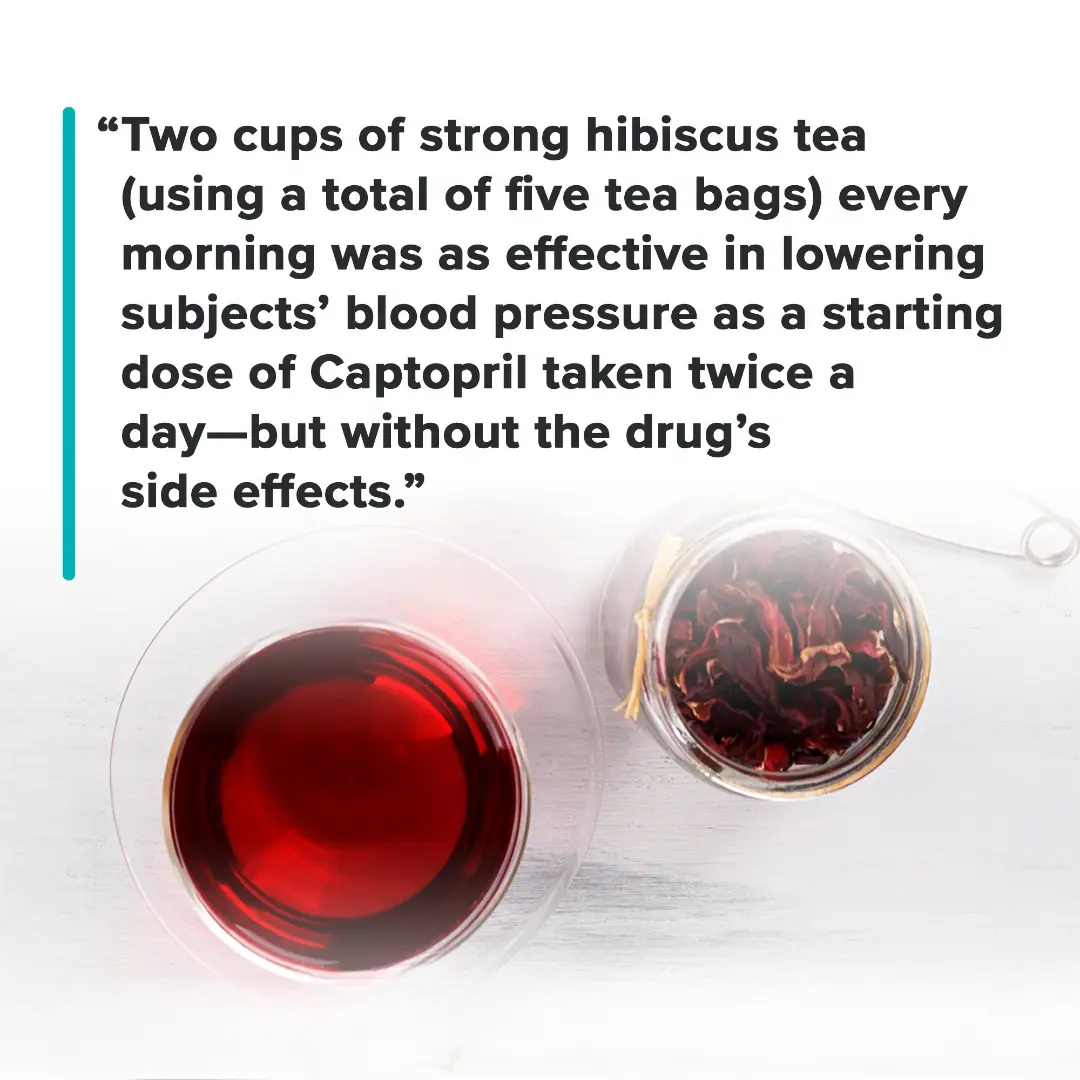
Can Hibiscus Tea Help Lower Blood Pressure? What Science Really Says
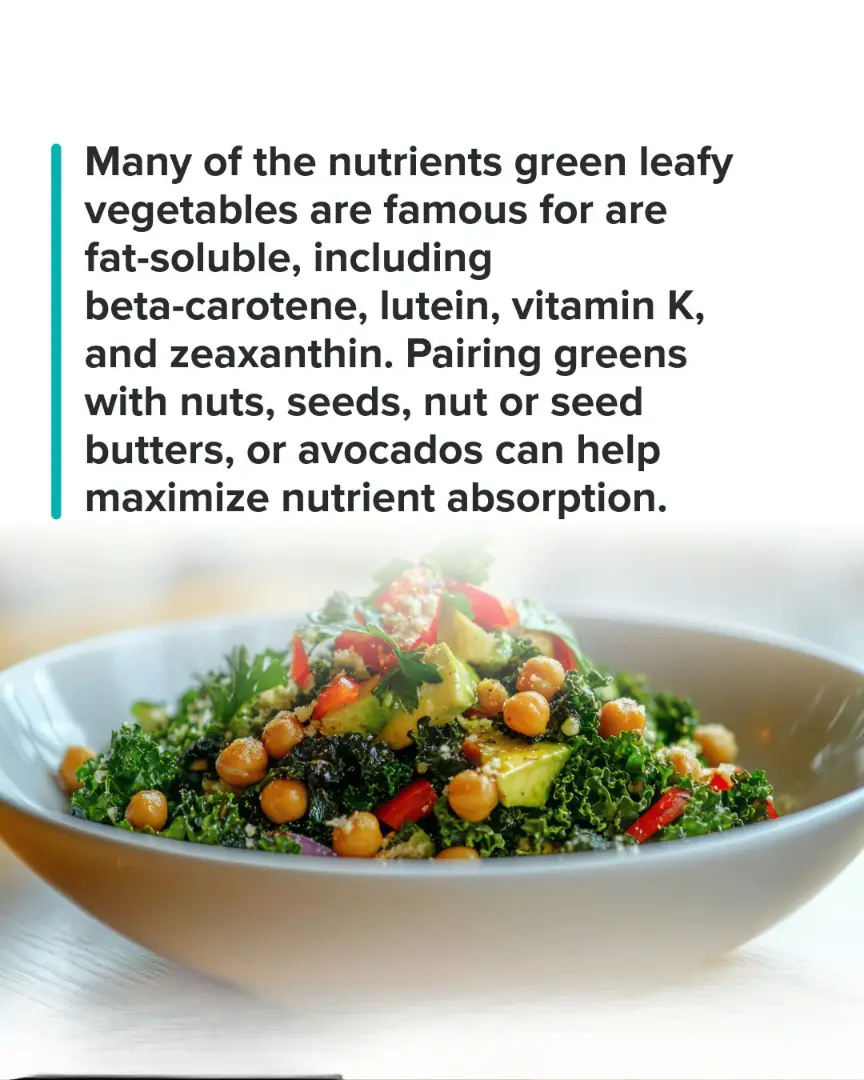
Why Healthy Fats Make Green Leafy Vegetables Even More Nutritious