Health Food 21/02/2026 22:18

How Ultra-Processed Foods Affect Appetite — Not Just Calories

When ultra-processed foods are criticised, the conversation usually stops at calories.

Too much sugar.
Too much fat.
Too many empty calories.

But this framing misses a quieter, more important point.

Ultra-processed foods don’t just add calories — they change how appetite works.

What Makes a Food “Ultra-Processed”?

Ultra-processed foods are not simply foods that have been cooked or packaged.

They are products made mostly from refined ingredients, additives, and industrial processes designed to create specific textures, flavours, and shelf stability.

Common features include:

refined starches and sugars

industrial oils

emulsifiers, flavourings, colourings

textures engineered for softness or crunch

These foods are designed to be easy to eat — and that matters more than it sounds.

Appetite Is Regulated by Signals, Not Math
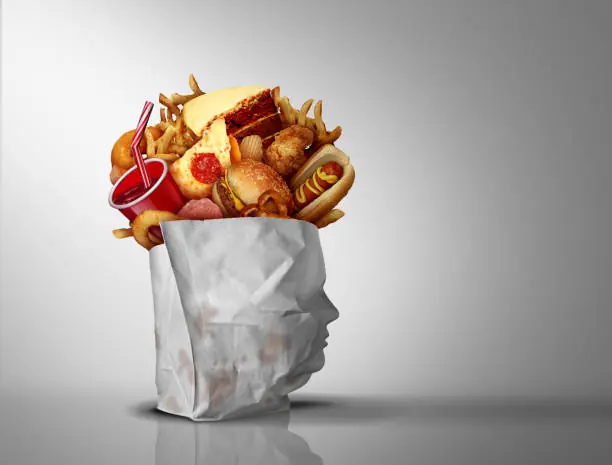
mở túi khoai tây chiên trong một mặt đất lưng trắng - ultra-processed foods  hình ảnh sẵn có, bức ảnh & hình ảnh trả phí bản quyền một lần
Hunger and fullness are not governed by calorie counting.

They rely on a complex system of signals involving:

chewing and oral processing

stomach stretching

gut hormones

blood sugar stability

brain reward pathways

Ultra-processed foods tend to interfere with several of these signals at once.

Why Texture and Speed Matter

Many ultra-processed foods are soft, uniform, and quick to consume.

Think:

crisps

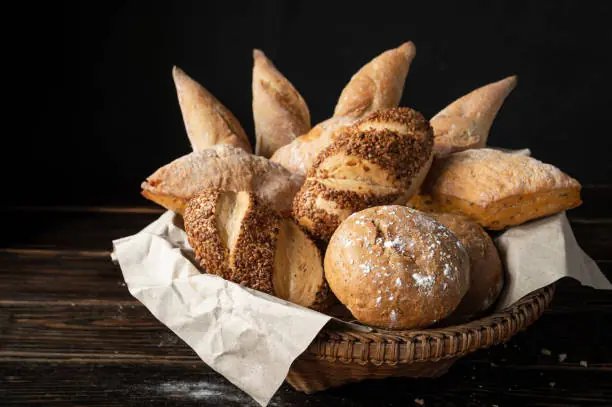
white bread

pastries

sweetened cereals

These foods require little chewing and are eaten rapidly.

The faster food enters the system, the less time the body has to register fullness before significant energy is consumed.
nhiều loại satay trong khay màu đen như xúc xích, thịt viên, thanh cua và oden. đồ ăn nhẹ thường được bán tại các quầy hàng thức ăn đường phố. khái niệm cho thực phẩm siêu chế biến. - ultra-processed foods  hình ảnh sẵn có, bức ảnh & hình ảnh trả phí bản quyền một lần
This doesn’t mean people are “mindless”.

It means the physiology is being outpaced.

Hyper-Palatability Keeps Appetite Switched On

Ultra-processed foods often combine:

fat + sugar

fat + refined carbohydrates

salt + refined carbohydrates

These combinations strongly stimulate reward pathways in the brain.

Pleasure itself isn’t the problem.

The issue is that reward stimulation can persist even after energy needs are met, encouraging continued eating without clear satiety.

Calories Without Completion

Another overlooked factor is food structure.

Whole foods tend to come with:

fibre

water

intact cell walls

Ultra-processed foods are often stripped of this structure.
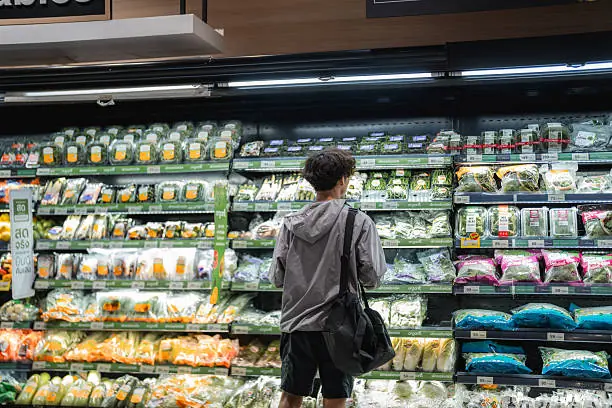
nhiều lựa chọn cửa hàng tạp hóa thương hiệu - ultra-processed foods  hình ảnh sẵn có, bức ảnh & hình ảnh trả phí bản quyền một lần
As a result, calories are absorbed quickly but don’t always produce a strong sense of having eaten a “meal”.

This is why someone can feel physically full yet unsatisfied — or satisfied briefly, then hungry again.

The Microbiome Connection

Emerging research suggests that additives commonly used in ultra-processed foods may also affect the gut microbiome.

Changes in microbial balance can influence:

inflammation

gut-brain signalling

appetite hormones

This doesn’t mean one snack ruins gut health.

It means long-term patterns matter.

Why This Isn’t About Demonising Food

Ultra-processed foods exist for real reasons:

convenience

affordability

accessibility

They are not moral failures.

The issue arises when they dominate the diet — not when they appear occasionally.

A More Useful Question

Instead of asking:
“How many calories does this have?”

It can be more revealing to ask:
“How does this food interact with my appetite?”

Does it slow eating?
Does it create fullness that lasts?
Does it feel like a complete meal?

These questions align better with how the body actually works.

The Bigger Perspective

Ultra-processed foods don’t override appetite through weakness or lack of discipline.

They interact with biology in ways that make regulation harder.

Understanding this shifts the conversation away from blame — and toward structure, quality, and pattern.

Because appetite isn’t broken.

It’s responding to the environment it’s given.

News in the same category

News Post