Health Food 20/02/2026 21:56

For Heart Health, Food Quality Matters More Than Whether You Eat Low-Carb or Low-Fat

For decades, heart health advice has revolved around one central debate:

Should we eat low-fat or low-carb?

Entire dietary movements have formed around this question. Some people eliminate fat, others avoid carbohydrates, and many switch between the two depending on the latest headline.

But growing evidence suggests that this framing may be missing a more important factor.

For cardiovascular health, the quality of the food matters more than whether carbs or fats are reduced.

Why the Low-Carb vs Low-Fat Debate Persists

The debate exists for a reason.

Both carbohydrates and fats can influence blood lipids, insulin response, and body weight. Early studies showed that reducing one macronutrient could improve certain markers in the short term.

But macronutrients are broad categories.

Refined carbohydrates and whole grains are both “carbs.”
Processed fats and fats from nuts or fish are both “fat.”
huyết áp, đường huyết và kiểm soát cân nặng, chế độ ăn uống cân bằng và tập thể dục để có một cuộc sống khỏe mạnh - heart health hình ảnh sẵn có, bức ảnh & hình ảnh trả phí bản quyền một lần
Treating these as interchangeable overlooks how differently they behave in the body.

What Large-Scale Research Is Showing

Recent long-term studies following large populations have begun to clarify an important pattern:

People who follow high-quality low-carb or high-quality low-fat diets tend to have better heart outcomes than those whose diets are low-quality — regardless of macronutrient ratio.

In contrast, low-carb diets heavy in processed meats and refined fats, or low-fat diets dominated by refined starches and added sugars, show far less benefit.

In some cases, they may even increase cardiovascular risk.

What “Food Quality” Actually Means

High-quality diets tend to emphasize:

vegetables and fruits

whole grains or minimally processed carbohydrates

legumes

nuts and seeds

fish and plant-based fats

limited ultra-processed foods

Low-quality diets, regardless of carb or fat content, often include:

refined grains

added sugars

processed meats

industrial snack foods

excess sodium

The heart appears to respond more strongly to these patterns than to macronutrient percentages alone.
người phụ nữ tay trong chiếc áo len màu vàng giữ trái tim màu hồng. - heart health hình ảnh sẵn có, bức ảnh & hình ảnh trả phí bản quyền một lần
Why the Heart Cares About Quality

Food quality influences heart health through multiple pathways:

1. Inflammation

Whole foods contain compounds that help regulate inflammatory processes, while ultra-processed foods often promote chronic low-grade inflammation.

2. Lipid Profiles

Not all fats affect cholesterol in the same way. Unsaturated fats from plants and fish behave differently than industrial trans fats or highly processed saturated fats.

3. Vascular Function

Plant-rich diets support endothelial function — the ability of blood vessels to expand and contract efficiently.

4. Metabolic Stability

Whole foods tend to produce steadier blood sugar and insulin responses, reducing strain on the cardiovascular system.

These mechanisms operate regardless of whether the diet is technically “low-carb” or “low-fat.”

Why Focusing on Macros Alone Can Be Misleading

Macronutrient targets are appealing because they’re simple.

But simplicity can hide complexity.

Two people can eat the same percentage of carbohydrates and fats and have very different heart health outcomes — depending entirely on where those nutrients come from.
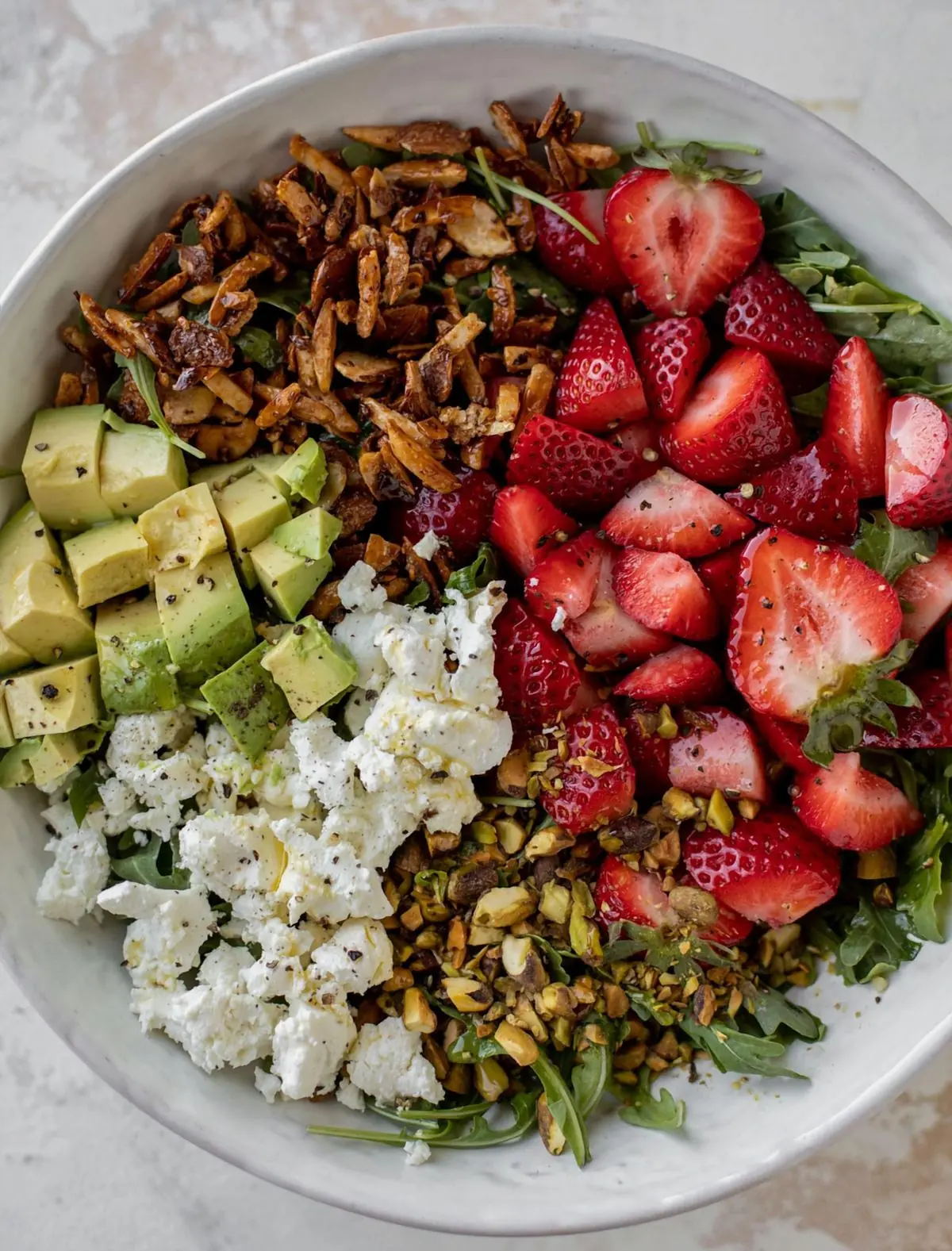
nhóm thành phần tốt cho sức khỏe cho trái tim khỏe mạnh và khỏe mạnh - heart health hình ảnh sẵn có, bức ảnh & hình ảnh trả phí bản quyền một lần
A low-fat diet built on white bread and sugar does not resemble one built on vegetables and legumes.

Likewise, a low-carb diet based on fish, olive oil, and vegetables is not the same as one built on processed meats and butter.

A More Useful Question for Heart Health

Instead of asking:

“Should I cut carbs or cut fat?”

A more informative question is:

“What foods make up the bulk of my diet?”

When food quality is high, a range of macronutrient distributions can support heart health.

When food quality is low, no macronutrient ratio reliably compensates.

Practical Implications

This perspective offers relief rather than restriction.

You don’t need to chase the perfect ratio.

You can:

choose carbohydrates that are less processed

prioritize fats from whole food sources

build meals around plants and lean proteins

treat ultra-processed foods as occasional, not foundational

These shifts tend to improve cardiovascular markers across many dietary styles.

The Bigger Picture

Heart health isn’t determined by a single nutrient to avoid.

It’s shaped by long-term patterns.

Patterns that emphasize whole, minimally processed foods appear consistently protective — whether carbs are higher or lower, fats are emphasized or moderated.

The evidence increasingly suggests that quality is the lever that matters most.

And that makes heart-healthy eating far more flexible — and sustainable — than the old debates imply.

News in the same category

News Post