Health Food 20/02/2026 22:03

Why Ultra-Processed Foods Are Linked to Higher Heart Attack and Stroke Risk

Ultra-processed foods are often discussed in terms of calories, fat, sugar, or salt.

But research increasingly suggests that their impact on cardiovascular health goes beyond individual nutrients.

The level of processing itself appears to matter.

What Counts as Ultra-Processed?

Ultra-processed foods typically include:

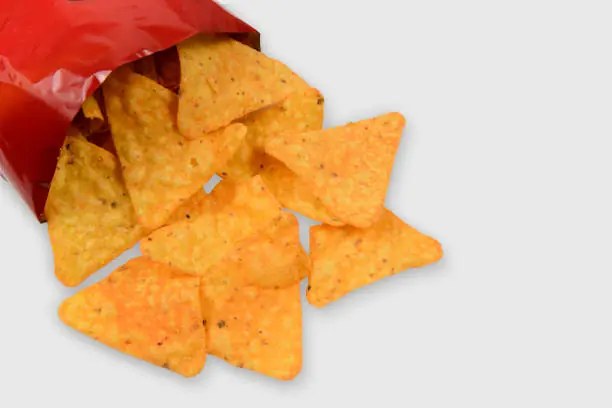
packaged snacks

sweetened beverages

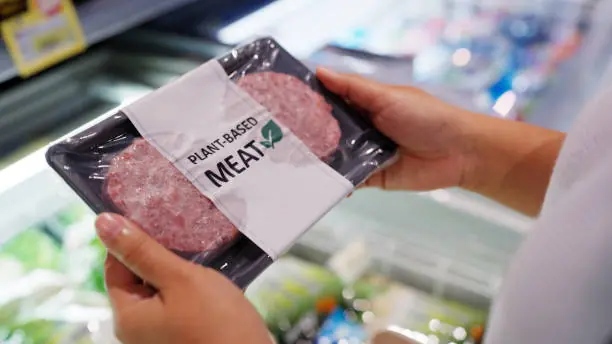
reconstituted meat products

ready-to-eat industrial meals

They are often formulated from refined ingredients and additives rather than whole foods.
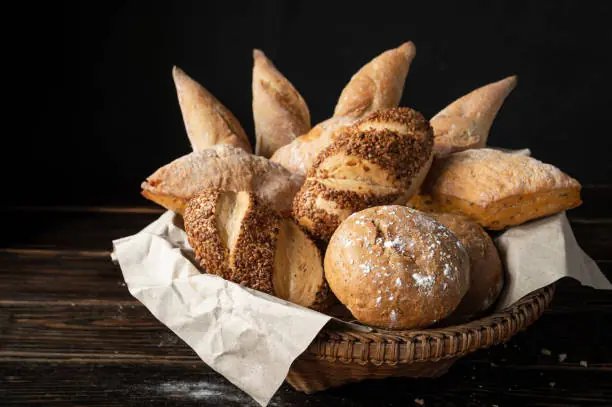
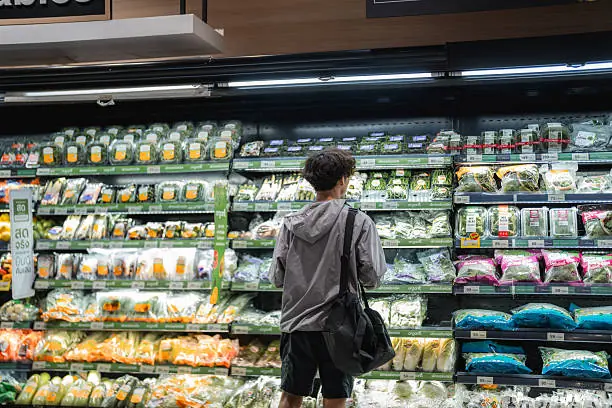
thực phẩm siêu chế biến -  ultra-processed foods hình ảnh sẵn có, bức ảnh & hình ảnh trả phí bản quyền một lần
Importantly, ultra-processed does not simply mean “unhealthy” in a moral sense.

It describes how far a food has moved from its original form.

Why Processing Affects the Heart

Ultra-processed foods influence cardiovascular risk through multiple overlapping pathways:

1. Inflammation

Additives, emulsifiers, and refined ingredients may promote low-grade chronic inflammation.

2. Metabolic Stress

Rapid digestion and absorption can lead to repeated blood sugar and lipid spikes.

3. Appetite Dysregulation

These foods are often engineered to be easy to overconsume, indirectly increasing energy intake.

4. Displacement

High intake of ultra-processed foods often replaces protective foods like vegetables, legumes, and whole grains.

Together, these effects create an environment that strains the cardiovascular system over time.

It’s Not Just One Nutrient

Attempts to “fix” ultra-processed foods by adjusting fat or sugar content often miss the point.

Low-fat ultra-processed foods still show negative associations.
sản phẩm thực phẩm -  ultra-processed foods hình ảnh sẵn có, bức ảnh & hình ảnh trả phí bản quyền một lần
Low-sugar ultra-processed foods still show negative associations.

This suggests the food matrix — texture, structure, and chemical complexity — plays a key role.

Why This Matters for Stroke and Heart Attack Risk

Large population studies show higher rates of cardiovascular events among those with the greatest ultra-processed food intake.

These associations persist even after accounting for calories and body weight.

This implies mechanisms beyond simple energy balance.

Context Still Matters

Ultra-processed foods are not consumed in a vacuum.

Access, cost, time, and cultural factors all influence intake.

The goal is not elimination — but awareness of proportion.

Dietary patterns dominated by ultra-processed foods appear more problematic than occasional inclusion.

A More Useful Reframe

Instead of asking:

“Is this food bad?”
so sánh thực phẩm thật, thực phẩm chế biến, thực phẩm siêu chế biến -  ultra-processed foods hình minh họa sẵn có
A more informative question may be:

“How much of my diet comes from foods close to their original form?”

Increasing whole-food proportion tends to reduce ultra-processed intake naturally.

The Bigger Perspective

Cardiovascular risk accumulates over years.

Ultra-processed foods seem to contribute not because of one ingredient, but because they consistently push metabolism, inflammation, and appetite regulation in the same direction.

Understanding this shifts the focus from nutrient blame to pattern awareness.

News in the same category

News Post