Health Food 20/02/2026 22:00

Why Omega-3 Supplements Don’t Work the Same Way for Everyone

Omega-3 fatty acids are among the most widely recommended supplements in nutrition.

They’re linked to benefits for:

heart health

inflammation regulation

brain function

Yet studies often report mixed results.
cận cảnh vitamin hữu cơ tự nhiên trong tay - omega-3 supplements hình ảnh sẵn có, bức ảnh & hình ảnh trả phí bản quyền một lần
Some people see clear improvements.
Others see little change.

This inconsistency has puzzled researchers for years.

Recent findings suggest a possible explanation:

the effectiveness of omega-3s may depend on individual biology — including specific enzymes in the body.

Omega-3s Must Be Processed to Become Active

Omega-3 fatty acids such as EPA and DHA do not act in isolation.

Once consumed, they undergo a series of metabolic steps to become biologically active compounds that influence inflammation and cell signaling.

These steps require enzymes.

If certain enzymes are less active or less abundant, the downstream effects of omega-3 intake may be reduced.

In other words, absorption does not guarantee utilization.

The Role of Enzymes in Anti-Inflammatory Action

Some omega-3 benefits are mediated through conversion into specialized lipid mediators that help resolve inflammation.

This process is enzyme-dependent.

If conversion is inefficient, omega-3s may still be present in the body — but not fully functional in the intended way.

This helps explain why supplementation outcomes vary widely across individuals.

Genetics and Metabolic Differences Matter

Enzyme activity is influenced by:

genetics

age

overall diet

gut health

metabolic status

Two people taking the same supplement may process it very differently.

This doesn’t mean one person is “doing it wrong.”
đống viên nang omega 3 trong chai thủy tinh trên bàn gỗ - omega-3 supplements hình ảnh sẵn có, bức ảnh & hình ảnh trả phí bản quyền một lần
It means biology is not uniform.

Why Food Sources Can Behave Differently

Whole-food sources of omega-3s, such as fatty fish, provide more than isolated fatty acids.

They come with:

additional nutrients

supportive fats

proteins

minerals

These components may support more efficient metabolism and utilization.

This could be one reason why diets rich in fish often show more consistent benefits than supplementation alone.

Supplements Are Tools — Not Guarantees

Omega-3 supplements can be helpful, especially for individuals who consume little fish.

But they are not universal solutions.

Their effectiveness depends on context:

overall dietary pattern

inflammatory status

metabolic health

This aligns with a broader trend in nutrition science: personalization matters.

Rethinking “If Some Is Good, More Is Better”

More omega-3 intake does not automatically translate to more benefit.

If conversion pathways are limited, increasing dose may not overcome the bottleneck.

This challenges the idea that supplementation works in a linear, dose-dependent way for everyone.
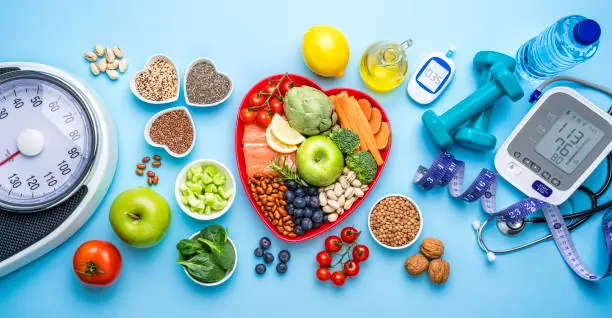
ăn uống lành mạnh: lựa chọn nhóm thực phẩm chống oxy hóa - omega-3 supplements hình ảnh sẵn có, bức ảnh & hình ảnh trả phí bản quyền một lần
A More Nuanced Approach

Instead of asking:

“Should I take omega-3 supplements?”

A more helpful question may be:

“How does omega-3 fit into my overall diet and health context?”

For some, supplements add value.

For others, focusing on food sources and overall dietary quality may be more impactful.

The Bigger Perspective

Nutrition is moving away from one-size-fits-all solutions.

Omega-3 research highlights this shift clearly.

What matters is not just what you consume — but how your body processes it.

Understanding this doesn’t reduce the value of omega-3s.

It places them where they belong:

as part of a larger system, influenced by biology, not just dosage.

And that perspective leads to better expectations — and better decisions.

News in the same category

News Post