Health Food 21/02/2026 22:15

Why Food Quality Matters More Than Carbs or Fat

For years, nutrition debates have revolved around a familiar question:
Should we eat low-carb or low-fat?

Entire diets, books, and social media movements have formed around choosing one side. Carbohydrates are blamed for weight gain. Fat is accused of harming the heart. Then the narrative flips, and the opposite macronutrient becomes the villain.

But an increasing amount of nutrition research suggests that this debate may be missing a more important point.

For long-term health, food quality matters more than macronutrient ratios.
nữ nhà vi sinh học sử dụng kính hiển vi trong lao động - food quality  hình ảnh sẵn có, bức ảnh & hình ảnh trả phí bản quyền một lần
Why the Macro Debate Persists

Carbohydrates and fats both influence blood sugar, cholesterol, and energy balance, so it makes sense that early nutrition science focused heavily on them. Reducing one macronutrient often produces short-term changes in weight or blood markers, which reinforced the idea that macros are the main lever.

The problem is that macronutrients are extremely broad categories.

White bread and lentils are both carbohydrates.
Olive oil and industrial trans fats are both fats.
châu á trung niên người phụ nữ trưởng thành kiểm tra sự phát triển trang trại hữu cơ của mình với ghi âm máy tính bảng kỹ thuật số - food quality  hình ảnh sẵn có, bức ảnh & hình ảnh trả phí bản quyền một lần
Lumping them together ignores how differently they behave in the body.

What “Food Quality” Actually Means

When researchers talk about food quality, they’re usually referring to several overlapping factors:

how processed a food is

whether it retains its natural structure

how it affects blood sugar and appetite

what nutrients and bioactive compounds it provides

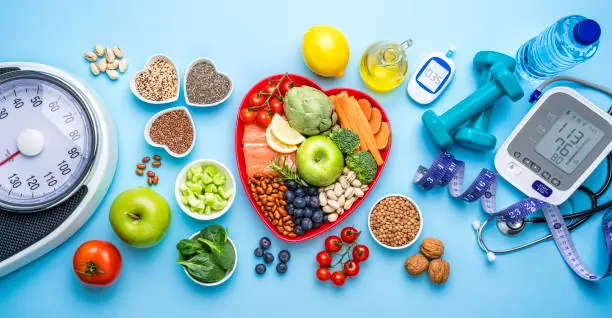
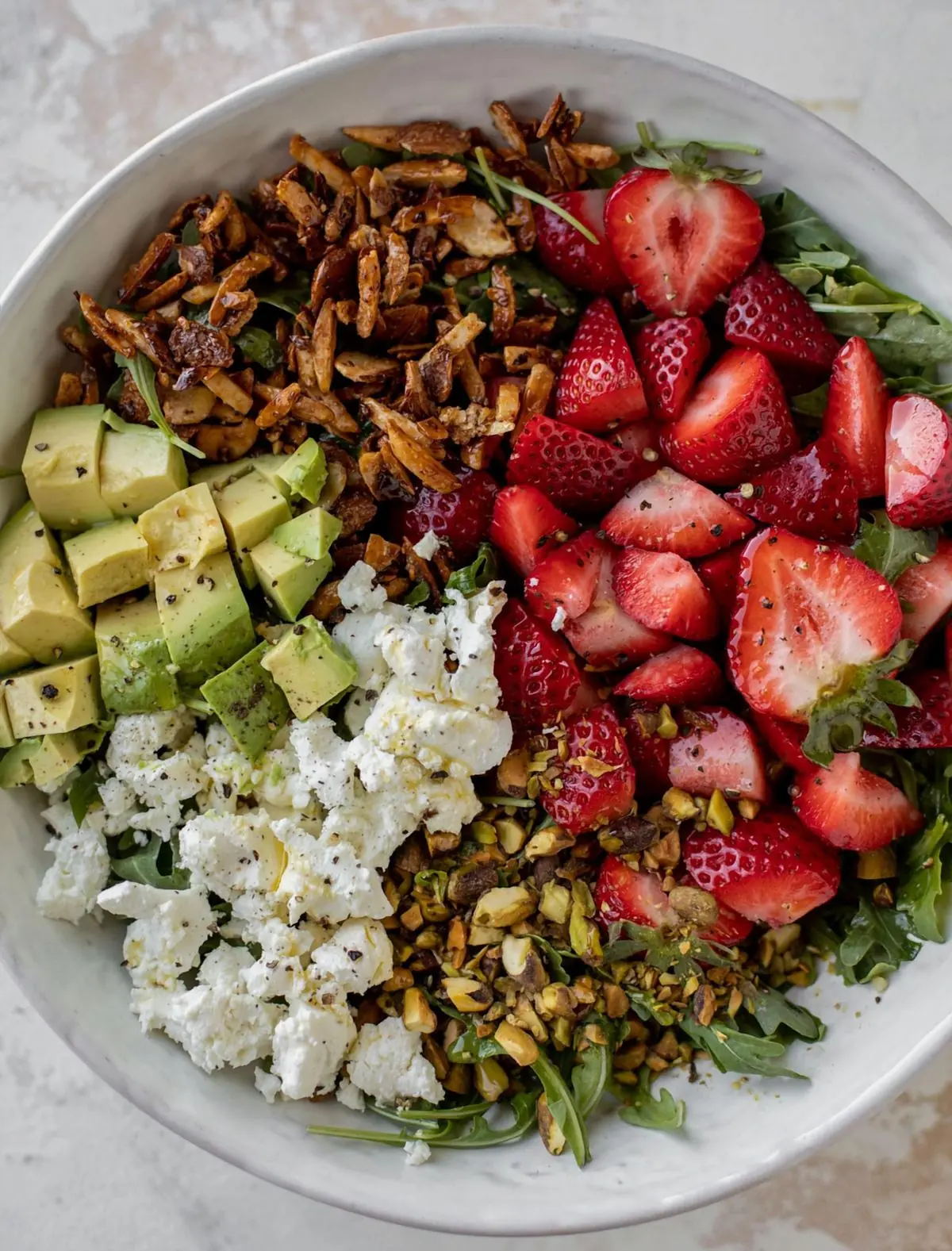
High-quality diets tend to emphasize foods close to their original form: vegetables, fruits, legumes, whole grains, nuts, seeds, fish, and minimally processed fats.

Low-quality diets often rely heavily on refined grains, added sugars, industrial oils, and ultra-processed products — regardless of whether they’re labeled low-fat or low-carb.

What Large Studies Are Showing

Long-term population studies increasingly show a consistent pattern:

People who follow high-quality low-carb or high-quality low-fat diets tend to have better cardiovascular and metabolic outcomes than those following low-quality versions of either approach.

Meanwhile, diets that technically meet macro targets but rely on heavily processed foods often show little benefit — and sometimes increased risk.

This suggests that macronutrient percentages alone are not enough to predict health outcomes.

Why the Body Responds to Quality, Not Just Quantity

Food quality influences health through multiple pathways at once:

Inflammation: Whole foods contain fiber, polyphenols, and micronutrients that help regulate inflammatory responses.
phân tích thực phẩm - food quality  hình ảnh sẵn có, bức ảnh & hình ảnh trả phí bản quyền một lần
Blood sugar stability: Less refined foods are digested more slowly, reducing glucose spikes.

Satiety: Foods with intact structure tend to promote fullness more effectively.

Gut health: Fiber-rich, minimally processed foods support a healthier microbiome.

These effects occur regardless of whether carbohydrates or fats are relatively higher or lower.

The Problem With “Winning” the Macro Debate

Focusing too narrowly on macros can lead to strange outcomes.

A low-fat diet built on refined starches and sugar looks very different from one built on vegetables and legumes — even if the fat percentage is identical.

Likewise, a low-carb diet based on fish, vegetables, and olive oil is not metabolically equivalent to one dominated by processed meats and butter.

When people feel confused despite “hitting their macros,” food quality is often the missing variable.

A More Useful Question

Instead of asking:
“Should I cut carbs or fat?”

A more informative question is:
“What foods make up most of what I eat?”

When quality is high, a wide range of macronutrient distributions can support health. When quality is low, no ratio reliably compensates.

The Bigger Picture

Nutrition is less about choosing the correct side of a debate and more about building patterns the body can work with over time.

Shifting attention from macros to food quality doesn’t make eating more complicated — it often makes it simpler.

Not because the rules are stricter, but because they’re more grounded in how the body actually responds to food.

News in the same category

News Post