Health Food 21/02/2026 22:30

The Hidden Link Between Blood Sugar Swings and Mood

When people experience anxiety, irritability, or sudden mood shifts, the explanation is often framed as purely psychological.

Stress.
Personality.
Emotional resilience.

But there is another layer that receives far less attention:

metabolism — specifically, blood sugar stability.

This does not mean emotions are “just chemical”.
It means physiology can quietly shape how emotions are experienced.
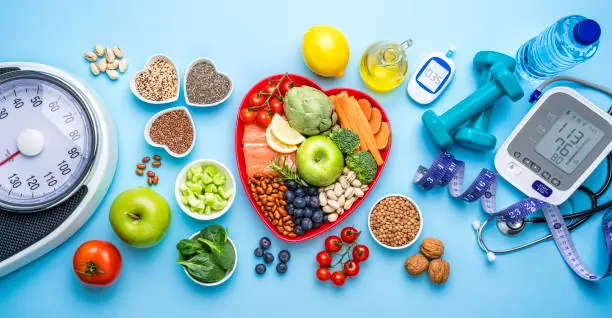
ngày bệnh tiểu đường thế giới, chăm sóc sức khỏe và khái niệm y tế. thực phẩm lành mạnh bao gồm trái cây tươi, rau, cân nặng, giày thể thao, dumbells, băng đo và đo tiểu đường đặt trên nền đen. - blood sugar  hình ảnh sẵn có, bức ảnh & hình ảnh trả phí bản quyền một lần
The Brain Depends on a Steady Energy Supply

The brain relies heavily on glucose.

But it doesn’t respond well to extremes.

Rapid rises and falls in blood sugar can activate stress pathways designed to protect the body from energy shortages. When glucose drops quickly, the body may release hormones such as cortisol and adrenaline to compensate.

These hormones are useful in emergencies.

But they also produce sensations that closely resemble anxiety:

restlessness

tension

racing thoughts

irritability

For some people, these sensations are interpreted as emotional distress — even though the trigger is metabolic.

Why Sugar Spikes Feel So Intense

Foods that digest very quickly — especially refined carbohydrates or sugary drinks — can cause sharp blood sugar rises followed by rapid declines.

This rollercoaster effect may:

increase stress hormone release

disrupt concentration

amplify emotional reactivity

Not everyone experiences this strongly, but those who do often describe feeling “on edge” or emotionally unstable after certain meals.

The Role of Insulin and Counter-Regulation

When blood sugar rises quickly, insulin is released to bring it down.
bệnh tiểu đường làm xét nghiệm mức glucose. trái cây trong nền - blood sugar  hình ảnh sẵn có, bức ảnh & hình ảnh trả phí bản quyền một lần
If the drop happens too fast, the body activates counter-regulatory systems to prevent hypoglycaemia. This is a protective mechanism — but it comes with side effects.

The resulting surge in stress hormones can feel indistinguishable from anxiety.

This helps explain why symptoms can appear suddenly and without an obvious emotional trigger.

Adolescents and Vulnerable Periods

Certain life stages may increase sensitivity to glucose fluctuations.

Adolescence, for example, is a time of:

hormonal change

brain development

increased consumption of sugary drinks and snacks

This overlap may explain why associations between diet and anxiety-like symptoms are often stronger in younger populations.

This Is Not About Eliminating Sugar

It’s important to be clear.

Sugar itself is not inherently harmful, and anxiety is not caused by one nutrient.

Blood sugar stability is influenced by:

meal composition

timing

sleep

stress

physical activity

The issue arises when sharp glucose swings become frequent.

Why Whole Meals Behave Differently

Meals that combine:

fibre

protein

fats

tend to slow digestion and create more stable blood sugar responses.

This stability reduces the need for stress-hormone intervention — and for some people, that means fewer mood fluctuations.
người phụ nữ trẻ tiểu đường ăn sáng tại nhà - blood sugar  hình ảnh sẵn có, bức ảnh & hình ảnh trả phí bản quyền một lần
Reframing Emotional Signals

Instead of viewing irritability or anxiety purely as emotional weakness, it can be helpful to ask:

“Could this be a physiological response to energy instability?”

This reframing often leads to more compassionate self-understanding.

The Bigger Perspective

Mood is shaped by many factors — psychological, social, and biological.

Blood sugar is not the whole story.

But for some people, stabilising energy intake can quietly stabilise emotional experience as well.

Not by suppressing emotions — but by removing unnecessary physiological noise.

News in the same category

News Post