Is Dark Chocolate Actually Good for You — Or Just Wishful Thinking?
Health Food 22/02/2026 23:07
Snacking is often framed as a lack of discipline.
Too much willpower lost.
Too many bad habits.
Too much temptation.
But this explanation overlooks how strongly environment, brain chemistry, and decision fatigue shape eating behaviour—often without conscious intent.
For many people, snacking doesn’t come from hunger at all.
It comes from how the modern food environment interacts with the brain.
Physiological hunger is just one reason people eat.
Snacking is also driven by:
When food is constantly available, the brain doesn’t wait for hunger signals before suggesting eating.
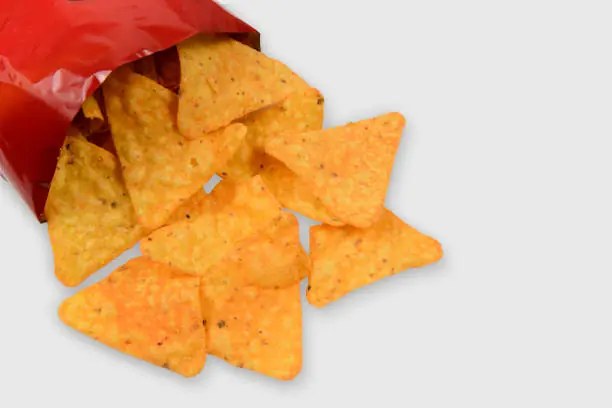
Highly processed snack foods are engineered to stimulate dopamine—the neurotransmitter associated with motivation and anticipation.
This matters because dopamine doesn’t signal pleasure after eating.
It signals desire before eating.
As a result:
This is not a personal failure.
It’s a predictable neurological response.
Every decision costs mental energy.
By the end of a workday filled with choices—emails, meetings, deadlines—the brain looks for shortcuts.
Snacks provide:
This is why snacking often increases in the afternoon or evening, even if meals earlier were sufficient.
Telling someone to stop snacking without changing the environment is like asking them to ignore background noise while working.
The cues remain:
When cues are strong, relying on restraint alone becomes exhausting—and usually unsustainable.
In some cases, snacking urges are intensified by blood sugar fluctuations.
Rapid drops in blood glucose can create:
These sensations can be misinterpreted as hunger, even when energy intake is adequate overall.
Snacking behaviour varies widely.
It’s influenced by:
People who have dieted repeatedly may experience stronger urges due to heightened sensitivity to restriction.
Instead of asking:
“Why can’t I stop snacking?”
A more useful question is:
“What is triggering the urge to snack right now?”
Often, the answer has little to do with hunger.
Small environmental changes can reduce snacking pressure:
These strategies work because they align with how the brain actually functions.
Snacking is not a moral issue.
It’s a behavioural response shaped by biology, stress, and environment.
Understanding this removes shame—and opens the door to solutions that work with the brain, not against it.