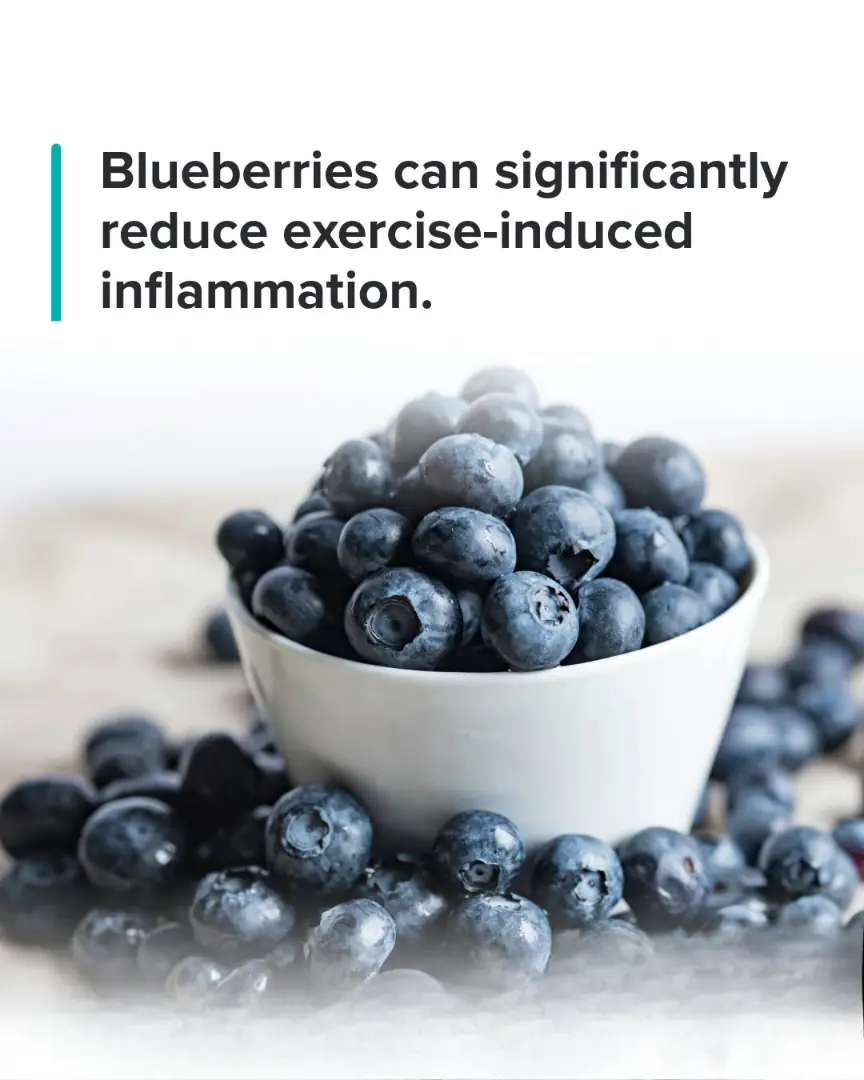
Can Blueberries Help Reduce Exercise-Induced Inflammation? Here's What the Science Says
Can Blueberries Help Reduce Exercise-Induced Inflammation? Here's What the Science Says
Health Food 04/07/2026 21:36
When people reach for comfort foods, the explanation is often framed as emotional weakness.
Stress eating.
Lack of control.
Bad habits.
But this narrative overlooks something essential:
comfort eating is not a failure of willpower — it is a predictable biological response to stress.
Stress doesn’t begin in the mind.
It begins in the nervous system.
When the body perceives threat — physical or psychological — it activates the stress response, releasing hormones such as cortisol and adrenaline.
These hormones prepare the body for action, not for careful food choices.
Under stress, the body prioritises:
Food becomes part of that survival strategy.
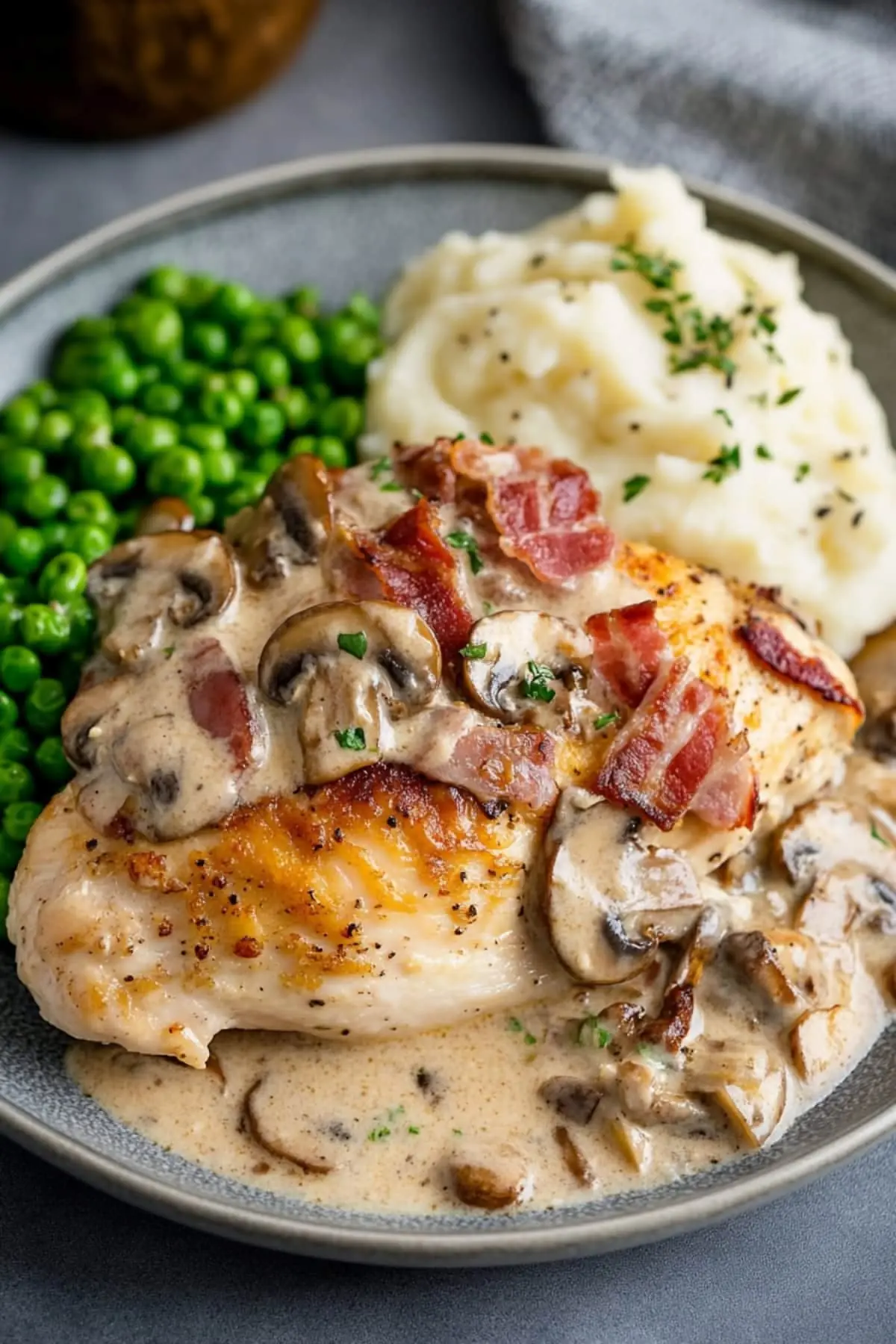
Comfort foods tend to share common features:
These foods raise blood glucose quickly and stimulate reward pathways in the brain.
Carbohydrates, in particular, increase serotonin availability — a neurotransmitter associated with calm and emotional regulation.
This creates a short-term sense of relief, which the brain learns to associate with certain foods.
Over time, this association becomes automatic.
Stress does not suppress appetite universally.
For some people, stress reduces hunger.
For others, especially under chronic stress, cortisol can increase appetite and preference for energy-dense foods.
This variation is influenced by:
This is why blanket advice about “emotional eating” often feels unhelpful or judgemental.
Comfort isn’t just about nutrients.
It’s also about memory.
Foods linked to:
carry emotional meaning.
Under stress, the brain seeks familiarity and predictability. Familiar foods reduce cognitive load — no decisions, no uncertainty.
This is not indulgence.
It’s regulation.
Strict food rules can intensify comfort-food cravings.
When certain foods are labelled “off-limits”, stress increases their psychological appeal.
During moments of emotional overload, the brain gravitates toward whatever promises the fastest relief — especially if it has been forbidden.
This dynamic helps explain why stress often leads to eating foods people are actively trying to avoid.
Eating for comfort doesn’t automatically mean overeating.
The problem arises when:
Guilt adds another layer of stress, reinforcing the cycle.
Instead of asking:
“Why do I eat like this when I’m stressed?”
A more useful question is:
“What is this food helping me cope with right now?”
This reframing reduces shame and opens space for additional coping strategies — without removing food as one option.
Comfort foods feel powerful under stress because they work.
They regulate mood, reduce physiological tension, and provide predictability in moments of overload.
Understanding this doesn’t mean relying on food alone — but it does mean recognising that stress eating is a signal, not a moral flaw.
Can Blueberries Help Reduce Exercise-Induced Inflammation? Here's What the Science Says
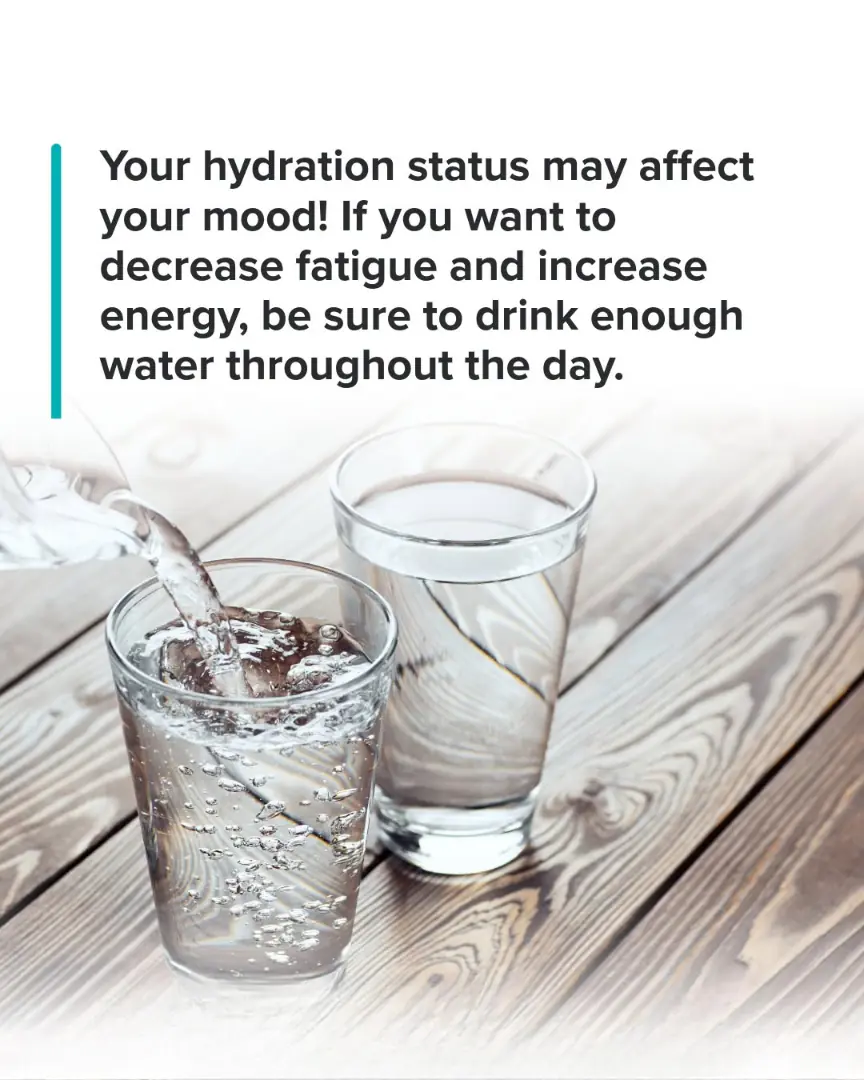
Why Staying Hydrated Is Essential for Your Mood, Energy, and Overall Health






13 Surprising Facts About Sweet Potatoes Most People Get Wrong



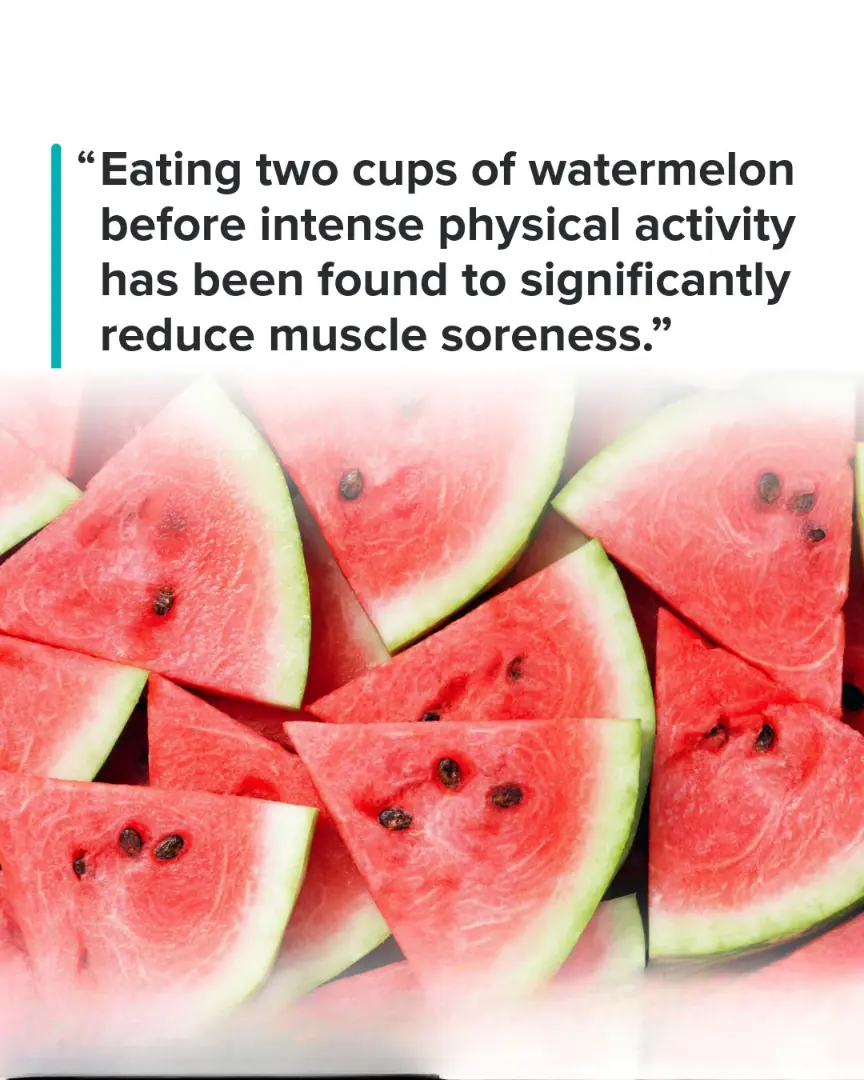
Can Watermelon Help Reduce Muscle Soreness After Exercise? Here's What Research Reveals
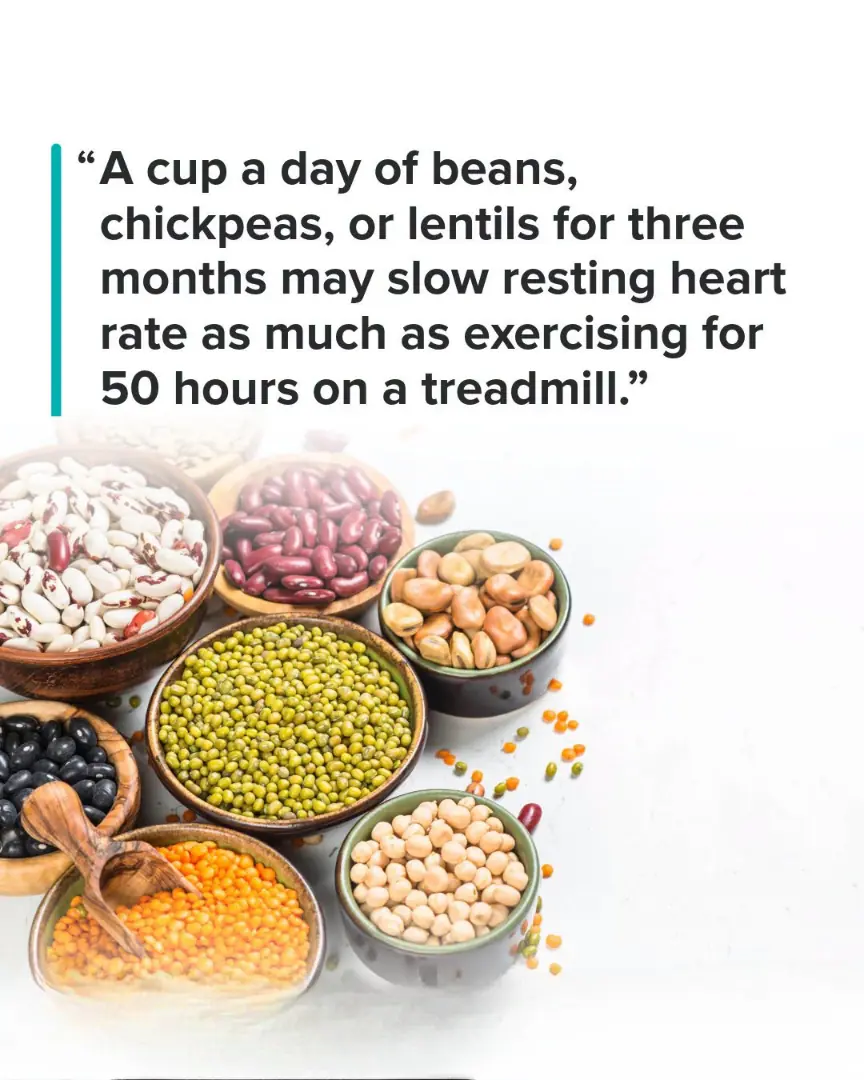
Can Eating Beans Every Day Support a Healthier Heart? Here's What the Research Suggests
Can Blueberries Help Reduce Exercise-Induced Inflammation? Here's What the Science Says
Why Staying Hydrated Is Essential for Your Mood, Energy, and Overall Health
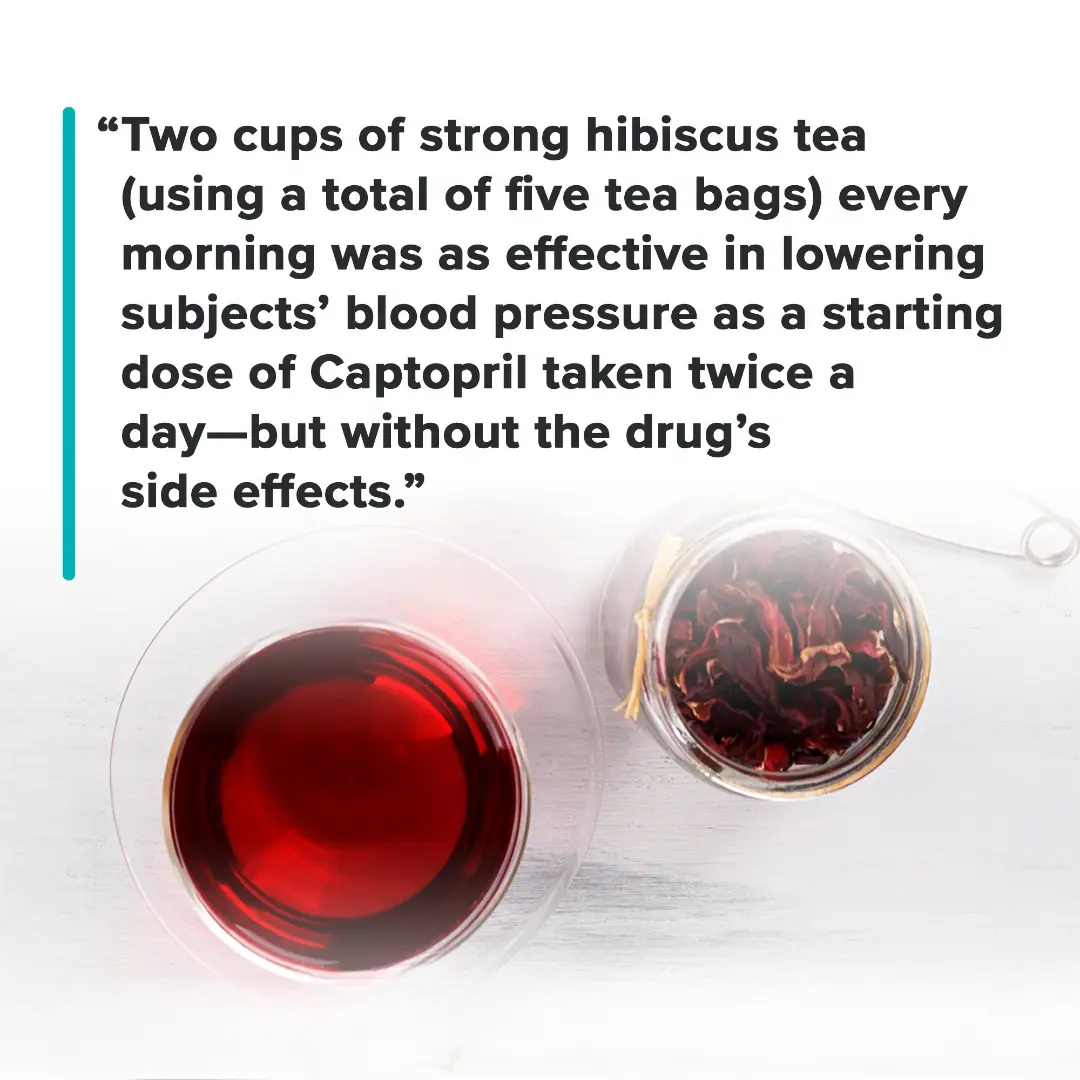
Can Hibiscus Tea Help Lower Blood Pressure? What Science Really Says
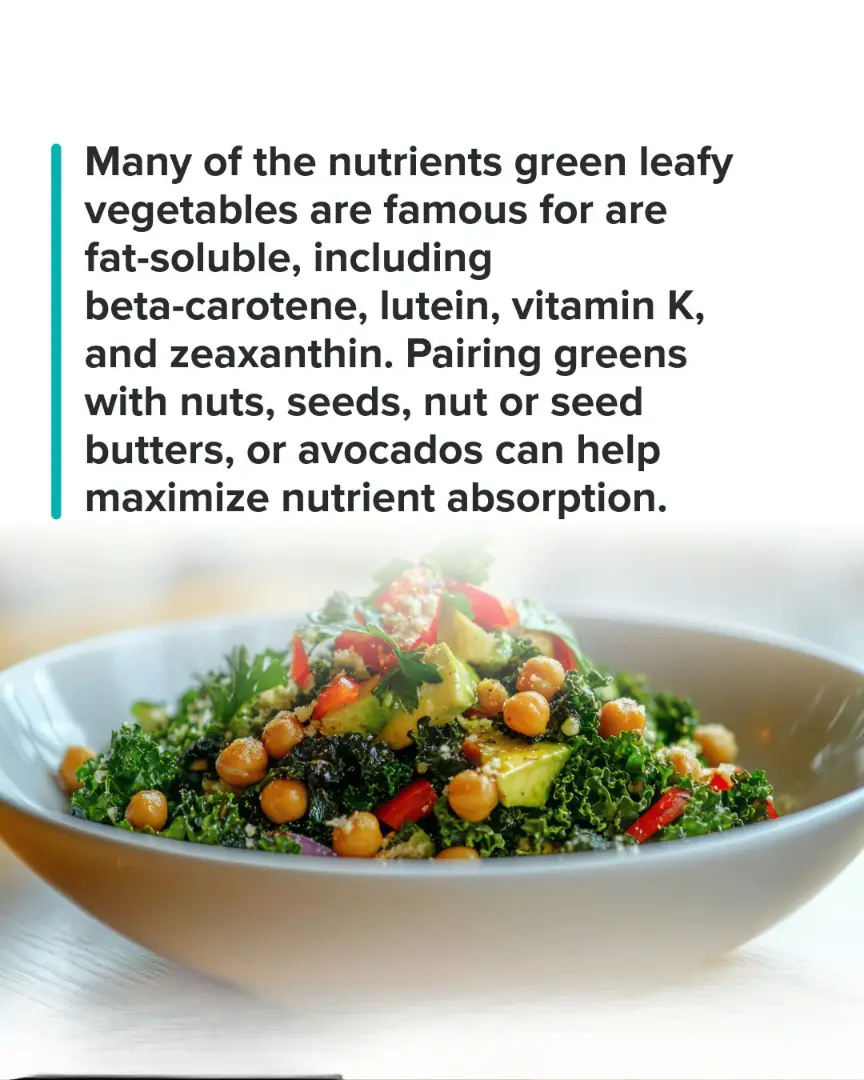
Why Healthy Fats Make Green Leafy Vegetables Even More Nutritious