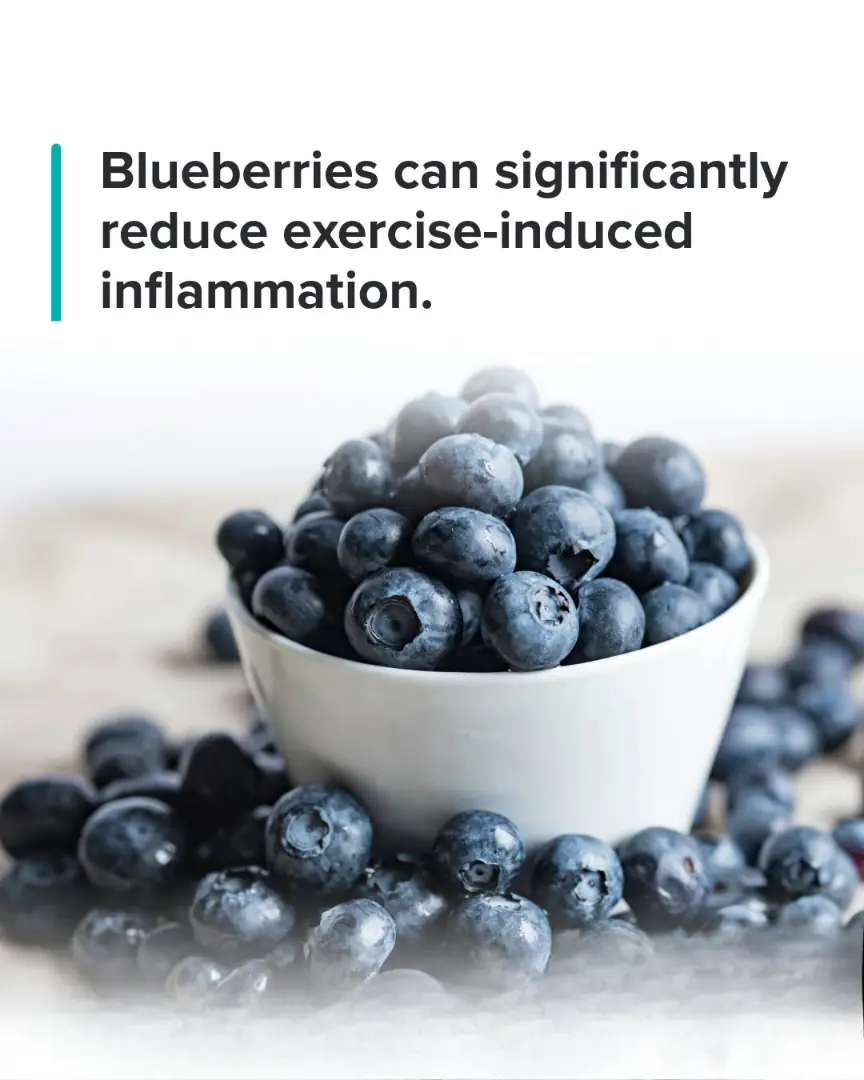
Can Blueberries Help Reduce Exercise-Induced Inflammation? Here's What the Science Says
Can Blueberries Help Reduce Exercise-Induced Inflammation? Here's What the Science Says
Health Food 04/07/2026 21:36
Dark chocolate often occupies a special place in nutrition conversations.
It’s described as:
But how much of this reputation is based on evidence — and how much is hopeful interpretation?
Dark chocolate contains cocoa solids, which are rich in plant compounds known as polyphenols — particularly flavanols.
These compounds have been studied for potential benefits related to:
The higher the cocoa content, the higher the flavanol concentration.
This is the foundation of dark chocolate’s health claims.
Research suggests that cocoa flavanols may support vascular function and circulation.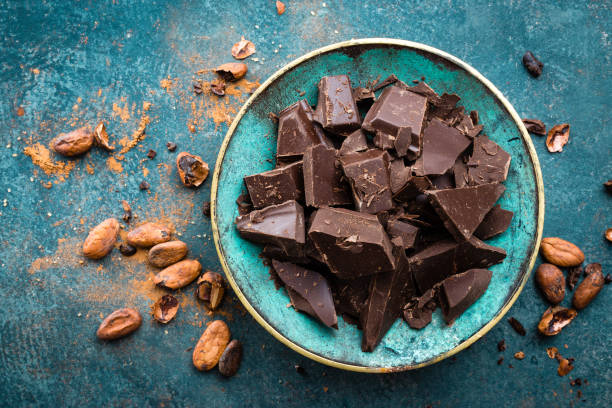
But the effects observed are:
Dark chocolate is not a treatment or a supplement.
Its potential benefits are small compared to the impact of overall dietary patterns.
Even dark chocolate contains:
As cocoa content increases, sugar generally decreases — but it never disappears entirely.
This doesn’t negate potential benefits, but it limits how much dark chocolate can reasonably contribute to health.
More is not better.
Products labelled “dark chocolate” vary widely.
Some contain:
Others contain a higher proportion of cocoa solids and fewer additives.
Marketing language often blurs these distinctions, creating a health halo around products that differ nutritionally.
Beyond nutrients, dark chocolate delivers:
This often leads to smaller portions and greater satisfaction compared to highly sweetened desserts.
That behavioural effect may be just as relevant as its flavanol content.
Dark chocolate may fit well for people who:
It is less helpful when:
Instead of asking:
“Is dark chocolate good for me?”
A more useful question is:
“How does dark chocolate function in my diet — and what does it replace?”
Replacing highly processed sweets with a small amount of dark chocolate may improve dietary quality — without turning it into a superfood.
Dark chocolate is not a nutritional miracle.
But it’s also not just wishful thinking.
Its value lies at the intersection of:
When understood realistically, it can be appreciated without exaggeration — and enjoyed without guilt.
Can Blueberries Help Reduce Exercise-Induced Inflammation? Here's What the Science Says

Why Staying Hydrated Is Essential for Your Mood, Energy, and Overall Health





13 Surprising Facts About Sweet Potatoes Most People Get Wrong





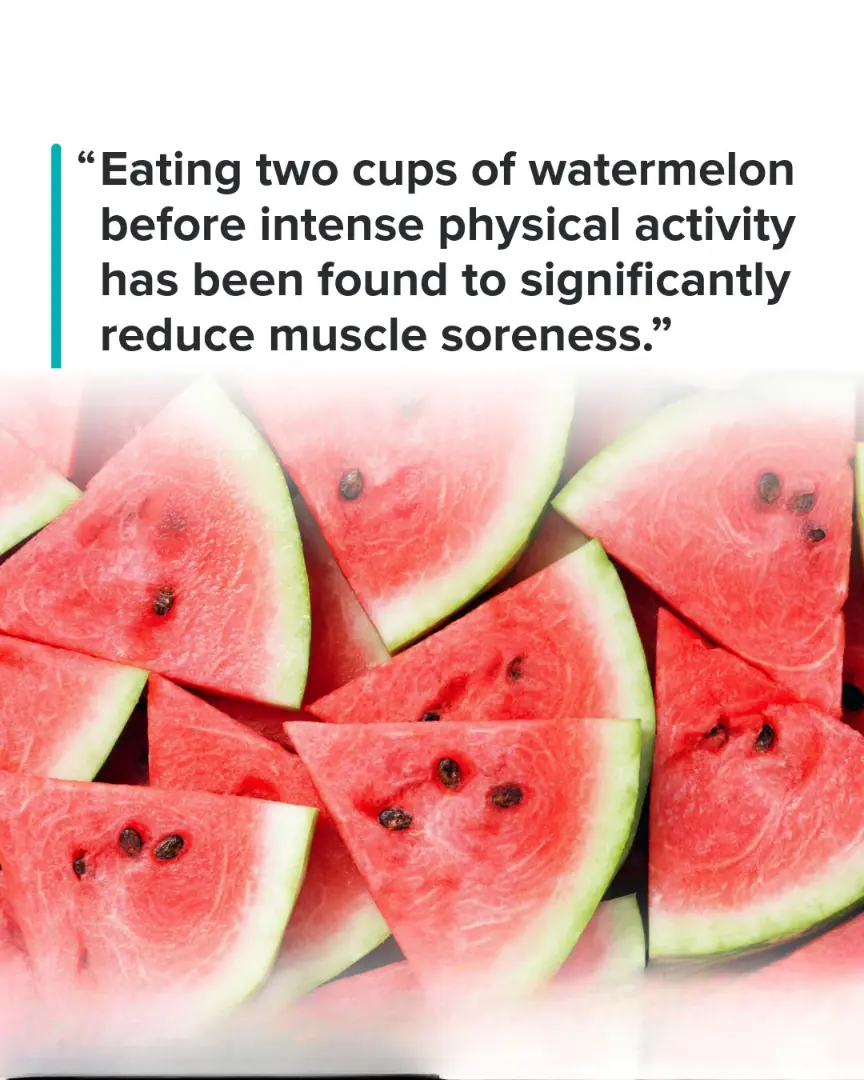
Can Watermelon Help Reduce Muscle Soreness After Exercise? Here's What Research Reveals
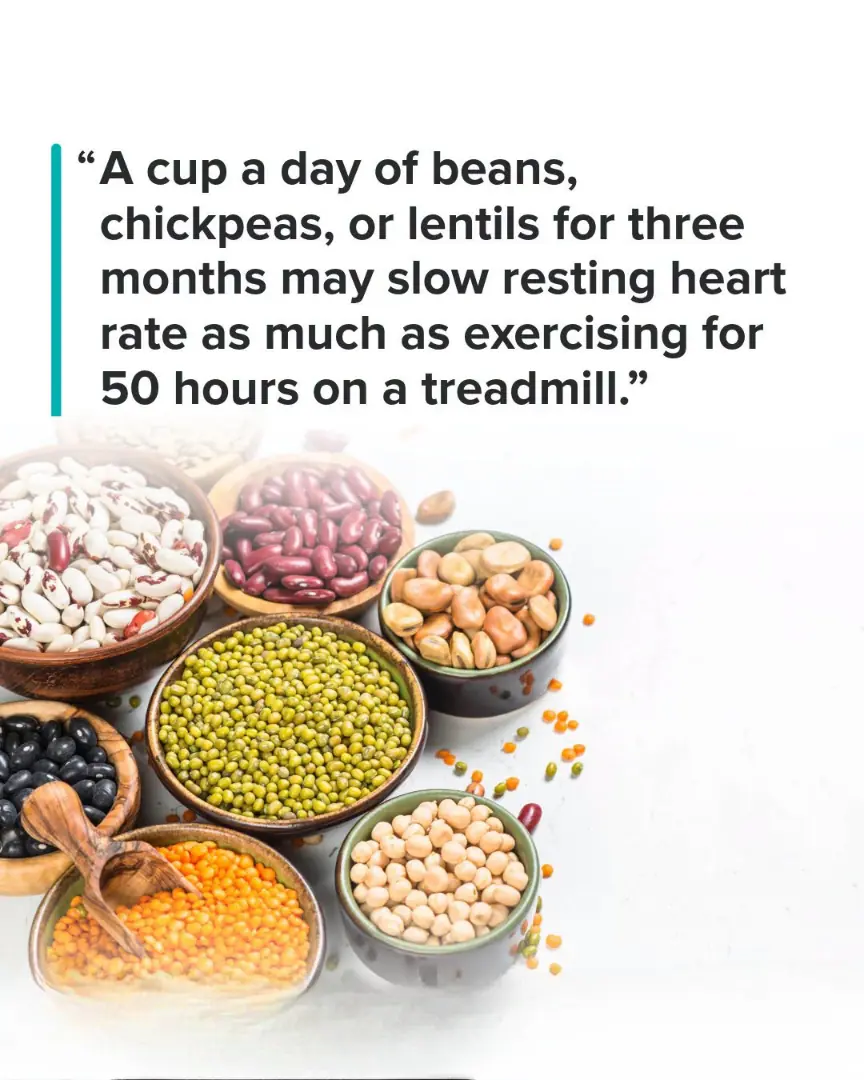
Can Eating Beans Every Day Support a Healthier Heart? Here's What the Research Suggests

Can Blueberries Help Reduce Exercise-Induced Inflammation? Here's What the Science Says
Why Staying Hydrated Is Essential for Your Mood, Energy, and Overall Health
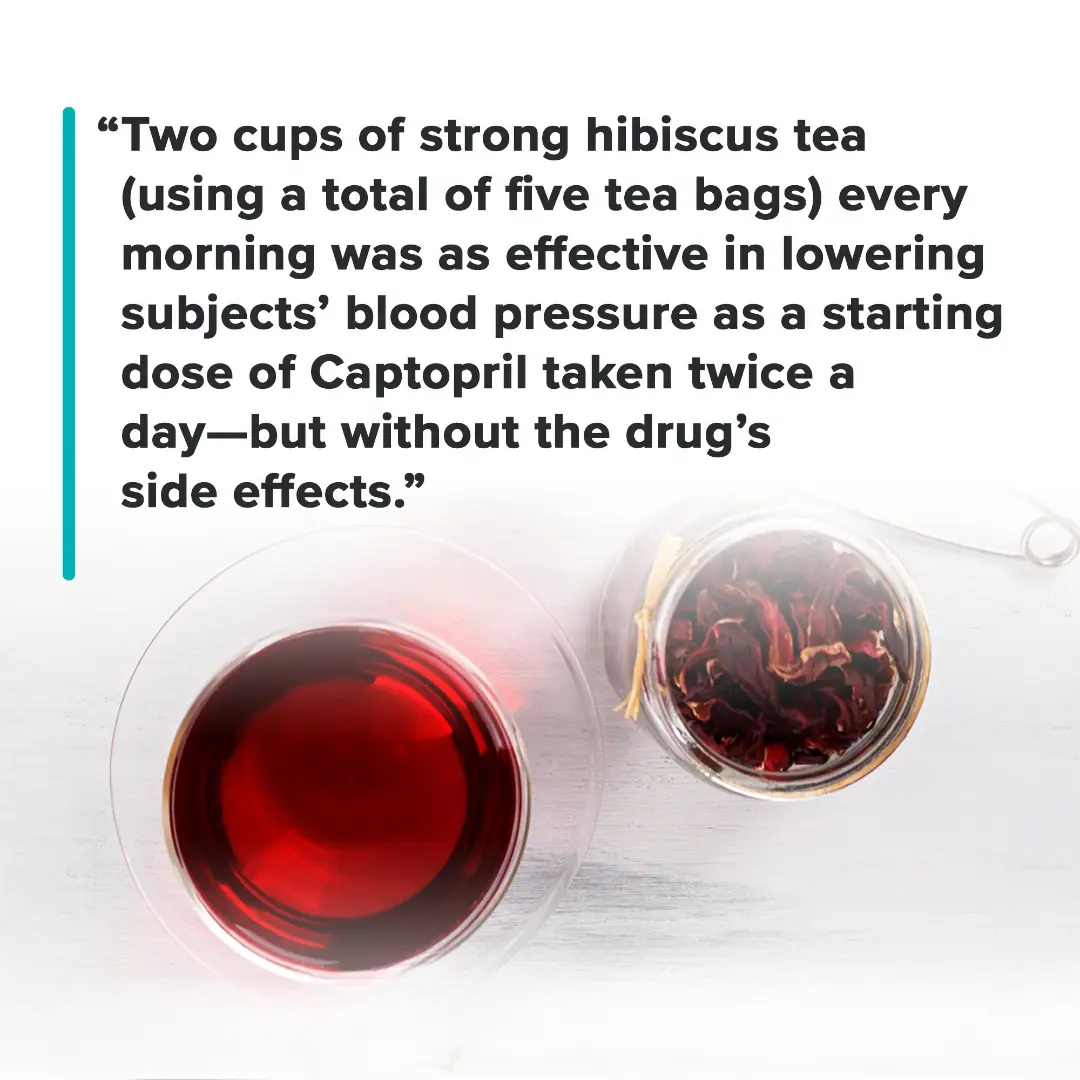
Can Hibiscus Tea Help Lower Blood Pressure? What Science Really Says
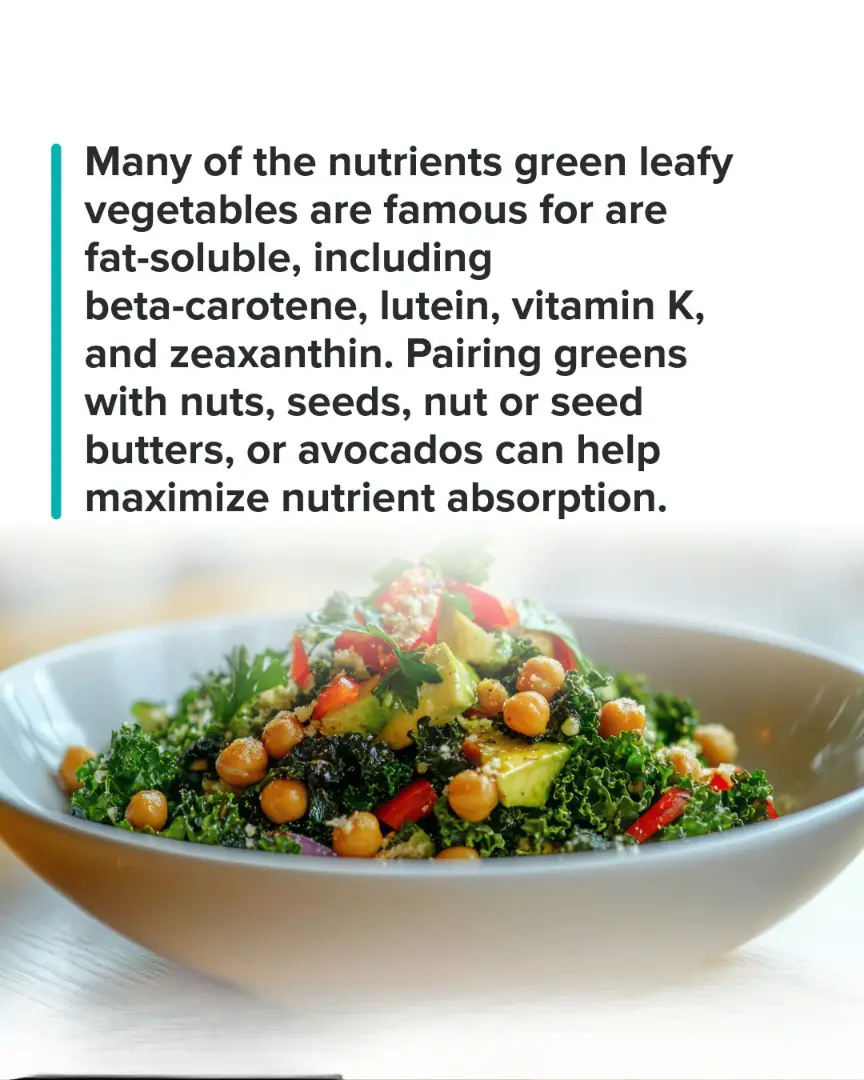
Why Healthy Fats Make Green Leafy Vegetables Even More Nutritious