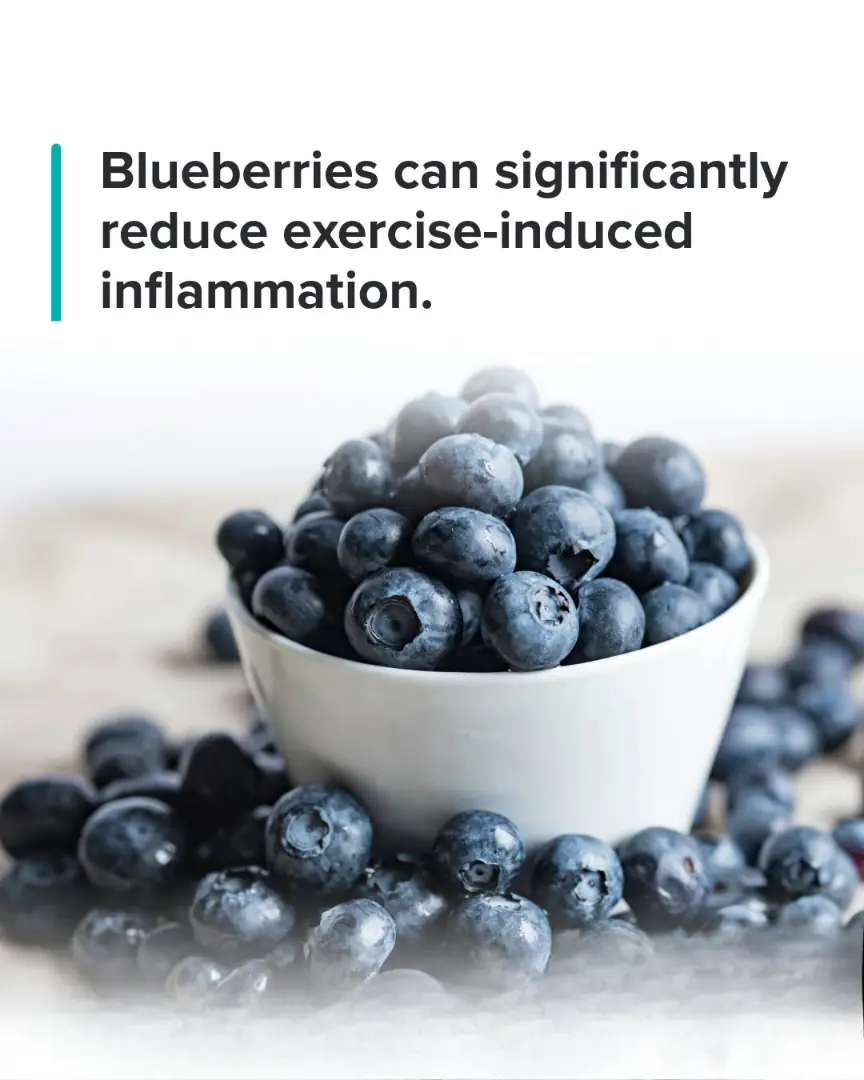
Can Blueberries Help Reduce Exercise-Induced Inflammation? Here's What the Science Says
Can Blueberries Help Reduce Exercise-Induced Inflammation? Here's What the Science Says
Health Food 04/07/2026 21:36
“Eating clean” sounds simple.
Whole foods.
No processed ingredients.
Clear rules.
For some people, this approach feels empowering.
For others, it quietly creates stress, rigidity, and constant mental pressure.
Clean eating often relies on moral language:
Over time, this framing shifts focus from nourishment to control.
Food choices stop being flexible responses to hunger and context — and become tests of discipline.
The brain reacts strongly to restriction.
When foods are labelled off-limits, they become more mentally salient.
This increases:
Ironically, the stricter the rules, the more power food holds psychologically.
Under stress, the brain prioritises:
Rigid food rules require cognitive effort — the very resource that stress depletes.
When clean eating standards break under pressure, people often experience shame rather than adjustment.
Clean eating encourages perfection.
One deviation can feel like failure.
This all-or-nothing mindset increases the likelihood of:
Nutrition becomes emotionally loaded rather than supportive.
Some people thrive with clear food structure.
Others don’t.
Responses depend on:
The problem is not clean foods — it’s clean eating as an identity.
Food quality matters.
But quality doesn’t require purity.
Flexible approaches tend to work better when they:
This reduces mental friction while still supporting health.
Instead of asking:
“Is this food clean enough?”
A gentler question is:
“Does this choice support me right now — physically and mentally?”
Nutrition should reduce stress, not add to it.
When eating “well” becomes a source of anxiety, the strategy deserves reconsideration — not the person.
Health is built on patterns that can flex under real life, not ideals that collapse under pressure.
Can Blueberries Help Reduce Exercise-Induced Inflammation? Here's What the Science Says
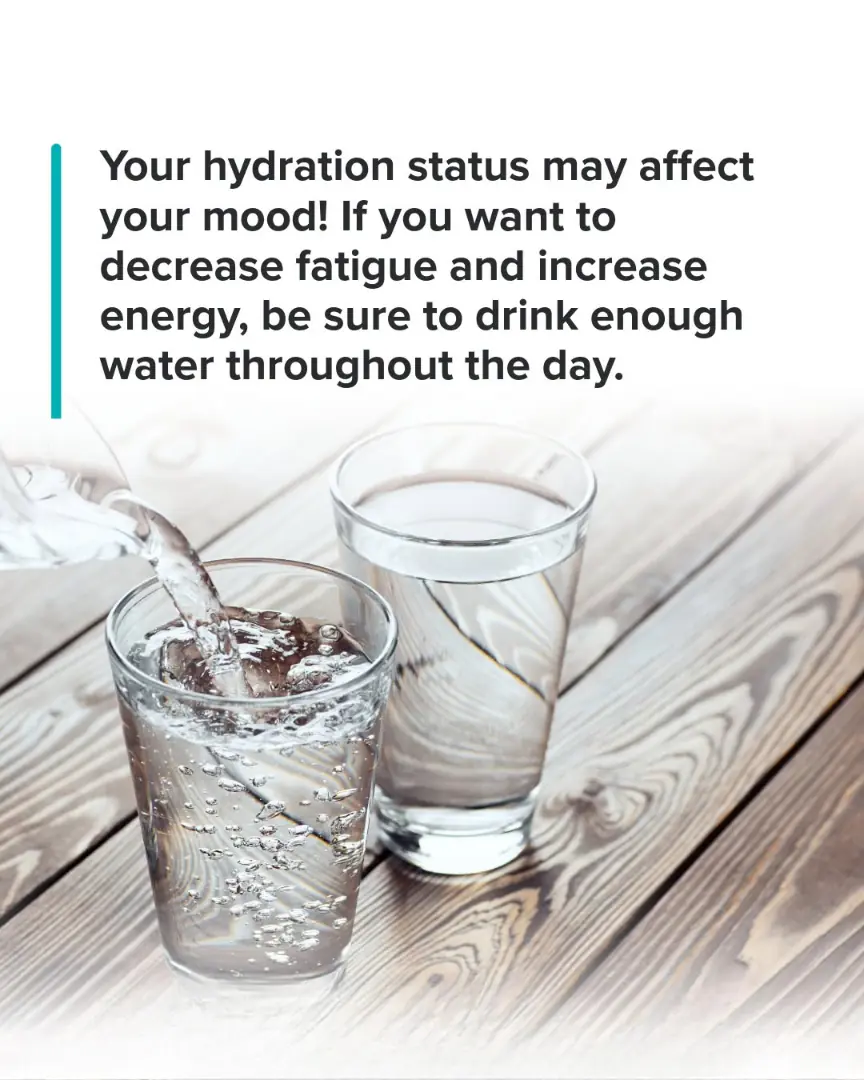
Why Staying Hydrated Is Essential for Your Mood, Energy, and Overall Health





13 Surprising Facts About Sweet Potatoes Most People Get Wrong

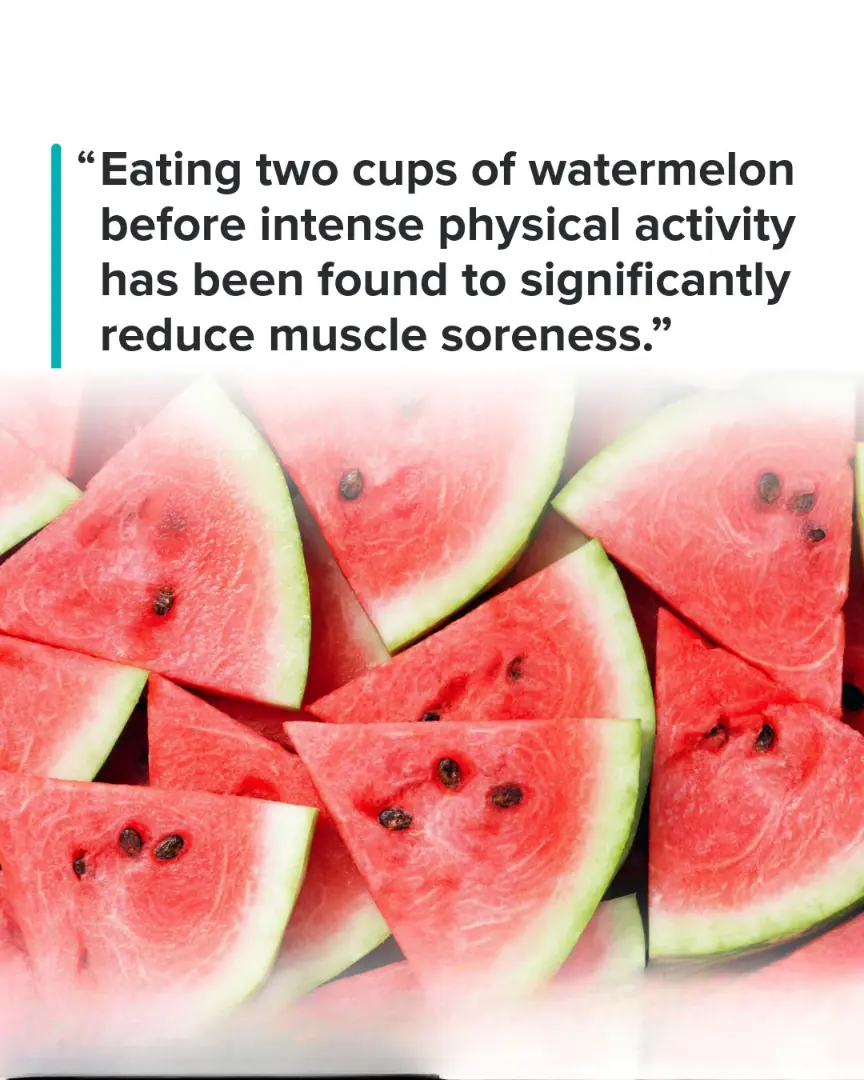
Can Watermelon Help Reduce Muscle Soreness After Exercise? Here's What Research Reveals
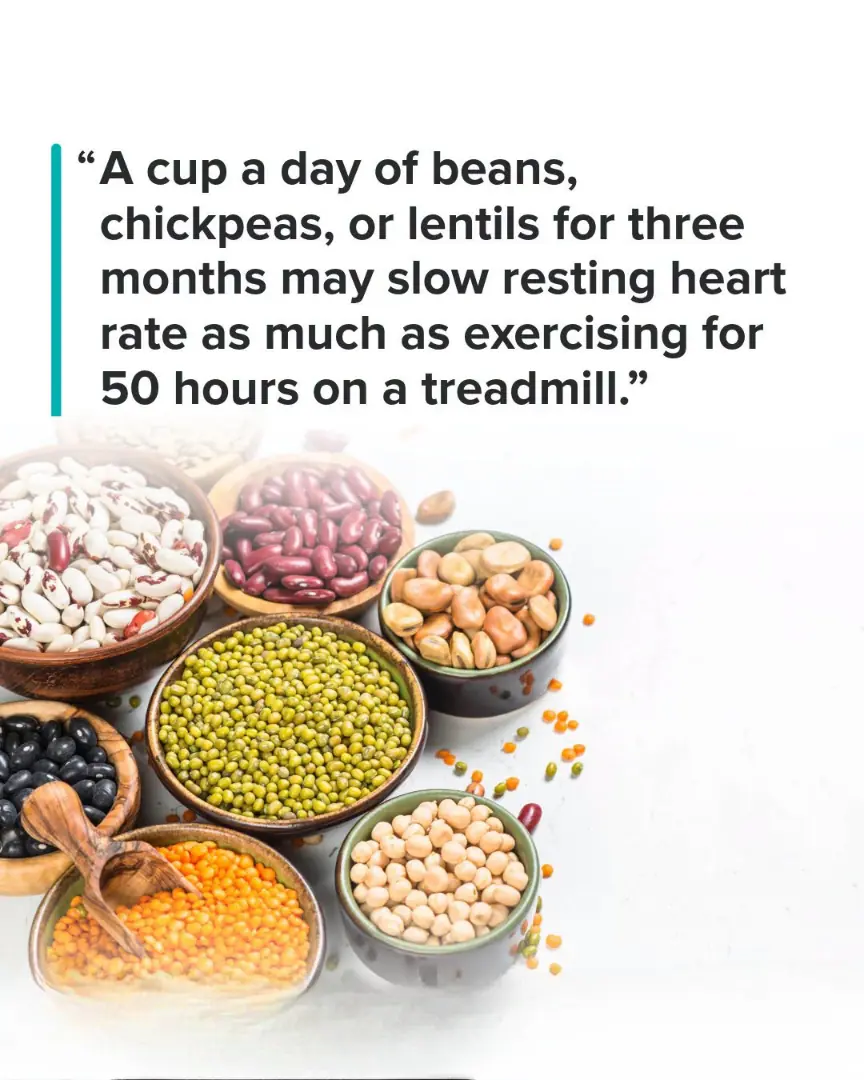
Can Eating Beans Every Day Support a Healthier Heart? Here's What the Research Suggests
Can Blueberries Help Reduce Exercise-Induced Inflammation? Here's What the Science Says
Why Staying Hydrated Is Essential for Your Mood, Energy, and Overall Health
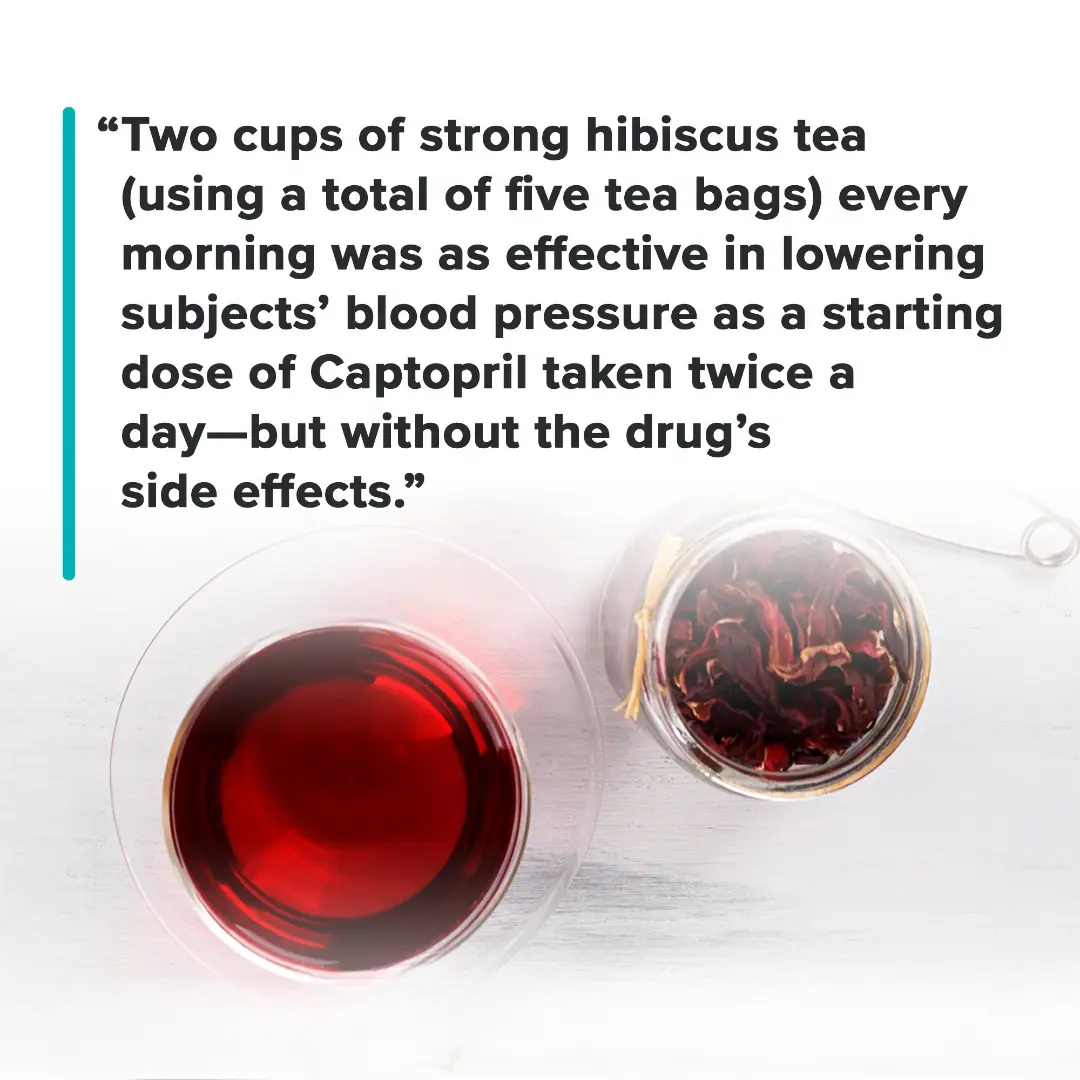
Can Hibiscus Tea Help Lower Blood Pressure? What Science Really Says
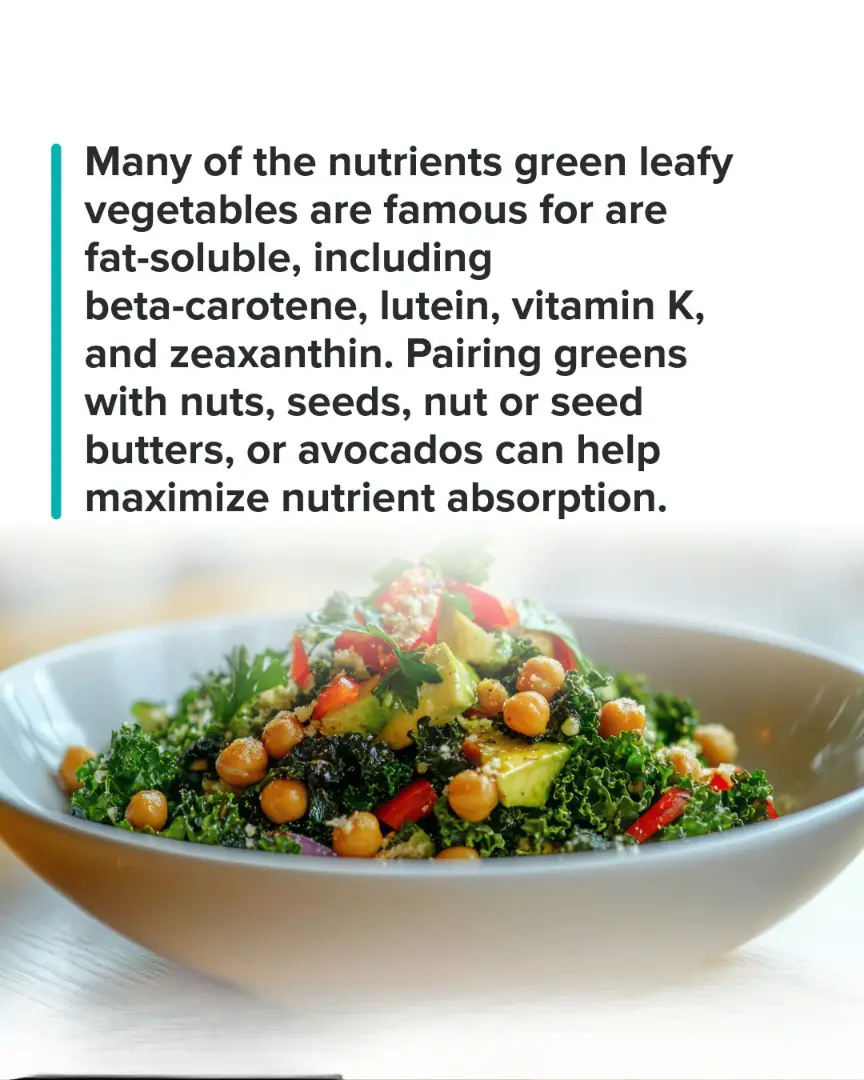
Why Healthy Fats Make Green Leafy Vegetables Even More Nutritious