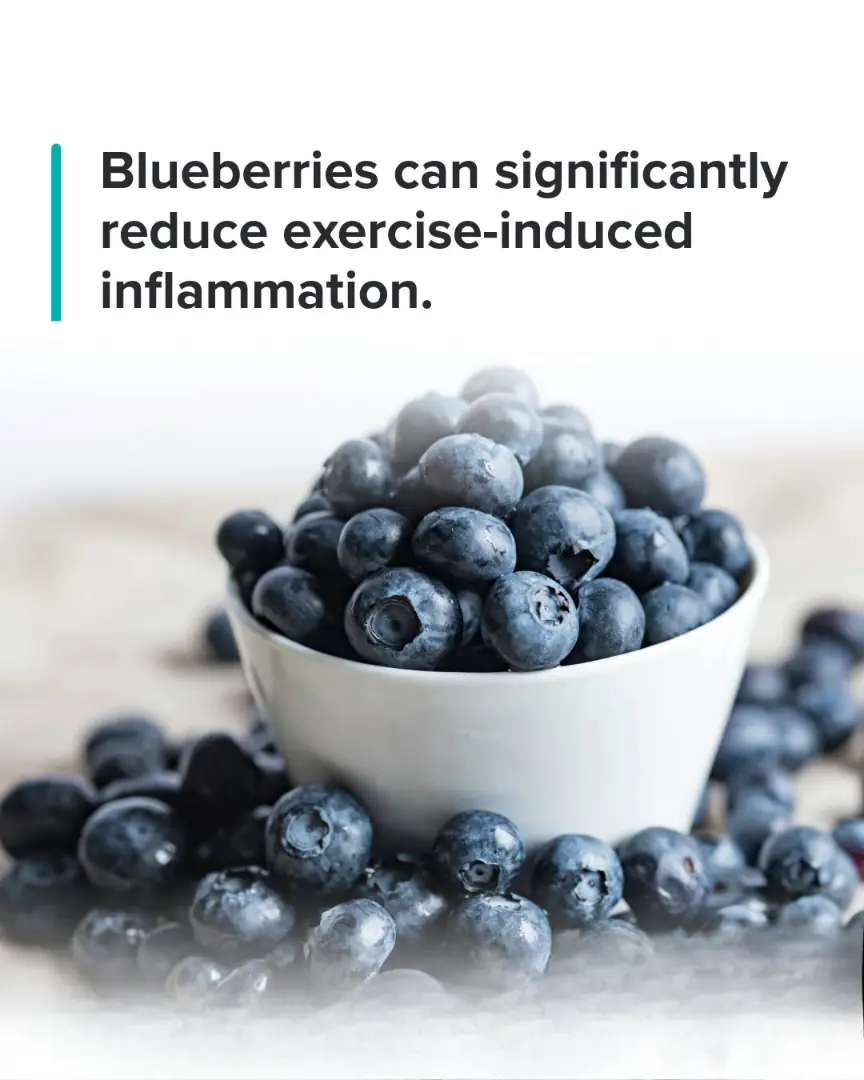
Can Blueberries Help Reduce Exercise-Induced Inflammation? Here's What the Science Says
Can Blueberries Help Reduce Exercise-Induced Inflammation? Here's What the Science Says
Health Food 04/07/2026 21:36
Smoothies are often marketed as the healthier option.
They look colourful.
They contain fruits and vegetables.
They feel like a shortcut to good nutrition.
But drinking food is not the same as eating it — even when the ingredients are identical.
Understanding the difference helps explain why smoothies can feel nourishing for some people and oddly unsatisfying for others.
Blending breaks down the physical structure of food.
Cell walls are disrupted.
Fibre becomes finely dispersed.
Chewing is eliminated.
These changes don’t erase nutrients, but they do alter how the body processes them — especially in relation to satiety and blood sugar regulation.
Chewing sends signals to the brain that food is being consumed.
It slows eating pace, increases sensory feedback, and helps activate satiety hormones.
Smoothies bypass much of this process.
As a result, calories can be consumed quickly, with weaker signals of completion. This is one reason people often feel hungry again sooner after a smoothie compared to a whole-food meal with similar ingredients.
Smoothies often contain fibre, but fibre works best when it retains structure.
When fruits and vegetables are blended, fibre still exists, but it:
This doesn’t make smoothies unhealthy — it changes their impact.
Liquids move through the stomach faster than solid foods.
This reduces stomach stretch, one of the key signals that tells the brain “you’ve eaten enough.”
Even nutrient-dense smoothies may:
This effect is not a flaw in the person — it’s a property of liquid intake.
Smoothies can play a useful role in certain contexts:
In these cases, smoothies increase intake — which can be beneficial.
Smoothies may be less effective when:
In these cases, they may provide energy without lasting satiety, leading to grazing later.
Smoothies tend to work better when they include:

These adjustments increase satiety without turning smoothies into rigid prescriptions.
Instead of asking:
“Are smoothies healthy?”
A more useful question is:
“What am I using a smoothie for — nourishment, convenience, or replacement?”
Smoothies aren’t inferior or superior by default.
They’re simply different.
Health isn’t only about what nutrients are consumed.
It’s about how those nutrients arrive in the body.
Smoothies can support health when they fit the context — but whole foods remain unmatched when it comes to slowing eating, triggering fullness, and creating the feeling of having truly eaten a meal.
Can Blueberries Help Reduce Exercise-Induced Inflammation? Here's What the Science Says
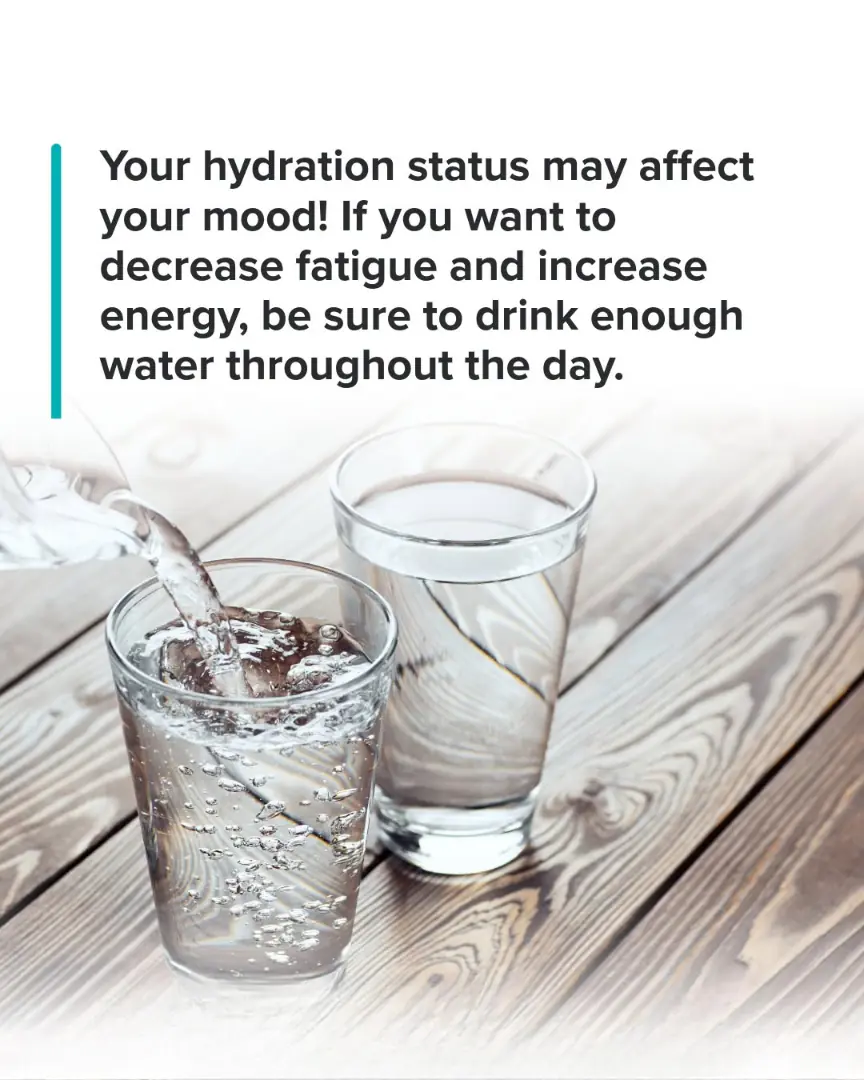
Why Staying Hydrated Is Essential for Your Mood, Energy, and Overall Health





13 Surprising Facts About Sweet Potatoes Most People Get Wrong





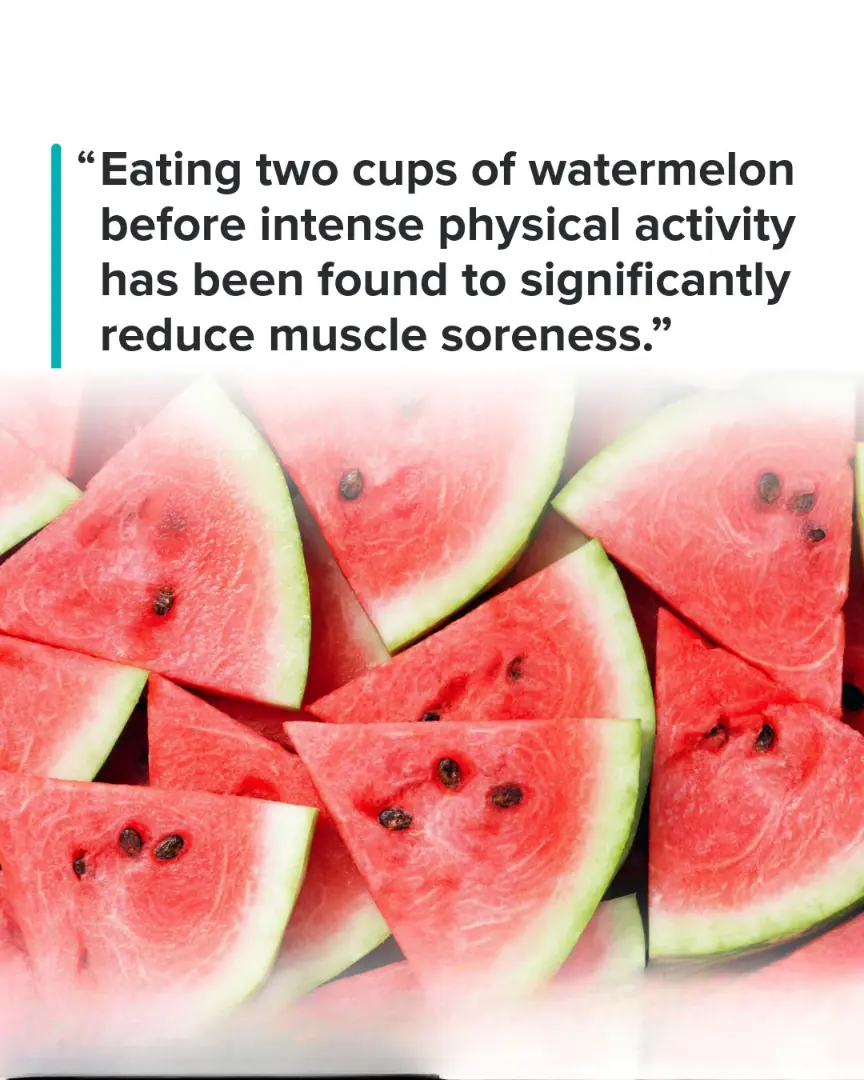
Can Watermelon Help Reduce Muscle Soreness After Exercise? Here's What Research Reveals
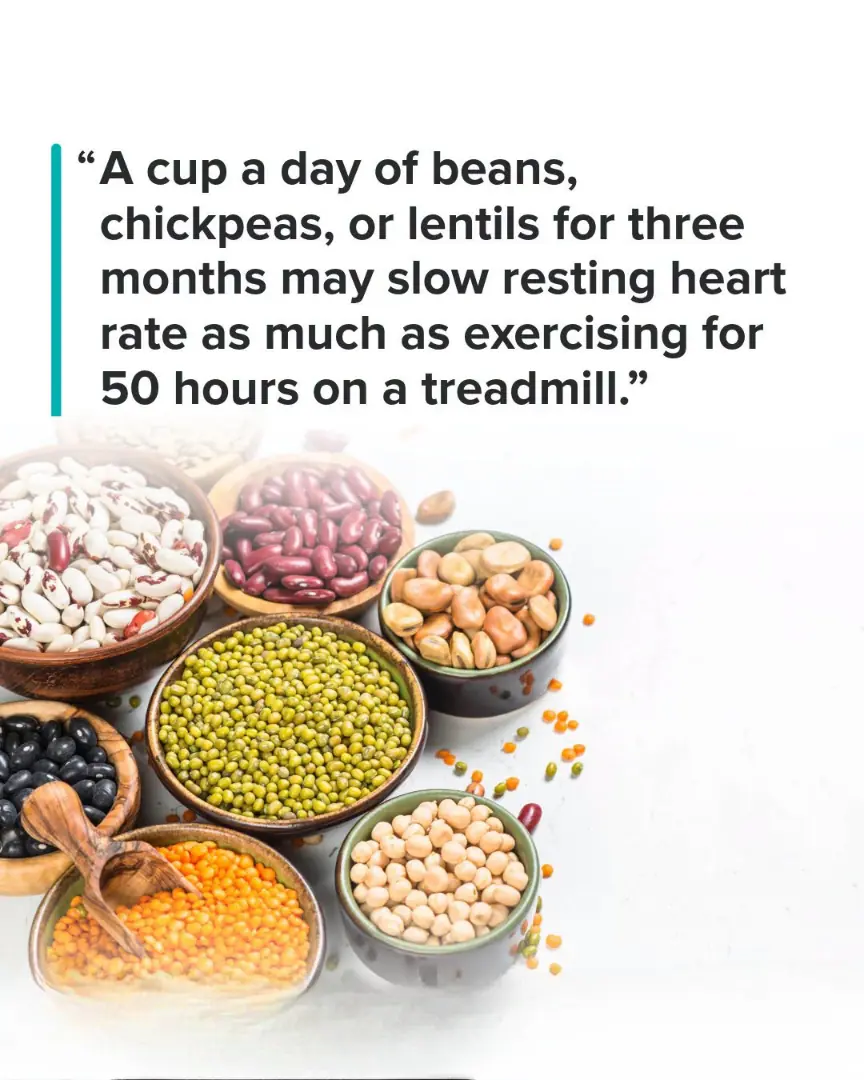
Can Eating Beans Every Day Support a Healthier Heart? Here's What the Research Suggests

Can Blueberries Help Reduce Exercise-Induced Inflammation? Here's What the Science Says
Why Staying Hydrated Is Essential for Your Mood, Energy, and Overall Health
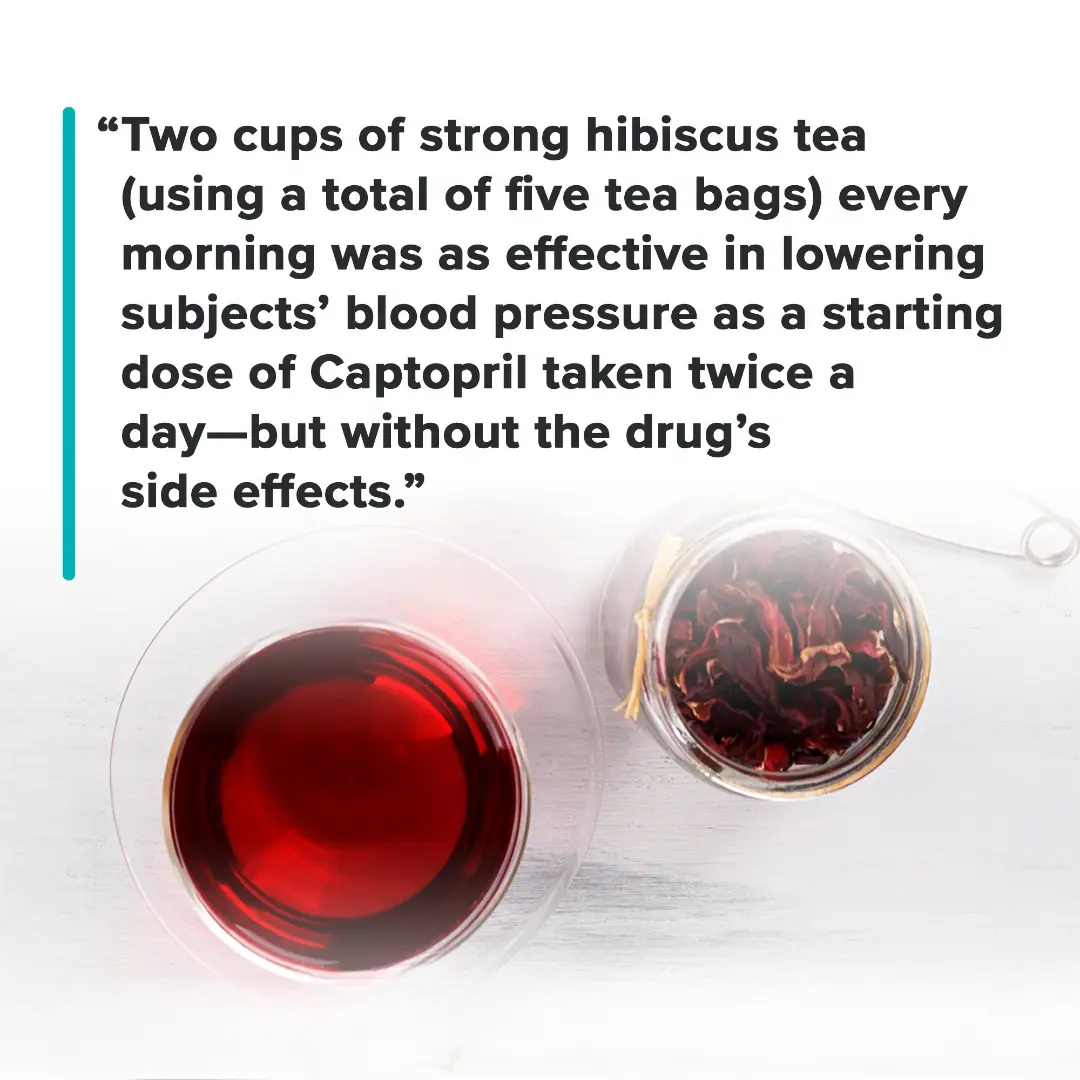
Can Hibiscus Tea Help Lower Blood Pressure? What Science Really Says
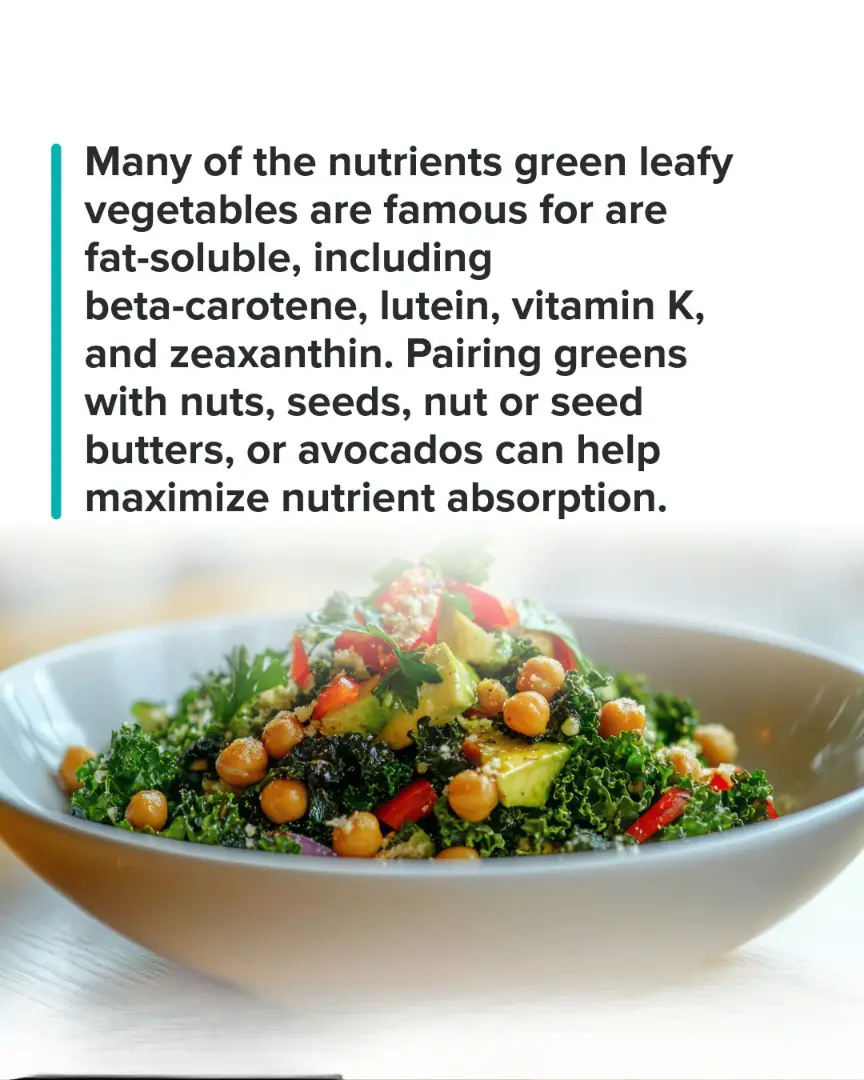
Why Healthy Fats Make Green Leafy Vegetables Even More Nutritious