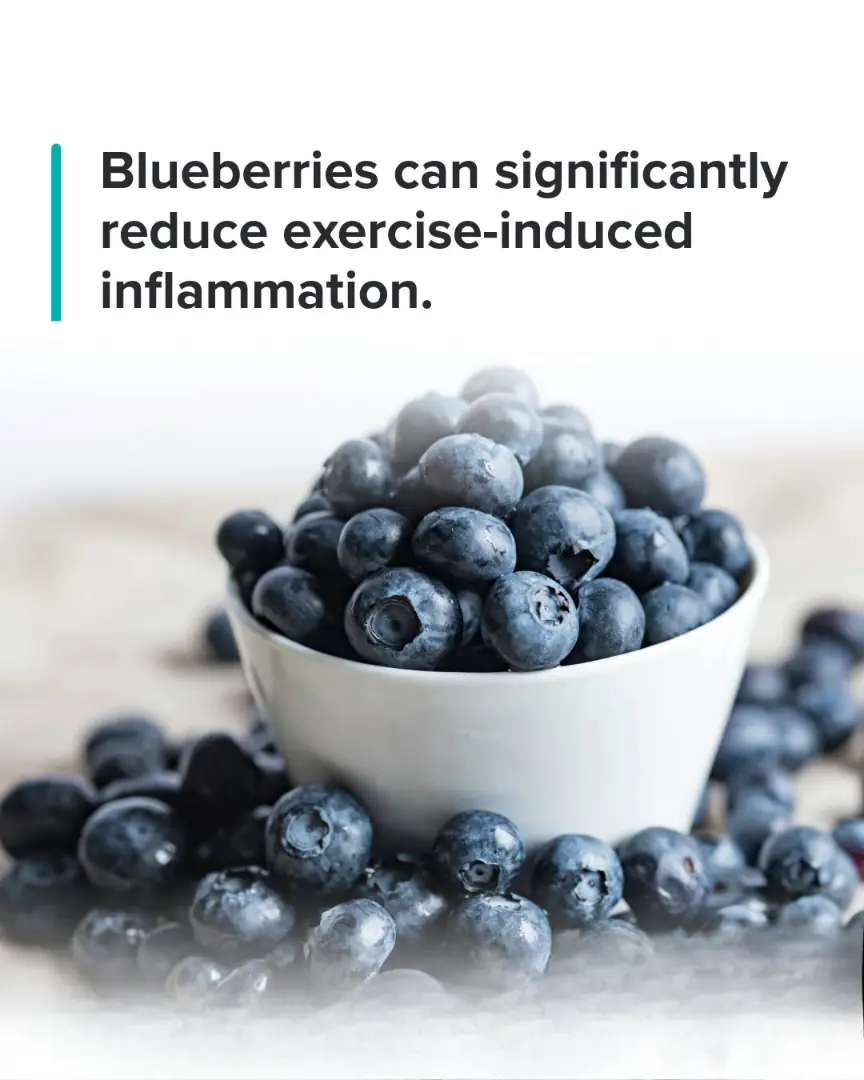
Can Blueberries Help Reduce Exercise-Induced Inflammation? Here's What the Science Says
Can Blueberries Help Reduce Exercise-Induced Inflammation? Here's What the Science Says
Health Food 04/07/2026 21:36
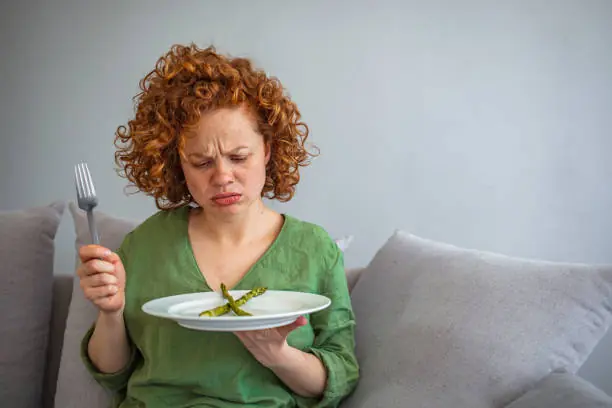
Late-night snacking is often portrayed as a nutritional mistake.
It’s blamed for weight gain.
It’s linked to “bad habits”.
It’s framed as something to eliminate.
But eating late is not a single behaviour — and its effects depend far more on context and food type than on the clock alone.
Research shows that insulin sensitivity and digestion generally decline in the evening. This has led to the idea that calories eaten late are somehow “worse”.
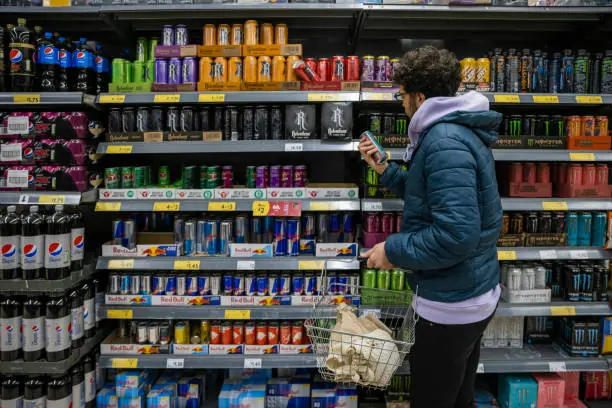
However, this conclusion is often drawn from studies where late-night eating involved:
Timing and food choice were bundled together — even though they affect the body differently.
Late-night eating usually falls into one of three categories:
Each scenario calls for a different response.
Not all late-night eating is unnecessary.
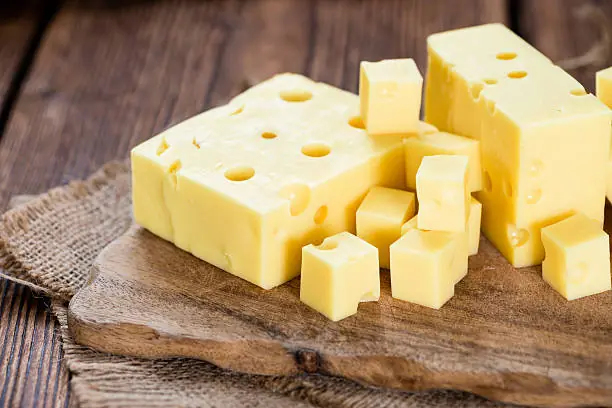
A late-night snack that is:

behaves very differently from one that is:
Protein and fibre slow digestion and reduce blood sugar swings, even at night.
Highly refined snacks do the opposite — increasing the likelihood of disrupted sleep and next-day hunger.
Late eating often coincides with poor sleep — but food isn’t always the cause.
Caffeine, stress, irregular schedules, and screen exposure play major roles.
Blaming late-night snacks without addressing sleep quality oversimplifies the issue.
In some cases, going to bed hungry can worsen sleep, increasing cortisol and early awakenings.
In many cultures, dinner is traditionally eaten late — without widespread metabolic dysfunction.
What differs is:
This suggests that how and what matter more than when alone.
Instead of asking:
“Should I stop eating at night?”
A more useful question is:
“Why am I eating right now — and what would support my body best?”
Sometimes that answer is rest.
Sometimes it’s nourishment.
Late-night snacking is not inherently harmful.
Problems arise when fatigue, stress, and ultra-processed foods collide — not simply because food appears after a certain hour.
Understanding that nuance replaces rigid rules with flexibility — and often leads to better outcomes.
Can Blueberries Help Reduce Exercise-Induced Inflammation? Here's What the Science Says
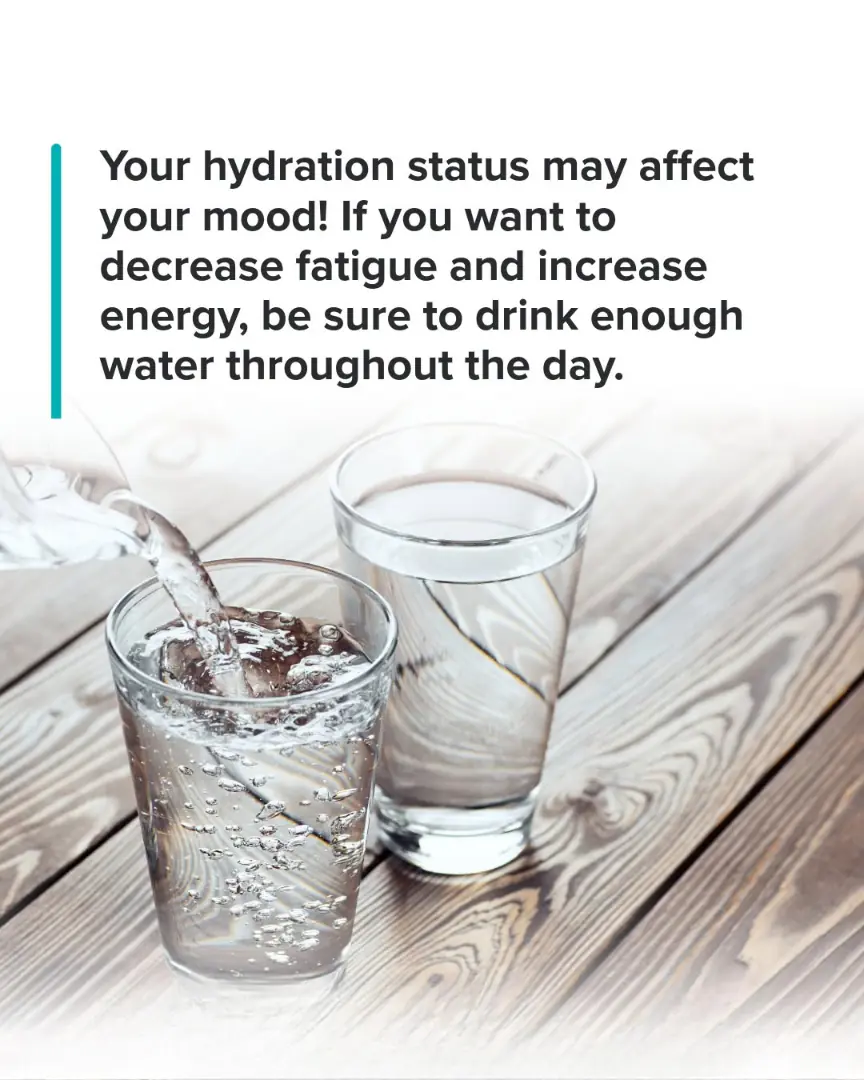
Why Staying Hydrated Is Essential for Your Mood, Energy, and Overall Health

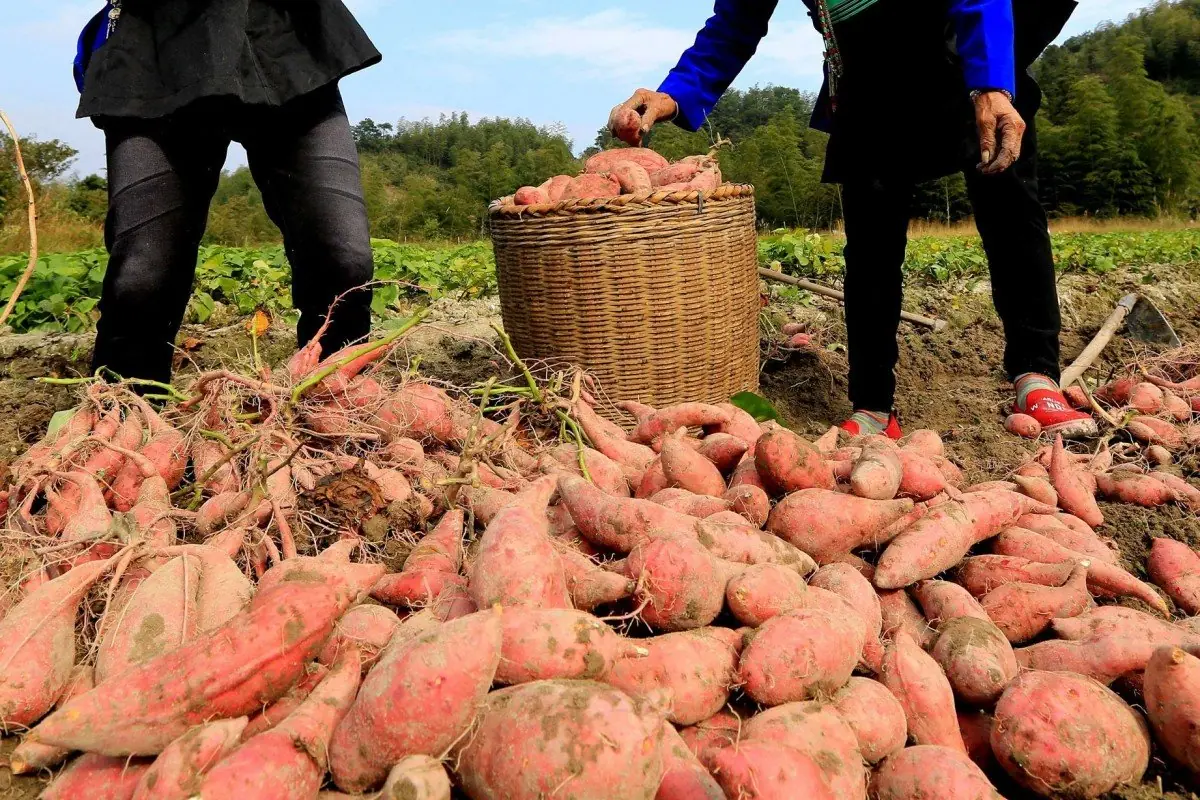
13 Surprising Facts About Sweet Potatoes Most People Get Wrong
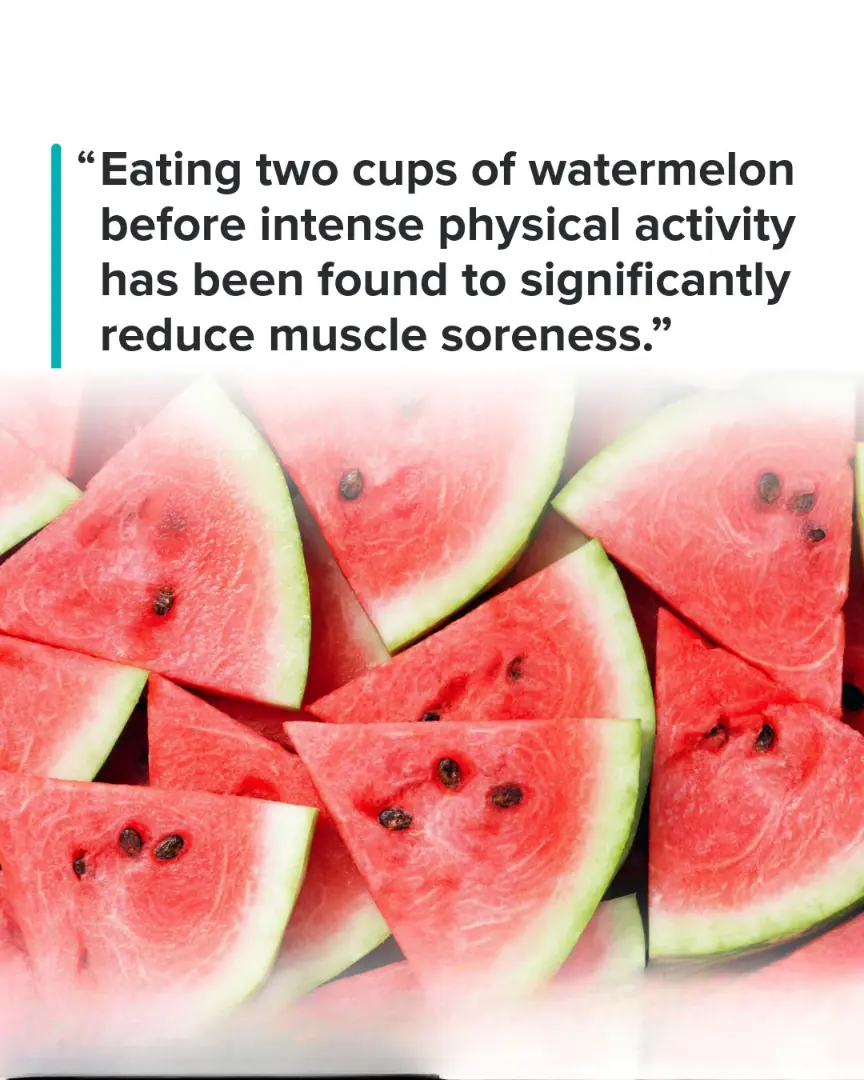
Can Watermelon Help Reduce Muscle Soreness After Exercise? Here's What Research Reveals
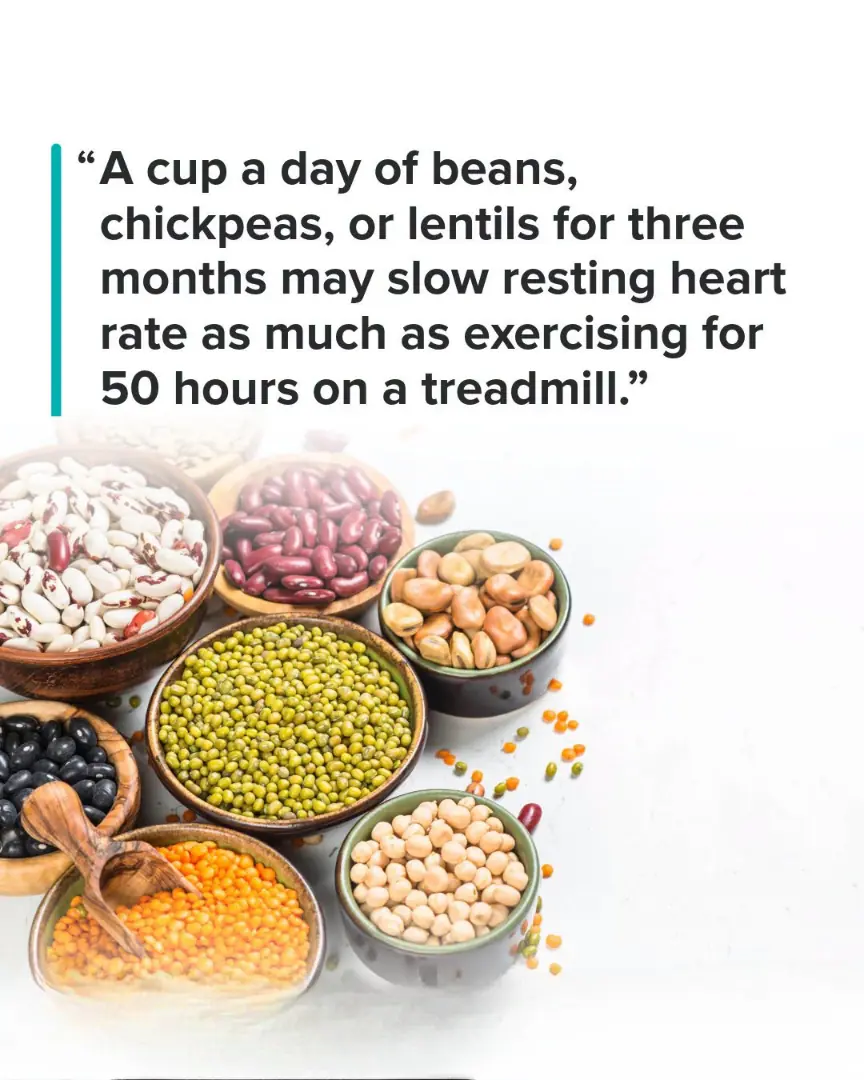
Can Eating Beans Every Day Support a Healthier Heart? Here's What the Research Suggests
Can Blueberries Help Reduce Exercise-Induced Inflammation? Here's What the Science Says
Why Staying Hydrated Is Essential for Your Mood, Energy, and Overall Health
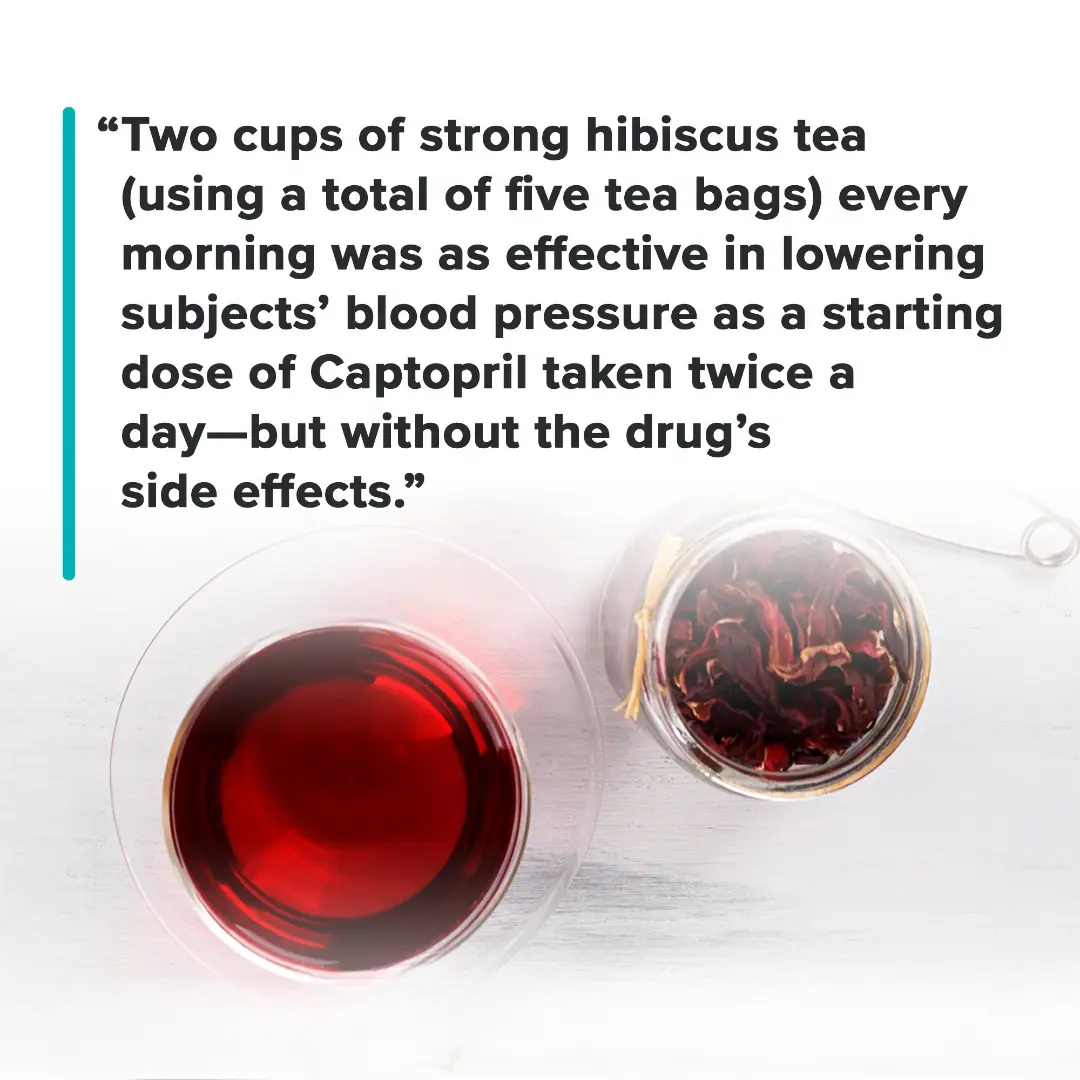
Can Hibiscus Tea Help Lower Blood Pressure? What Science Really Says
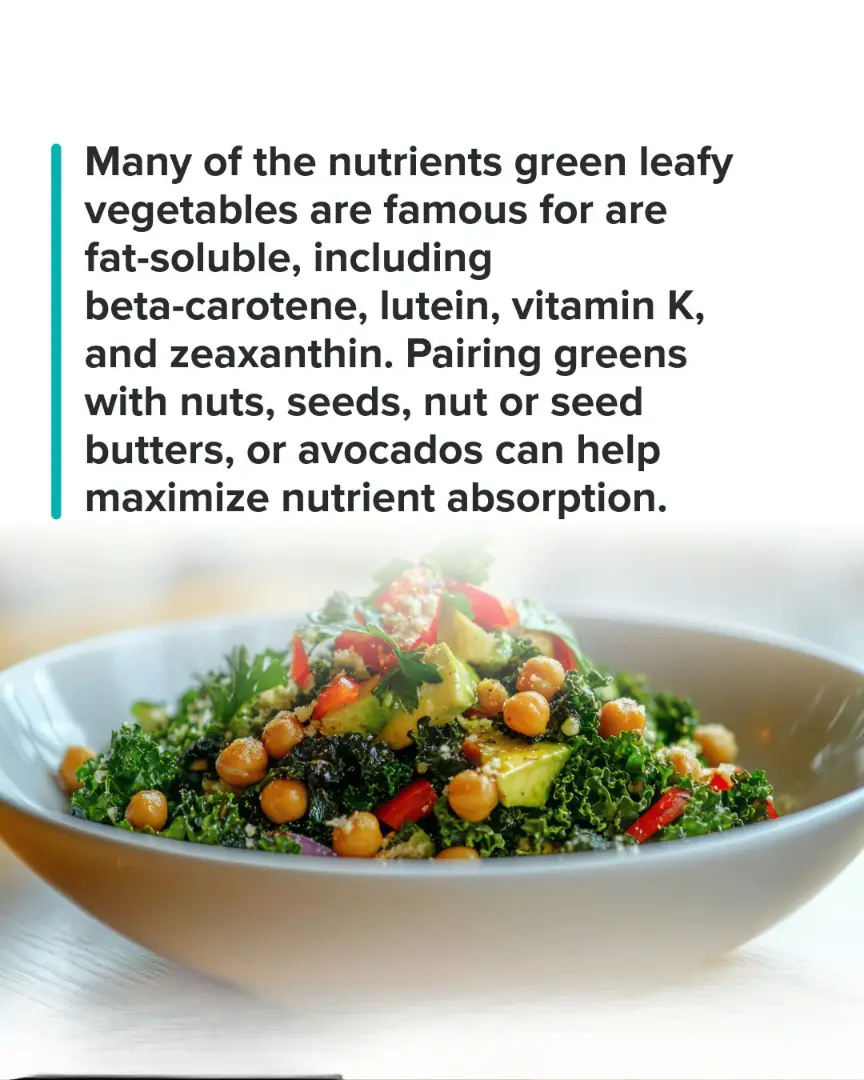
Why Healthy Fats Make Green Leafy Vegetables Even More Nutritious