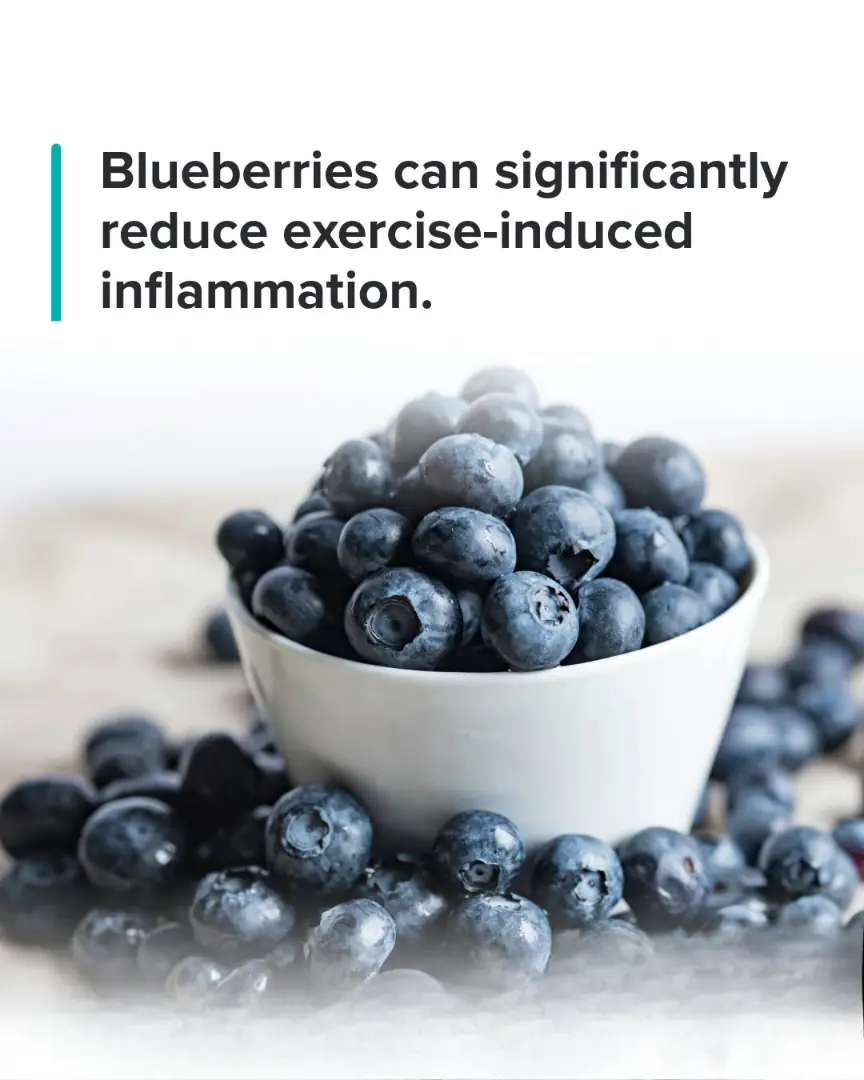
Can Blueberries Help Reduce Exercise-Induced Inflammation? Here's What the Science Says
Can Blueberries Help Reduce Exercise-Induced Inflammation? Here's What the Science Says
Health Food 04/07/2026 21:36
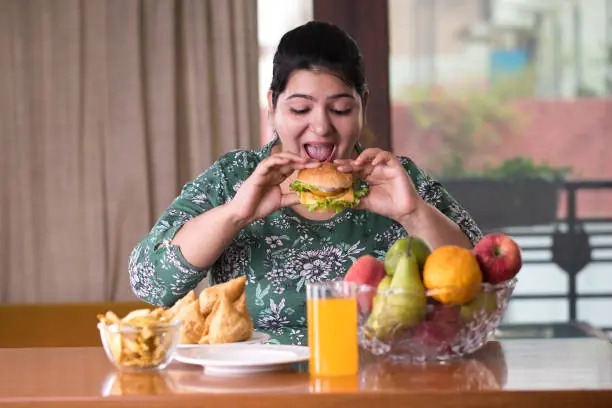
Under stress, people often notice a shift in what food tastes “right”.
Sweet foods become more appealing.
Salty snacks feel irresistible.
Rich, fatty dishes seem comforting in a way lighter foods do not.
This isn’t coincidence or lack of discipline.
It’s the result of how stress reshapes sensory perception and reward pathways.
Stress activates the sympathetic nervous system and the hypothalamic–pituitary–adrenal (HPA) axis.
This leads to the release of cortisol and adrenaline — hormones designed to prepare the body for threat.
In this state, the body prioritises:
Taste preferences shift to support these priorities.
Sweet and high-fat foods rapidly increase blood glucose and stimulate dopamine release in the brain.
Dopamine doesn’t signal pleasure itself — it signals motivation and anticipation.
Under stress, the brain becomes more responsive to these signals, making foods that promise quick reward feel disproportionately attractive.
This is not emotional weakness.
It’s neurochemistry doing its job.
Chronic stress can reduce sensitivity to subtle flavours.
As a result:
This is why stress often increases preference for:
The brain is compensating for reduced sensory feedback.
Cortisol interacts with insulin, ghrelin, and leptin — hormones involved in hunger and satiety.
In some people, this interaction increases appetite and food reward sensitivity.
In others, appetite decreases.
Both responses are normal.
They depend on stress duration, sleep quality, and individual biology.
Taste preferences under stress are shaped by memory.
Foods previously associated with comfort, safety, or relief are more likely to be craved during difficult moments.
This is why “comfort food” varies across cultures and individuals.
The preference is learned — not random.
Trying to suppress stress-driven taste shifts through strict rules can increase psychological tension.
When the body is already under strain, adding restriction:
The stress response doesn’t disappear — it intensifies.
Stress-related taste changes don’t require elimination of comfort foods.
They’re often easier to manage by:
As stress decreases, taste preferences usually rebalance naturally.
Instead of asking:
“Why do I crave these foods when stressed?”
A more useful question is:
“What is my nervous system trying to regulate right now?”
This reframing replaces judgement with understanding.
Stress changes how food tastes because it changes what the brain values in the moment.
Recognising this doesn’t mean eating without awareness — it means responding with flexibility rather than resistance.
Taste is not static.
It reflects the state of the body and mind.
Can Blueberries Help Reduce Exercise-Induced Inflammation? Here's What the Science Says
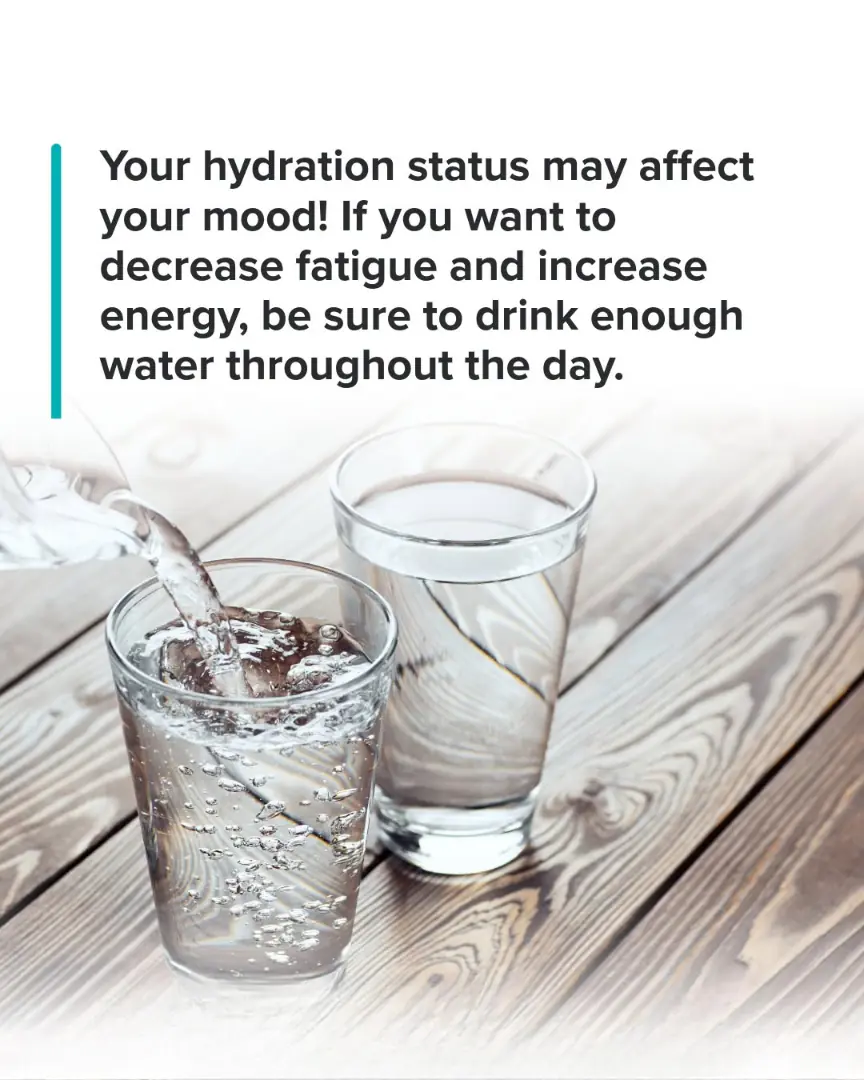
Why Staying Hydrated Is Essential for Your Mood, Energy, and Overall Health



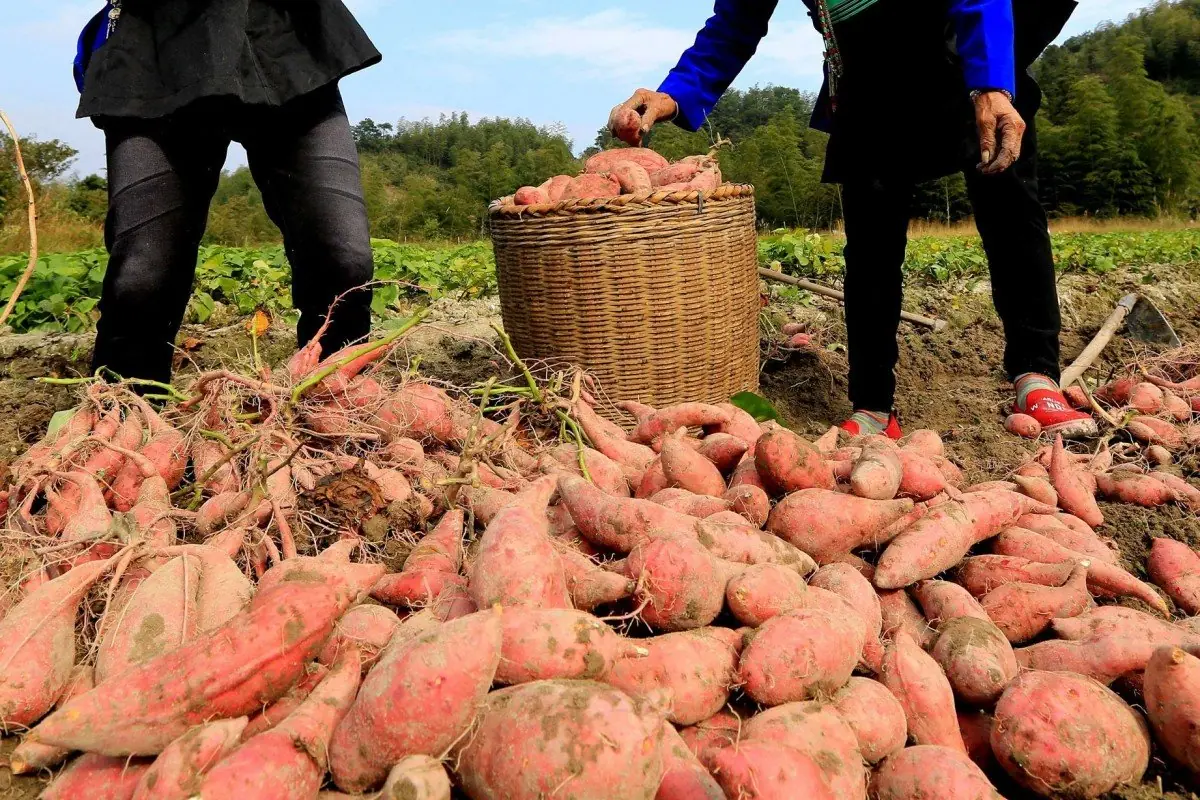
13 Surprising Facts About Sweet Potatoes Most People Get Wrong

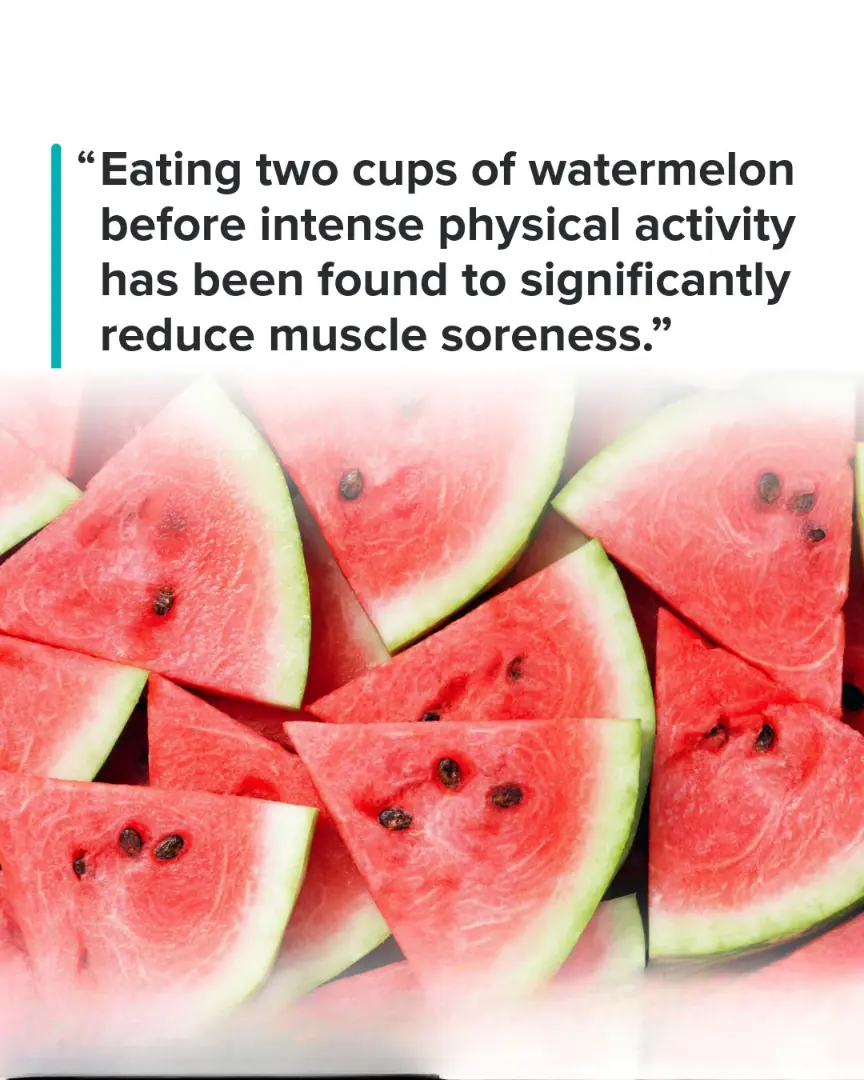
Can Watermelon Help Reduce Muscle Soreness After Exercise? Here's What Research Reveals
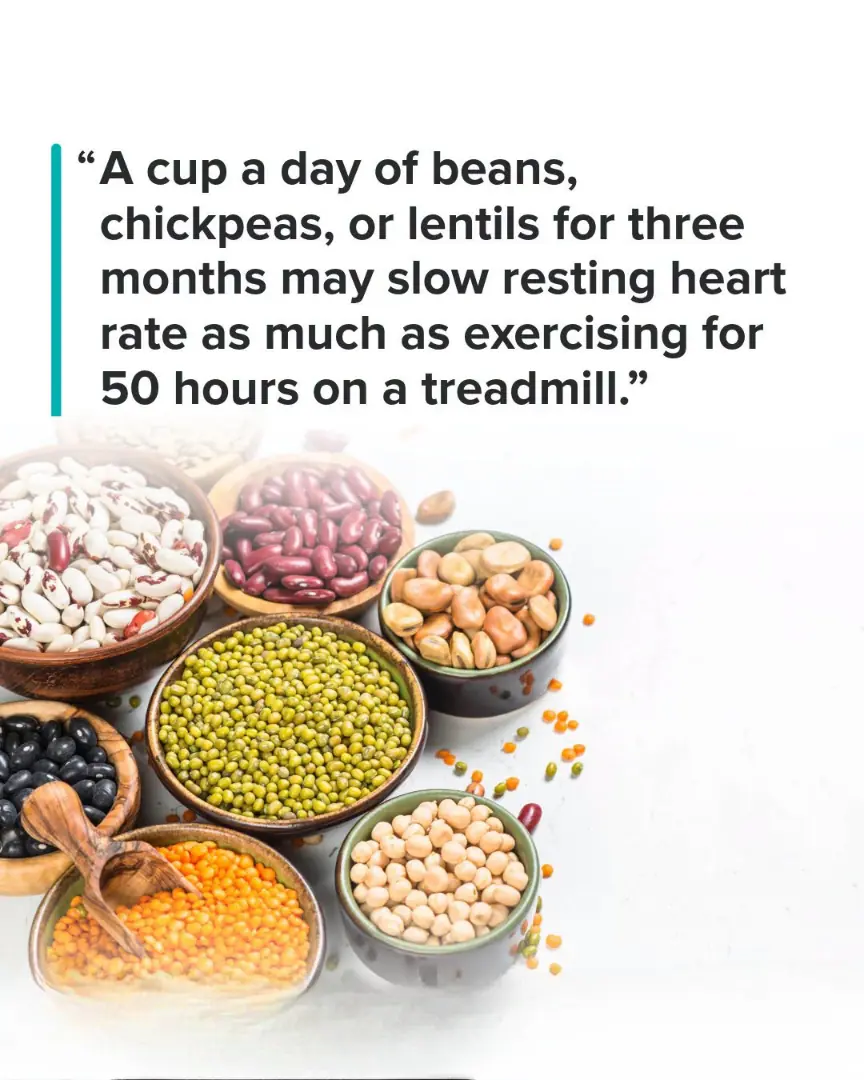
Can Eating Beans Every Day Support a Healthier Heart? Here's What the Research Suggests
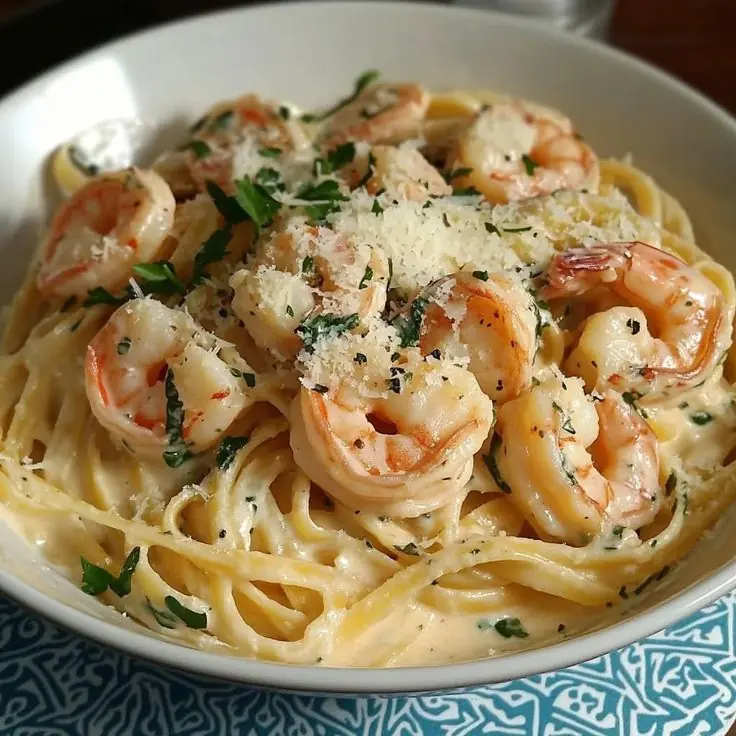
Can Blueberries Help Reduce Exercise-Induced Inflammation? Here's What the Science Says
Why Staying Hydrated Is Essential for Your Mood, Energy, and Overall Health
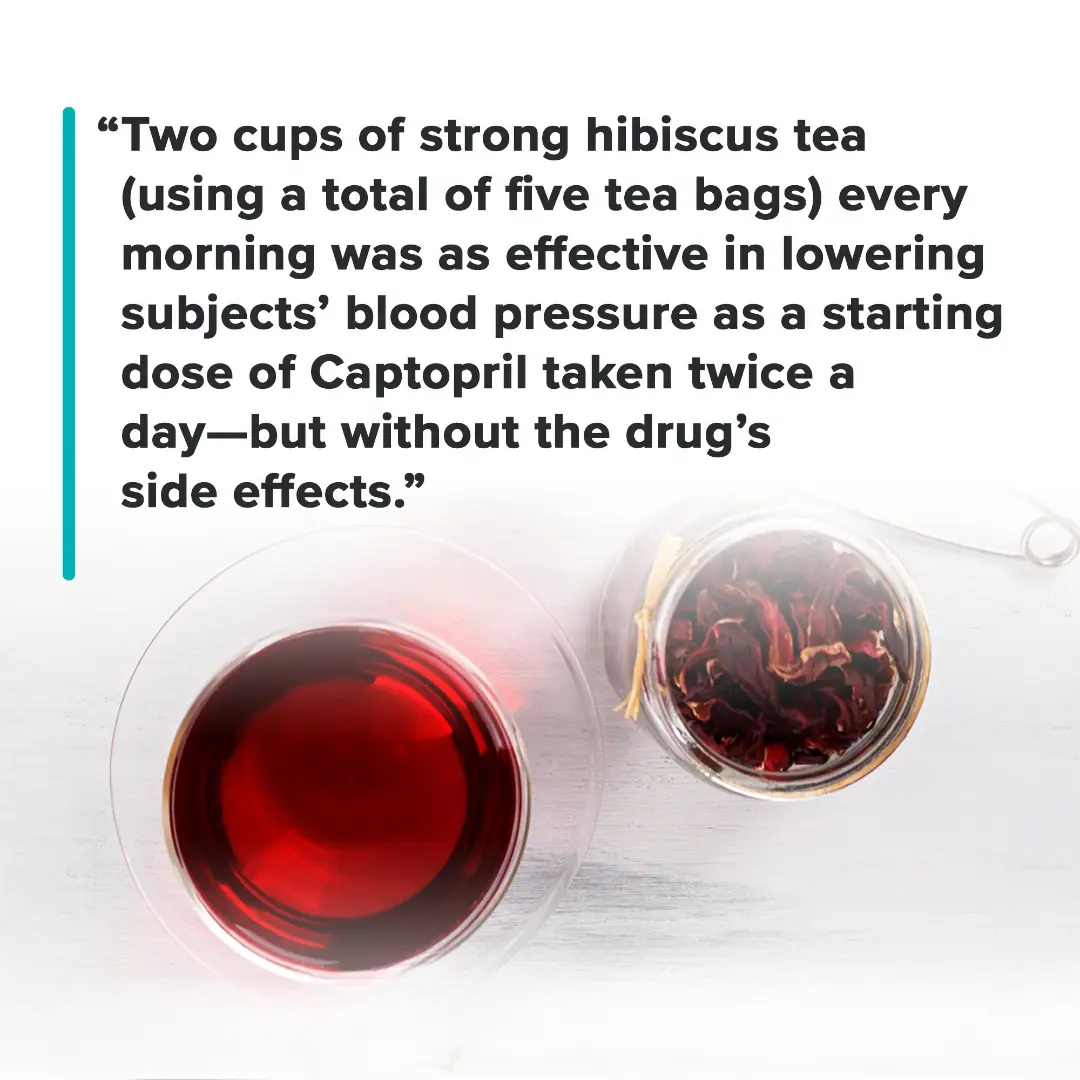
Can Hibiscus Tea Help Lower Blood Pressure? What Science Really Says
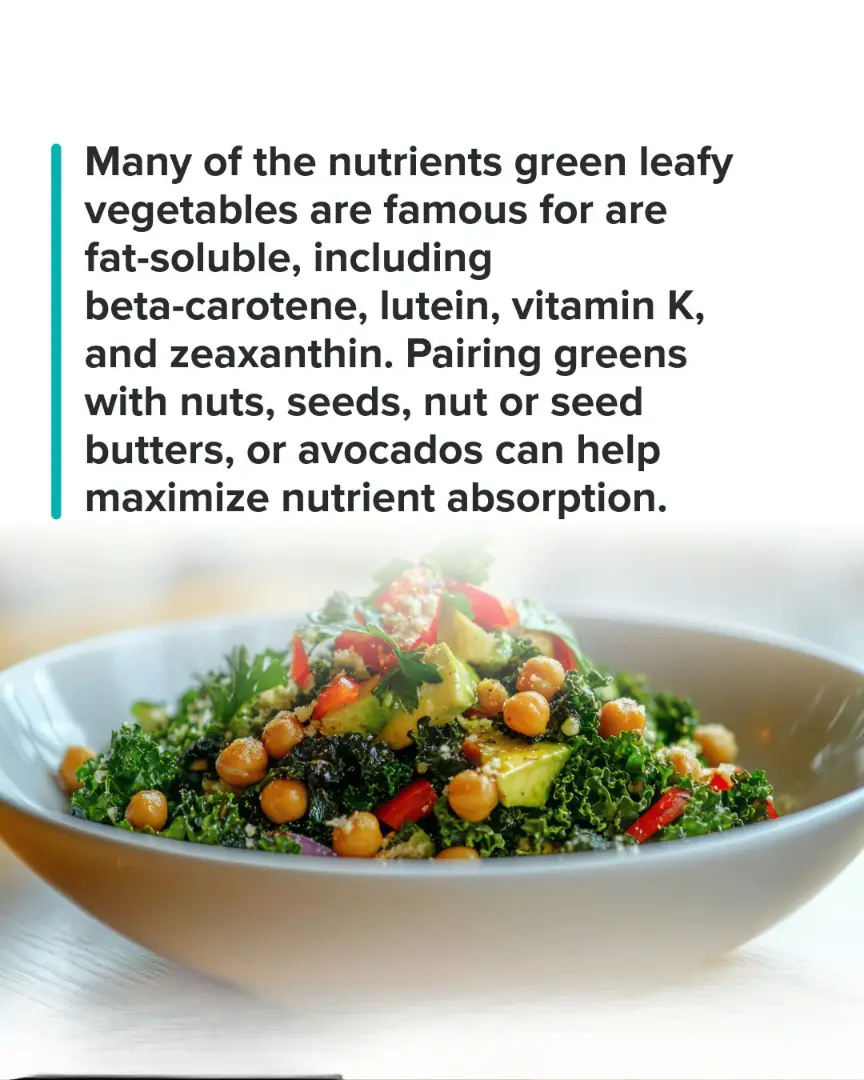
Why Healthy Fats Make Green Leafy Vegetables Even More Nutritious