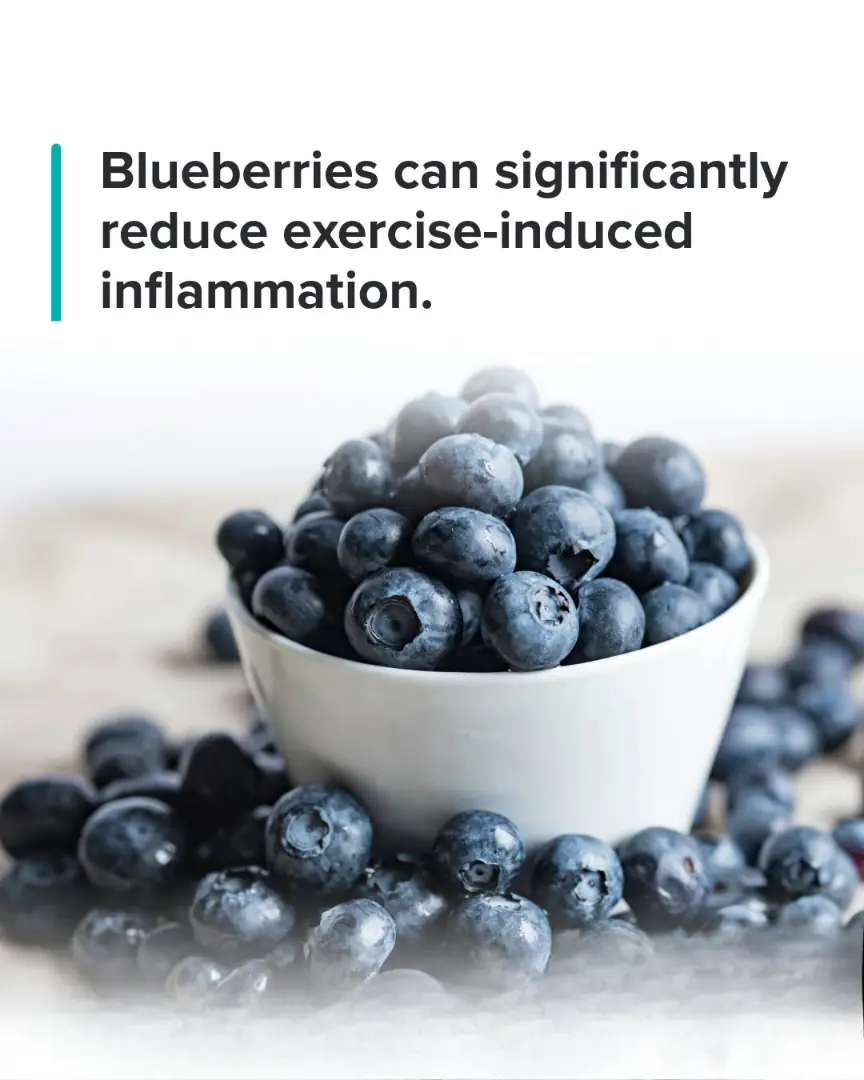
Can Blueberries Help Reduce Exercise-Induced Inflammation? Here's What the Science Says
Can Blueberries Help Reduce Exercise-Induced Inflammation? Here's What the Science Says
Health Food 04/07/2026 21:36
Energy drinks are often treated as the villain of modern beverages.
They’re associated with:
Coffee, by contrast, is seen as familiar and socially acceptable.
But caffeine is caffeine — so why does one drink raise alarms while the other doesn’t?
The answer lies not only in what they contain, but how they deliver it.
Coffee typically delivers caffeine in a relatively simple matrix:
Energy drinks often combine caffeine with:
This combination changes the speed and intensity of caffeine absorption.
Many energy drinks contain significant amounts of sugar.
Sugar provides rapid energy and increases dopamine response, which can amplify the perceived stimulation of caffeine.
This can create:
Coffee consumed without sugar behaves differently — not because caffeine is safer, but because the metabolic context is calmer.
Energy drinks are often consumed quickly.
They’re cold, sweet, and designed to be drunk fast.
Coffee, especially hot coffee, is usually sipped more slowly.
Faster consumption leads to:
The difference in pacing alone can change how the body reacts.
Sensitivity varies widely.
People more likely to experience negative effects include:
In these cases, the issue is dose and context, not the beverage category itself.
Not inherently.
An unsweetened energy drink with moderate caffeine consumed slowly may affect the body similarly to strong coffee.
Problems arise when:
Again, pattern matters more than the product name.
Instead of asking:
“Are energy drinks bad?”
A better question is:
“How much caffeine am I getting, how fast, and in what context?”
Energy drinks aren’t dangerous by definition — but they’re easier to misuse.
Understanding how they differ from coffee helps people make informed choices without fear or dismissal.
Can Blueberries Help Reduce Exercise-Induced Inflammation? Here's What the Science Says
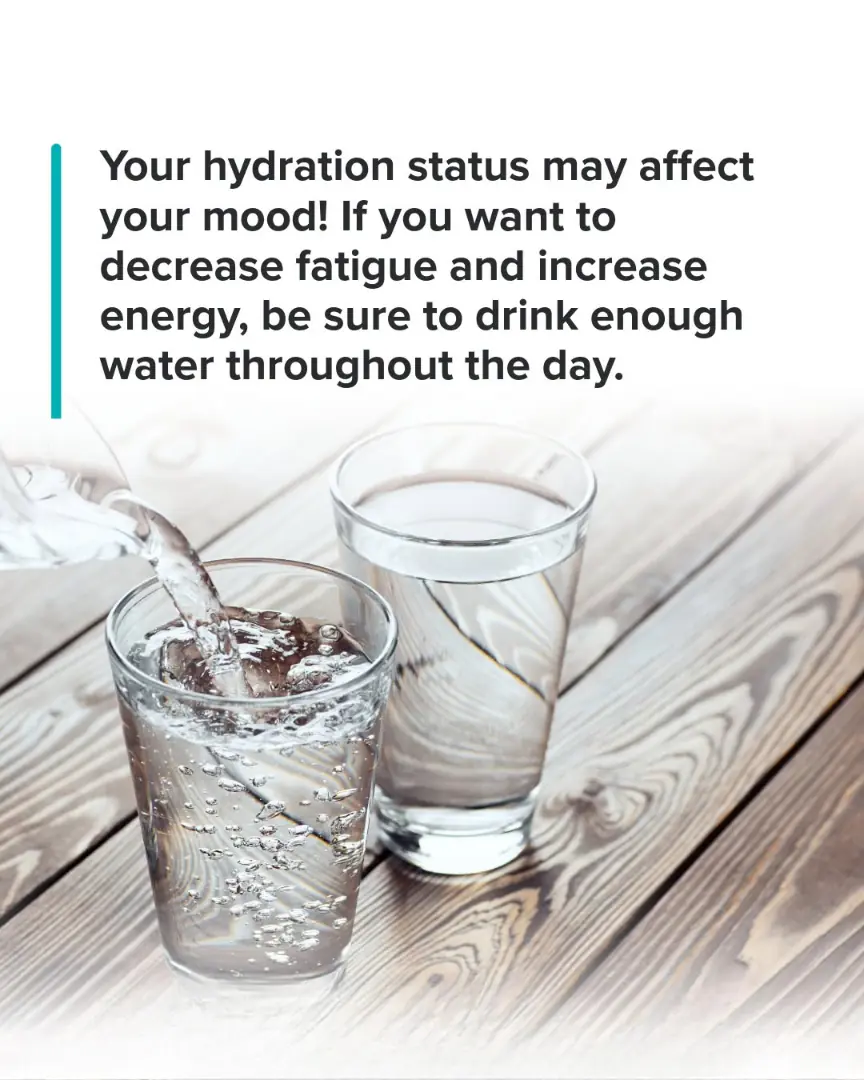
Why Staying Hydrated Is Essential for Your Mood, Energy, and Overall Health





13 Surprising Facts About Sweet Potatoes Most People Get Wrong





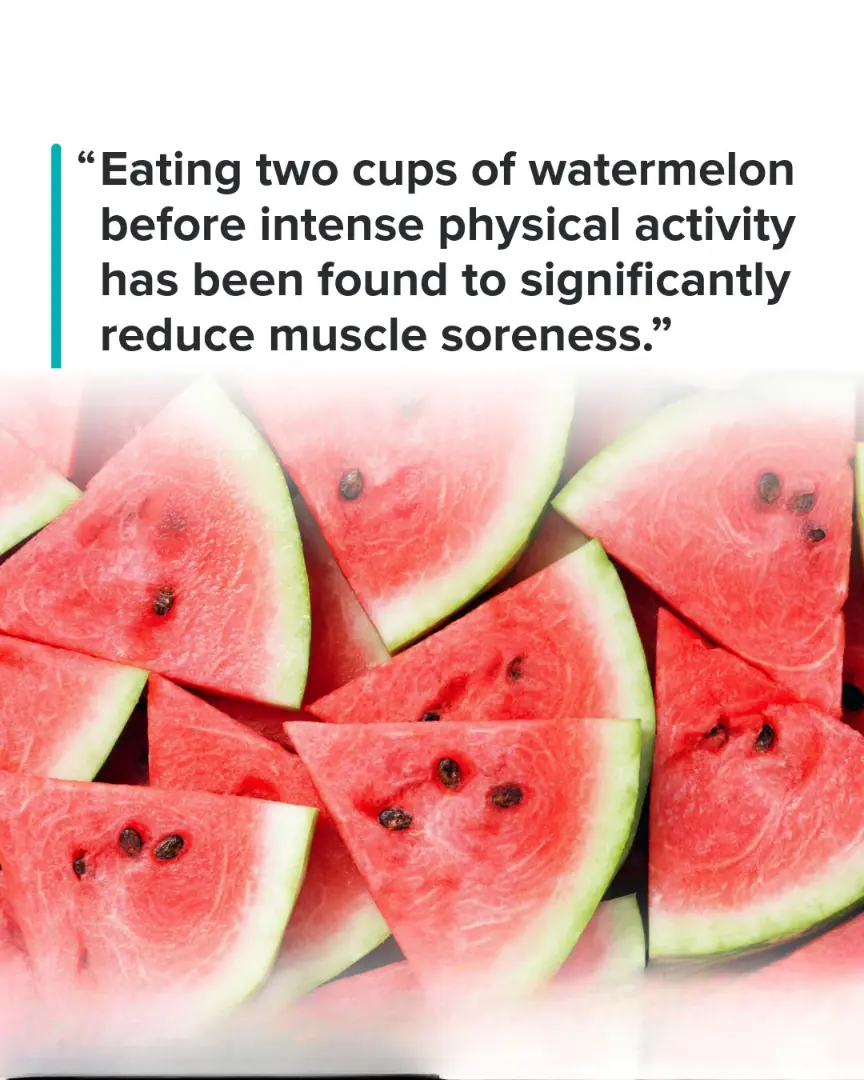
Can Watermelon Help Reduce Muscle Soreness After Exercise? Here's What Research Reveals
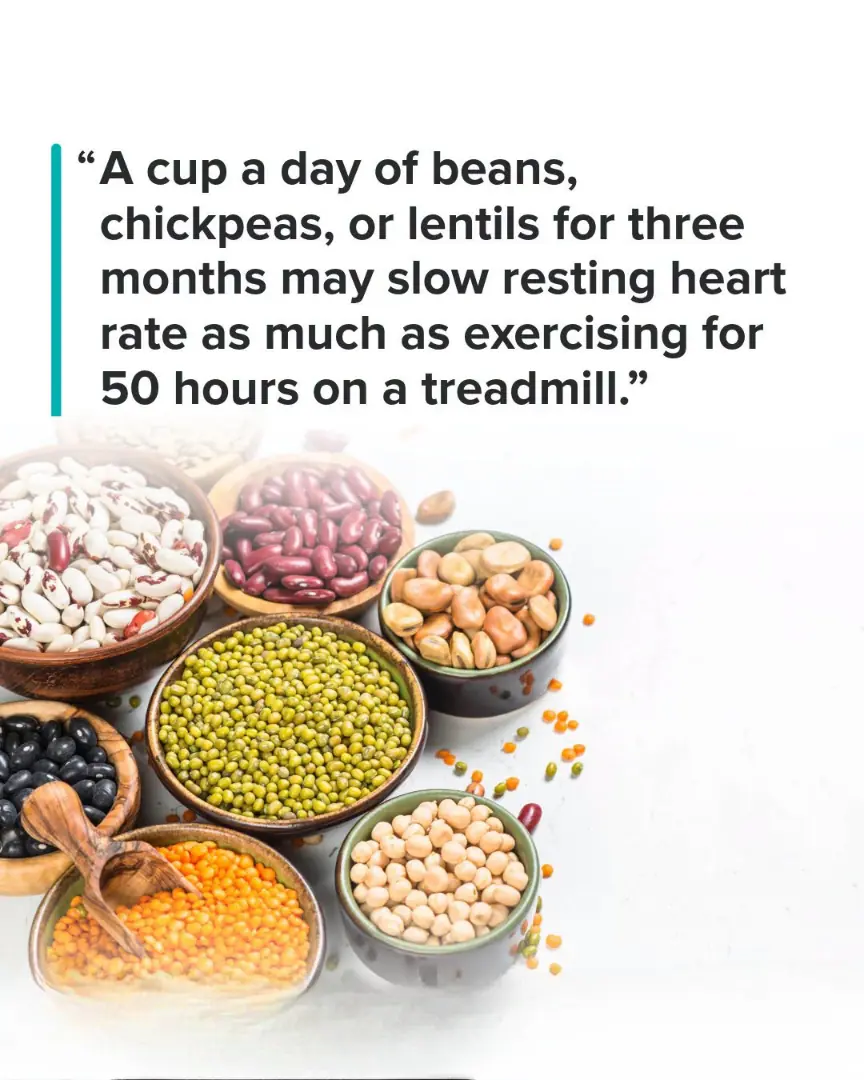
Can Eating Beans Every Day Support a Healthier Heart? Here's What the Research Suggests
Can Blueberries Help Reduce Exercise-Induced Inflammation? Here's What the Science Says
Why Staying Hydrated Is Essential for Your Mood, Energy, and Overall Health
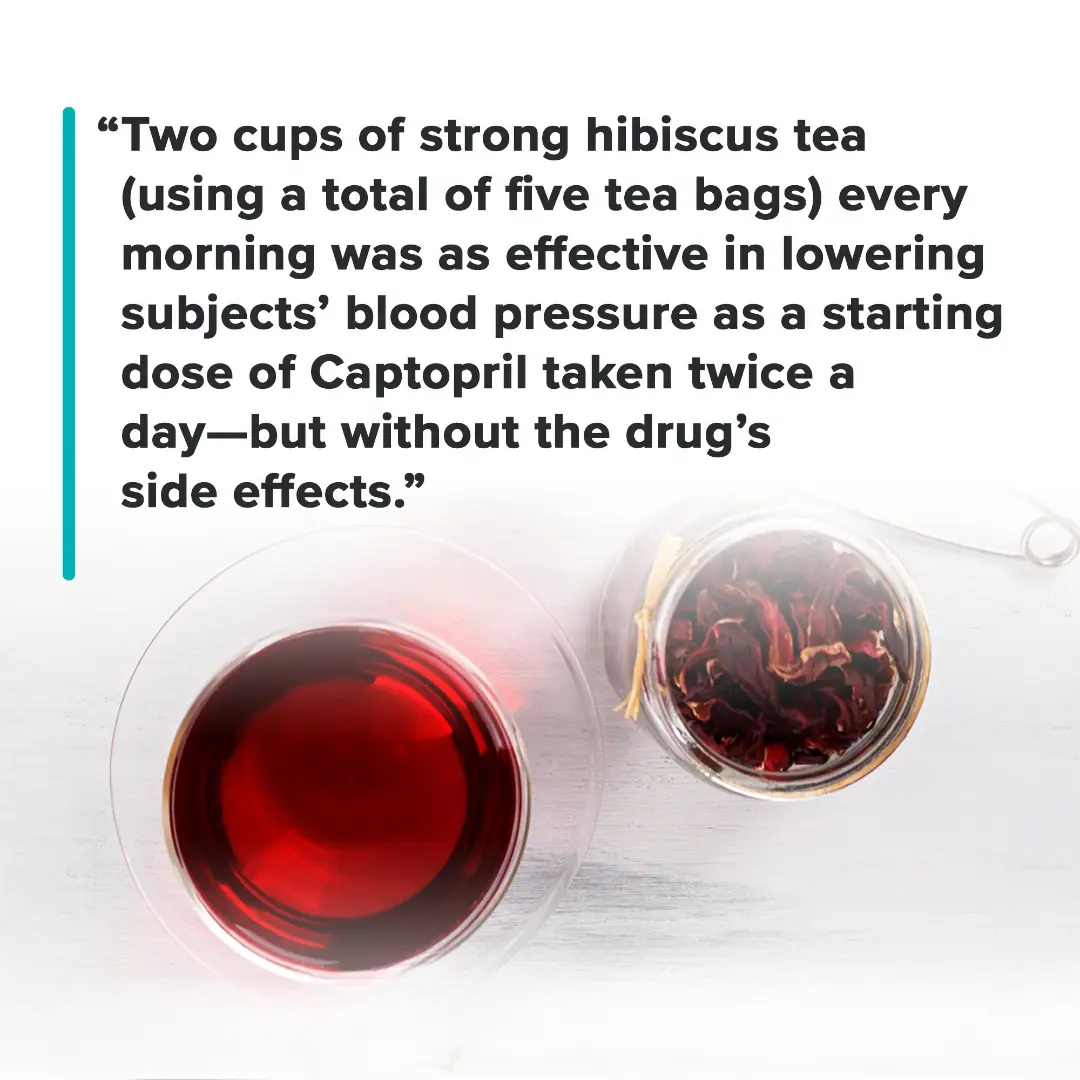
Can Hibiscus Tea Help Lower Blood Pressure? What Science Really Says
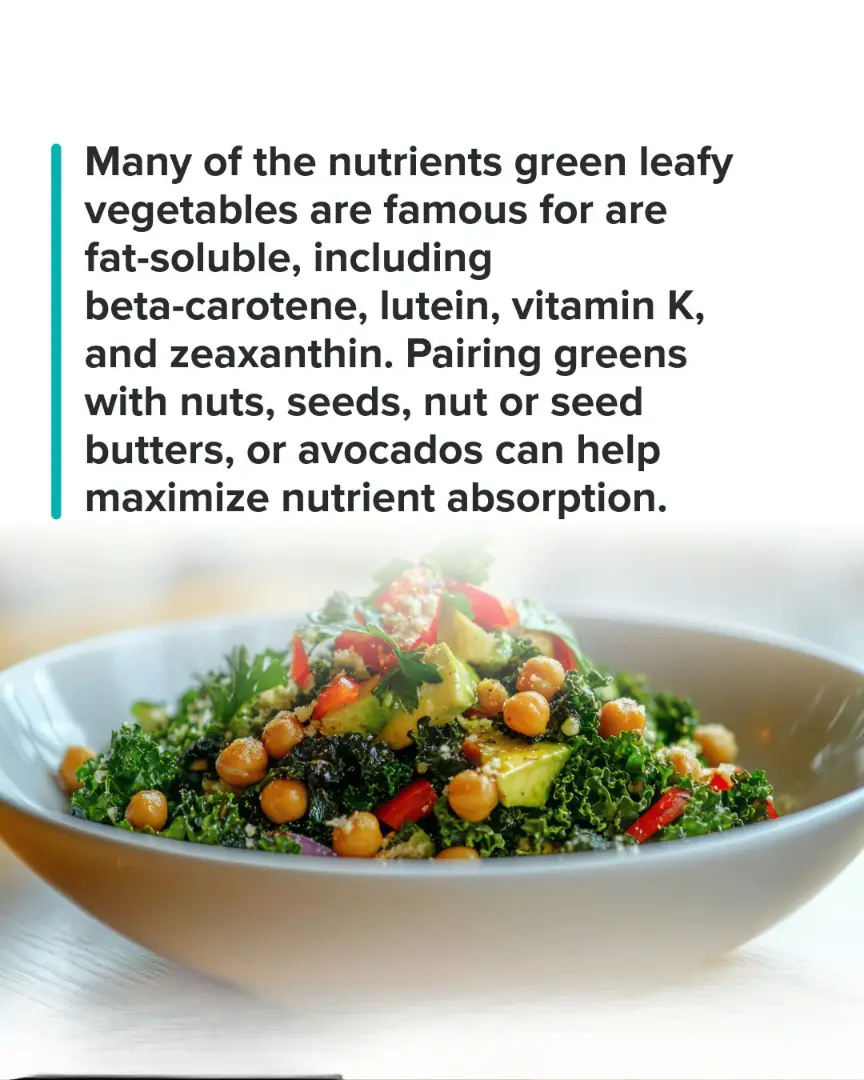
Why Healthy Fats Make Green Leafy Vegetables Even More Nutritious