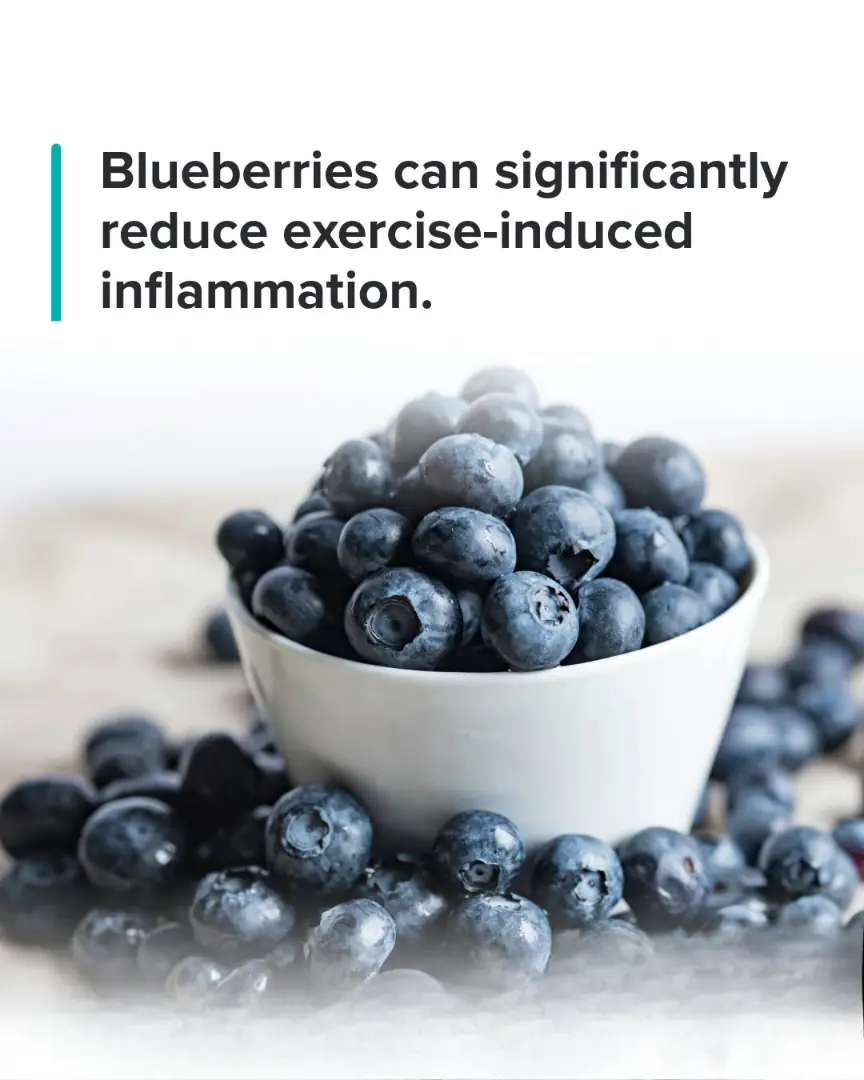
Can Blueberries Help Reduce Exercise-Induced Inflammation? Here's What the Science Says
Can Blueberries Help Reduce Exercise-Induced Inflammation? Here's What the Science Says
Health Food 04/07/2026 21:36
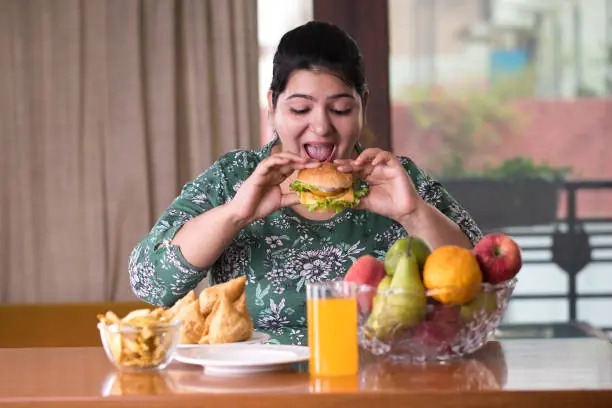
Many people are confused by the same experience.
They eat a full meal.
They feel physically full.
And yet, not long after, hunger returns.
This often leads to a frustrating conclusion: something must be wrong with my self-control.
In reality, hunger is not governed by calories alone.
It is regulated by signals — and those signals don’t always align with how much food is eaten.
Appetite is shaped by multiple systems working together:
Eating enough calories may satisfy one system while leaving others unconvinced.
This is why fullness and hunger can coexist.
One of the strongest drivers of satiety is protein.
Protein intake influences hormones such as PYY and GLP-1, which help signal that eating can stop.
Meals low in protein may:
As a result, hunger can return quickly — not because calories were insufficient, but because nutrient needs weren’t met.
Highly processed foods are often stripped of structure.
They digest quickly and deliver energy rapidly — but may not provide the sensory or digestive cues that signal completion.
Whole foods, by contrast, require:
These factors give the body time to register that eating has occurred.
A meal can be calorie-dense yet feel incomplete.
For example:
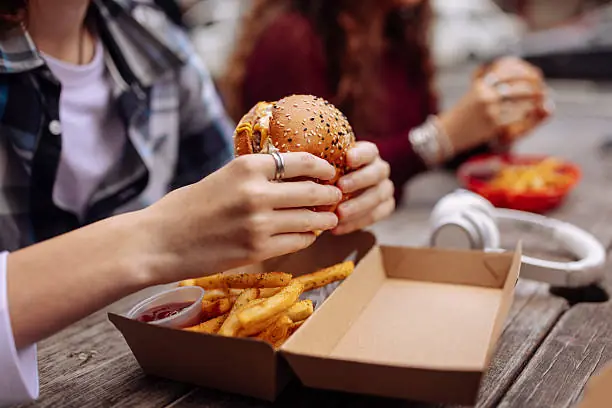
These combinations can deliver energy without satisfying the systems that regulate appetite.
This mismatch often leads to grazing or repeated snacking later.
Hunger isn’t purely physiological.
The brain has expectations shaped by culture and habit.
If a meal doesn’t feel like a meal — in texture, variety, or balance — appetite may remain active even when energy intake is sufficient.
This is not imagination.
It’s learned response.
People often blame themselves for persistent hunger.
But appetite regulation varies widely due to:
There is no universal threshold of “enough”.
Instead of asking:
“Why am I still hungry?”
A more helpful question is:
“Which satiety signals might be missing here?”
This reframing shifts the focus from restraint to design.
Hunger is not a problem to defeat.
It’s a signal to interpret.
Understanding that “eating enough” involves more than calories helps explain why some meals satisfy effortlessly — and others never quite do.
Can Blueberries Help Reduce Exercise-Induced Inflammation? Here's What the Science Says
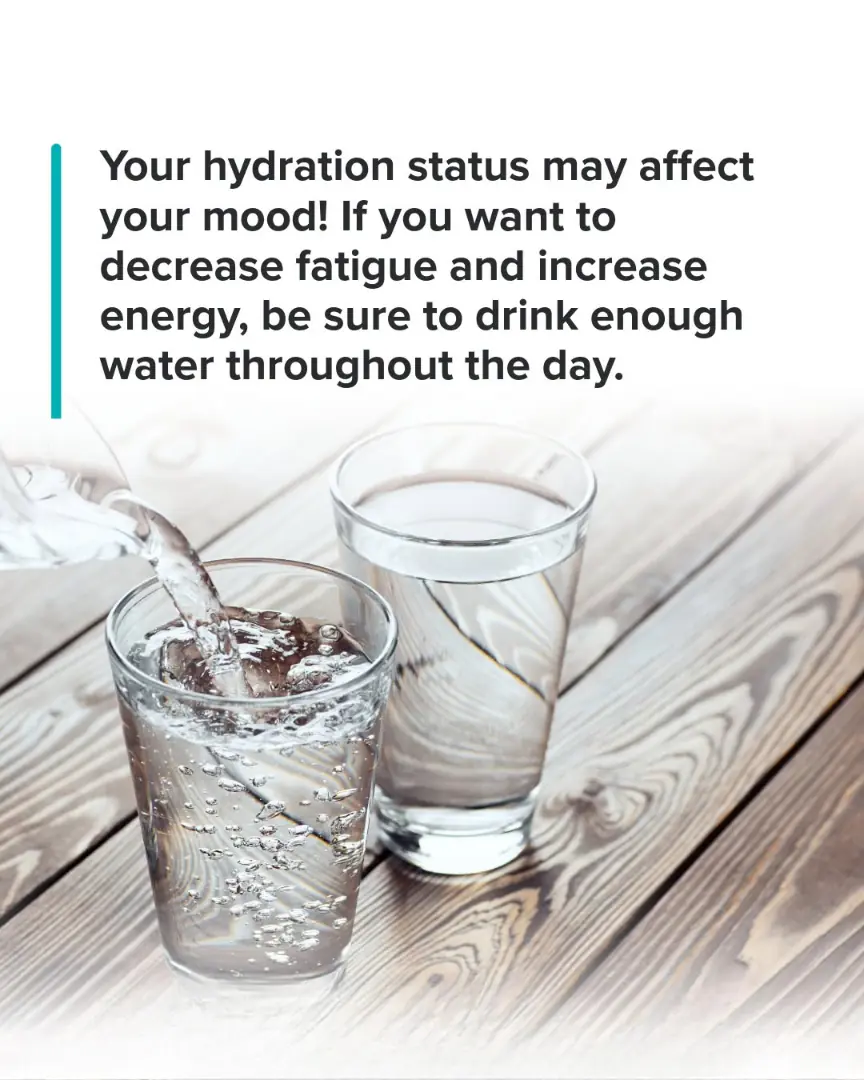
Why Staying Hydrated Is Essential for Your Mood, Energy, and Overall Health





13 Surprising Facts About Sweet Potatoes Most People Get Wrong
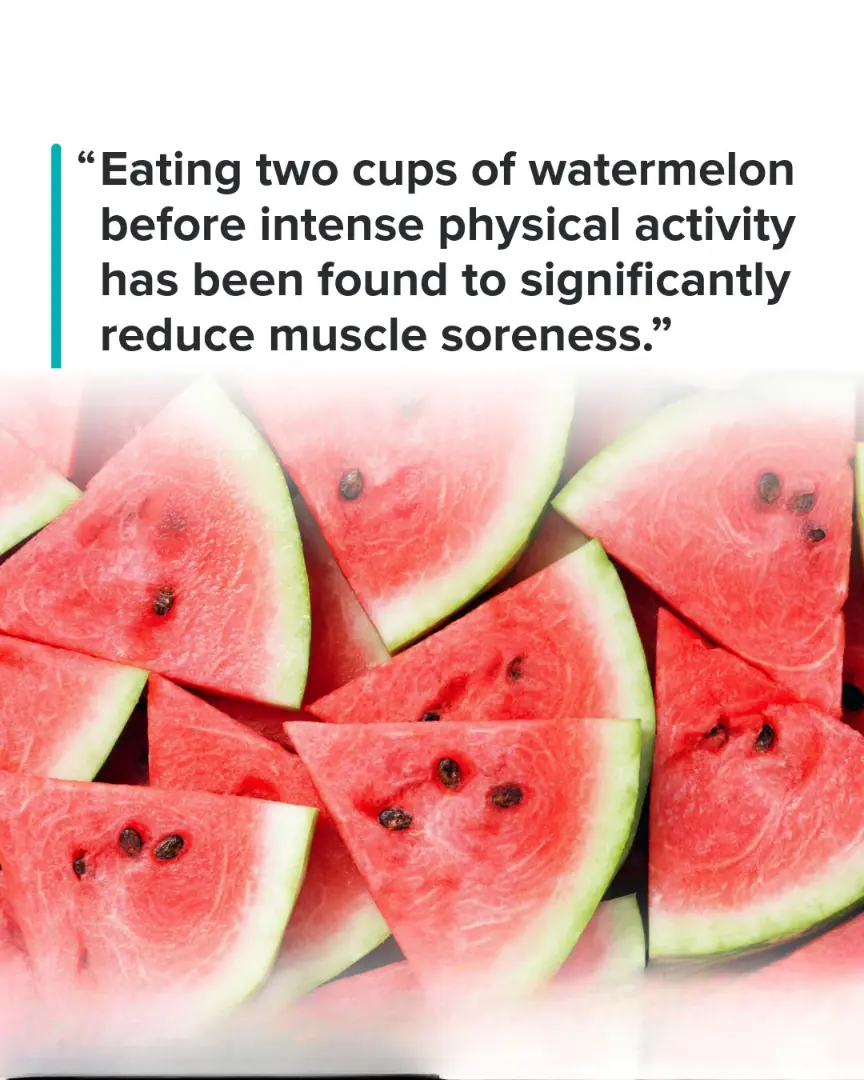
Can Watermelon Help Reduce Muscle Soreness After Exercise? Here's What Research Reveals
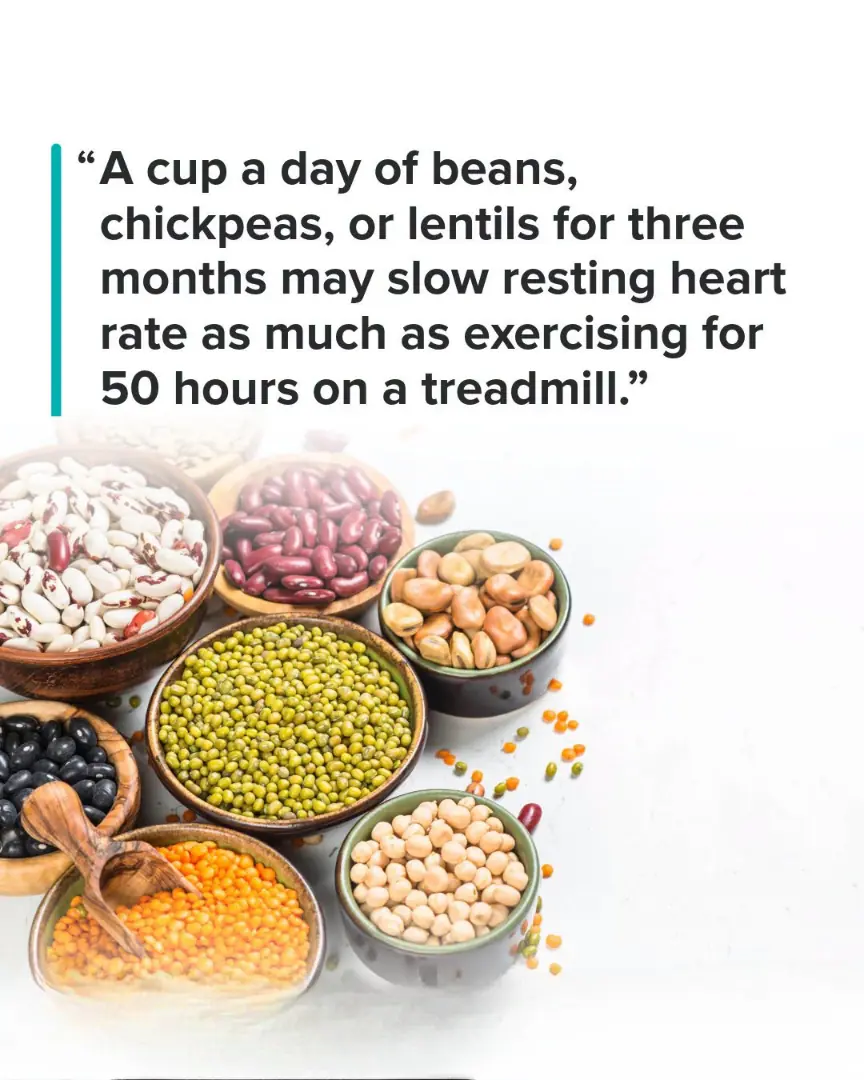
Can Eating Beans Every Day Support a Healthier Heart? Here's What the Research Suggests
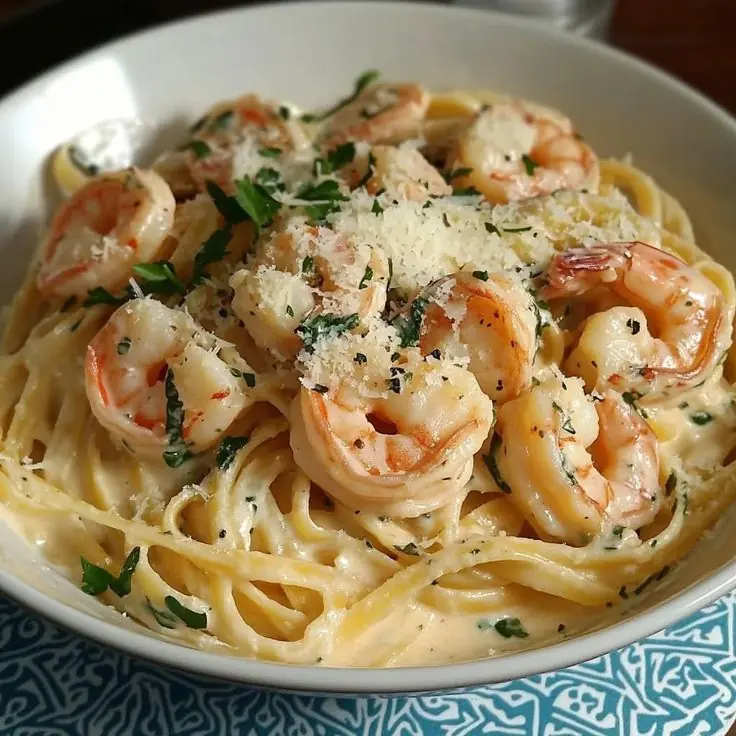
Can Blueberries Help Reduce Exercise-Induced Inflammation? Here's What the Science Says
Why Staying Hydrated Is Essential for Your Mood, Energy, and Overall Health
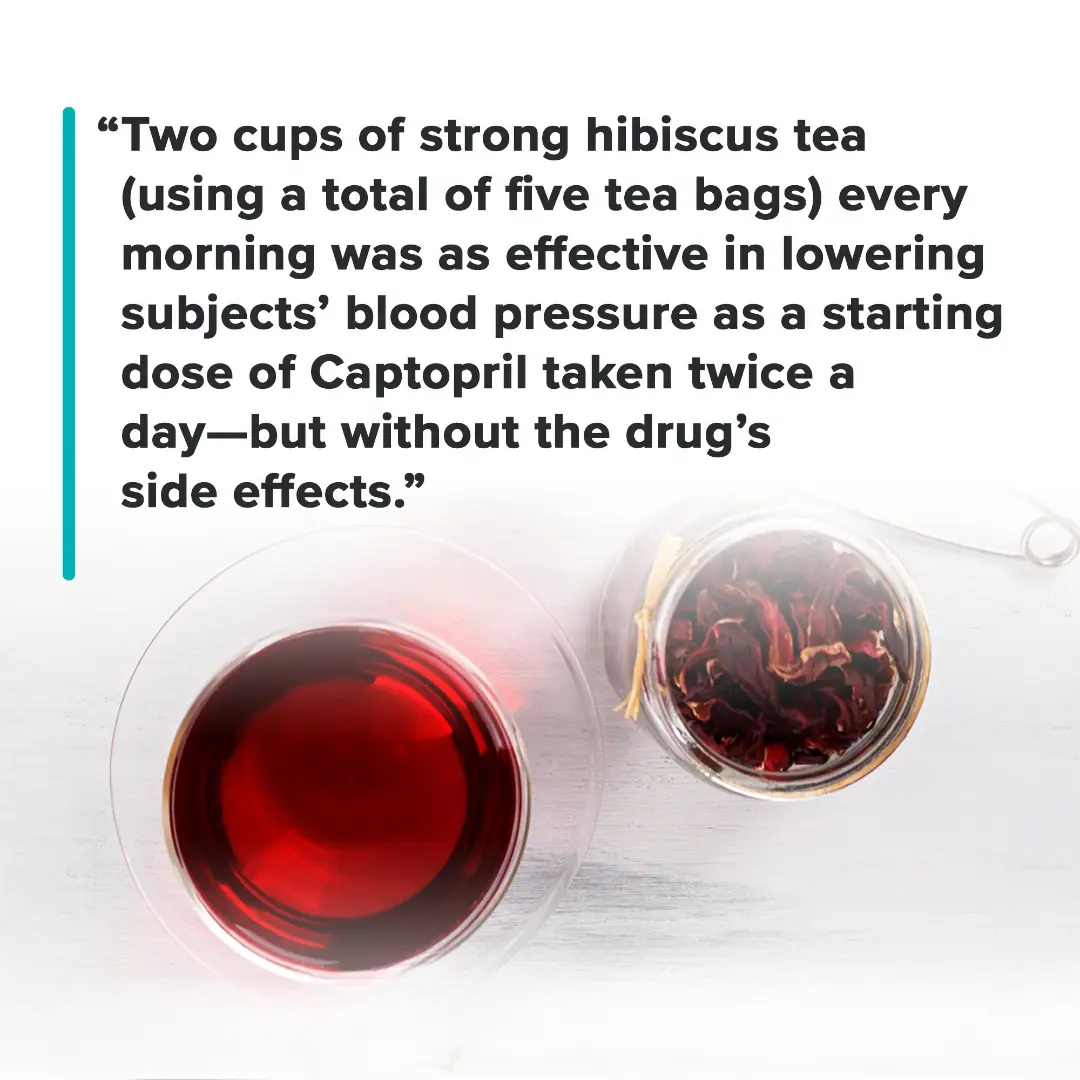
Can Hibiscus Tea Help Lower Blood Pressure? What Science Really Says
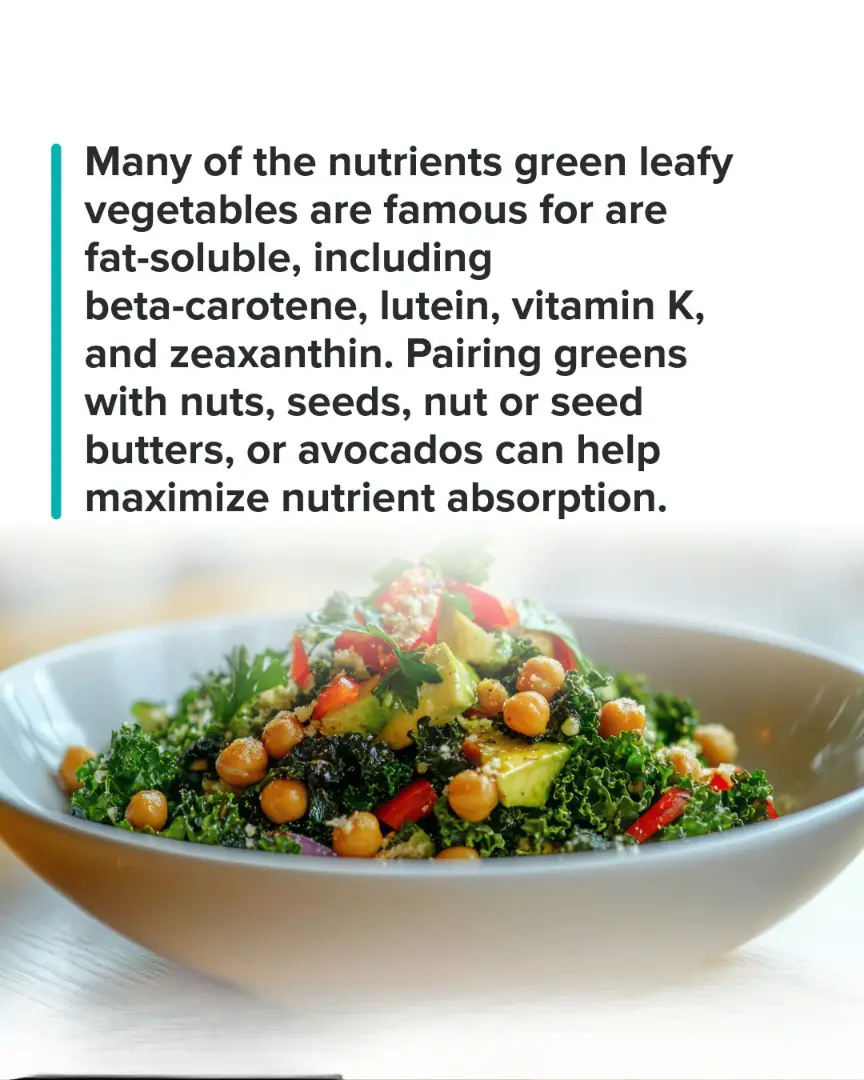
Why Healthy Fats Make Green Leafy Vegetables Even More Nutritious