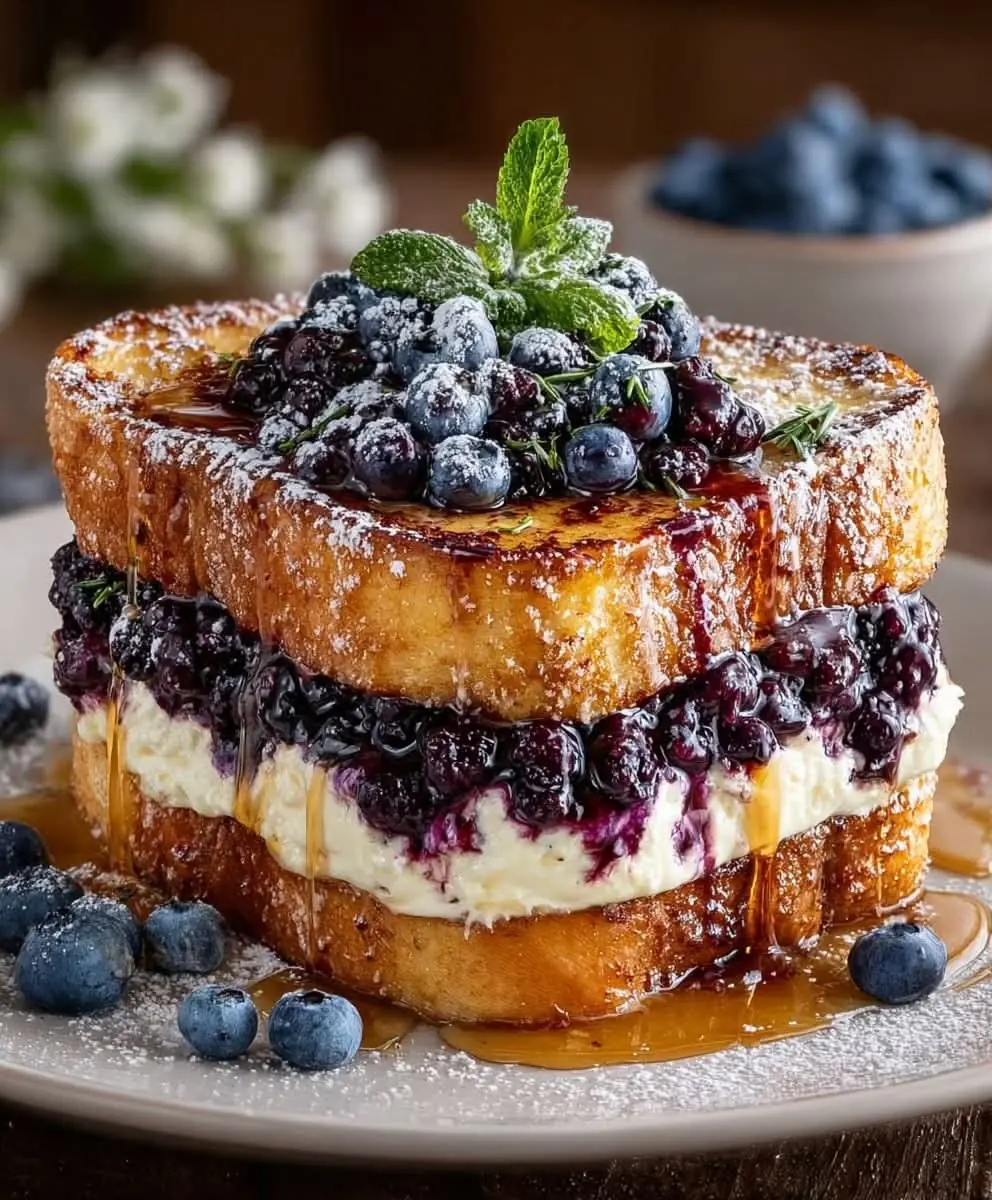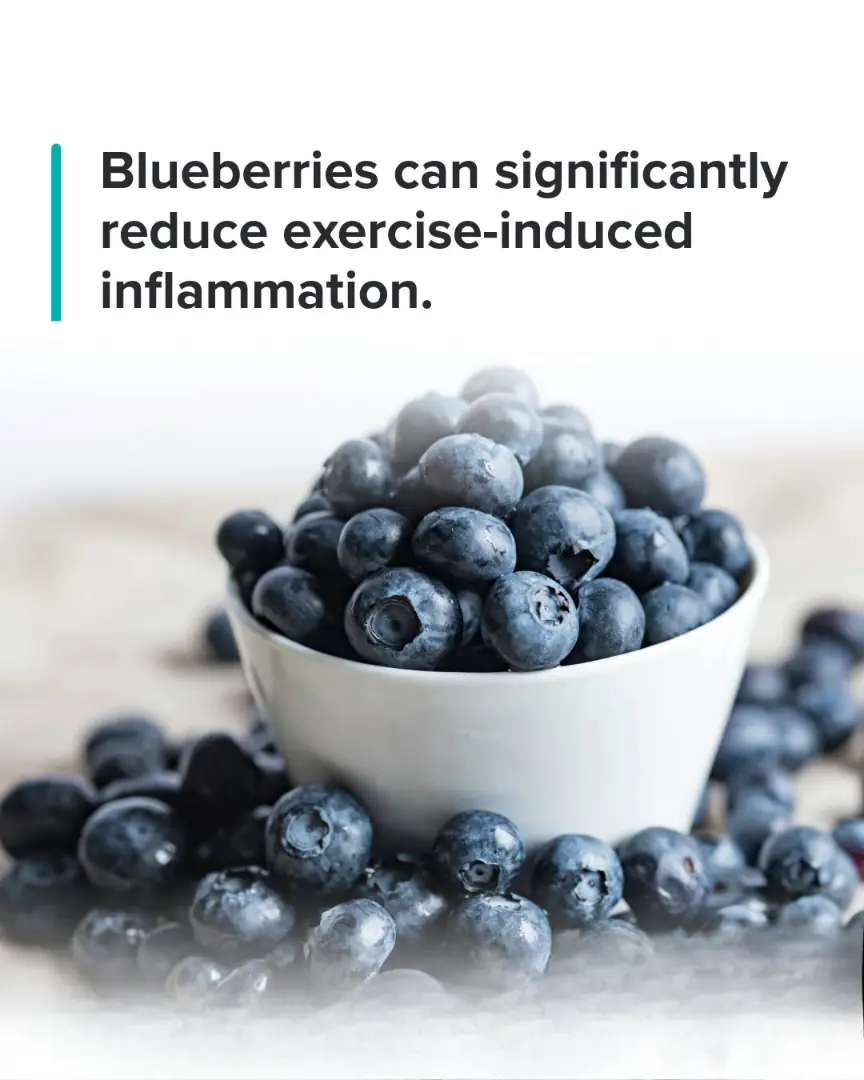
Can Blueberries Help Reduce Exercise-Induced Inflammation? Here's What the Science Says
Can Blueberries Help Reduce Exercise-Induced Inflammation? Here's What the Science Says
Health Food 04/07/2026 21:36
Two meals can contain the same calories.
One leaves you satisfied.
The other leaves you searching for more.
Often, the difference isn’t nutrients — it’s texture.
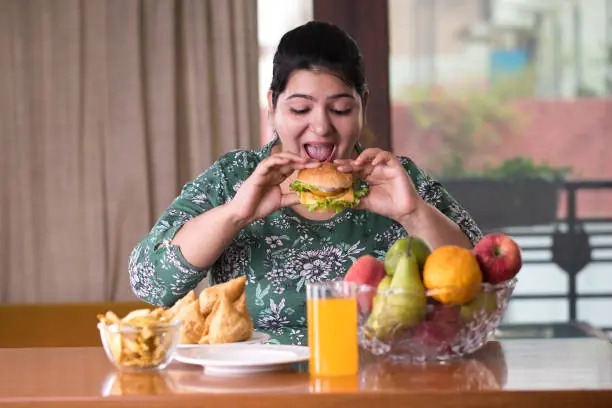
Soft foods are eaten faster.
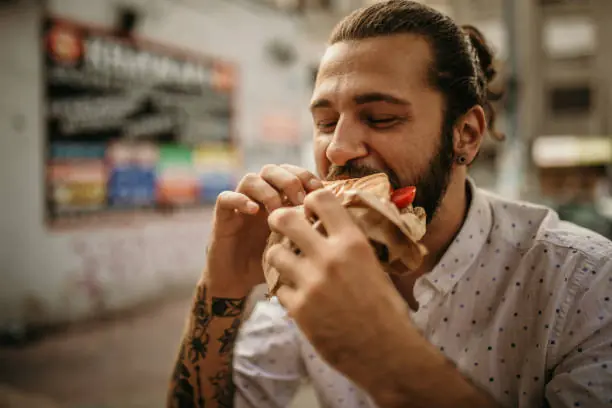
Harder, chewier foods slow down eating and increase oral processing time.
Slower eating allows:
Texture, not willpower, often controls pacing.
Chewing sends signals to the brain that eating is happening.
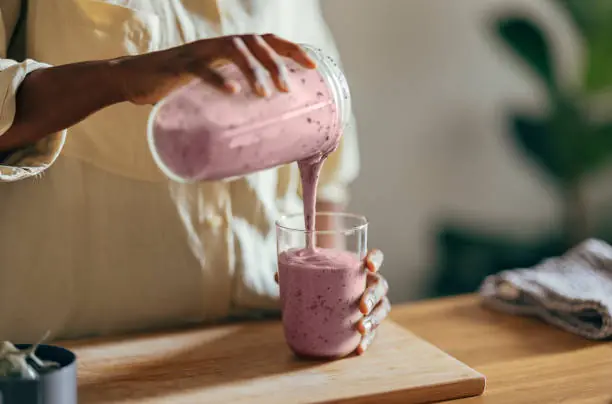
When foods require minimal chewing — such as purées, smoothies, or ultra-soft processed foods — those signals are reduced.
This makes it easier to consume more energy before feeling full.
Liquids move through the stomach quickly.
They provide energy without triggering strong satiety responses.
This is why drinking calories rarely feels the same as eating them — even when nutrition content is similar.
Whole foods retain their cellular structure.
Processed foods often don’t.
This affects:
Structure slows nutrient release and supports stable satiety.
Crunch, chew, and resistance contribute to the feeling of having eaten something substantial.
Meals lacking these qualities may feel incomplete — even when calorically sufficient.
This can keep appetite mentally “open”.
Many modern foods are designed for:
These qualities improve accessibility but reduce natural appetite regulation.
Again, this is not a moral issue — it’s a design outcome.
Instead of focusing only on nutrients, it can help to ask:
“Does this meal require time, chewing, and attention?”
These elements often matter as much as macros.
Texture is an invisible factor in eating behaviour.
Once understood, it explains why some foods satisfy effortlessly — and others quietly encourage overeating.
Not because people fail — but because the food environment has changed.
Can Blueberries Help Reduce Exercise-Induced Inflammation? Here's What the Science Says
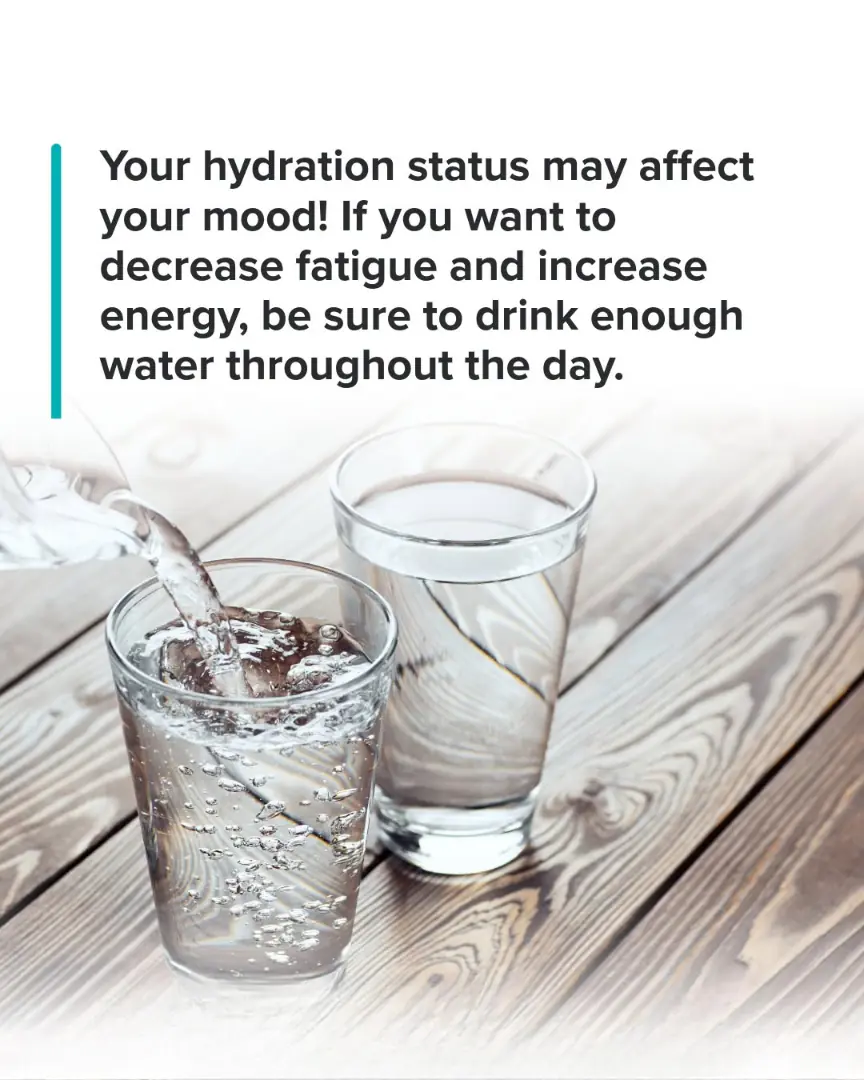
Why Staying Hydrated Is Essential for Your Mood, Energy, and Overall Health


13 Surprising Facts About Sweet Potatoes Most People Get Wrong
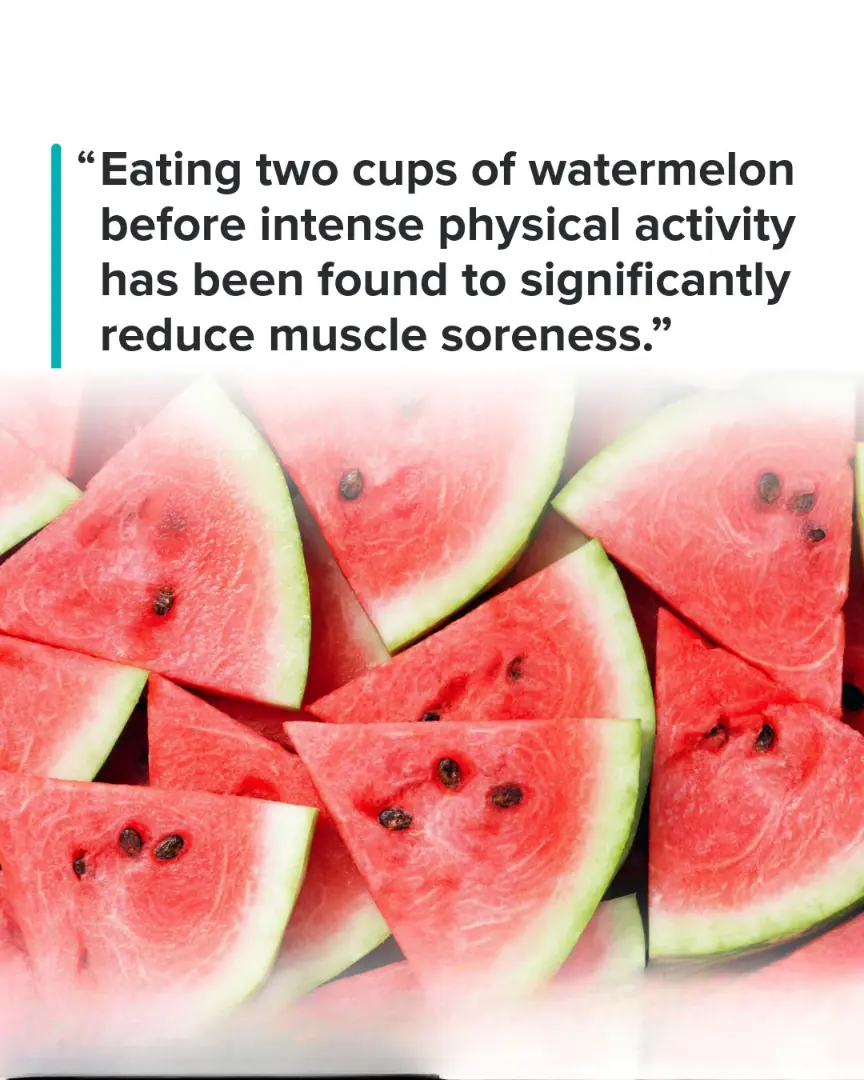
Can Watermelon Help Reduce Muscle Soreness After Exercise? Here's What Research Reveals
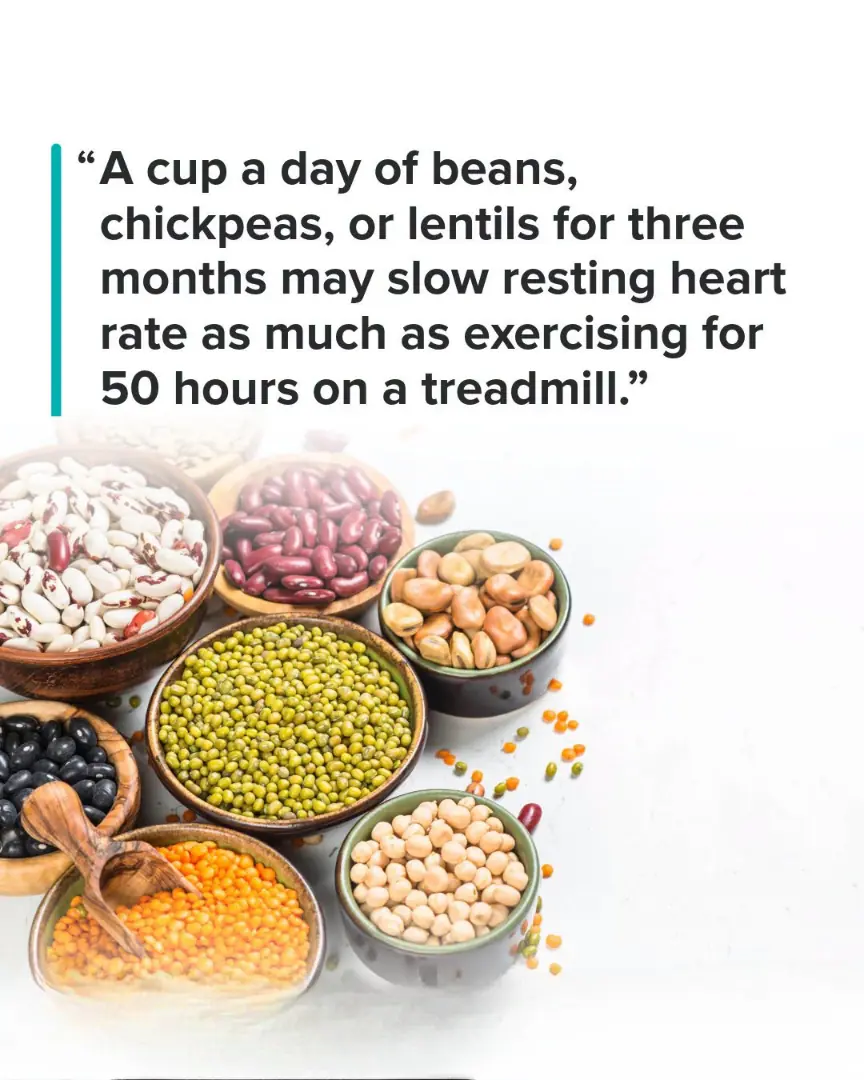
Can Eating Beans Every Day Support a Healthier Heart? Here's What the Research Suggests
Can Blueberries Help Reduce Exercise-Induced Inflammation? Here's What the Science Says
Why Staying Hydrated Is Essential for Your Mood, Energy, and Overall Health
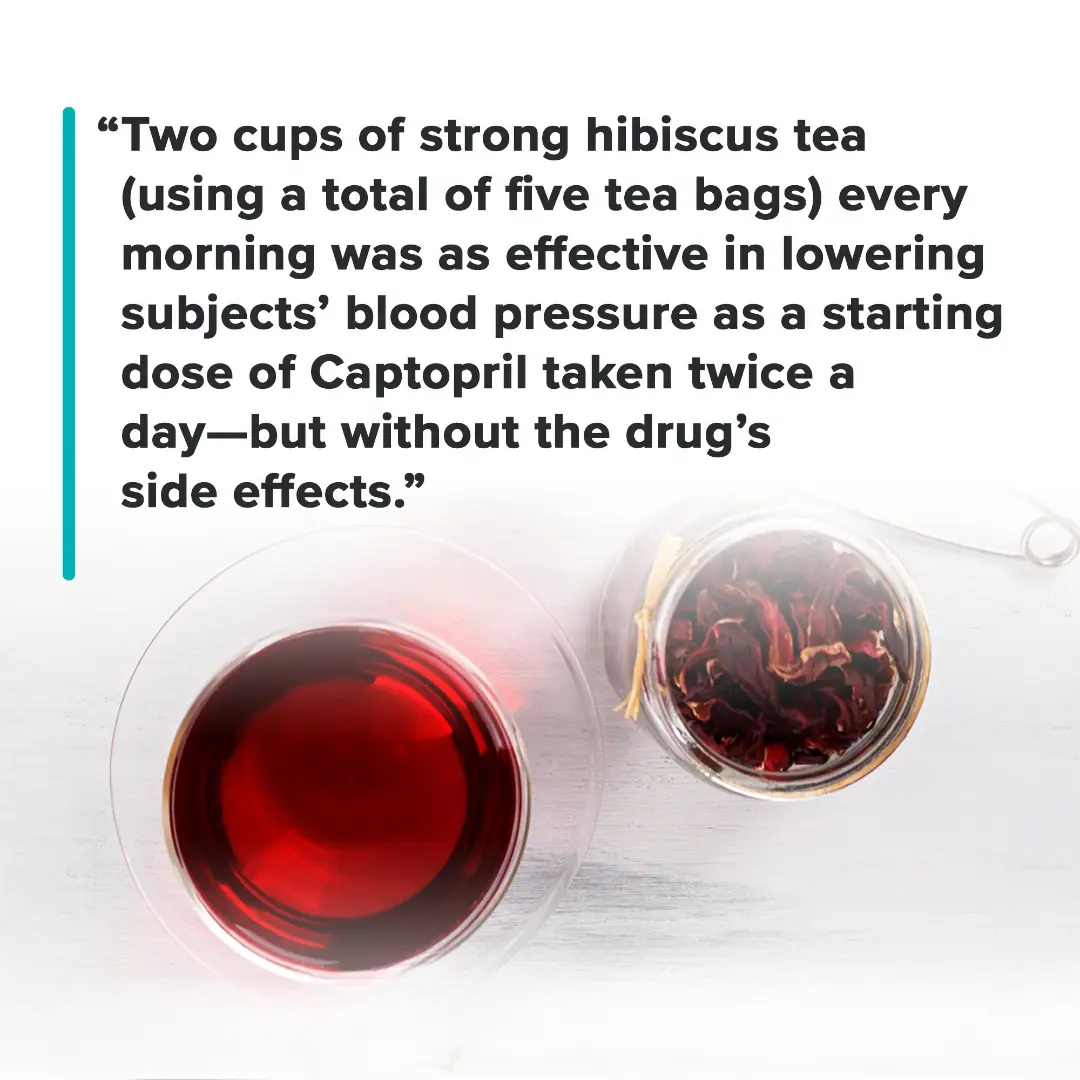
Can Hibiscus Tea Help Lower Blood Pressure? What Science Really Says
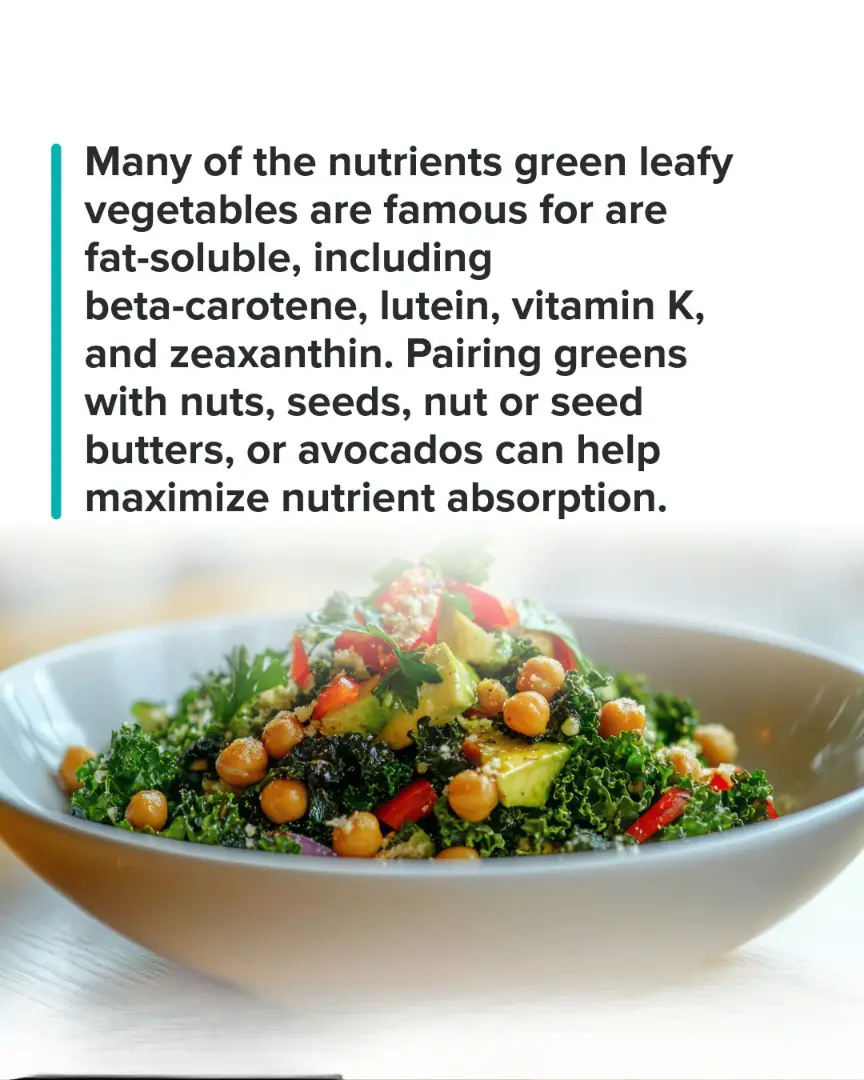
Why Healthy Fats Make Green Leafy Vegetables Even More Nutritious