
Grilled Steak with Garlic Mashed Potatoes, Asparagus & Herb Cream Sauce
Food 04/07/2026 23:43
Beans have long been recognized as one of the world's healthiest foods. Affordable, versatile, and packed with nutrients, they are a dietary staple in many cultures and are consistently associated with better heart health. Whether you enjoy black beans, kidney beans, chickpeas, lentils, navy beans, pinto beans, or split peas, these humble legumes provide an impressive combination of plant protein, fiber, vitamins, minerals, and beneficial phytochemicals.
Recent research has suggested another fascinating potential benefit: regularly eating beans may help lower resting heart rate, an important indicator of cardiovascular health. While the effect is modest and should not be viewed as a replacement for exercise or medical treatment, incorporating beans into your daily diet may contribute to a healthier heart when combined with other healthy lifestyle habits.


 5
5
Let's explore why beans are considered one of the best foods for cardiovascular wellness and what current scientific evidence tells us.
Your resting heart rate (RHR) is the number of times your heart beats per minute while you are completely at rest.
For most healthy adults, a normal resting heart rate ranges between 60 and 100 beats per minute, although many physically active individuals naturally have lower values.
Generally speaking, a lower resting heart rate reflects that the heart pumps blood more efficiently. Numerous studies have found that a persistently elevated resting heart rate is associated with an increased risk of:
Of course, resting heart rate is influenced by many factors, including age, fitness level, medications, stress, hydration, sleep quality, and certain medical conditions.
Scientists believe legumes may benefit the cardiovascular system through several complementary mechanisms.
Beans are among the richest dietary sources of soluble fiber.
Soluble fiber may help:
These benefits collectively contribute to better cardiovascular health.
Replacing some animal proteins with plant-based proteins has been associated with improved heart health.
Beans provide substantial protein while containing:
This makes them an excellent alternative to processed meats and high-fat animal products.
Both potassium and magnesium play essential roles in maintaining normal heart rhythm and supporting healthy blood pressure.
Many people do not consume enough of these minerals, making beans a valuable dietary source.
Beans contain numerous polyphenols and antioxidant compounds that help protect cells against oxidative stress and inflammation.
Reducing chronic inflammation may support healthier blood vessels over time.


 5
5
Some clinical studies have investigated the effects of eating approximately one cup of beans, lentils, or chickpeas daily over several months.
Researchers observed modest reductions in resting heart rate among participants who regularly consumed legumes.
Interestingly, some researchers have noted that the improvement was comparable in magnitude to changes seen after many hours of moderate aerobic exercise. However, this comparison should not be interpreted to mean that eating beans replaces exercise. Physical activity provides countless additional benefits—including improved cardiovascular fitness, muscle strength, bone health, insulin sensitivity, mental well-being, and longevity—that cannot be replicated by any single food.
Instead, the findings suggest that regular legume consumption may offer an additional layer of cardiovascular support as part of an overall healthy lifestyle.
The potential advantages of eating beans extend far beyond resting heart rate.
Research has consistently linked higher legume intake with:
The soluble fiber found in beans helps remove excess cholesterol from the body.
Beans are naturally low in sodium and rich in potassium, which may help maintain healthy blood pressure levels when consumed as part of a balanced diet.
Because beans have a relatively low glycemic index and contain both fiber and protein, they help slow digestion and reduce rapid spikes in blood glucose.
Their combination of fiber and protein promotes satiety, making it easier to control calorie intake.
The fiber in beans nourishes beneficial gut bacteria, producing short-chain fatty acids that support digestive and metabolic health.
Many health organizations encourage eating legumes several times each week.
Studies investigating cardiovascular benefits often use approximately:
This amount can be divided across meals and incorporated into a variety of dishes.
Beans are incredibly versatile and can be enjoyed in countless ways.
Try adding them to:
Canned beans are convenient, but choosing low-sodium varieties or rinsing canned beans before use can help reduce sodium intake.
Some people experience bloating or gas when they first increase their bean intake.
Fortunately, these symptoms often improve as the digestive system adapts.
Helpful strategies include:
People with certain digestive disorders or kidney disease should consult a healthcare professional or registered dietitian before making major dietary changes.
Although beans are exceptionally nutritious, no single food can guarantee heart health.
The strongest protection comes from combining several healthy habits, including:
These lifestyle choices work together to support long-term cardiovascular health.
Beans, chickpeas, lentils, and other legumes are among the most nutrient-dense foods you can include in your diet. Rich in fiber, plant protein, potassium, magnesium, and antioxidants, they support many aspects of cardiovascular health. Research suggests that eating about one cup of legumes daily may contribute to a modest reduction in resting heart rate, while also helping improve cholesterol levels, blood pressure, blood sugar control, digestive health, and weight management.
While beans are not a substitute for regular exercise or prescribed medical treatments, they can be a powerful addition to a heart-healthy eating pattern. By making legumes a regular part of your meals, you provide your body with nutrients that support not only a healthier heart but also overall long-term wellness.

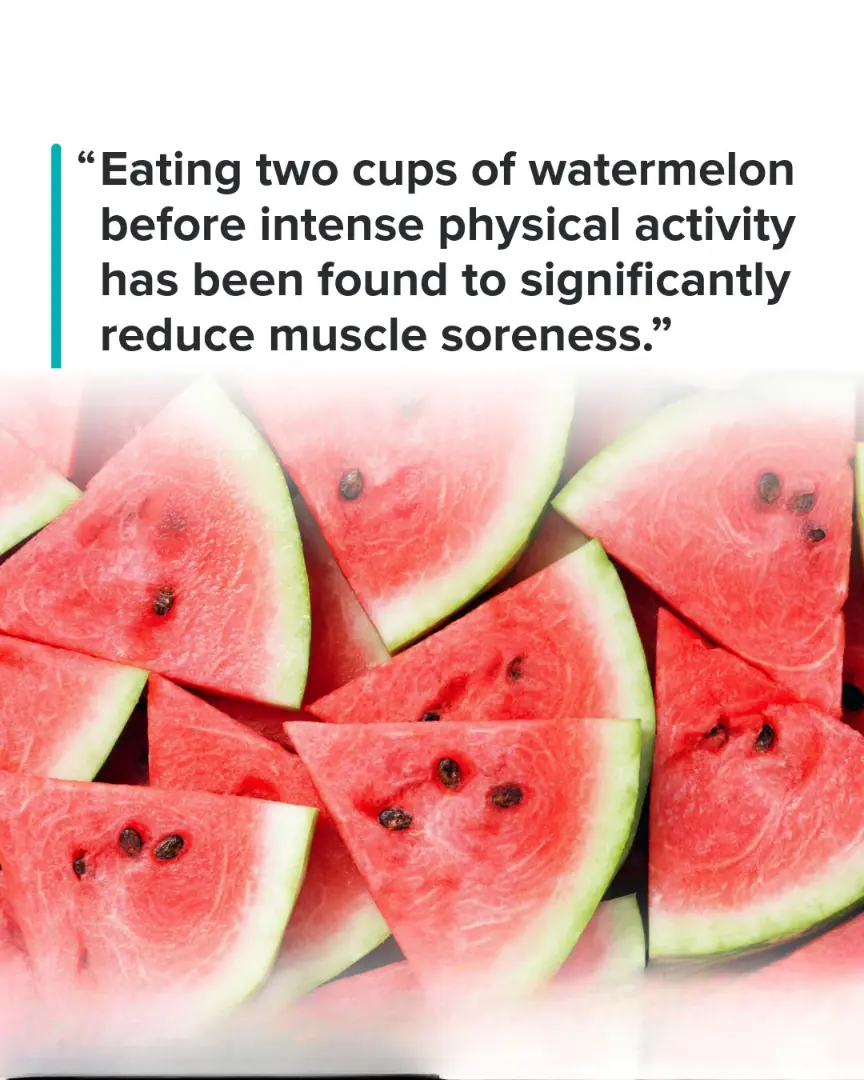
Can Watermelon Help Reduce Muscle Soreness After Exercise? Here's What Research Reveals

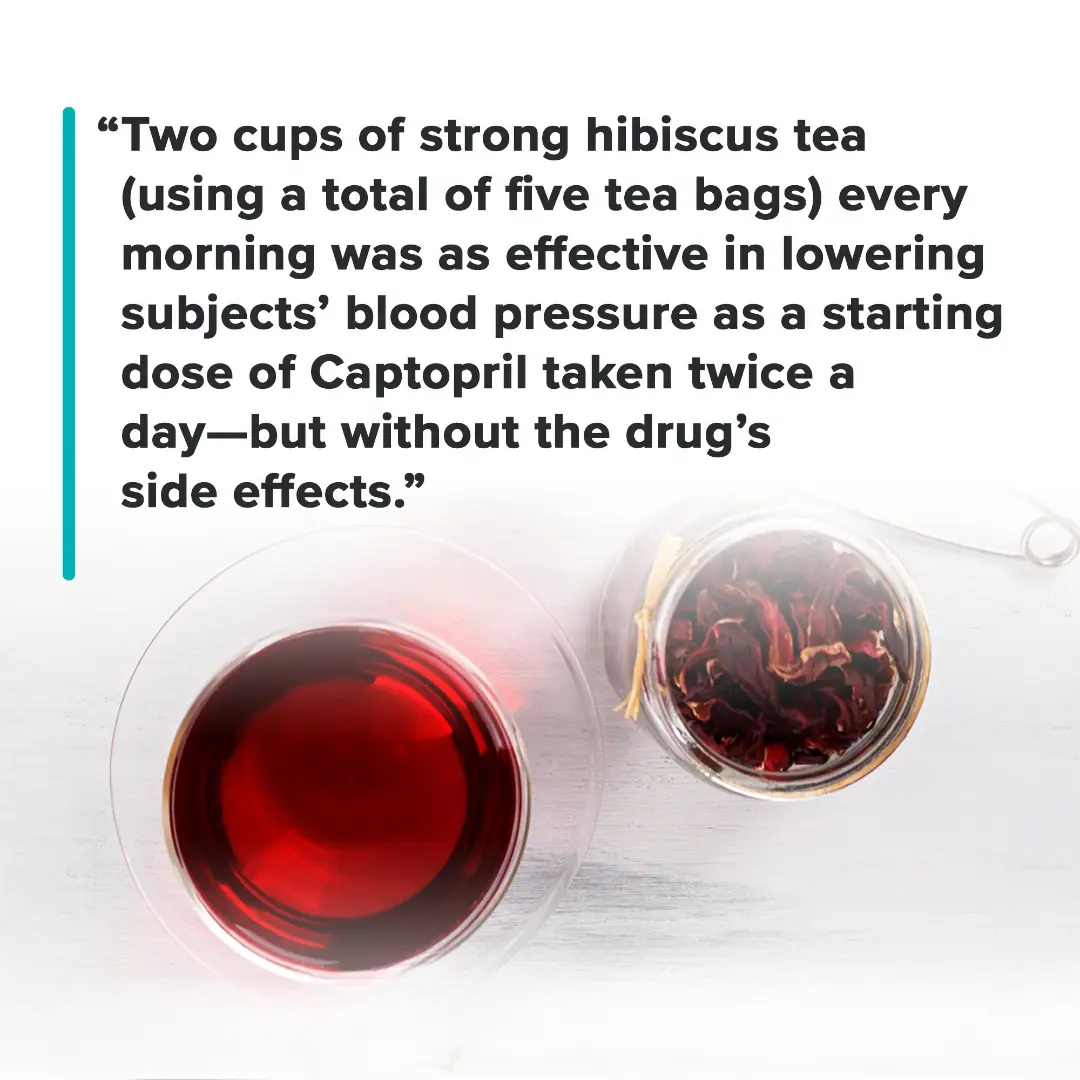
Can Hibiscus Tea Help Lower Blood Pressure? What Science Really Says
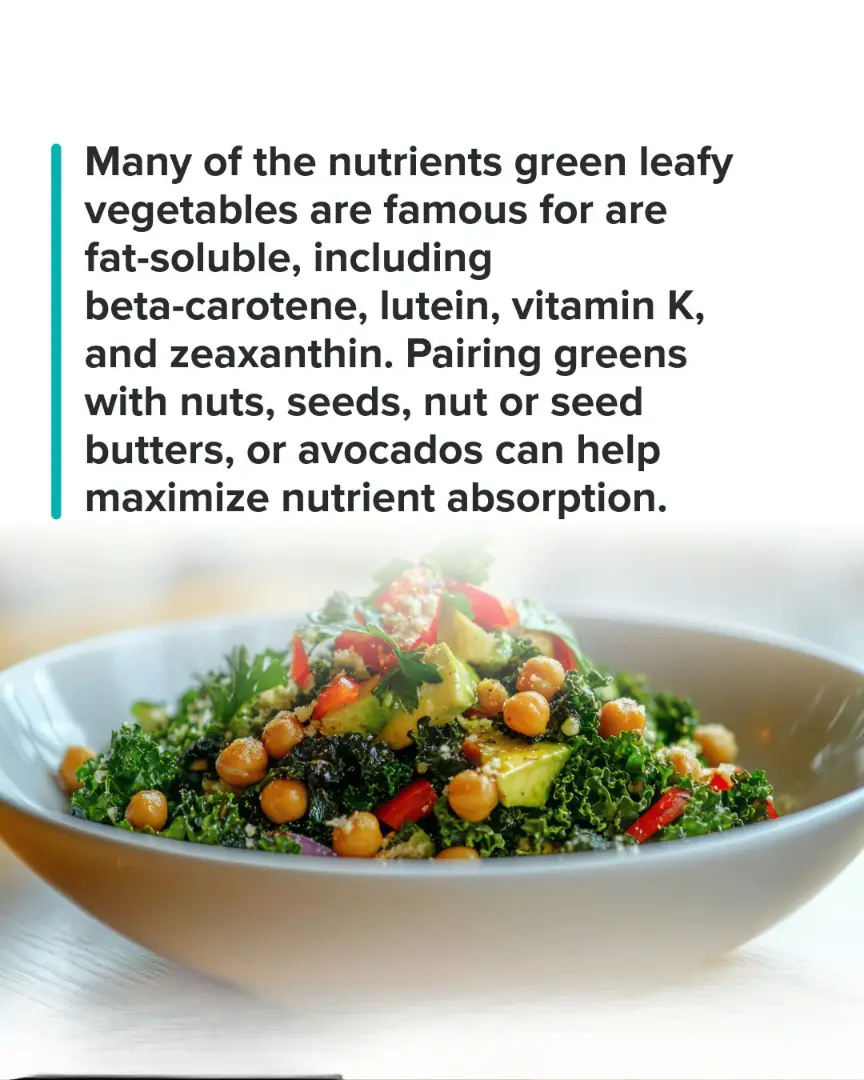
Why Healthy Fats Make Green Leafy Vegetables Even More Nutritious












Can Watermelon Help Reduce Muscle Soreness After Exercise? Here's What Research Reveals
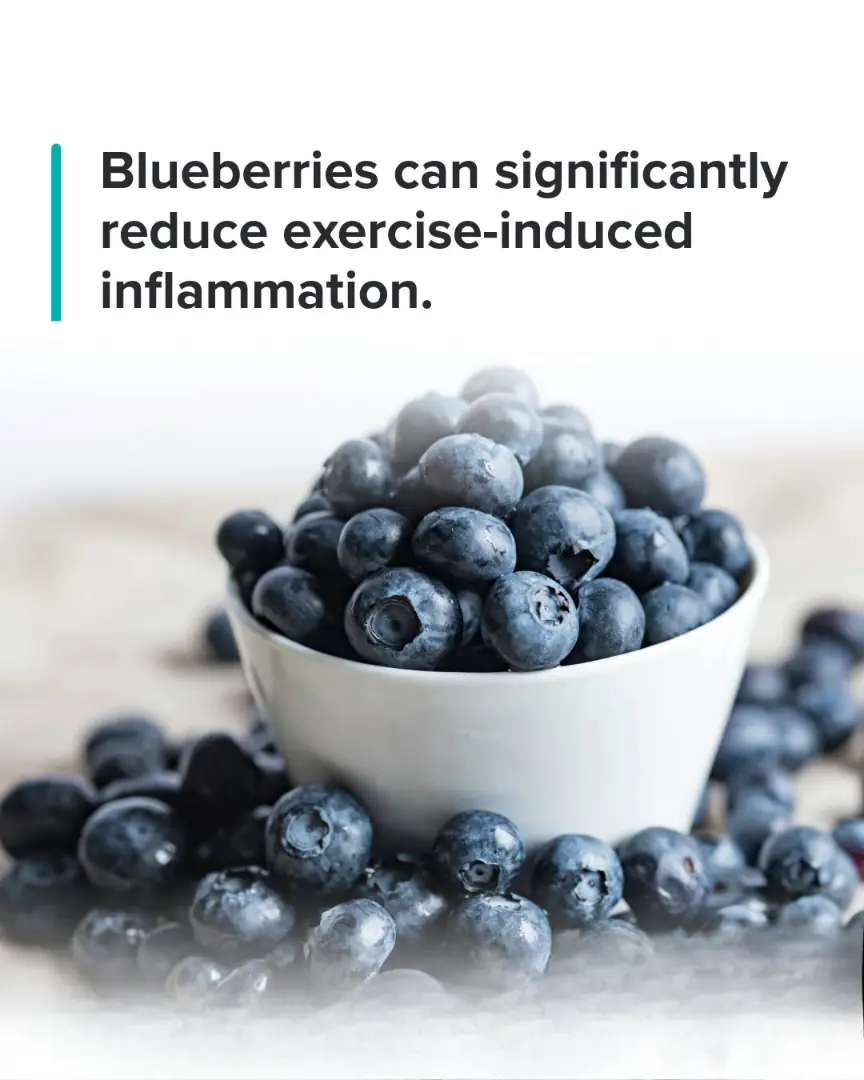
Can Blueberries Help Reduce Exercise-Induced Inflammation? Here's What the Science Says

Why Staying Hydrated Is Essential for Your Mood, Energy, and Overall Health
Can Hibiscus Tea Help Lower Blood Pressure? What Science Really Says
Why Healthy Fats Make Green Leafy Vegetables Even More Nutritious