Can Eating More Fiber Help Lower Breast Cancer Risk? Here's What the Research Says
Can Eating More Fiber Help Lower Breast Cancer Risk? Here's What the Research Says
Health Food 05/07/2026 22:18


 5
5
Have you ever heard the saying, "You are what you eat"? Modern science suggests there's more truth to it than we once realized. The foods you choose every day don't just nourish your body—they also feed the trillions of microorganisms living inside your digestive system, collectively known as the gut microbiome.
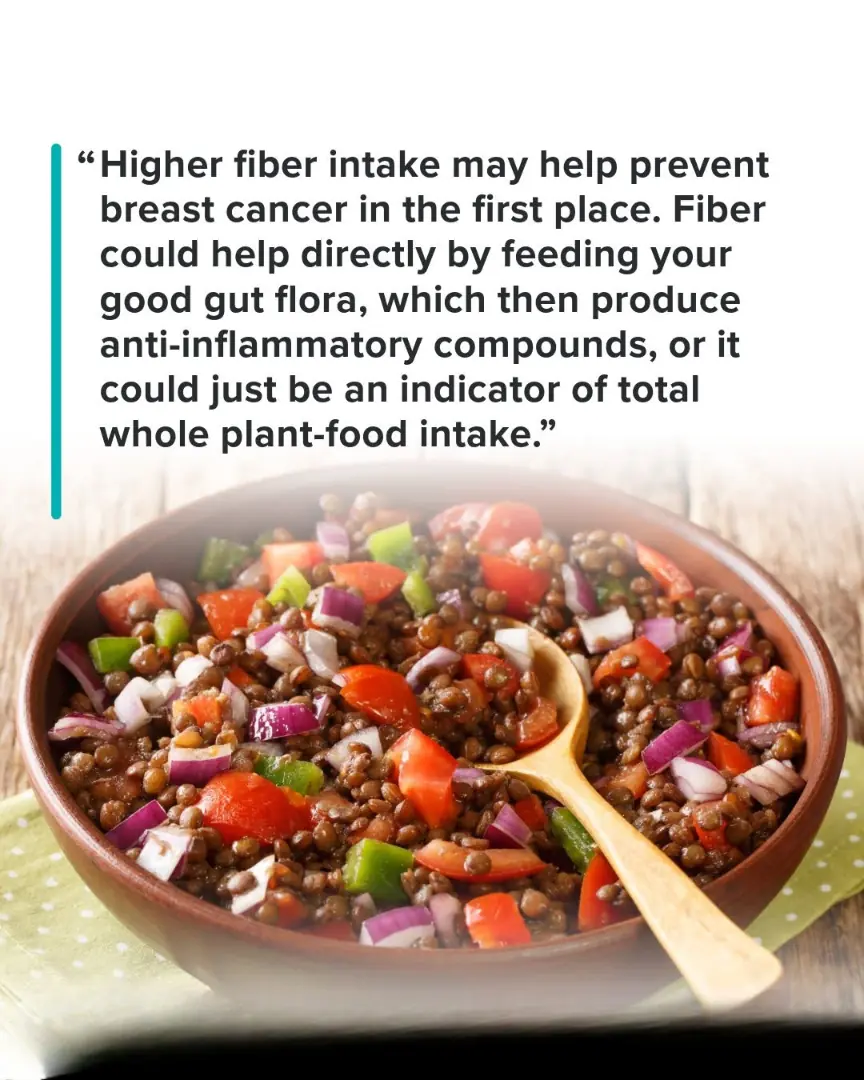
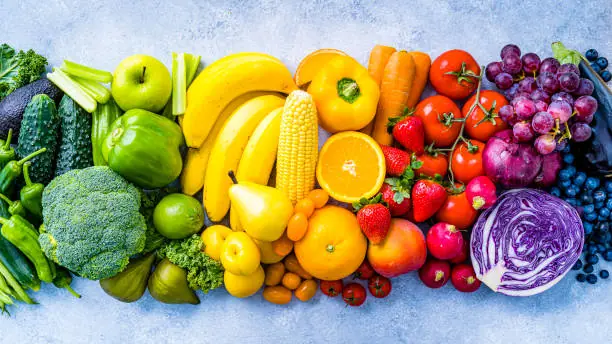
The image above highlights an important concept: the foods we eat influence the types of bacteria that live in our gut, and these bacteria can affect our overall health. Research over the past two decades has shown that the gut microbiome plays an important role in digestion, immunity, metabolism, and even aspects of heart and brain health.
While scientists are still uncovering exactly how these complex interactions work, one message is becoming increasingly clear: a diverse, fiber-rich diet supports a healthier gut ecosystem.
Your digestive tract is home to trillions of microorganisms, including:
Together, they make up the gut microbiome.
Although the idea of bacteria may sound alarming, many of these microorganisms are beneficial. In fact, they help perform functions your body cannot do on its own.
Healthy gut bacteria help:
Each person's microbiome is unique, much like a fingerprint.
Every meal you eat provides fuel—not only for you but also for your gut bacteria.
Some foods encourage the growth of beneficial microbes, while diets high in highly processed foods and low in fiber may reduce microbial diversity.
Research suggests that greater diversity of beneficial gut bacteria is generally associated with better overall health, although scientists continue to study exactly which bacteria are most important.
One of the most important nutrients for your microbiome is dietary fiber.
Unlike many carbohydrates, fiber isn't fully digested in the small intestine. Instead, it travels to the large intestine, where beneficial bacteria ferment it.
This process produces short-chain fatty acids (SCFAs) such as:
These compounds help:
Excellent fiber sources include:


 4
4
Different bacteria thrive on different plant compounds.
Eating a wide variety of colorful plant foods exposes your microbiome to many different types of:
Nutrition experts often encourage aiming for 30 or more different plant foods each week, including fruits, vegetables, legumes, herbs, spices, nuts, seeds, and whole grains.
Greater dietary variety has been associated with a more diverse gut microbiome.
Fermented foods naturally contain beneficial microorganisms or compounds produced during fermentation.
Examples include:
Some studies suggest regularly consuming fermented foods may increase microbial diversity and support immune health.
Not every fermented food contains live bacteria after processing, so reading labels can be helpful.
Ultra-processed foods often contain:
A diet consistently high in these foods may reduce the diversity of beneficial gut bacteria.
Replacing some processed snacks with whole foods is a simple way to support both gut health and overall nutrition.
Polyphenols are natural plant compounds that many gut bacteria can use as fuel.
Good sources include:
These foods may help promote a healthier balance of gut microorganisms while also providing antioxidant benefits.
Scientists continue to discover links between the gut microbiome and many areas of health.
Research suggests healthy gut bacteria may influence:
However, it's important to remember that many of these relationships are complex, and researchers are still determining cause and effect.
The encouraging news is that the gut microbiome is remarkably adaptable.
Positive changes can begin within days or weeks after improving dietary habits.
Simple ways to support gut health include:
✔ Eat more vegetables every day.
✔ Include beans or lentils several times each week.
✔ Choose whole grains over refined grains.
✔ Eat fruit instead of sugary desserts more often.
✔ Include fermented foods if they fit your dietary preferences.
✔ Stay physically active.
✔ Get enough sleep.
✔ Manage stress through healthy coping strategies.
✔ Avoid unnecessary antibiotic use, taking them only when prescribed by a healthcare professional.
Reality: For many healthy people, a varied diet rich in fiber and plant foods is one of the most effective ways to support beneficial gut bacteria. Probiotic supplements may be helpful in certain situations, but they are not necessary for everyone.
Reality: There is no single food that transforms the microbiome overnight. Long-term dietary patterns matter much more than individual foods.
Reality: Most bacteria living in your gut are either harmless or beneficial. Many play essential roles in digestion, immunity, and overall health.
Here are some easy ideas to nourish your microbiome:
Breakfast
Lunch
Snack
Dinner
Dessert
This type of eating pattern provides fiber, healthy fats, antioxidants, and a wide variety of nutrients that support beneficial gut microbes.
The food you eat every day has a powerful influence on your gut microbiome. A diet rich in vegetables, fruits, legumes, whole grains, nuts, seeds, and fermented foods helps nourish beneficial bacteria that support digestion, immune function, and overall health.
While researchers are still uncovering all the ways the microbiome affects disease risk, one message is already well supported: long-term dietary patterns matter far more than any single "superfood" or supplement.
By choosing a wide variety of minimally processed plant foods, staying active, sleeping well, and maintaining other healthy habits, you can help create a thriving gut ecosystem that supports your health for years to come.
Can Eating More Fiber Help Lower Breast Cancer Risk? Here's What the Research Says
Can Diet and Lifestyle Help Prevent Cancer? What the Science Really Says
Can Blueberries Help Reduce Exercise-Induced Inflammation? Here's What the Science Says

Why Staying Hydrated Is Essential for Your Mood, Energy, and Overall Health






13 Surprising Facts About Sweet Potatoes Most People Get Wrong


Can Eating More Fiber Help Lower Breast Cancer Risk? Here's What the Research Says
Can Diet and Lifestyle Help Prevent Cancer? What the Science Really Says