Can Eating More Fiber Help Lower Breast Cancer Risk? Here's What the Research Says
Can Eating More Fiber Help Lower Breast Cancer Risk? Here's What the Research Says
Health Food 05/07/2026 22:18


 5
5
Cancer is one of the leading causes of death worldwide, but many cases are not inevitable. While no diet, supplement, or lifestyle habit can guarantee cancer prevention, research has consistently shown that healthy lifestyle choices can significantly lower the risk of developing several common cancers.
The statement in the image—"Between 30 and 50 percent of the most common cancers might be preventable through diet and lifestyle changes"—is broadly consistent with estimates from organizations such as the World Health Organization (WHO) and the American Institute for Cancer Research (AICR). These estimates reflect the combined effects of avoiding tobacco, maintaining a healthy weight, eating a nutritious diet, staying physically active, limiting alcohol, protecting yourself from excessive sun exposure, and participating in recommended cancer screenings.
Let's explore how everyday habits can help reduce cancer risk.
Cancer develops when cells grow uncontrollably due to changes in their DNA. Some risk factors—such as age, inherited genes, and certain environmental exposures—cannot be changed.
However, many others are modifiable, meaning your daily choices can influence your overall risk.
These include:
Making healthier choices doesn't eliminate risk, but it can reduce the likelihood of developing many cancers over time.
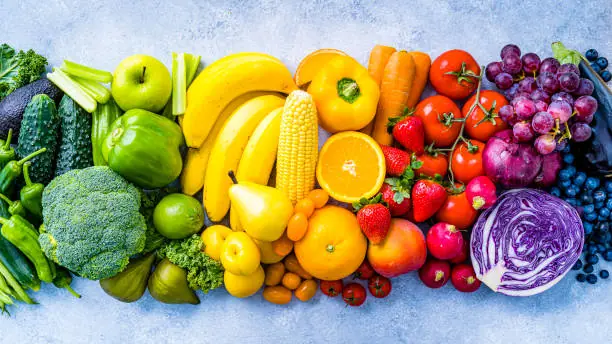
One of the strongest nutrition recommendations for cancer prevention is to eat a diet rich in plant-based foods.
These include:
These foods provide:
Together, these nutrients support overall health and may help protect cells from damage that can contribute to cancer development.
Aim to include colorful produce every day, as different colors provide different beneficial compounds.
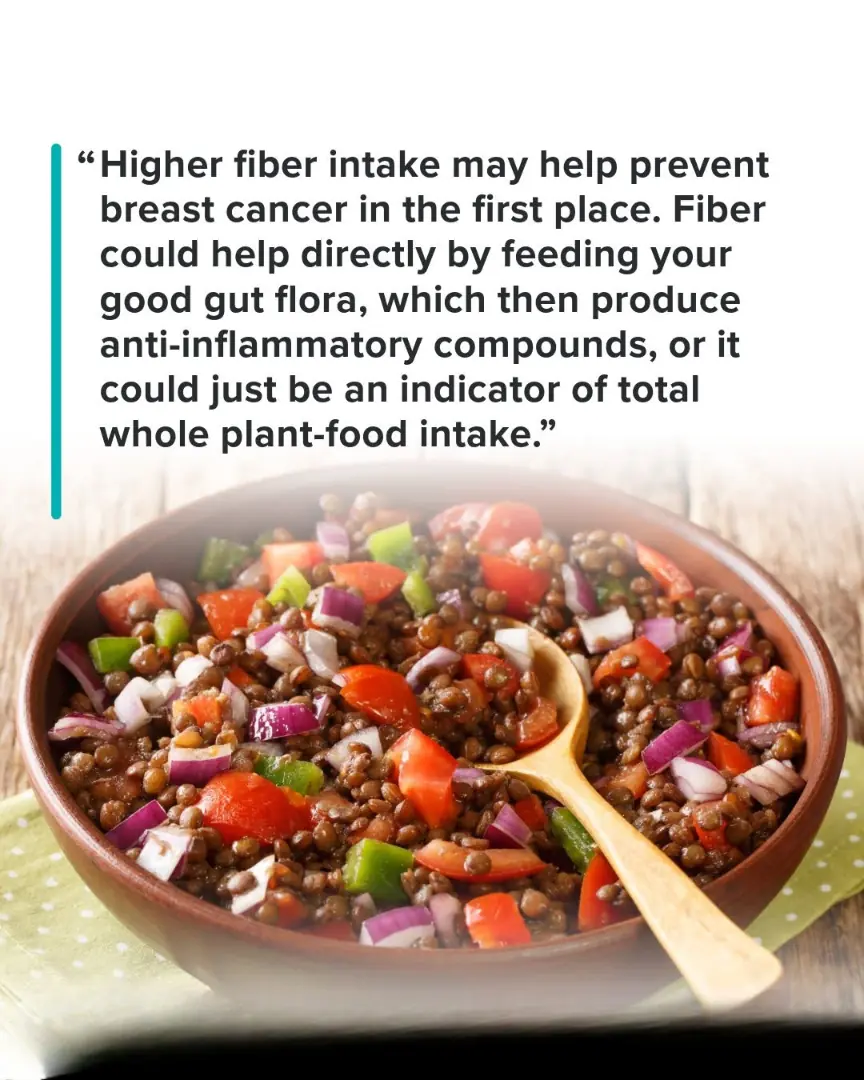
Fiber supports digestive health and feeds beneficial gut bacteria.
Higher fiber intake has been associated with a lower risk of colorectal cancer, one of the most common cancers worldwide.
Good sources include:
Most adults consume far less fiber than recommended.
Research has linked processed meats—such as bacon, sausage, hot dogs, and deli meats—to an increased risk of colorectal cancer.
Eating large amounts of red meat may also increase risk, particularly when consumed frequently over many years.
This doesn't necessarily mean you must eliminate red meat entirely, but moderation is encouraged.
Try replacing some meat-based meals with:


 4
4
Excess body fat has been linked to an increased risk of several cancers, including:
Maintaining a healthy weight through balanced eating and regular physical activity is one of the most effective long-term strategies for reducing cancer risk.
Regular exercise benefits nearly every system in the body.
Experts recommend adults aim for:
Physical activity helps:
All of these may contribute to a lower cancer risk.
If there's one lifestyle change with the greatest impact on cancer prevention, it's not using tobacco.
Smoking is linked to:
Even secondhand smoke increases health risks.
If you smoke, quitting at any age provides meaningful health benefits.
Research shows that alcohol consumption increases the risk of several cancers, including:
The risk generally increases as alcohol intake rises.
If you don't drink alcohol, there is no health reason to start.
Skin cancer is one of the most common cancers, but many cases are preventable.
Reduce your risk by:
Sun protection is important year-round—not just during summer.
Healthy habits reduce risk, but screening helps detect certain cancers early, when treatment is often most effective.
Depending on your age, sex, and personal risk factors, recommended screenings may include:
Talk with your healthcare provider about which screenings are right for you.
One of the biggest myths online is that a single "superfood" can prevent or cure cancer.
The reality is:
❌ No fruit
❌ No vegetable
❌ No supplement
❌ No herbal remedy
has been proven to prevent cancer on its own.
Instead, researchers consistently find that overall dietary patterns matter far more than any individual food.
Eating a variety of nutrient-rich foods over many years has a greater impact than focusing on one ingredient.
You don't need a perfect diet to improve your health.
Simple changes include:
✔ Eating more vegetables at each meal
✔ Choosing whole grains instead of refined grains
✔ Drinking water instead of sugary beverages
✔ Walking for 30 minutes most days
✔ Cooking more meals at home
✔ Limiting highly processed foods
✔ Sleeping 7–9 hours each night
✔ Managing stress through healthy coping strategies
These habits benefit not only cancer prevention but also heart health, diabetes prevention, and overall well-being.
Research suggests that a substantial proportion of common cancers may be preventable through healthy lifestyle choices, but prevention is never guaranteed. Genetics, age, environmental exposures, and other factors also influence cancer risk.
The most effective approach is not to rely on a single food or supplement but to adopt a balanced, plant-rich diet, maintain a healthy weight, stay physically active, avoid tobacco, limit alcohol, protect your skin from excessive sun exposure, and keep up with recommended cancer screenings.
While no lifestyle can eliminate the possibility of cancer, these evidence-based habits can meaningfully reduce risk and support better overall health for years to come.
Can Eating More Fiber Help Lower Breast Cancer Risk? Here's What the Research Says
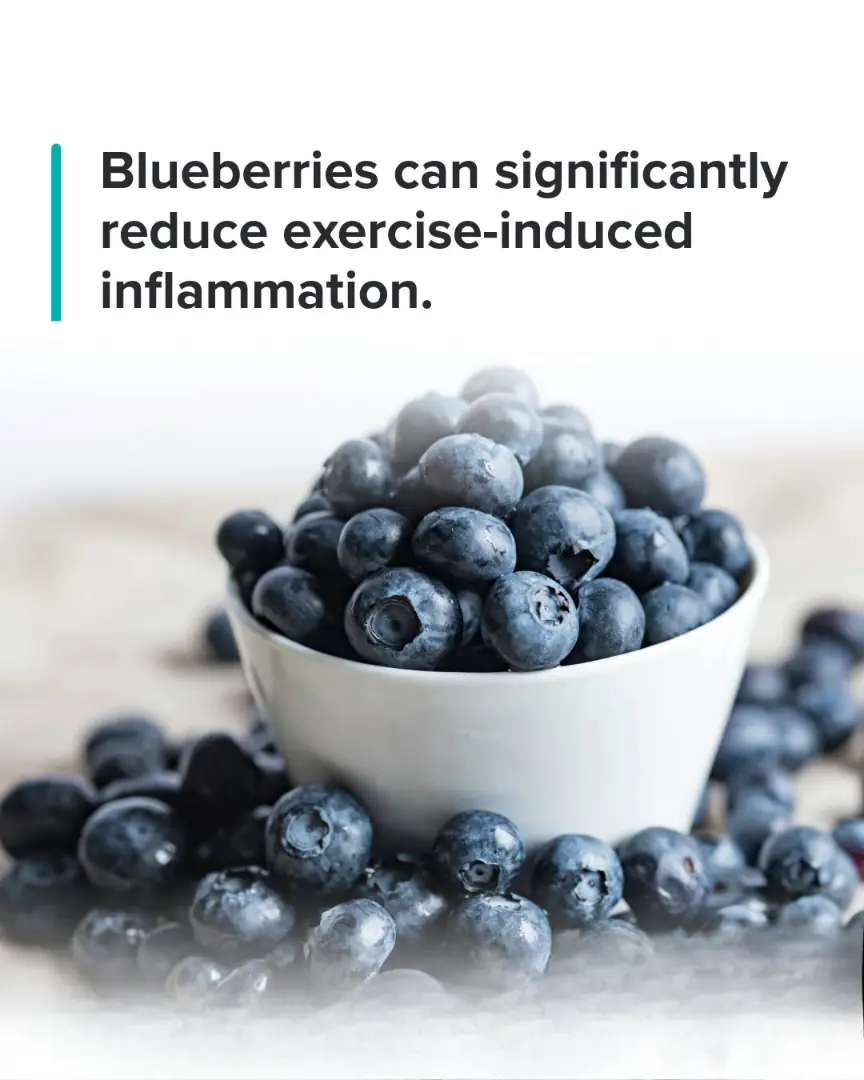
Can Blueberries Help Reduce Exercise-Induced Inflammation? Here's What the Science Says

Why Staying Hydrated Is Essential for Your Mood, Energy, and Overall Health








13 Surprising Facts About Sweet Potatoes Most People Get Wrong



Your Gut Microbiome: How the Foods You Eat Shape Your Health
Can Eating More Fiber Help Lower Breast Cancer Risk? Here's What the Research Says