Can Diet and Lifestyle Help Prevent Cancer? What the Science Really Says
Can Diet and Lifestyle Help Prevent Cancer? What the Science Really Says
Health Food 05/07/2026 22:17


 5
5
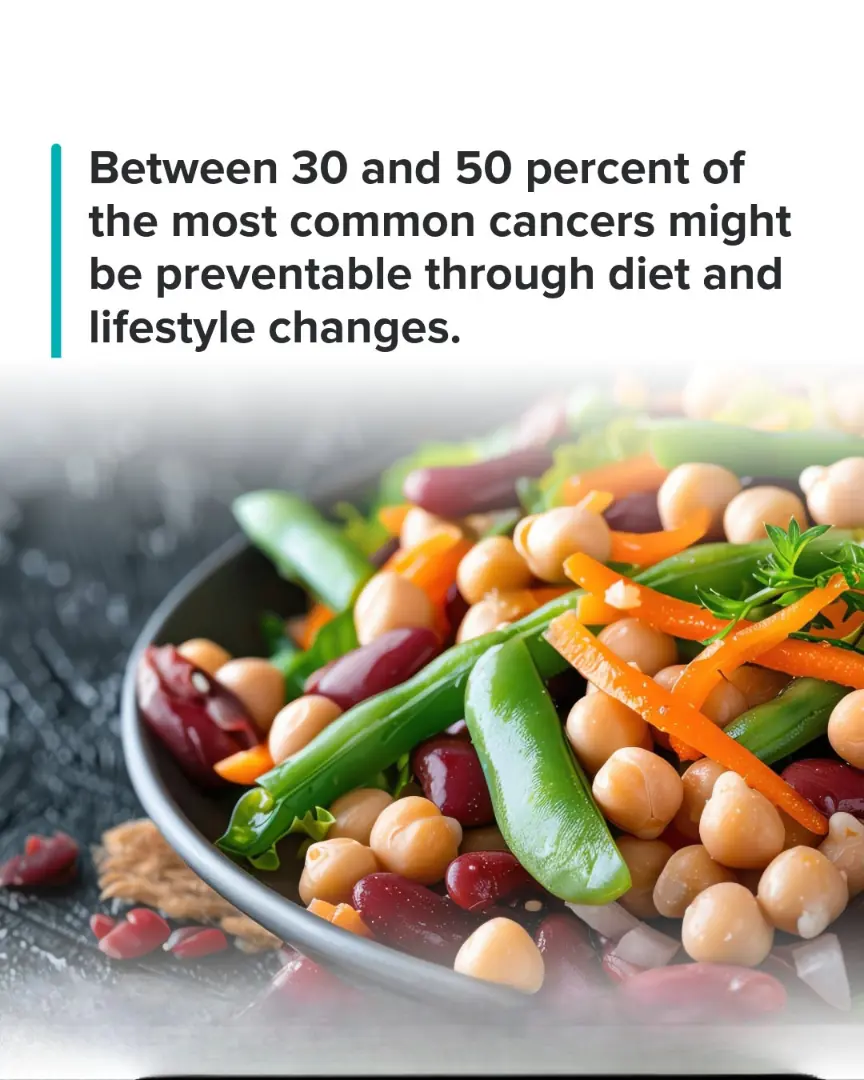
Diet plays an important role in overall health, and researchers continue to investigate how certain eating patterns may influence cancer risk. One area of growing interest is dietary fiber. The image above suggests that higher fiber intake may help prevent breast cancer, possibly by supporting beneficial gut bacteria and reducing inflammation.
This statement reflects findings from several observational studies that have linked higher fiber consumption with a lower risk of breast cancer, particularly when fiber comes from whole plant foods. However, it's important to understand that fiber alone does not prevent cancer, and no single food or nutrient can eliminate cancer risk. Instead, fiber appears to be one piece of a broader healthy lifestyle that supports long-term wellness.
Let's explore what current science tells us.
Dietary fiber is a type of carbohydrate found in plant foods that the body cannot fully digest.
Unlike sugars and starches, fiber passes through the digestive tract largely intact, where it performs several important functions.
There are two main types:
Soluble fiber dissolves in water and forms a gel-like substance.
It may help:
Good sources include:
Insoluble fiber adds bulk to stool and helps food move efficiently through the digestive tract.
It is abundant in:
Most plant foods contain a combination of both types.
Large observational studies have found that women who consume higher amounts of dietary fiber tend to have a slightly lower risk of developing breast cancer compared with those who eat less fiber.
Researchers believe several mechanisms may contribute to this association, although no single explanation has been confirmed.
Importantly, these studies show an association rather than direct proof of cause and effect.
People who eat more fiber often also:
All of these factors may also reduce cancer risk.
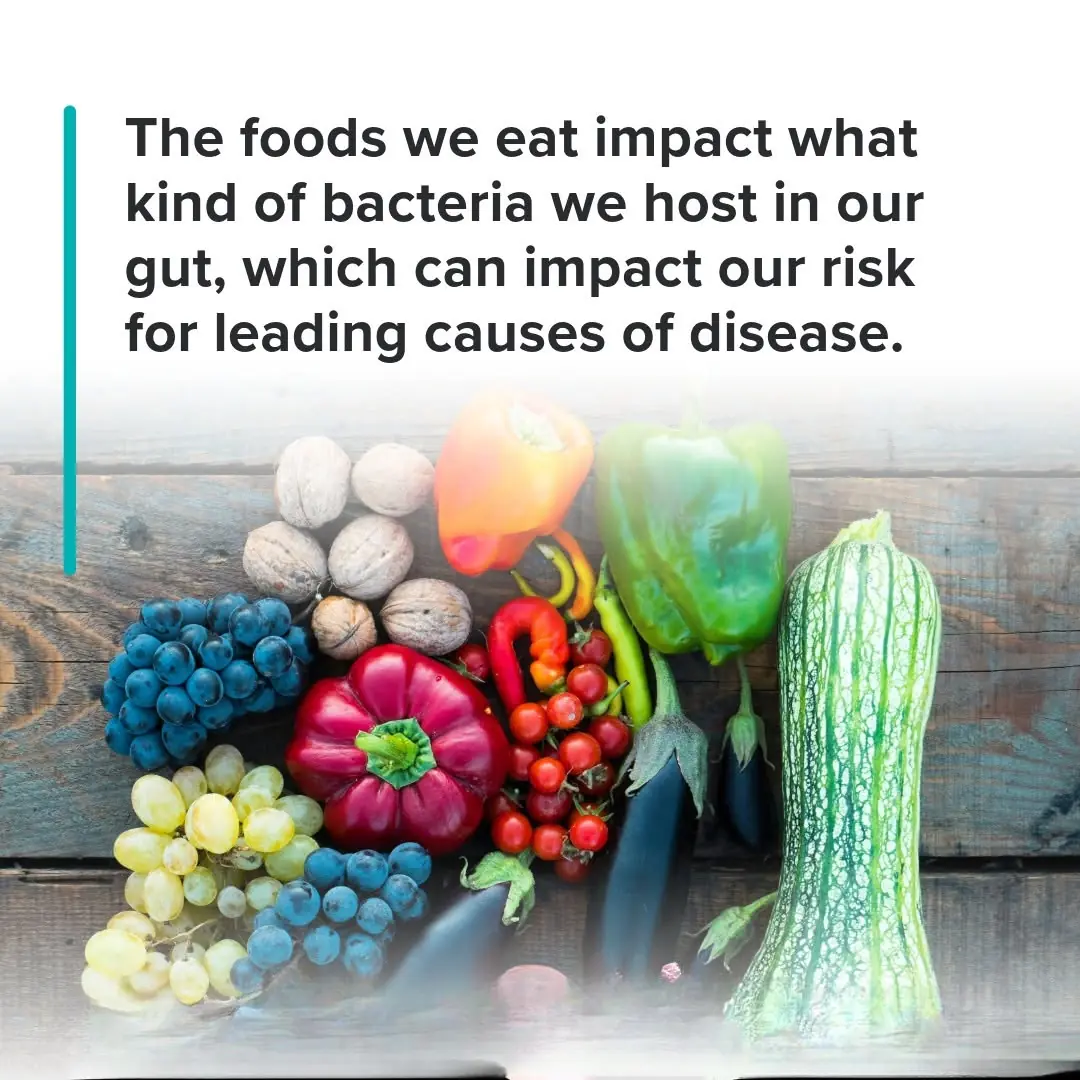
Your digestive system contains trillions of beneficial bacteria collectively known as the gut microbiome.
Fiber acts as food for many of these helpful microbes.
When bacteria ferment fiber, they produce short-chain fatty acids, including:
These compounds help maintain the intestinal lining and may have anti-inflammatory effects.
Scientists are actively studying how the gut microbiome may influence overall immune health and cancer risk.
Some forms of breast cancer are influenced by estrogen.
Fiber may help the body eliminate excess estrogen through the digestive tract, potentially lowering circulating estrogen levels.
Although this mechanism is biologically plausible, researchers continue to investigate how much it contributes to reducing breast cancer risk.


 4
4
Fiber-rich foods are generally filling while being relatively low in calories.
Eating enough fiber may help:
Maintaining a healthy weight is itself associated with a lower risk of several cancers, including postmenopausal breast cancer.
Many fiber-rich foods also contain:
A dietary pattern rich in these nutrients may help reduce chronic inflammation, which has been linked to many chronic diseases.
However, inflammation is only one of many factors involved in cancer development.
Rather than relying on supplements, experts generally recommend getting fiber from whole foods, which provide many additional nutrients.
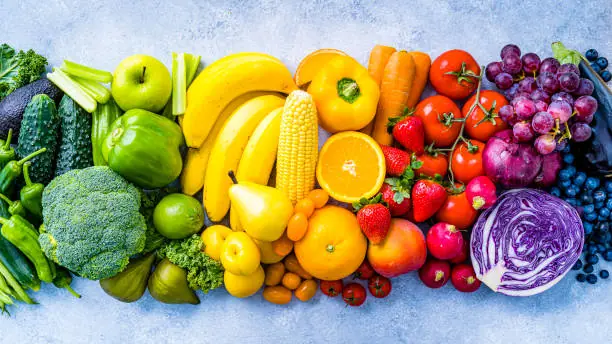
Excellent choices include:
Eating a wide variety of plant foods helps provide different types of fiber and beneficial plant compounds.
General recommendations suggest adults aim for approximately:
Many people consume considerably less than these amounts.
If you're increasing your fiber intake, do so gradually and drink plenty of water to reduce the likelihood of gas or bloating.
No single nutrient can prevent cancer.
Evidence suggests that reducing cancer risk involves a combination of healthy habits, including:
Together, these lifestyle factors may have a much greater impact than focusing on one food or nutrient.
Reality: Higher fiber intake is associated with a lower risk in many studies, but fiber cannot guarantee cancer prevention.
Reality: Supplements may help increase fiber intake, but whole plant foods also provide vitamins, minerals, antioxidants, and phytochemicals that work together to support health.
Reality: Extremely high fiber intake may cause digestive discomfort in some people. Balance and variety are key.
✔ Add beans or lentils to soups and salads.
✔ Choose oatmeal instead of sugary breakfast cereals.
✔ Replace white bread with whole-grain bread.
✔ Snack on fruit instead of processed sweets.
✔ Include vegetables at every meal.
✔ Sprinkle chia or ground flaxseed onto yogurt or oatmeal.
✔ Try meatless meals featuring legumes several times each week.
Small, consistent changes often make the biggest difference over time.
Research suggests that higher dietary fiber intake is associated with a lower risk of breast cancer, although fiber is not a guaranteed preventive measure. The benefits likely reflect a combination of factors, including support for a healthy gut microbiome, potential effects on hormone regulation, improved weight management, and the overall advantages of eating more whole plant foods.
Rather than focusing on fiber alone, aim for a balanced diet rich in vegetables, fruits, legumes, whole grains, nuts, and seeds, along with regular physical activity and other healthy lifestyle habits. These evidence-based choices can support not only breast health but also heart health, digestive health, and overall well-being throughout life.
Can Diet and Lifestyle Help Prevent Cancer? What the Science Really Says
Can Blueberries Help Reduce Exercise-Induced Inflammation? Here's What the Science Says

Why Staying Hydrated Is Essential for Your Mood, Energy, and Overall Health






13 Surprising Facts About Sweet Potatoes Most People Get Wrong



Your Gut Microbiome: How the Foods You Eat Shape Your Health
Can Diet and Lifestyle Help Prevent Cancer? What the Science Really Says