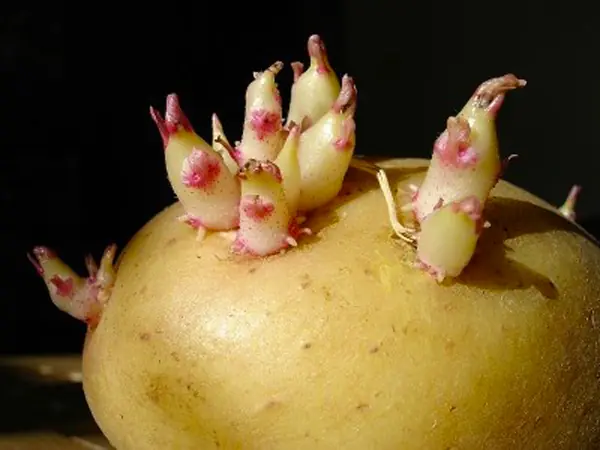
What You Should Know About the Health Risks of Sprouting Potatoes
What You Should Know About the Health Risks of Sprouting Potatoes
Health 06/03/2026 10:39

Originating in South America, cassava is both a plant and a well-known food, but it also comes with significant risks. The plant’s stems, peel, and leaves are toxic and can produce hydrogen cyanide, making it potentially fatal if consumed improperly.
The World Health Organization (WHO) reports that around 200 people die annually from eating improperly prepared cassava. This is why it has earned the grim title of the “world’s deadliest food.”
The WHO explains: “Cassava tubers contain varying amounts of cyanogenic glucosides that serve as a defense against animals and insects. When these glucosides are not processed correctly, cassava can release cyanide, leading to high dietary cyanide exposure.”
Such dangerous exposure is especially prevalent during times of famine and war. Cyanide poisoning from cassava is linked to several severe diseases, including konzo.
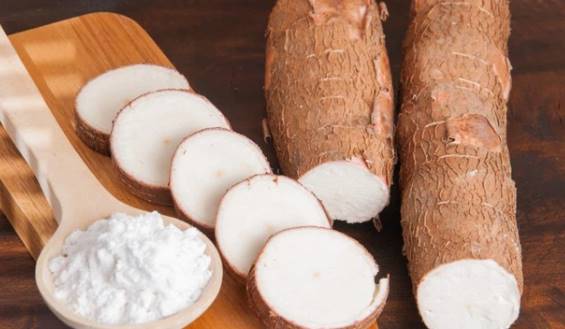
Konzo is a debilitating, irreversible condition marked by sudden paralysis in the legs, which is often a result of consuming bitter cassava, particularly when combined with a low-protein diet. This condition is most commonly found in regions suffering from extreme poverty, where it can occur sporadically or in epidemics.
Despite its deadly reputation, millions of people continue to eat cassava every day without issue. This raises the important question: how can you make sure that cassava is safe to eat?
The key lies in proper preparation. Ensuring cassava is safe involves a lengthy process, including soaking the plant for up to 24 hours to remove harmful toxins.
In Venezuela, for example, people were consuming cassava in its dangerous form because they relied on salty foods to survive during times of food scarcity, as reported by El País.
While cassava remains a critical food source for many, understanding and practicing safe preparation methods can make it a nourishing and safe part of the diet. As awareness spreads about the risks associated with cassava, the methods for properly processing it are becoming more widely practiced, reducing the dangers of poisoning.
What You Should Know About the Health Risks of Sprouting Potatoes

Doctor Reveals the Hidden Danger of Leftover Rice — and It’s Giving People a “New Fear.”
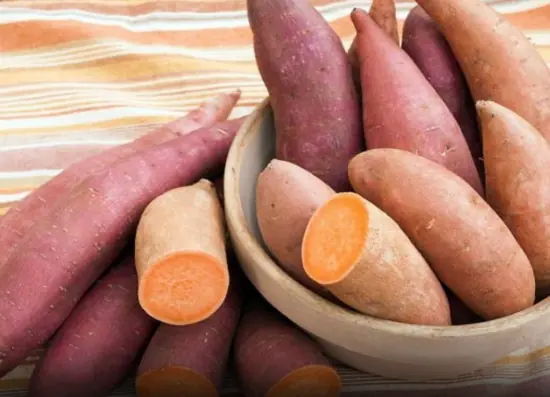
Sweet potatoes are a staple food of the autumn-winter season, with heaps pulled from the ground and placed on our family tables.
Viral ‘BeanTok’ Gut Health Claims Raise Questions — Experts Explain

5 types of food that shouldn't be left overnight
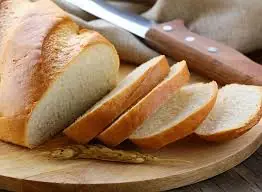
Thinking of Quitting Bread? Here’s What You Should Expect
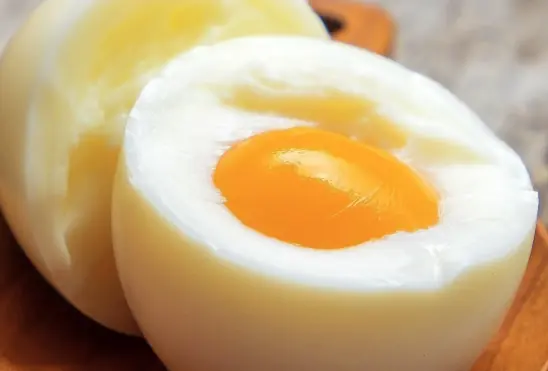
Chicken eggs contain various types of protein that can trigger allergies, especially in the egg white.
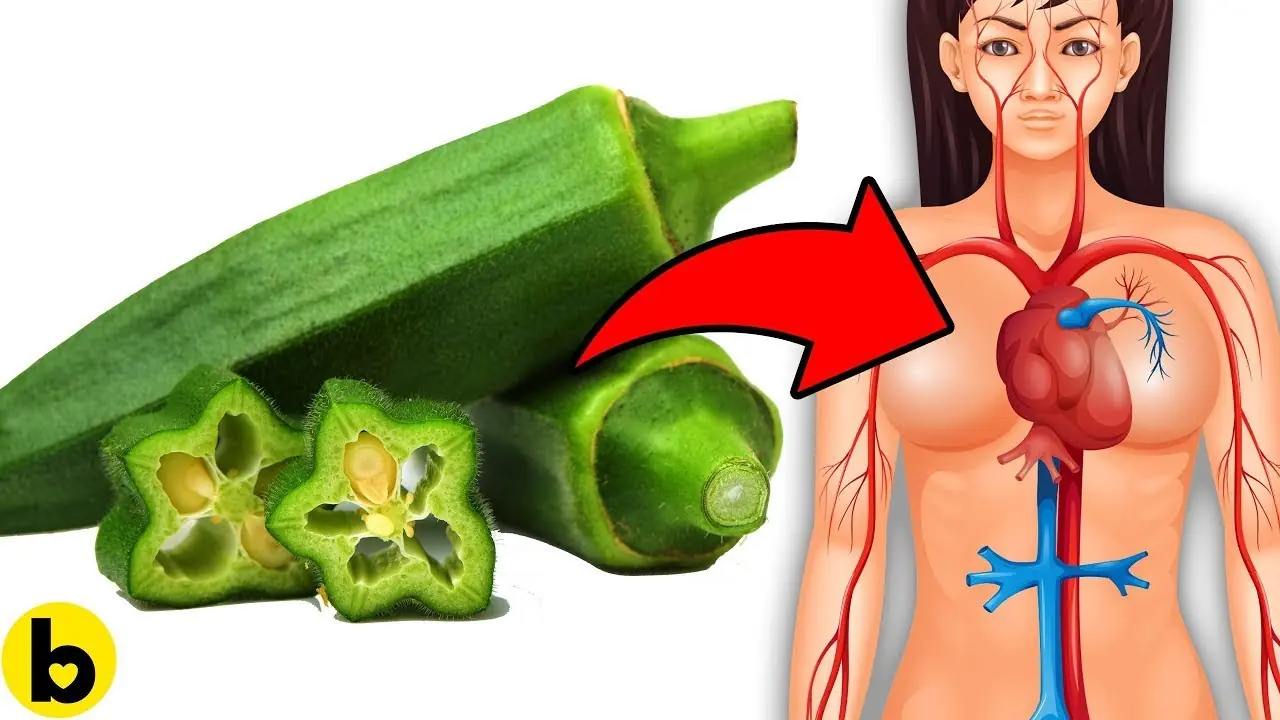
9 Amazing Benefits Of Okra Water To Females Sexually
What Happens If You Eat Too Many Bamboo Shoots?
Why Is Your Tongue White? What It Says About Your Health
What Eating Carrots Does to Your Body (Backed by Science)
3 Intimate Habits of Husbands That May Increase Their Wives’ Risk of Cervical Cancer — What Every Couple Should Know
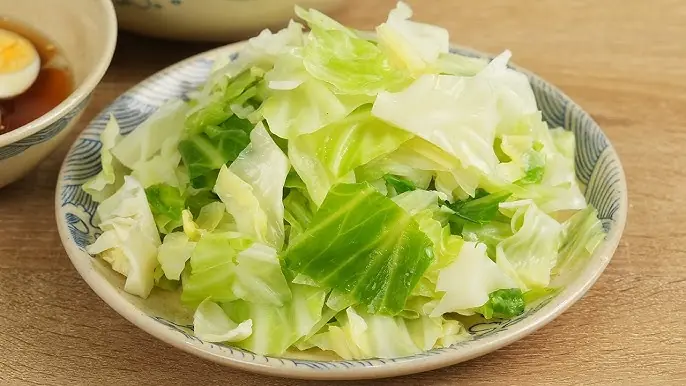
While cabbage offers impressive health benefits, these four groups should think twice before adding it to their plate.
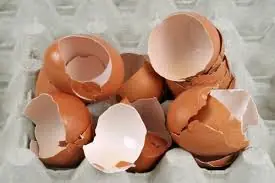
From Kitchen Scraps to Smart Savings: Why You Should Boil Eggshells
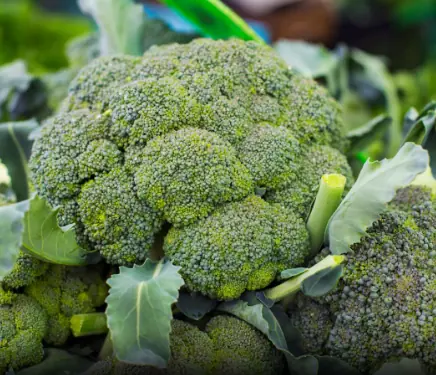
Broccoli has earned its place as one of the healthiest vegetables on the planet — and for good reason.
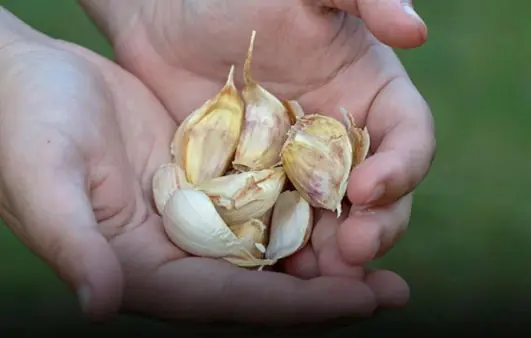
A 58-year-old ate one raw garlic clove every morning for six months — what happened next sho:cked him
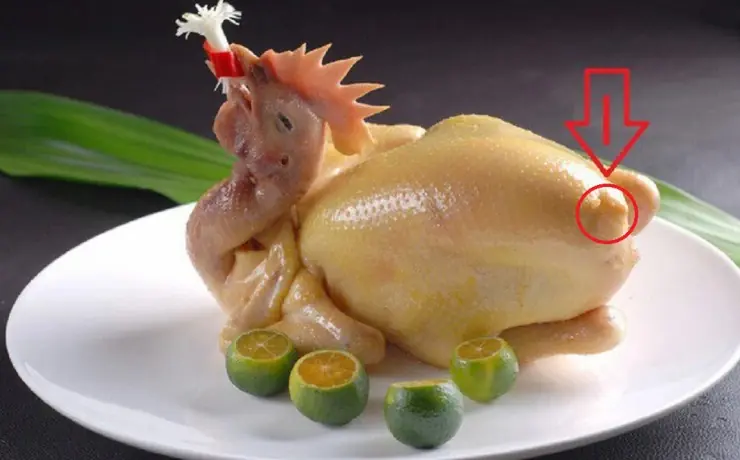
A Smarter Way to Eat Chicken: Parts to Limit or Avoid
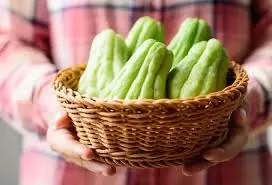
Chayote: The Green Veggie That Packs a Healthy Punch
What You Should Know About the Health Risks of Sprouting Potatoes




Doctor Reveals the Hidden Danger of Leftover Rice — and It’s Giving People a “New Fear.”

Sweet potatoes are a staple food of the autumn-winter season, with heaps pulled from the ground and placed on our family tables.