
What Happens If You Eat Too Many Bamboo Shoots?
What Happens If You Eat Too Many Bamboo Shoots?
Health 04/03/2026 11:44
Carrots are a nutritious, convenient and versatile root vegetable. They contain many vitamins, minerals, fiber and phytochemicals linked to bone and eye health, lowered cholesterol levels and reduced cancer risk.
1. Good for Eye Health
Carrots provide ample amounts of beta-carotene and other carotenoids known to protect eye health. Lutein and zeaxanthin can filter short-wavelength light and act as antioxidants. Studies show that diets high in lutein and zeaxanthin are associated with a lower risk of age-related macular degeneration (AMD).
2. Supports Bone Health
Carrots contain potassium and vitamin K, two essential nutrients for bone health. Consuming foods rich in potassium may help preserve bone tissue through acid-base balance. Vitamin K has also been studied for its role in protecting bone health.
3. Improves Digestive Health
Carrots contain fiber, the indigestible part of plants that helps keep your bowels regular and supports gut health. The fiber in carrots acts as a prebiotic, feeding beneficial gut bacteria. High-fiber diets improve the balance of gut bacteria and are associated with a reduced risk of colon cancer.
4. Reduces Risk of Cancer
Experts recommend eating carrots regularly due to their rich supply of carotenoids, which act as antioxidants. Limited evidence suggests that a diet rich in carotenoids is associated with lower levels of certain cancers. Some studies indicate compounds in carrots may help create an environment less supportive of cancer growth and may decrease cancer cell growth. However, more human research is needed. Carrots are also rich in polyphenols, phenolic acids and polyacetylenes such as falcarinol, which have antioxidant and anti-inflammatory properties.
5. Lowers Blood Cholesterol
Diet plays an important role in cholesterol levels. Carrots contain antioxidants and fiber, both important for heart health. Antioxidants like beta-carotene may help lower inflammation, while high-fiber diets are recommended to help reduce cholesterol.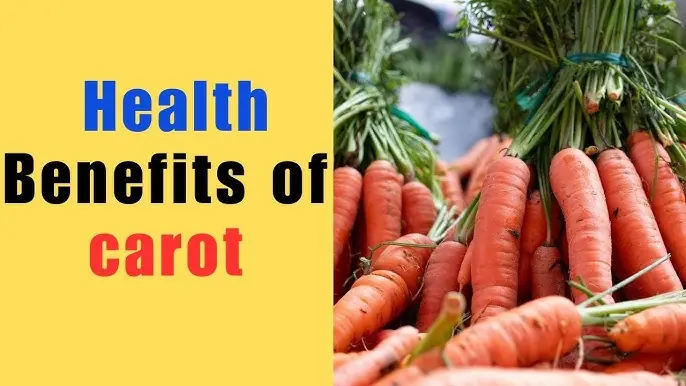
6. Aids in Weight Loss Efforts
Creating a calorie deficit can support weight loss. Due to their high nutrient content and low calorie count, carrots are a great addition to a weight loss or maintenance plan. When eaten raw, their crunchy texture may also increase feelings of fullness because they take longer to consume.
7. Helps Control Diabetes
Carrots are a non-starchy vegetable and can be included in a diabetes-friendly diet. They contain beta-carotene, and some research suggests that higher intakes of beta-carotene are associated with a reduced risk of diabetes.
8. Supports Immune Function
Carrots contain provitamin A (beta-carotene) and vitamin C, two essential vitamins for a healthy immune system. Some studies suggest carrot juice may produce a short-term immune response, possibly due to specific compounds in carrots.
9. Promotes Healthy Teeth and Gums
Some research suggests carotenoids may help prevent gum disease due to their anti-inflammatory properties. However, more research is needed.
10. Improves Skin Health
Vitamin C supports collagen production, which affects skin elasticity. Carrot pigments may promote a healthy glow and offer some protection against harmful ultraviolet rays. Excessive beta-carotene intake can lead to carotenemia, causing temporary skin discoloration that usually resolves when intake is reduced.
Nutrition in One Medium Raw Carrot (61 g)
Calories: 25
Fat: 0 g
Carbohydrates: 6 g
Fiber: 1.5 g
Sugars: 2.9 g
Protein: 0.5 g
Sodium: 42 mg
Potassium: 195.2 mg
Vitamin A: 509 mcg
Vitamin C: 3.6 mg
Vitamin K: 8 mcg
Beta-carotene: 5053.8 mcg
How to Choose and Store Carrots
When buying fresh carrots, choose ones that are well-shaped, smooth, firm and crisp with deep color and fresh green tops. Avoid wilted, soft or split carrots. Store them in the refrigerator for up to two weeks in a plastic bag or tightly sealed container with the tops removed.
Baby Carrots vs Regular Carrots
Baby carrots are minimally processed from larger carrots, cut, peeled and shaped into snack-size pieces. They are convenient, reduce food waste and help increase vegetable intake because they require no preparation.
Who Should Be Careful With Carrots?
People with birch pollen allergies may also react to carrots, especially raw carrot juice, which can cause oral allergy symptoms such as itching around the lips, mouth and tongue.
Individuals with gastrointestinal disorders may need to increase fiber intake gradually to avoid gas and bloating.
Like other root vegetables, carrots may be exposed to contaminants, but washing, peeling and cooking typically reduce residue levels.
What Happens If You Eat Too Many Bamboo Shoots?
Why Is Your Tongue White? What It Says About Your Health
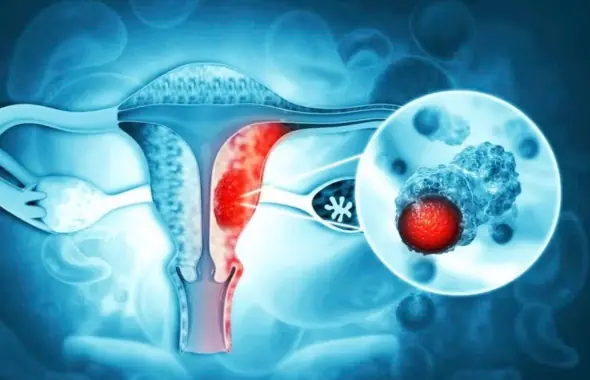
3 Intimate Habits of Husbands That May Increase Their Wives’ Risk of Cervical Cancer — What Every Couple Should Know

While cabbage offers impressive health benefits, these four groups should think twice before adding it to their plate.

From Kitchen Scraps to Smart Savings: Why You Should Boil Eggshells
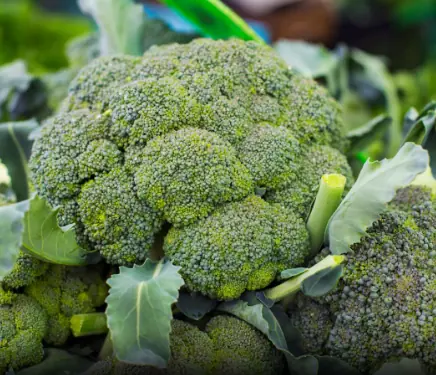
Broccoli has earned its place as one of the healthiest vegetables on the planet — and for good reason.

A 58-year-old ate one raw garlic clove every morning for six months — what happened next sho:cked him

A Smarter Way to Eat Chicken: Parts to Limit or Avoid

Chayote: The Green Veggie That Packs a Healthy Punch

Don’t let their reputation fool you — gizzards aren’t scraps. They’re nutrient-dense superfoods.

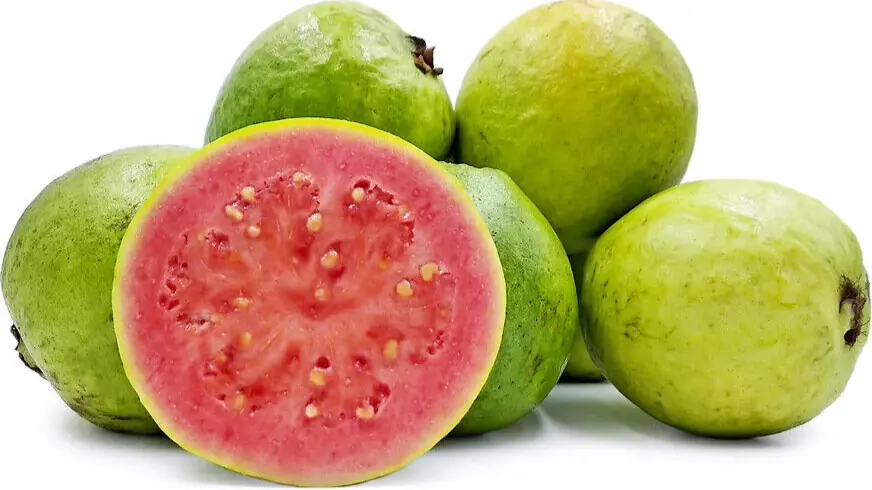
The Daily Guava Habit: What Experts Say It Does for Your Body

The Power of Steamed Ginger: Boost Immunity, Warm Your Body, and Combat Colds Naturally

Eating Cassava Regularly? Here’s What Doctors Say May Happen
7 Days, 1 Superfood: What Happened When I Ate Kale Every Day

Daily pine nuts may offer surprising health benefits for your body.

Often called a “superfood,” the winged bean has been gaining attention from doctors and nutritionists for its impressive range of health benefits.

The Truth About Coconut Water: 12 Things You Should Know

Health Expert Shares: The Real Impact of Macadamia Nuts on Your Body

What Happens If You Eat Too Many Bamboo Shoots?





Why Is Your Tongue White? What It Says About Your Health







3 Intimate Habits of Husbands That May Increase Their Wives’ Risk of Cervical Cancer — What Every Couple Should Know