Potatoes are rich in starch, which the body can easily burn to produce energy. However, you should not cook potatoes if you notice that they have gone bad. Spoiled potatoes contain the neurotoxin solanine.
Eating too many spoiled potatoes can threaten your health, and below are some signs that potatoes may have gone bad:
1. Wrinkled or wilted potatoes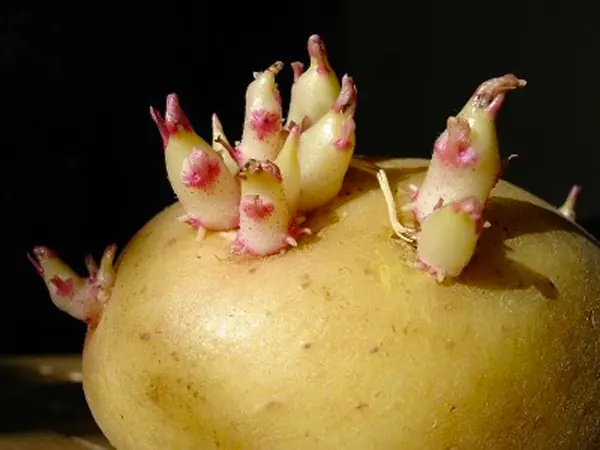
People often buy potatoes in large quantities to use over a long period of time. However, it is important to note that potatoes kept for too long can become harmful to the body. When stored for a long time, the skin may become wrinkled and the potato may feel soft.
In addition, potatoes exposed to sunlight for long periods can accelerate the production of solanine, which can be harmful to you.
2. Sprouting potatoes
Many people wonder whether they should use or discard sprouted potatoes. Potato sprouts contain high levels of solanine and chaconine, two glycoalkaloid toxins that can harm the nervous system.
Sprouting occurs more quickly when potatoes are organic and have not been chemically treated. Currently, there are two situations when potatoes sprout: one is when the potato is still fresh, and the other is when the potato has already become wilted and soft.
If a potato is still fresh but has sprouted, you can easily cut off the sprouts and the potato will retain most of its nutritional value. However, if the potato has already become wilted, the best option is to discard it.
3. Green-colored potatoes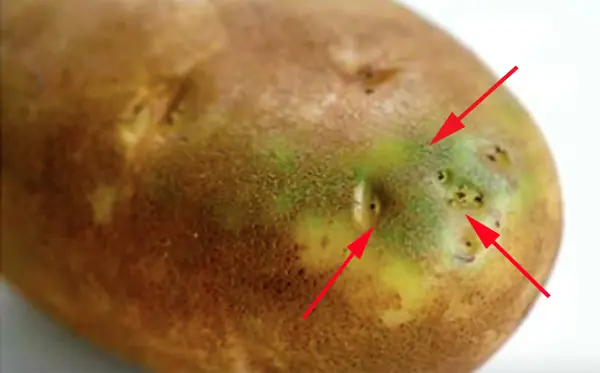
Green potatoes are those that have been exposed to light, which increases the concentration of solanine. However, you can sometimes still use these potatoes by cutting away the green portions and cooking the remaining part.
So how dangerous are sprouted potatoes?
In reality, if you eat sprouted potatoes, the risk of poisoning is quite high. If consumed in small amounts, the toxins solanine and chaconine in potatoes can cause mild digestive problems such as stomach pain, vomiting, and diarrhea.
In more severe cases, they can lead to serious neurological issues and major digestive distress, including delirium, recurrent fever, hallucinations, headaches, hypothermia, paralysis, and slowed breathing.
Symptoms of poisoning may last from one to three days. Some people may require hospitalization, and in rare cases, deaths have occurred due to poisoning from sprouted potatoes.
According to a report once published by The New York Times, an adult weighing 45 kg suffered severe poisoning and died after consuming about 450 grams of green potatoes.
Similarly, in 1899, 56 German soldiers were poisoned after consuming potatoes containing about 0.24 mg of solanine from sprouted potatoes. This shows that whether the amount of toxin is small or large, sprouted potatoes are not good for your health.
For this reason, when people notice potatoes starting to sprout—even if the sprouts are just beginning to appear—they often remove the sprouts or the green parts before cooking. However, the safest choice is not to take the risk and simply discard them.
Some important tips to keep in mind:
– Choose potatoes with a yellowish color rather than pale white ones. Potatoes that feel heavy, firm, and have smooth, unblemished skin are usually fresher and better.
– Do not store potatoes in places with direct light and avoid keeping them for more than 12 days. If you notice green spots when peeling potatoes, cut them away.
– To reduce the risk of poisoning, soak potatoes in lightly salted water for a few hours before cooking, and add a little vinegar during cooking to help reduce toxins.
– However, if the potatoes taste bitter, do not try to save them—discard them immediately.