Why Adding Healthy Fats to Vegetables Helps Your Body Absorb More Nutrients
Vegetables are often celebrated as nutritional powerhouses — rich in vitamins, minerals, fiber, and protective plant compounds. Many people focus on eating more greens, cruciferous vegetables, or colorful produce to support their health. But there is one detail that often goes unnoticed:
Some of the most valuable nutrients in vegetables are fat-soluble — meaning your body absorbs them far better when fat is present. Understanding this simple principle can quietly transform the nutritional impact of your meals.
What Does “Fat-Soluble” Actually Mean?
Certain vitamins dissolve in fat rather than water. The primary fat-soluble vitamins include:
Vitamin A
Vitamin D
Vitamin E
Vitamin K
In addition, many antioxidants such as carotenoids — found in carrots, spinach, bell peppers, and tomatoes — follow similar absorption pathways. Without dietary fat, these nutrients may pass through the digestive system with reduced uptake.
Think of fat as a transport vehicle. It helps escort these compounds across the intestinal wall and into circulation, where the body can use them.
Real-Life Example: The Salad Paradox
Imagine eating a large bowl of plain salad with no dressing — just lettuce, tomatoes, cucumbers, and shredded carrots.
It feels incredibly healthy.
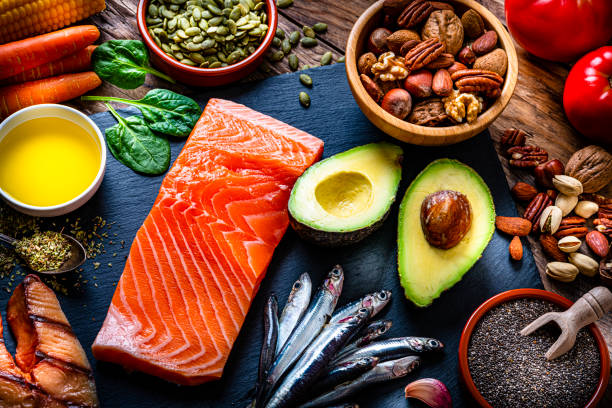
But studies suggest that adding even a small amount of fat — such as olive oil or avocado — can significantly increase carotenoid absorption compared to eating vegetables alone.
In other words, a lightly dressed salad may provide more usable nutrition than a fat-free one.
How Much Fat Is Enough?
You don’t need heavy sauces or large portions. Even modest amounts can support absorption.
Practical additions include:
A drizzle of olive oil
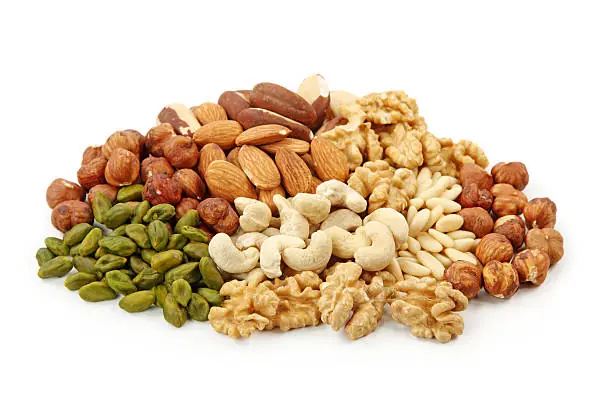
A handful of nuts or seeds
Sliced avocado
Tahini-based dressing
Yogurt-based sauces
The goal is balance — enhancing nutrient availability without overwhelming the meal.
Cooking Can Help Too
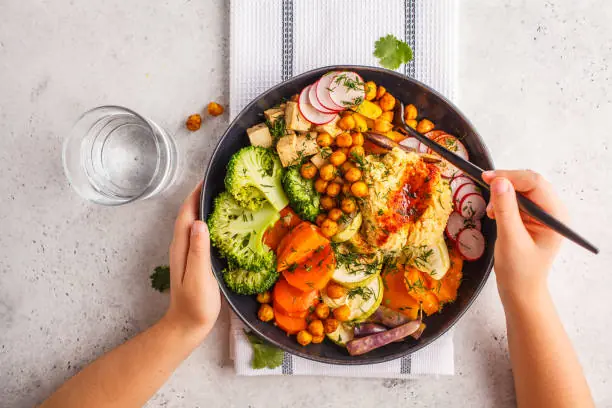
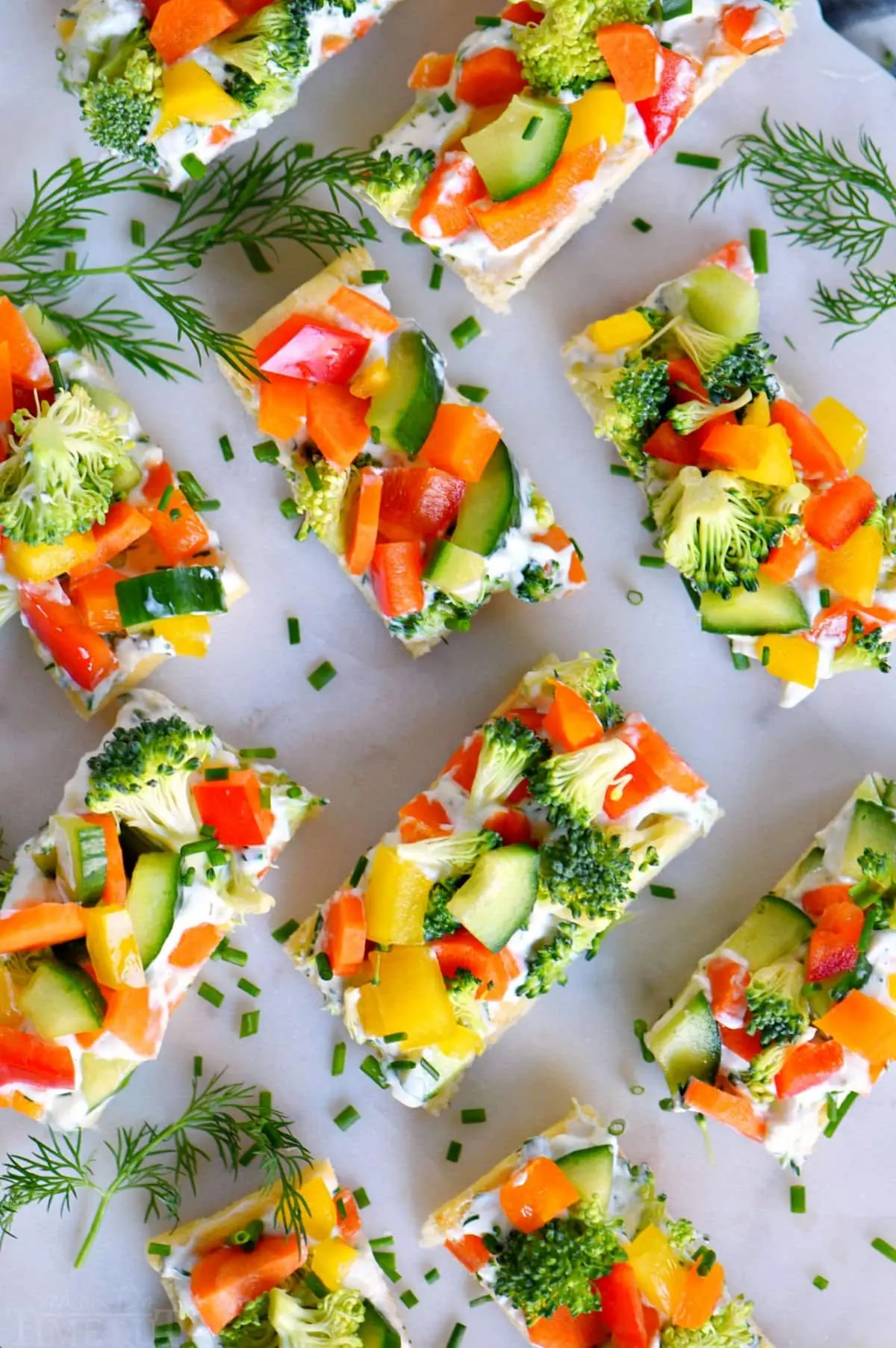
Heat can break down plant cell walls, making certain nutrients easier to access. Pairing cooked vegetables with fat — for example, roasted carrots with olive oil — creates a powerful nutritional combination.
Why This Matters Long-Term
Nutrition is not only about what you eat — it’s about what your body can actually use.
Small adjustments, repeated daily, can influence overall nutrient status over time.
Instead of viewing fat as something to avoid entirely, it can help to see it as a functional partner in nutrient delivery.
Vegetables provide the compounds.
Fat helps unlock them. Sometimes, eating smarter isn’t about adding more foods — it’s about pairing them wisely.
Because the true value of a meal lies not just on the plate…