Eat the Rainbow: Why Color Variety Naturally Expands Your Nutrient Intake
Walk through a produce market and you’ll see one of nature’s quiet design strategies:
Color signals chemistry.
Those vibrant reds, deep greens, sunny oranges, and purples aren’t just beautiful — they often reflect different plant compounds that support the body in distinct ways. Which is why nutrition experts frequently offer one simple guideline:
Eat more colors.
Not perfectly. Not obsessively. Just consistently.
Why Color Matters
Plants produce pigments to protect themselves from environmental stress such as sunlight and pests.
Many of these pigments belong to groups of compounds often studied for their protective roles in human health.
For example:
🔴 Red foods (tomatoes, watermelon) contain lycopene. 🟠 Orange foods (carrots, sweet potatoes) provide beta-carotene. 🟢 Dark greens offer lutein and folate. 🟣 Purple foods contain anthocyanins. ⚪ White foods like garlic contain sulfur compounds.
Each color contributes something slightly different.
No single food does everything — diversity creates coverage.
The Hidden Trap of “Food Repetition”
Many people unknowingly rotate the same 5–7 foods every week.
There’s nothing wrong with favorites, but nutritional range can narrow when variety disappears. Color is an easy visual shortcut for diversity.
You don’t need to memorize nutrients — your eyes can guide you.
What This Looks Like in Real Life
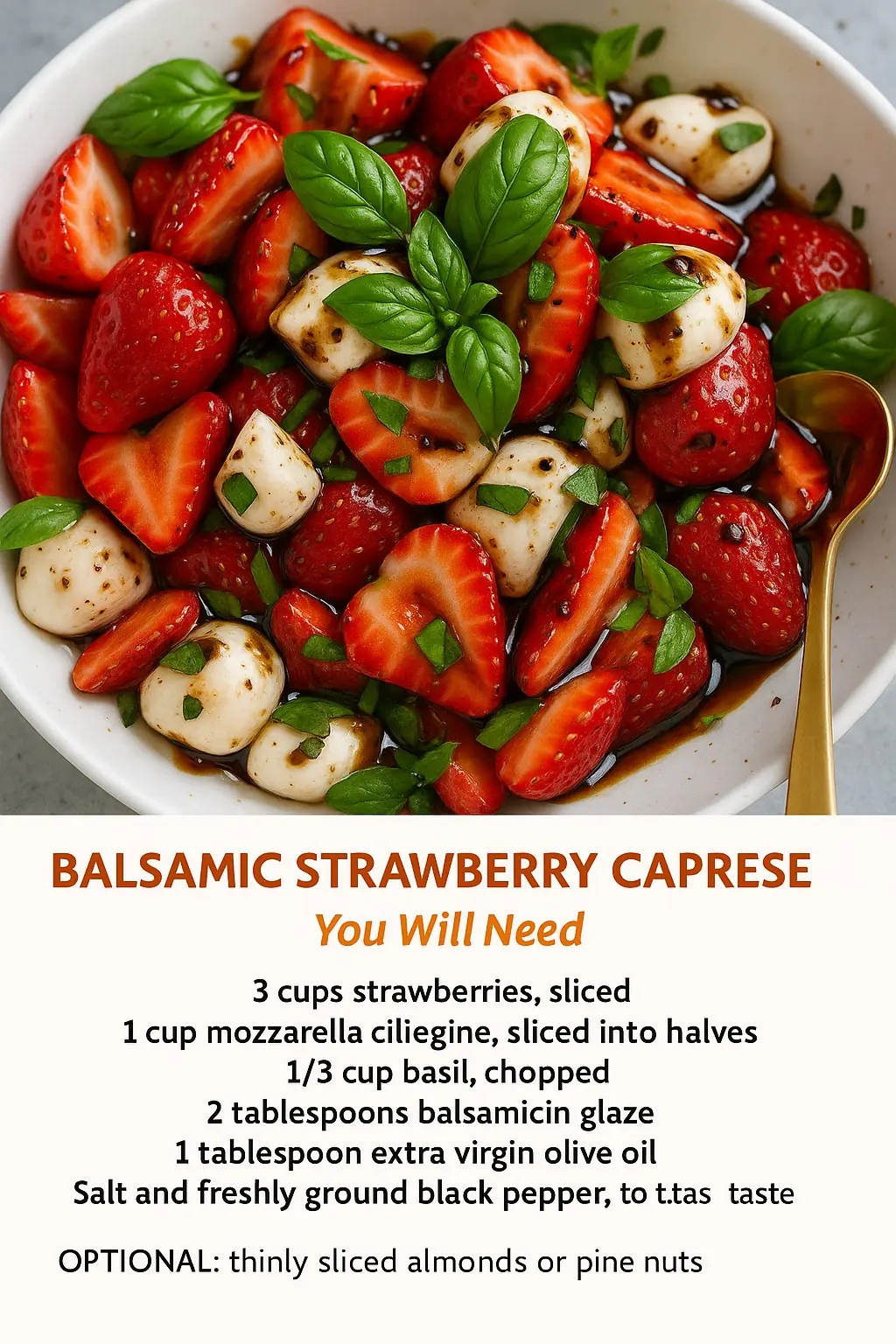
Instead of a plain pasta dish, add:
Spinach
Cherry tomatoes
Mushrooms
Fresh herbs
Suddenly, the plate delivers broader nutritional exposure.