Raw vs. Cooked Vegetables: Which One Is Actually Better for You?
Few nutrition debates are as persistent as the question: Is it better to eat vegetables raw or cooked?
You may have heard strong opinions on both sides — raw foods preserve nutrients, while cooking makes them easier to digest. The reality is more nuanced.
Both forms offer advantages, and understanding when each works best can help you get more from your meals.
What Happens When You Cook Vegetables?
Heat changes the physical structure of plant cells. As cell walls soften, certain nutrients become easier for your body to access.
For example:
Tomatoes: Cooking increases the availability of lycopene, a well-known antioxidant. Carrots: Gentle heating can improve beta-carotene absorption. Spinach: Cooking reduces oxalates, compounds that can interfere with mineral absorption.
In these cases, cooking acts like a key — unlocking nutrients that might otherwise remain partially trapped.
When Raw Has the Advantage
Not all nutrients tolerate heat equally.
Vitamin C and some B vitamins are water-soluble and sensitive to prolonged cooking. Excessive heat or boiling can cause them to leach into cooking water.
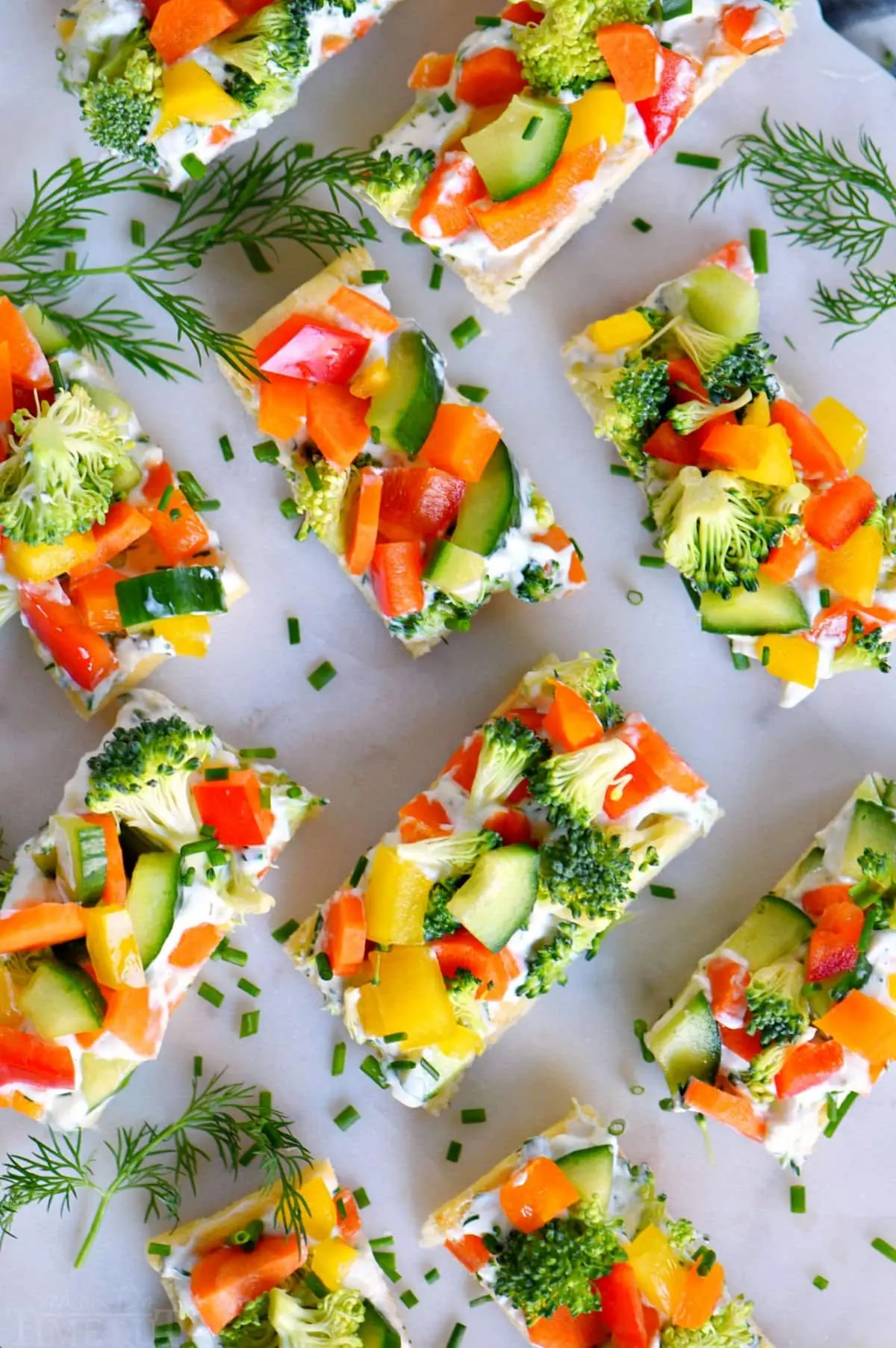
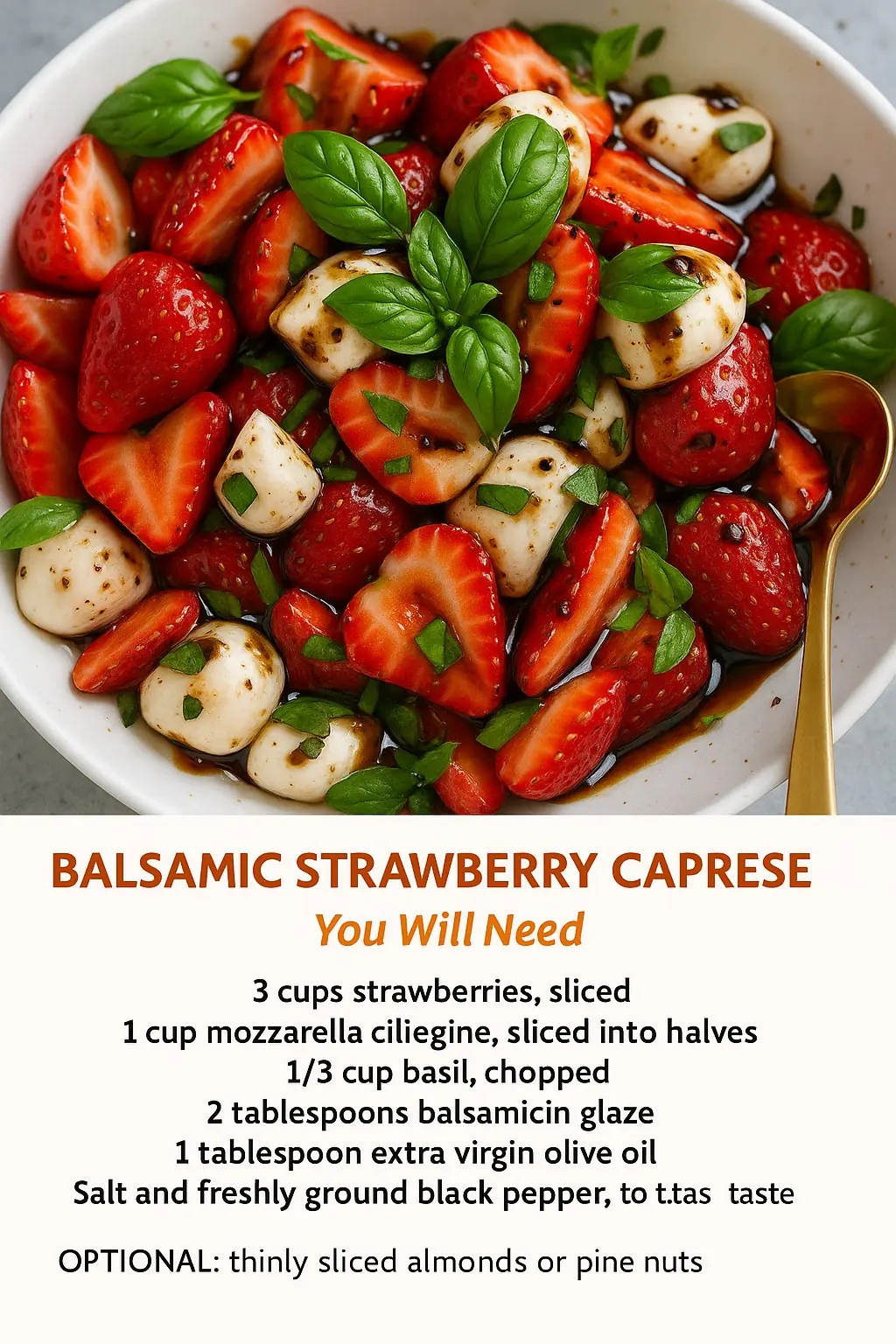
Crunchy vegetables such as bell peppers, cucumbers, and leafy greens often retain excellent nutritional value when eaten fresh.
Raw vegetables also provide texture that encourages slower eating and chewing, which can support digestive awareness.
A Balanced Perspective
Rather than choosing one side, many nutrition experts suggest embracing variety. Your body benefits from multiple preparation styles because they deliver nutrients in slightly different ways.
Practical Meal Ideas
Try combining both forms in a single dish:
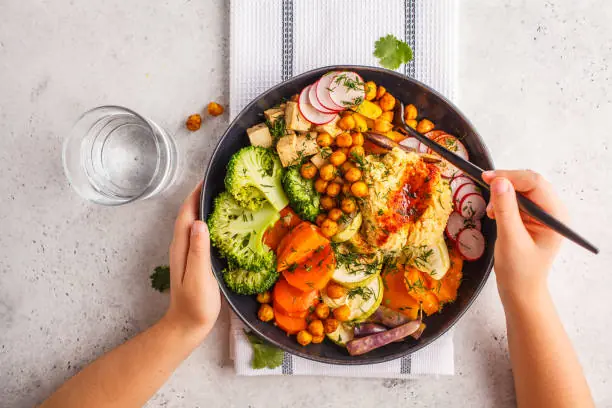
A grain bowl with roasted vegetables and fresh greens
Stir-fry paired with raw cabbage slaw
Warm roasted sweet potatoes over crisp arugula
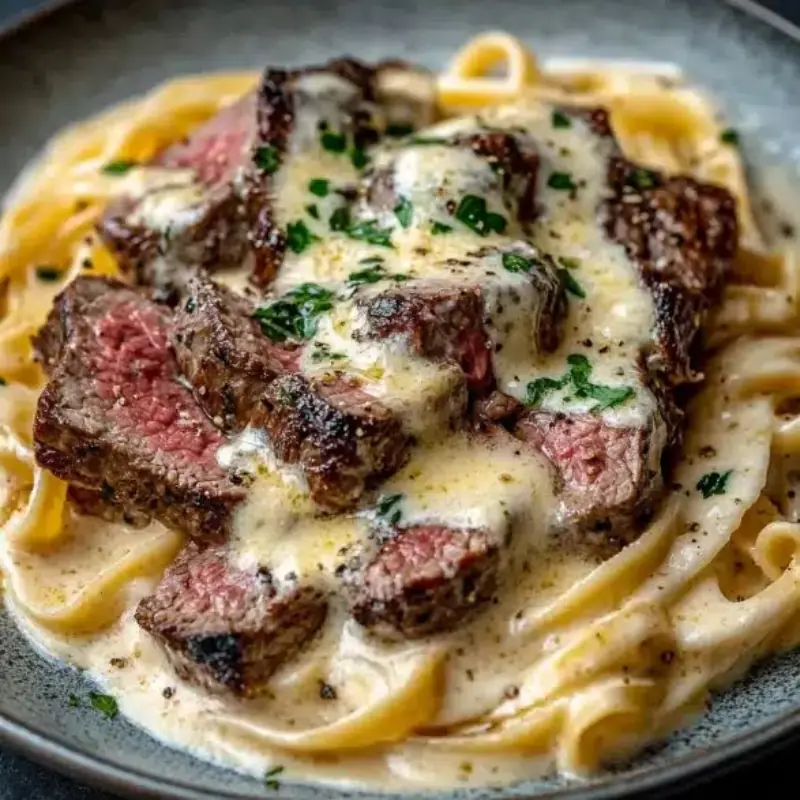
Pasta with cooked tomatoes and fresh herbs
This approach broadens your nutritional exposure naturally.
Don’t Forget Digestibility
Some people find large amounts of raw vegetables harder to tolerate, while lightly cooked vegetables feel gentler.
Your body’s feedback is valuable data. Nutrition is rarely one-size-fits-all.
The Bigger Takeaway
Instead of asking “Which is healthier?” consider asking:
“How can I include both?”
Because diversity — in color, texture, and preparation — tends to support a more complete nutrient profile.
In the end, the best vegetables are the ones you enjoy consistently.
Raw or cooked, each brings something useful to the table.
And often, the strongest nutritional strategy isn’t choosing one…