Health Food 13/02/2026 00:23

The Food Order Effect: Why What You Eat First May Help Stabilize Your Energy

Most nutrition advice focuses on what you eat — carbohydrates, protein, fats, fiber. But an emerging area of interest suggests that the order in which you eat your food may also influence how your body responds to a meal.

It’s not a diet.
It’s not restriction.
It’s simply sequencing.

And surprisingly, this small shift may help support steadier energy after eating.
người đàn ông đói với dao kéo và burger khổng lồ tại bàn trắng trên nền màu vàng - what to eat  hình ảnh sẵn có, bức ảnh & hình ảnh trả phí bản quyền một lần
The Pattern Many Meals Follow

In modern eating habits, refined carbohydrates often take center stage:

Bread before the meal

Rice as the base

Pasta as the first few bites

Sugary drinks alongside food
cô gái ăn hamburger trong vườn - what to eat  hình ảnh sẵn có, bức ảnh & hình ảnh trả phí bản quyền một lần
Carbohydrates digest relatively quickly, allowing glucose to enter the bloodstream at a faster rate.

Glucose is essential — it fuels your brain and muscles — but the speed of absorption can shape how stable your energy feels afterward.

Some people notice a familiar cycle:

✔ quick burst of energy
✔ followed by sleepiness
✔ then renewed hunger

While many factors influence this experience, meal structure may be one piece of the puzzle.

What Happens When You Change the Order

Researchers studying meal sequencing have observed an interesting pattern:

When people begin meals with fiber-rich vegetables or protein, and eat carbohydrates afterward, the rise in blood sugar tends to be more gradual compared to eating carbs first.

Why might this happen?

Fiber slows digestion

Vegetables create physical bulk in the stomach and delay gastric emptying.

Protein supports satiety hormones
đối với thủ thuật tiếp theo của tôi, tôi sẽ làm cho những con chip này biến mất - what to eat  hình ảnh sẵn có, bức ảnh & hình ảnh trả phí bản quyền một lần
This encourages a steadier release of energy.

Together, they act almost like a buffer

Instead of glucose entering rapidly, the process becomes more moderated.

Think of it like stepping into a pool slowly versus jumping straight in — the transition is smoother.

A Simple Real-Life Comparison

Imagine two ways of eating the same meal:

Scenario A:

You arrive hungry and immediately eat white rice or bread.

Scenario B:

You start with a salad, grilled vegetables, or beans…
Then eat fish, tofu, eggs, or chicken…
Then move to the rice.

Same foods.
Different order.

The goal is not perfection — just awareness.

Practical Ways to Try This

You don’t need complicated rules. Just gently rearrange your plate.

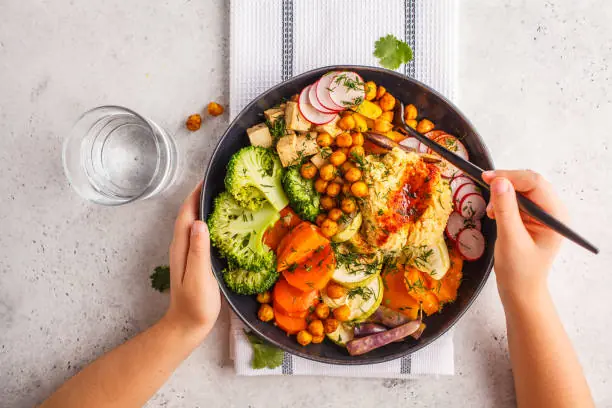
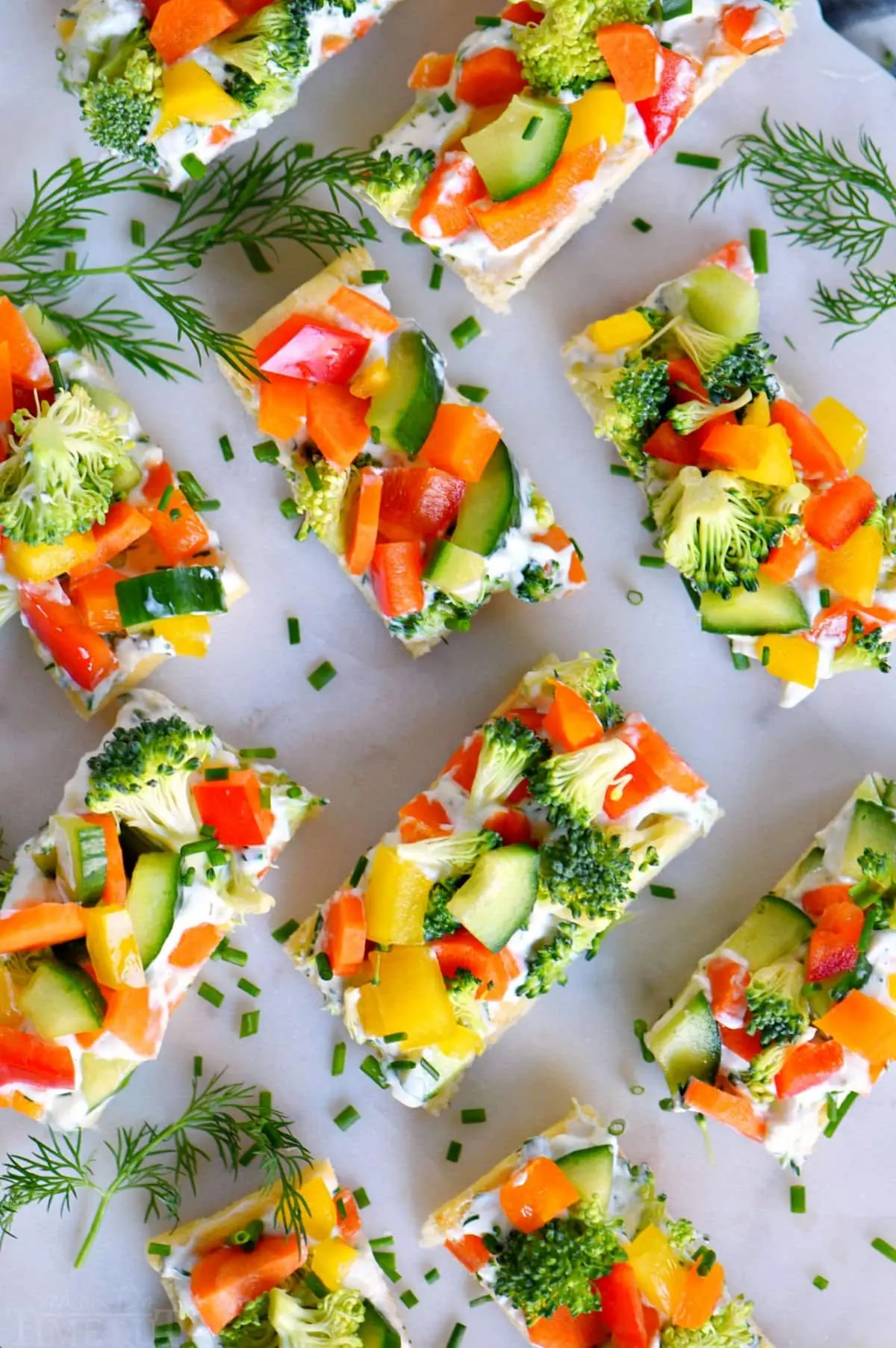
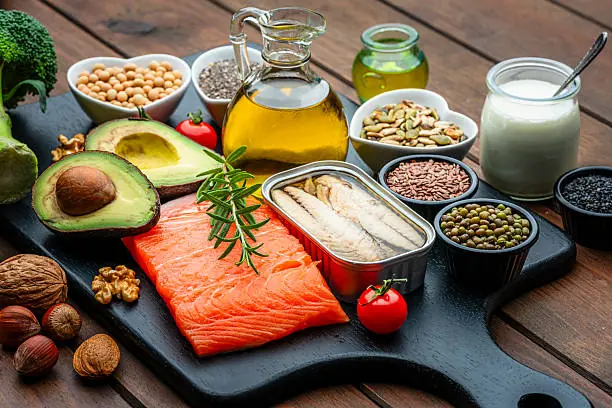
✔ Start with vegetables

Salad, roasted vegetables, sautéed greens, lentil soup.

✔ Eat protein next

Eggs, yogurt, tofu, fish, chicken, legumes.

✔ Finish with carbohydrates

Rice, pasta, bread, potatoes, grains.

Even applying this approach to one meal per day can be a meaningful experiment.

Where This Helps Most

Meal sequencing may be especially useful when eating meals that are heavier in refined carbohydrates — for example:

Pasta dinners

Rice bowls

Breakfast toast

Pancakes or waffles

Grain-based lunches

Instead of removing these foods, structure helps them work more smoothly with your physiology.

And importantly — enjoyment stays intact.

Because sustainable nutrition rarely comes from eliminating favorite foods.

It often comes from eating them more intelligently.

This Is Not About Control — It’s About Architecture

Think of your meal like building a house.

Fiber lays the foundation.
Protein builds the frame.
Carbohydrates supply accessible energy.

When eaten in this order, the structure tends to feel more stable.

No extremes.
No rigidity.

Just smarter layering.

One Important Reminder

Blood sugar responses vary from person to person depending on sleep, movement, stress, and overall diet.

So this is not a magic formula.

It is a supportive strategy — one small lever among many.

But what makes it powerful is how easy it is to apply.

No special foods.
No expensive products.
No complicated tracking.

Just a fork — used in a slightly different sequence.

The Bigger Insight

Nutrition is not only about ingredients.

It is also about timing, structure, and interaction.

Sometimes the biggest upgrades don’t come from changing what’s on your plate…

But from changing how you move through it.

So next time you sit down to eat, try asking a different question:

👉 “What should I take the first bite of?”

Because that first bite might quietly shape how you feel for hours afterward.

News in the same category

News Post