The Cooling Carb Effect: How Letting Rice, Pasta, and Potatoes Cool Can Change Digestion
Most people assume that once food is cooked, its nutritional role is fixed. But surprisingly, some carbohydrates undergo a structural transformation after cooling — one that can influence how your body digests them.
This phenomenon centers around something called resistant starch, and understanding it reveals just how dynamic food can be. What Is Resistant Starch?
Starch is typically broken down into glucose during digestion, providing the body with accessible energy. Resistant starch behaves differently.
As the name suggests, it resists digestion in the small intestine and travels further into the large intestine, where it becomes nourishment for beneficial gut microbes.
In many ways, it acts more like dietary fiber than traditional starch.
How Cooling Creates This Shift
When carbohydrate-rich foods such as rice, potatoes, or pasta are cooked, their starch molecules absorb water and expand. But as they cool, part of that starch reorganizes into tighter crystalline structures — making it harder for digestive enzymes to break them apart.
This process is known as retrogradation.
What’s especially interesting is that reheating these foods does not completely undo the change. A portion of the resistant starch remains. Signs This May Influence Your Eating Experience
Some people notice that cooled carbohydrates feel more satisfying and sustaining. While experiences vary, resistant starch has been associated with:
Slower digestion
More gradual energy release
Increased satiety
Support for gut bacteria
Rather than a sharp rise and fall in energy, the release may feel steadier.
Everyday Examples You Already Know
You don’t need specialty foods to benefit — many familiar dishes naturally contain cooled carbs:
Potato salad
Pasta salad
Sushi rice
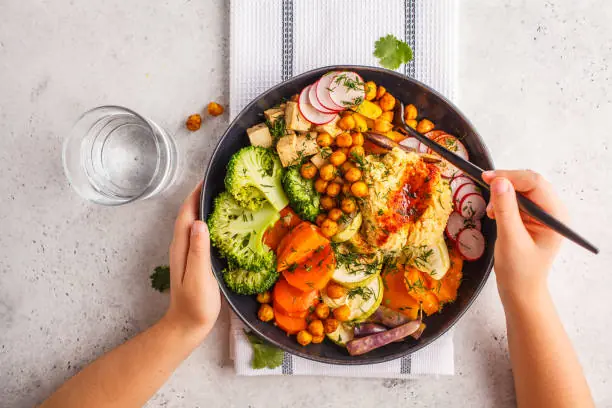
Grain bowls made from pre-cooked rice
Overnight oats
Even leftovers can play a role.
This is a refreshing reminder that convenience and nourishment can sometimes align.
Simple Ways to Try It
Consider cooking grains ahead of time and allowing them to cool before incorporating them into meals. For example:
Prepare rice for tomorrow’s lunch bowl
Roast potatoes and use them chilled in a salad
Cook pasta in advance and toss it with olive oil and vegetables
Pairing these carbs with protein, fiber, and healthy fats creates a balanced plate.
A Helpful Perspective
This isn’t about labeling hot carbs as “bad” or cooled carbs as “better.” Both have a place.
Instead, it highlights how preparation methods subtly shape the way food interacts with your body.
Nutrition is rarely static — it evolves through cooking, cooling, combining, and storing.
Sometimes, what changes isn’t the ingredient…
But the structure within it.
And that structural shift can influence the rhythm of your energy long after the meal ends.