The Food Order Trick: How What You Eat First May Support Steadier Energy
Most people focus on what they eat. Fewer consider the order in which they eat it — yet emerging research suggests that sequencing foods within a meal can influence how the body processes nutrients.
It’s a small shift with potentially meaningful effects.
The Typical Pattern
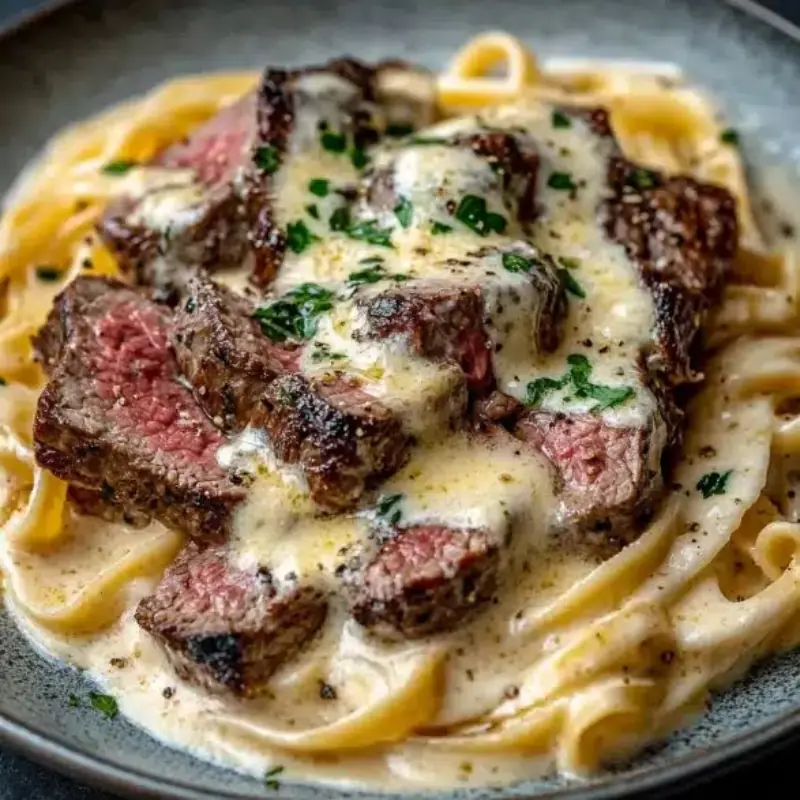
In many meals, refined carbohydrates appear first — bread before dinner, rice as the base, pasta as the centerpiece.
Carbohydrates digest relatively quickly, allowing glucose to enter the bloodstream at a faster rate.
This isn’t inherently bad — glucose is a vital energy source — but the speed of entry can shape how steady that energy feels. A Different Approach
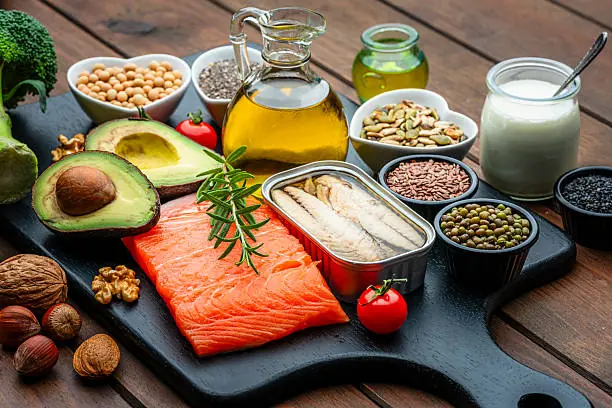
Some researchers suggest beginning meals with fiber-rich vegetables and protein before moving to carbohydrate-dense foods.
Why might this help?
Fiber slows gastric emptying, while protein encourages satiety signals. Together, they can moderate how quickly glucose rises.
Imagine pouring liquid through a funnel versus through a sponge — the sponge slows the flow.
A Simple Example
Instead of diving straight into pasta, you might:
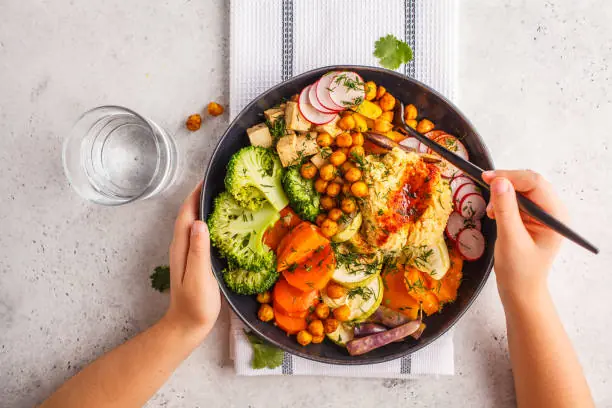
Start with a salad or vegetables
Eat protein next
Finish with the carbohydrate portion
No restriction — just sequence.
Many people report feeling comfortably full sooner and experiencing more stable energy afterward.
Real-Life Applications
This can work in everyday meals:
Vegetables before pizza
Beans and grilled chicken before rice Apple slices with nut butter before toast
Lentil soup before bread
The change is subtle but practical.
Why This Isn’t About Perfection
Meals are meant to be enjoyed, not micromanaged. The goal is awareness, not rigidity.
Even applying this strategy occasionally can support metabolic steadiness.
Think of It as Meal Architecture
Just as buildings rely on structure, meals benefit from thoughtful layering.
Fiber lays the foundation. Protein adds stability. Carbohydrates provide accessible fuel.
When these elements work together, energy often feels more sustained.
Sometimes nutrition isn’t about dramatic change…
It’s about rearranging what’s already on your plate.