Protein Timing: Why Spreading Protein Across the Day May Support Steadier Energy
When people think about protein, the conversation often centers on how much to eat.
But emerging research suggests another question may matter too:
👉 When do you eat it?
Many eating patterns are protein-light early in the day and heavily concentrated at dinner.
Shifting that distribution can influence how sustained your energy feels.
The Common Pattern A typical day might look like:
Breakfast: toast or cereal Lunch: moderate protein Dinner: large protein portion
While total intake matters, long gaps without protein may leave some people feeling less satisfied between meals.
Why Protein Supports Stability
Protein digests more slowly than simple carbohydrates and contributes to satiety signaling.
This doesn’t mean carbs are problematic — they are essential fuel — but pairing them with protein often creates a more gradual energy curve. Think steady burn instead of quick flare.
Signs Your Meals Might Need More Balance
Some people notice:
Mid-morning hunger
Afternoon energy dips
Frequent snacking
Difficulty staying full
Meal composition is only one factor, but it’s an adjustable one.
What Better Distribution Can Look Like
No need for extremes — just gentle upgrades.
Breakfast:
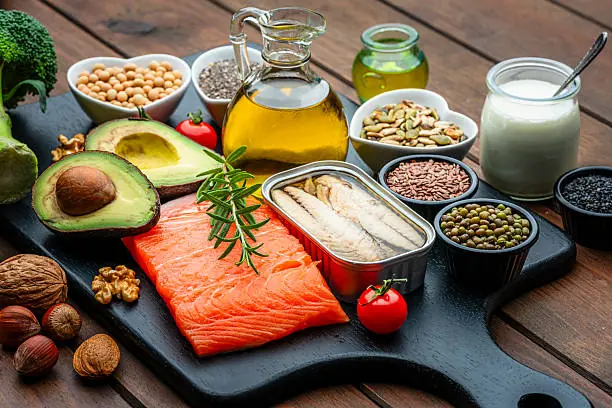
Instead of plain toast → try yogurt, eggs, or nut butter alongside it.
Lunch:
Add beans, tofu, chicken, tuna, or lentils to salads or bowls.
Snacks:
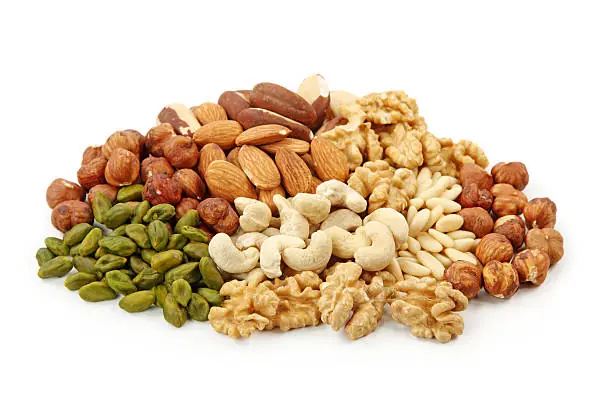
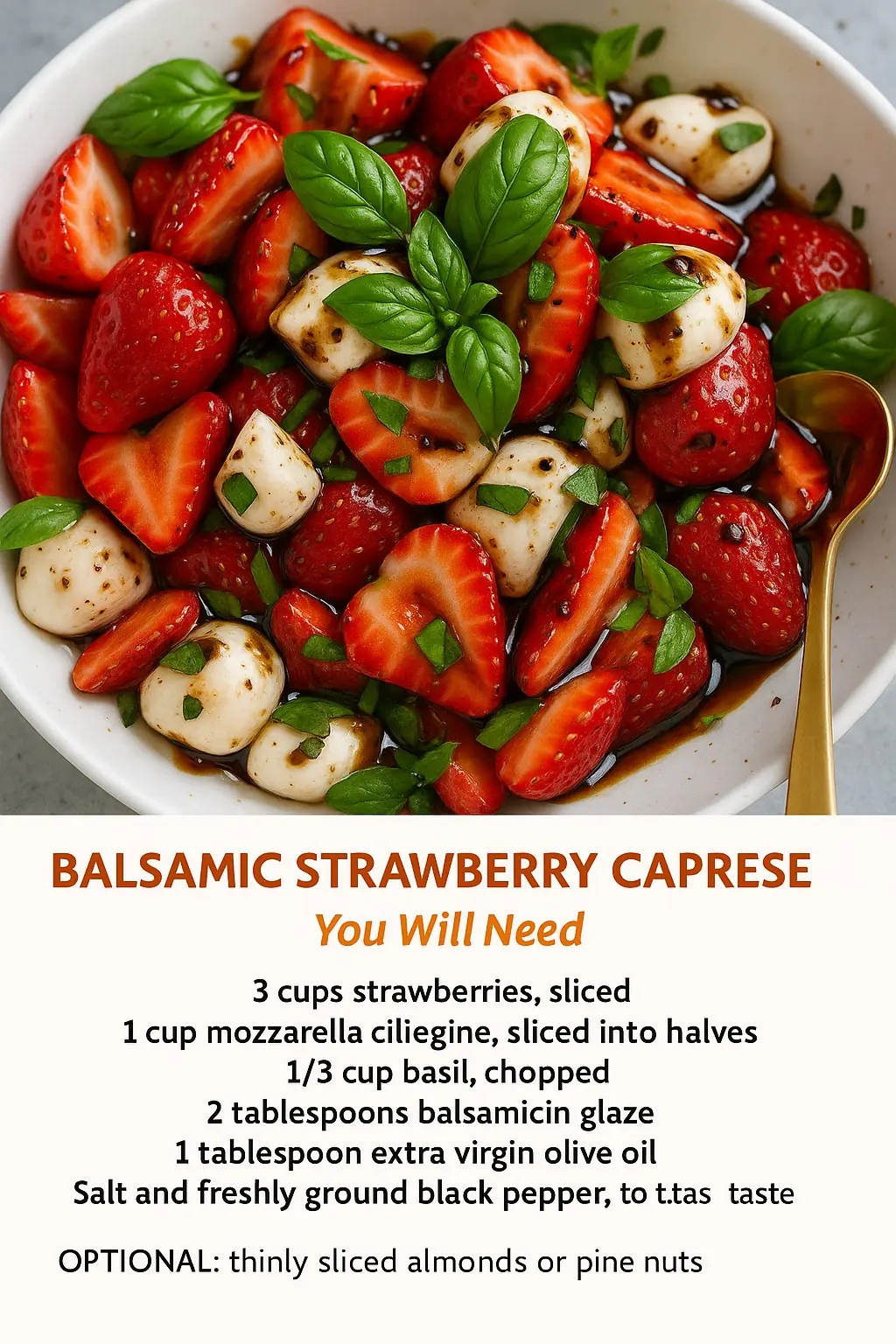
Pair fruit with nuts or cheese rather than eating it alone.
Dinner:
Still important — just not the only protein moment.